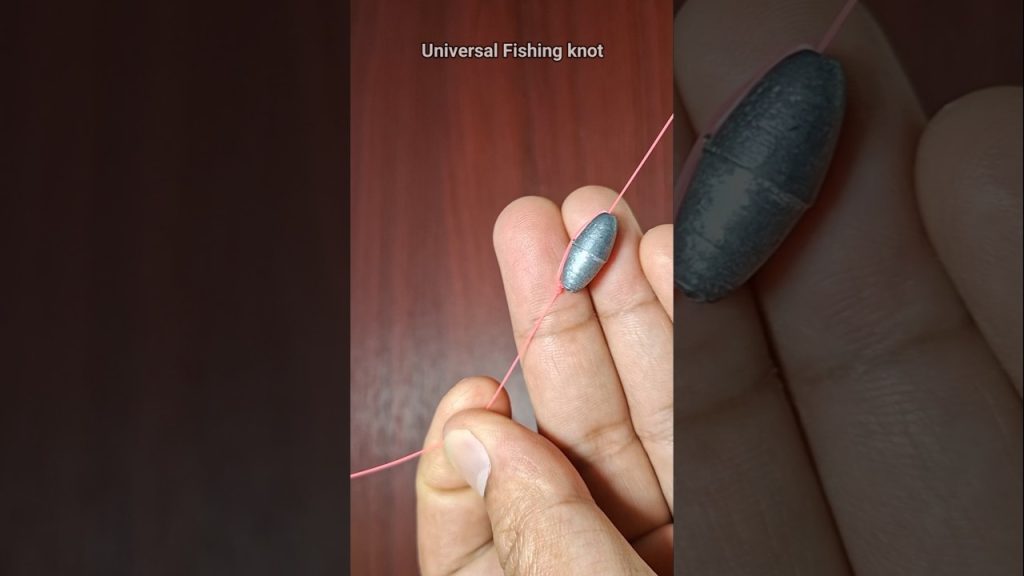
Tying a weight onto your fishing line might seem simple, but doing it the right way can make all the difference in your fishing success. If your weight isn’t secure, you risk losing your bait or even your catch.
You want a knot that’s strong, easy to tie, and won’t damage your line. In this guide, you’ll learn step-by-step how to tie a weight onto your fishing line quickly and effectively. By the end, you’ll have the confidence to cast with ease and focus on what really matters—catching fish.
Keep reading to master this essential fishing skill.

Credit: www.youtube.com
Choosing The Right Weight
Tying the correct weight to your fishing line helps you catch fish better. The right weight keeps your bait in place and controls how deep it goes.
Choosing the right weight depends on the type of weight and the fishing conditions. This guide will explain these important factors.
Types Of Fishing Weights
Fishing weights come in many shapes and sizes. Each type works best for different fishing styles and water conditions.
- Split Shot:Small and easy to attach. Good for light fishing.
- Egg Sinkers:Oval-shaped and slide on the line. They allow the bait to move freely.
- Bank Sinkers:Heavier and shaped like a triangle. Best for strong currents.
- Pyramid Sinkers:Pointed shape helps them stay in place on sandy bottoms.
- Bullet Weights:Shaped like a bullet. Used for fishing with soft plastic baits.
Selecting Weight Based On Fishing Conditions
Choose your fishing weight by thinking about water depth, current strength, and how you want your bait to move.
| Condition | Recommended Weight | Reason |
|---|---|---|
| Calm, shallow water | Light weights (1/16 to 1/4 oz) | Prevents bait from sinking too fast |
| Moderate current | Medium weights (1/4 to 1/2 oz) | Keeps bait stable in the water |
| Strong current or deep water | Heavy weights (1/2 oz and above) | Holds line steady and reaches depth |
| Fishing near rocks or weeds | Streamlined weights like bullet weights | Reduces snagging on obstacles |

Credit: www.youtube.com
Preparing Your Fishing Line
Before tying a weight onto your fishing line, preparation is key. Proper preparation helps ensure your setup works well and lasts longer.
This guide covers cutting and inspecting your line and choosing the right attachment point for the weight.
Cutting And Inspecting The Line
Start by cutting a clean section of your fishing line. Use sharp scissors or a line cutter for a smooth edge.
Next, inspect the line closely. Look for any frays, cracks, or weak spots that could break under tension.
- Use bright light to find damage
- Check both ends and the middle part of the line
- Replace the line if you find any damage
- Keep the line dry and clean before use
Choosing The Attachment Point
Pick a spot on the line to tie the weight. This point should keep the weight stable and balance your bait well.
| Attachment Point | Purpose |
| Close to the hook | Keeps bait near bottom |
| Far from the hook | Allows bait to float |
| Middle of the line | Balances weight and bait |
Popular Knots For Attaching Weights
Tying weights to a fishing line is crucial for successful fishing. Using the right knot ensures your weight stays secure.
Different knots offer varying levels of security and ease of tying. Here, we explore some popular knots used by anglers.
Improved Clinch Knot
The Improved Clinch Knot is known for its strength. It is a favorite among many anglers for attaching weights.
- Thread the line through the weight’s eyelet.
- Wrap the line around itself five times.
- Pass the end through the loop near the eyelet.
- Tighten by pulling both ends.
Palomar Knot
The Palomar Knot is simple and effective. It is ideal for heavy lines and weights.
The Palomar Knot is praised for its reliability. Follow these steps for a secure tie:
- Double the line and pass it through the weight’s eyelet.
- Tie a simple overhand knot with the doubled line.
- Pass the weight through the loop.
- Pull both ends to tighten.
Loop Knot
The Loop Knot allows your weight to move freely. It’s useful for certain fishing techniques.
| Knot Type | Best Used For |
| Improved Clinch Knot | General use |
| Palomar Knot | Heavy lines |
| Loop Knot | Free movement |
Step-by-step Knot Tying
Tying a weight onto a fishing line is easy with the right knots. Good knots keep your weight secure.
This guide shows simple knots to tie weights safely. Follow the steps for strong connections.
Tying The Improved Clinch Knot
The Improved Clinch Knot is common for tying weights. It holds well and is easy to tie.
Start by threading the line through the weight’s eye. Wrap the line around itself five times.
- Thread the line through the weight’s eye
- Wrap the tag end around the main line five times
- Pass the tag end through the small loop near the eye
- Then pass it back through the big loop created
- Pull both ends tight to secure the knot
Securing The Palomar Knot
The Palomar Knot is very strong and simple. It works well with braided and monofilament lines.
Double about six inches of line and pass it through the weight’s eye. Tie a loose overhand knot.
- Double six inches of line
- Pass the loop through the weight’s eye
- Tie a loose overhand knot with the doubled line
- Pass the weight through the loop
- Pull both ends tight to finish the knot
Forming The Loop Knot
The Loop Knot keeps the weight free to move. It is good for natural bait setups.
Make a small loop in the line above the weight. Wrap the tag end around the main line and loop.
- Make a loop above the weight
- Wrap the tag end five times around the main line and loop
- Pass the tag end through the loop
- Pull tight to secure the knot
Testing Knot Strength
Tying a weight securely on a fishing line is important. Testing the knot strength helps avoid losing your catch.
We will look at pulling techniques and signs of a secure knot. These tips help you check if the knot holds well.
Pulling Techniques
Pull the line slowly and steadily to test the knot. Avoid jerking motions that might give false results.
- Hold the line near the knot firmly with one hand.
- Pull the standing line with the other hand, increasing force gradually.
- Watch for any slipping or loosening of the knot as you pull.
- Stop if the knot moves or the line breaks.
- If the knot stays firm, the strength is good.
Signs Of A Secure Knot
Check your knot carefully after tying it. Look for these signs to confirm it is strong.
| Sign | What It Means |
|---|---|
| No slack or loose loops | The knot is tight and well formed |
| Even pressure around the knot | The knot distributes force properly |
| No frayed or damaged line | The line is not weakened at the knot |
| Knots do not slip under tension | The knot holds firmly under pull |
Tips For Maintaining Your Setup
Keeping your fishing line and weights in good shape helps you catch more fish. Regular care prevents problems while fishing.
Simple checks and replacements can make your setup strong and reliable every time you go fishing.
Regular Line Checks
Check your fishing line often for signs of damage. Look for nicks, frays, or weak spots that could break during a catch.
- Run your fingers along the line to feel for rough areas
- Look for discoloration or thin spots
- Replace the line if you see any damage or wear
- Test the line’s strength by pulling gently before casting
Replacing Worn Weights
Weights can lose their shape or rust after time. Replace them to keep your setup balanced and effective.
| Weight Condition | Action |
| Rusty or corroded | Replace immediately |
| Cracked or chipped | Replace to avoid line damage |
| Heavy dirt build-up | Clean or replace |
| Weight loosening on line | Tighten or replace knot |

Credit: jimswansonmanofthewoods.wordpress.com
Frequently Asked Questions
How Do You Tie A Weight Onto A Fishing Line?
To tie a weight, thread the line through the weight’s hole. Use a clinch knot or improved clinch knot to secure it tightly. Ensure the knot is firm to prevent slipping during casting and fishing.
What Types Of Weights Work Best For Fishing?
Split shot, egg sinkers, and bullet weights work well. Choose based on water depth and fishing style. Smaller weights suit shallow water, while heavier ones help in deep or fast currents.
Can I Reuse Fishing Weights After Removing Them?
Yes, most fishing weights can be reused. Carefully untie or pinch open split shot weights to remove. Inspect for damage before reusing to ensure safety and effectiveness.
Why Is Tying The Weight Correctly Important?
Proper tying prevents the weight from sliding or falling off. It ensures better casting distance and accurate bait placement. A secure weight improves fishing success and reduces line tangles.
Conclusion
Tying a weight onto a fishing line is simple and important. A secure knot helps your bait sink well. It keeps your fishing line strong and ready. Practice the steps until you feel confident. Good knots make fishing more fun and effective.
Try different weights to find what works best. Remember, patience and practice improve your fishing skills. Keep your gear ready and enjoy your time by the water. Fishing success starts with small, careful actions like this.