Choosing the right weight fishing line can make all the difference between a great catch and a missed opportunity. You might be wondering, “What weight fishing line should I use?” It’s a question every angler faces, whether you’re just starting out or have been fishing for years.
The answer isn’t one-size-fits-all—it depends on the fish you want to catch, the water you’re fishing in, and your own fishing style. Keep reading, and you’ll discover simple tips to pick the perfect line that boosts your chances of landing that big fish.
Don’t let the wrong line hold you back—let’s find the right one for you.

Credit: mysterytacklebox.com
Factors Influencing Line Weight
Choosing the right fishing line weight is important for a good fishing experience. The weight affects how strong and flexible the line is.
Several factors help decide the best line weight to use. Understanding these can improve your fishing success.
Target Fish Species
Different fish need different line strengths. Big fish need heavier lines to avoid breaking the line.
Small fish can be caught with lighter lines for better sensitivity and less visibility in water.
- Light line (2-6 lb) for small fish like trout or panfish
- Medium line (8-15 lb) for bass or walleye
- Heavy line (20+ lb) for big fish like catfish or pike
Fishing Environment
The place you fish affects line choice. Clear water needs thinner, less visible lines.
In thick cover or rocky areas, stronger lines resist abrasion and avoid breaks.
- Clear water: use light, thin lines
- Weedy or rocky areas: use heavier, abrasion-resistant lines
- Saltwater fishing: often needs stronger, corrosion-resistant lines
Rod And Reel Compatibility
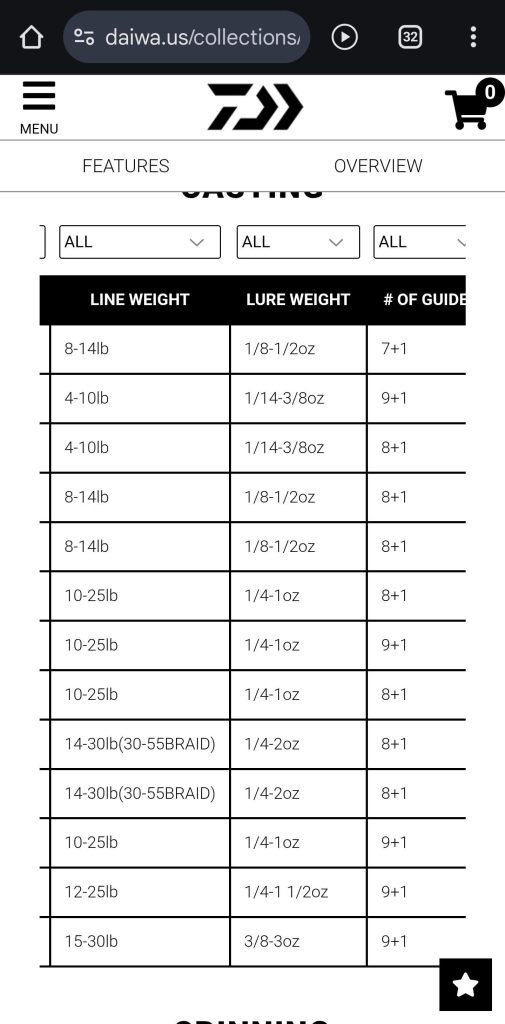
Your rod and reel have limits on line weight. Using the right weight keeps equipment safe and working well.
Check the rod and reel specs for recommended line weights before choosing your line.
- Light rods work best with light lines for small fish
- Medium rods handle medium line weights for general fishing
- Heavy rods need strong lines for big fish and heavy lures
Casting Distance Needs
Line weight changes how far you can cast. Lighter lines help cast farther with less effort.
Heavier lines may reduce casting distance but offer more control and power for big fish.
- Use light lines for long-distance casting
- Use medium lines for balanced distance and strength
- Use heavy lines for short casts with strong fish

Credit: www.reddit.com
Types Of Fishing Lines
Choosing the right fishing line affects your fishing success. Different lines suit different fishing styles and fish types.
This guide explains three common types of fishing lines and their uses. Learn about monofilament, fluorocarbon, and braided lines.
Monofilament
Monofilament line is a single strand of nylon. It is flexible, easy to handle, and stretches under pressure.
It is popular for beginners and works well in many fishing conditions. It floats on water and is usually the cheapest option.
Fluorocarbon
Fluorocarbon line is nearly invisible underwater. It sinks faster than monofilament and resists abrasion well.
- Good for clear water fishing
- Less stretch than monofilament
- More sensitive to bites
- Better for fishing around rocks or weeds
Braided Lines
Braided line uses many thin fibers woven together. It has no stretch and a small diameter for its strength.
| Feature | Benefit |
| High strength | Can handle big fish |
| Thin diameter | Longer casts and more line on reel |
| Low stretch | Good bite detection |
| Durable | Lasts longer than other lines |
Matching Line Strength To Fish Size
Choosing the right fishing line is important for success. The line strength should match the fish size you want to catch. This helps in ensuring a good fishing experience.
Using the right line strength prevents the line from breaking. It also helps you reel in the fish more easily.
Light Lines For Small Fish
Light lines are best for small fish like trout and panfish. They are thin and almost invisible in water, making them perfect for these fish.
These lines are usually between 2 to 6 pounds in strength. They help you feel even the smallest bite.
Medium Lines For Versatile Use
Medium lines are great for a variety of fish. They work well for bass, walleye, and similar fish types.
These lines range from 8 to 12 pounds. They offer a good balance between strength and sensitivity.
- Good for mixed fishing environments
- Handle different bait types
- Suitable for freshwater and saltwater
Heavy Lines For Large Fish
Heavy lines are needed for large fish like salmon and catfish. These fish are strong and require a sturdy line.
Heavy lines are usually 15 pounds or more. They are thick and visible, but necessary for big catches.
| Fish Type | Recommended Line Strength |
| Small Fish | 2-6 pounds |
| Medium Fish | 8-12 pounds |
| Large Fish | 15+ pounds |

Credit: www.reddit.com
Line Diameter And Visibility
Choosing the right fishing line weight depends on its diameter and visibility. These factors affect how fish see your line in the water.
Thinner lines are less visible but may have less strength. Thicker lines are strong but easier for fish to spot.
Stealth In Clear Water
Clear water makes fish more cautious. A thin line is harder for fish to see. This helps you catch more fish.
Using a line with low visibility color can also help. Green or clear lines blend better in clear water.
Line Thickness Vs. Strength
Thicker lines are stronger but more visible. Thinner lines are less visible but can break easier.
Choose a line that balances strength and thinness for your fishing style.
- Thin line: good for clear water, lighter fish
- Thick line: good for heavy fish, rough conditions
- Check line strength on the spool to match your needs
Adjusting Line Weight For Techniques
Choosing the right fishing line weight is key for each fishing style. Different techniques need different line strengths.
Using the correct line weight helps you cast better and catch fish easier. It also protects your gear.
Topwater Fishing
Topwater fishing uses lures that float on the water surface. You want a light to medium line weight to feel the strikes.
A lighter line makes it easier to cast small lures and lets them move naturally on the water.
- Use 6 to 12-pound test line
- Choose lighter lines for calm water
- Heavier lines work better in windy conditions
Bottom Fishing
Bottom fishing targets fish near the sea or lake bed. You need a stronger line to handle heavy weights and big fish.
Heavier line weight helps prevent breakage from rocks or strong fish pulling hard.
- Use 15 to 30-pound test line
- Choose heavier lines for rocky or rough bottoms
- Use lighter lines if fish are smaller
Trolling
Trolling pulls lures behind a moving boat. You need a line weight that matches lure size and fish strength.
Stronger lines reduce the risk of breaks from fast fish or strong currents.
- Use 12 to 25-pound test line
- Heavier lines are good for big fish
- Adjust line weight based on lure size
Maintenance And Replacement Tips
Choosing the right fishing line weight is important. Keeping your line in good shape helps you catch more fish. Regular care and timely replacement extend your line’s life.
Proper maintenance prevents line damage. It also stops breaks during fishing. Learn when to replace your line and how to store it well.
When To Replace Line
Replace your fishing line if it shows signs of wear. Old line can lose strength and break easily. Check your line before every fishing trip.
- Look for frays or cuts along the line.
- Replace line after catching a large fish.
- Change line if it feels brittle or stiff.
- Swap line after long exposure to sun or water.
- Replace line yearly if used often.
Proper Storage Practices
Store your fishing line in a cool, dry place. Avoid direct sunlight to stop damage. Keep line away from chemicals or sharp objects.
| Storage Tip | Reason |
| Keep line in a sealed container | Prevents dust and moisture |
| Store away from sunlight | Stops line from weakening |
| Avoid extreme temperatures | Prevents line from stretching or cracking |
| Do not store with heavy objects | Prevents line from deforming |
Frequently Asked Questions
What Weight Fishing Line Is Best For Beginners?
A 6-12 lb test line suits beginners well. It balances strength and ease of handling. This range works for most freshwater fish, providing good control and fewer snags.
How To Choose Fishing Line Weight For Big Fish?
For big fish, use a heavier line, typically 20-50 lb test. Heavier lines prevent breakage under strong pulls. Match line strength to the target fish size for best results.
Does Fishing Line Weight Affect Casting Distance?
Yes, lighter lines generally cast farther. Heavy lines can reduce casting distance but increase strength. Choose line weight based on fishing style and required casting range.
Can I Use The Same Line Weight For All Fishing Types?
No, different fishing types need specific line weights. Light lines suit freshwater fishing, while saltwater or big game fishing requires heavier lines. Always match line weight to fishing conditions.
Conclusion
Choosing the right fishing line weight improves your chances of catching fish. Match the line strength to the fish size and fishing style. Thinner lines cast farther but may break easily. Thicker lines hold better but can be less sensitive.
Test different weights to find what feels best. Fishing becomes more fun with the right gear. Keep these tips in mind for your next trip. Happy fishing!