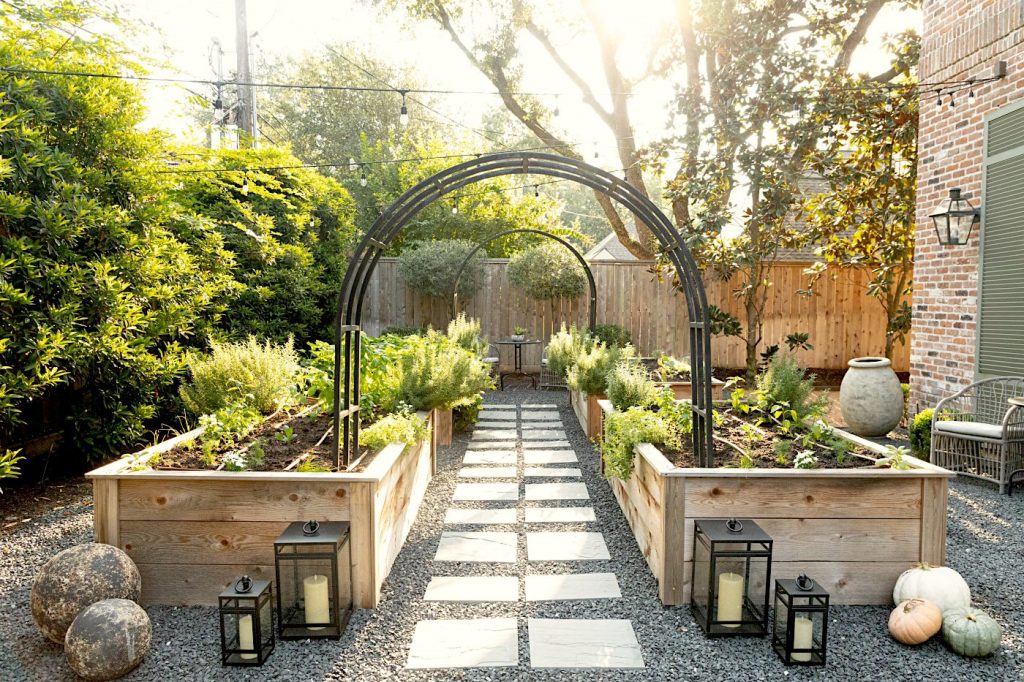
Are you ready to transform your outdoor space into a thriving garden? Raised garden beds are the perfect way to grow healthy plants, even if your soil isn’t ideal.
Imagine having a neat, organized garden that’s easy to manage and boosts your harvest. In this guide, you’ll discover simple steps to build and care for raised garden beds that will make your gardening experience more enjoyable and productive. Keep reading to unlock the secrets to growing stronger plants right in your own backyard!
Benefits Of Raised Garden Beds
Raised garden beds offer many advantages for growing plants. They help improve soil, water flow, and ease gardening tasks.
These beds create a better environment for plants and make gardening more enjoyable and efficient.
Improved Soil Quality
Raised beds allow you to control the soil type and quality. You can add rich soil and compost easily.
This gives plants better nutrients and helps roots grow stronger and healthier.
Better Drainage
Raised beds drain water faster than ground soil. This stops water from pooling and harming plant roots.
Good drainage helps prevent root rot and keeps plants healthy during rainy days.
Ease Of Access
Raised beds sit higher than ground level. This makes planting and weeding easier on your back and knees.
Gardening becomes more comfortable for people of all ages and those with limited mobility.
Pest Control Advantages
Raised beds help keep pests like slugs and snails away from your plants. The height creates a barrier.
You can also add protective covers or nets more easily to keep insects and animals out.
Choosing The Right Location
Picking the right spot for your raised garden beds is very important. The location affects how well your plants will grow and how easy it is to care for them.
Think about sunlight, soil, and space before you start building your beds. These factors help your garden thrive.
Sunlight Requirements
Most vegetables need at least six hours of direct sunlight daily. Choose a spot that is not shaded by trees or buildings.
Check the sunlight in different parts of your yard to find the brightest place. Morning sun is good for many plants.
- Full sun means 6 or more hours of direct light
- Partial sun means 3 to 6 hours of light
- Avoid full shade areas for growing vegetables
Soil Conditions
Raised beds let you control the soil quality. Use good soil that drains well and is rich in nutrients.
Avoid spots with heavy clay or very sandy soil unless you plan to fix it. Check if the ground stays wet after rain.
- Choose soil that is loose and crumbly
- Good drainage prevents root rot
- Add compost to improve soil quality
Space Considerations
Leave enough room around your raised beds for walking and working. Make sure you can reach all parts of the bed easily.
Think about how big your beds will be and how many you want. Plan space for tools and watering as well.
- Allow at least 2 feet of walking space around beds
- Keep beds narrow enough to reach the center
- Plan for future garden expansion
Selecting Materials For Beds
Choosing the right materials for raised garden beds is important. Materials affect durability, cost, and look of your garden.
Consider different options like wood, metal, stone, and recycled materials. Each has its benefits and drawbacks.
Wood Options
Wood is a popular choice for raised beds. It is easy to work with and looks natural.
- Cedar: Resistant to rot and insects.
- Pine: Affordable but less durable.
- Redwood: Long-lasting with a rich color.
Metal And Stone Choices
Metal and stone offer a modern look. They are durable and can withstand harsh weather.
| Material | Benefits |
| Galvanized Steel | Strong and rust-resistant |
| Concrete Blocks | Sturdy and customizable |
| Stone | Natural and timeless |
Recycled Materials
Using recycled materials is eco-friendly. It can also be a cost-effective solution for your garden.
Building Your Raised Bed
Building a raised garden bed lets you grow plants in a controlled space. It helps improve soil and drainage.
This guide covers how to measure, cut, and assemble your raised bed frame. You will also learn how to add support.
Measuring And Cutting Materials
Measure the size of your garden bed carefully. Decide the length, width, and height you want.
Use a saw to cut the wood boards to the correct lengths. Always double-check your measurements before cutting.
- Mark the wood with a pencil where you want to cut
- Use a measuring tape for accuracy
- Cut straight along the marks with a hand saw or power saw
- Wear safety glasses to protect your eyes
Assembling The Frame
Lay out all your cut wood pieces on a flat surface. Arrange them in the shape of your raised bed.
Use screws or nails to join the corners and sides. Make sure the frame is square and level as you work.
- Start by connecting two boards at a corner
- Attach the other two boards to form a rectangle or square
- Check corners with a carpenter’s square tool
- Tighten screws or hammer nails firmly
Adding Support And Reinforcements
Add extra wood pieces inside the frame for strength. This helps the bed hold soil without bowing.
Attach corner braces or metal brackets to the joints. These give more stability and keep the frame square.
- Place vertical supports at the middle of long sides
- Use L-brackets on inside corners for extra hold
- Secure supports with screws to prevent movement
- Check that all parts are flush and tight
Preparing The Soil Mix
Good soil is key to a healthy raised garden bed. Preparing the right soil mix helps plants grow strong.
This guide explains how to prepare soil for raised beds. It covers choosing soil, adding compost, and mixing well.
Choosing The Right Soil
Use light and loose soil for raised beds. It drains well and lets roots breathe.
Look for soil with a mix of sand, silt, and clay. This mix supports healthy plant growth.
- Loamy soil is ideal
- Avoid heavy clay soil
- Steer clear of sandy soil only
Adding Compost And Amendments
Compost adds nutrients and improves soil texture. It helps plants get what they need.
Other amendments like peat moss or coconut coir keep soil moist. They also improve air flow.
- Mix in 25-40% compost
- Add organic matter like leaf mold
- Use peat moss or coir for moisture
- Consider a little garden lime if soil is acidic
Mixing Techniques
Mix soil and compost evenly to avoid clumps. This ensures roots grow well.
Use a shovel or garden fork to turn the mix. Mix deeply for good air and water flow.
- Place soil and compost in a pile
- Turn the pile with a shovel or fork
- Repeat until the mix is uniform
- Check moisture; it should feel damp, not wet

Credit: migardener.com
Planting Strategies
Raised garden beds offer better soil control and drainage. Using smart planting strategies helps plants grow strong and healthy.
Choosing the right plants and placing them correctly saves space and improves harvest. Companion planting can also protect plants naturally.
Selecting Suitable Plants
Pick plants that match your climate and soil type. Some plants need more sunlight or water than others. Choose vegetables and flowers that grow well together in raised beds.
- Leafy greens like lettuce and spinach grow fast and need less space.
- Root vegetables such as carrots and radishes prefer loose soil.
- Tomatoes and peppers need full sun and plenty of water.
- Herbs like basil and parsley add flavor and grow well in small spaces.
Spacing And Arrangement
Give each plant enough room to grow. Crowded plants compete for light and nutrients. Plan your garden layout to allow easy access for watering and harvesting.
| Plant Type | Recommended Spacing | Notes |
|---|---|---|
| Lettuce | 6-8 inches apart | Plant in rows or clusters |
| Carrots | 2-3 inches apart | Thin seedlings for best growth |
| Tomatoes | 18-24 inches apart | Support with stakes or cages |
| Basil | 12 inches apart | Plant near tomatoes for flavor boost |
Companion Planting Tips
Some plants help each other grow better. Others protect against pests or improve soil. Use companion planting to keep your garden healthy.
- Tomatoes and basil: Basil improves tomato flavor and repels insects.
- Carrots and onions: Onions keep carrot flies away.
- Cucumbers and radishes: Radishes deter cucumber beetles.
- Beans and corn: Beans add nitrogen to the soil for corn.
Maintaining Raised Beds
Maintaining raised garden beds helps plants grow healthy and strong. Good care keeps soil rich and plants happy.
Regular attention to watering, weeds, and seasonal tasks ensures your garden thrives all year.
Watering Techniques
Water raised beds deeply to reach plant roots. Shallow watering makes roots grow weak and shallow.
Water in the morning or late afternoon to reduce evaporation. Avoid watering leaves to stop diseases.
- Use drip irrigation or soaker hoses for even watering
- Check soil moisture with your finger before watering
- Water less in cool or rainy weather
Weed Control
Weeds compete with your plants for water and nutrients. Removing weeds keeps your garden healthy.
Pull weeds by hand or use a hoe to clear them. Mulching helps prevent weeds from growing.
- Remove weeds when they are small
- Use organic mulch like straw or wood chips
- Avoid disturbing soil too much to stop new weeds
Seasonal Care
Adjust your care as seasons change. Prepare beds for winter by cleaning and adding compost.
In spring, loosen soil and add fresh compost. Protect plants from frost or heat with covers.
- Remove dead plants after harvest
- Add compost to renew soil nutrients
- Cover beds with fabric to protect from cold or pests

Credit: www.yahoo.com
Troubleshooting Common Issues
Raised garden beds make gardening easier and more productive. Still, you might face some common problems. This guide helps you fix issues fast.
Check these simple tips on dealing with pests, soil problems, and repairs. Keeping your raised beds healthy ensures better plant growth.
Dealing With Pests
Pests can damage your plants and reduce harvest. Watch for bugs and signs of infestation regularly. Use natural methods to keep pests away.
- Handpick insects like beetles or caterpillars off plants.
- Use neem oil spray to deter many common pests.
- Encourage beneficial insects such as ladybugs and lacewings.
- Cover beds with mesh netting to protect from birds and larger pests.
- Remove dead plants and debris to reduce hiding spots.
Soil Nutrient Deficiencies
Plants need many nutrients to grow strong. Yellow leaves or stunted growth may mean your soil lacks nutrients. Test your soil to find what it needs.
| Symptom | Possible Deficiency | Fix |
| Yellow leaves | Nitrogen | Add compost or nitrogen-rich fertilizer |
| Purple leaf edges | Phosphorus | Mix bone meal or rock phosphate into soil |
| Leaf curl or spots | Potassium | Use potassium sulfate or wood ash |
| Poor growth | Multiple nutrients | Apply balanced organic fertilizer |
Structural Repairs
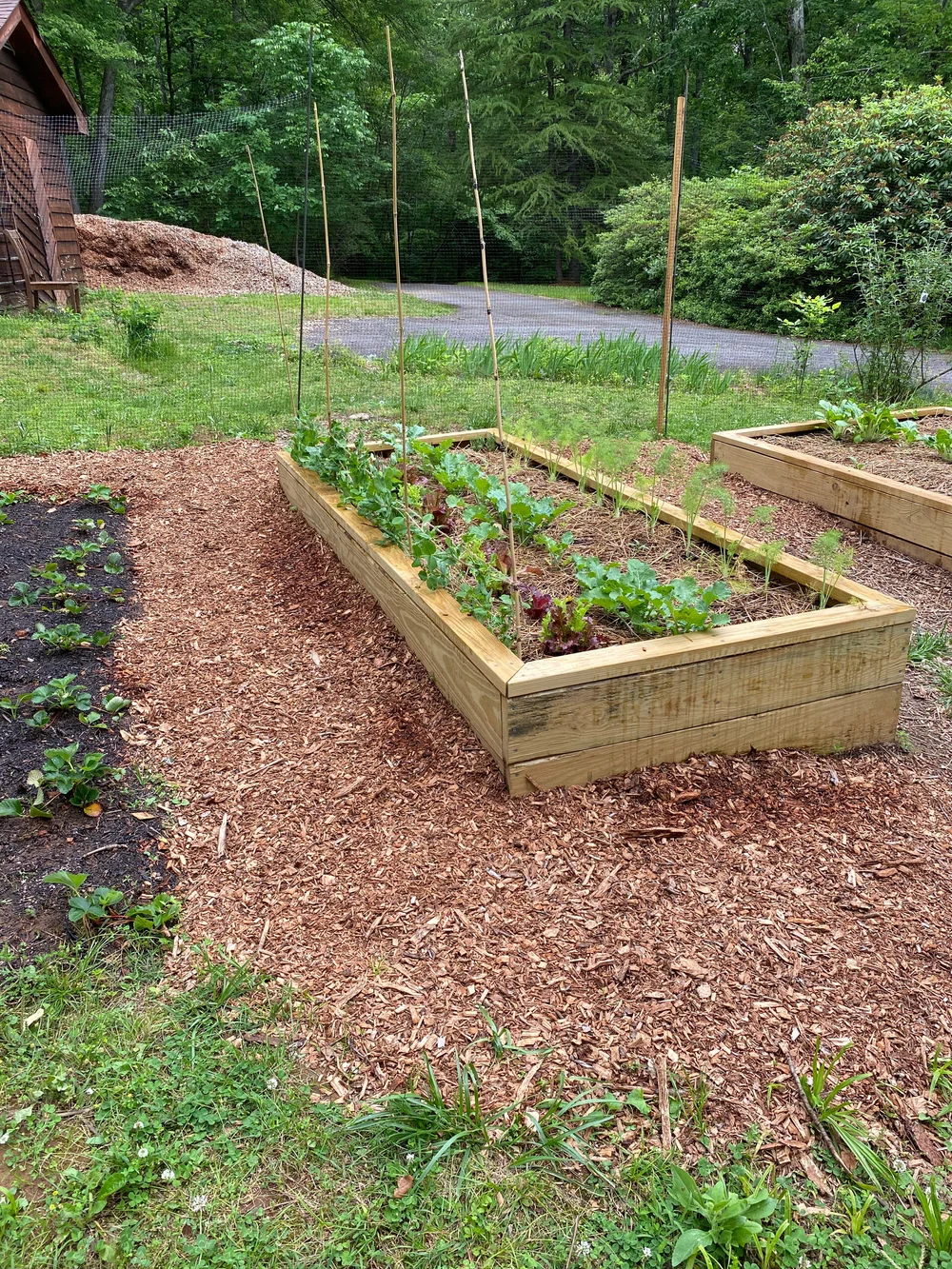
Raised beds can suffer damage from weather or pests. Fix cracks and loose boards quickly to keep beds stable and safe.
- Check wooden boards for rot or splinters and replace if needed.
- Tighten or replace screws and nails that have loosened.
- Seal wood with natural sealants to prevent water damage.
- Level the bed if soil settles unevenly.
- Clear weeds and roots that may push against the structure.
Credit: www.thunderbirddisco.com
Frequently Asked Questions
What Materials Are Best For Raised Garden Beds?
Wood, stone, brick, and metal are popular materials for raised beds. Cedar and redwood resist rot, lasting longer. Avoid treated wood with harmful chemicals. Choose materials that fit your budget and garden style for durability and aesthetics.
How Deep Should A Raised Garden Bed Be?
A depth of 12 to 18 inches suits most vegetables and herbs. Root crops may need 18 to 24 inches. Proper depth ensures good root growth, drainage, and soil health. Adjust depth based on the plants you want to grow.
Can I Build Raised Beds On Concrete Or Grass?
Yes, raised beds can be built on concrete or grass. Use a weed barrier or cardboard underneath to prevent weeds. Ensure proper drainage by adding holes or a gravel layer. This setup allows gardening in limited or poor soil areas.
How Often Should I Water Raised Garden Beds?
Water raised beds deeply 2 to 3 times a week. Frequency depends on weather, soil type, and plants. Early morning watering reduces evaporation. Consistent moisture helps plants grow healthy and strong. Avoid overwatering to prevent root rot.
Conclusion
Raised garden beds make growing plants easier and more fun. They improve soil quality and help water drain well. You can control weeds and pests better with raised beds. Building them does not take much time or skill. Start small and add more beds as you learn.
Enjoy fresh vegetables and flowers from your own garden. Gardening becomes less work and more joy. Try raised garden beds and see the difference yourself. Your garden will thank you with healthy, happy plants.