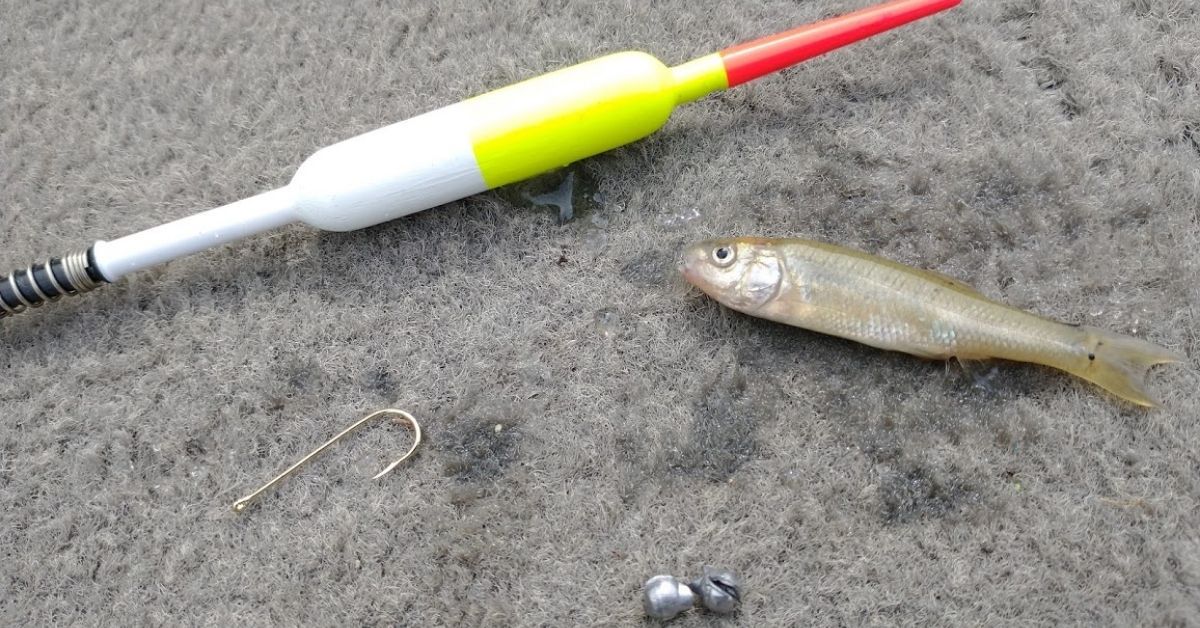
Have you ever struggled to keep your fishing bobber in place? Knowing how to tie a bobber on your fishing line the right way can make all the difference between a frustrating day and a successful catch.
Whether you’re a beginner or just need a quick refresher, this simple skill will help you fish smarter and more confidently. Keep reading, and you’ll learn an easy, step-by-step method that anyone can master—so you can spend less time fixing your line and more time enjoying the water.
Credit: mysterytacklebox.com
Choosing The Right Bobber
Picking the right bobber helps you catch more fish easily. It keeps your bait at the right depth and signals when a fish bites.
Different types of bobbers work best in different fishing spots and water conditions. Knowing which one to use can make your fishing more fun and successful.
Types Of Bobbers
Bobbers come in many shapes and sizes. Each type suits different fishing needs and styles.
- Round Plastic Bobbers:These are light and easy to use. Good for small fish and calm water.
- Slip Bobbers:These slide on the line. You can set the fishing depth easily.
- Cork Bobbers:Traditional and buoyant. Great for beginners and slow fishing.
- Stick Bobbers:Long and thin. They work well in moving water and show bites clearly.
Selecting Based On Fishing Conditions
Choosing a bobber depends on the water type, weather, and fish behavior. This table helps you pick the best bobber for different conditions.
| Condition | Best Bobber Type | Reason |
| Calm water | Round Plastic or Cork | Easy to spot and stable |
| Moving water | Stick Bobber | Shows bites clearly in currents |
| Deep water | Slip Bobber | Adjustable depth for better bait placement |
| Windy weather | Large Round Bobber | Better visibility and stability |
Tools And Materials Needed
Tying a bobber on a fishing line is simple if you have the right tools. These materials help you get ready for a good fishing experience.
Make sure you gather everything before you start. This way, the process is quick and easy.
Fishing Line And Bobber
You need a fishing line that fits your fishing style and a bobber that suits the fish you want to catch. The line should be strong but easy to tie.
- Nylon or monofilament fishing line
- Slip bobber or fixed bobber
- Bobber stop if using a slip bobber
- Swivel to prevent line twists
Additional Accessories
Besides the line and bobber, some extra tools make tying easier and more secure. These help you set up your fishing line correctly.
| Accessory | Purpose |
| Scissors or line cutters | Cut fishing line cleanly |
| Pliers | Hold small parts firmly |
| Bobber stop knots | Keep the bobber in place on the line |
| Extra hooks and sinkers | Attach bait and control depth |
Preparing The Fishing Line
Before you can tie a bobber, prepare your fishing line. This ensures a smooth fishing experience. Proper preparation helps avoid common problems.
Focus on two key tasks: measuring the line and clearing line twists. These steps make sure your line is ready for the bobber.
Measuring The Line
Accurate line measurement is vital. It affects how your bait moves in the water. Measure from the rod tip to where you want the bobber.
- Extend the line from the rod tip.
- Choose a length that matches water depth.
- Ensure the line is straight and untangled.
Clearing Line Twists
Line twists can cause knots and tangles. Clear them before attaching the bobber. This keeps your line from breaking.
Use the following steps to clear twists:
- Hold the rod steady.
- Gently pull the line through your fingers.
- Twist in the opposite direction of the tangle.
Step-by-step Bobber Tying Techniques
Tying a bobber on a fishing line helps control bait depth. It makes fishing easier and more effective.
There are several ways to attach a bobber. Each way works best for different fishing situations.
Pinch Bobber Method
The pinch bobber is a small, plastic bobber that clamps onto the line. It holds tight without extra knots.
To attach it, pinch the bobber open and slide it onto the fishing line. Then release to let it grip the line.
- Pinch the bobber to open it.
- Slide it to the desired spot on the line.
- Release to clamp it shut.
- Test by gently pulling the line.
Slip Bobber Method
A slip bobber moves freely on the line. It slides up and down to reach different depths.
Use a small bead and bobber stop above the slip bobber. This keeps it from sliding too far.
- Thread the line through the bobber hole.
- Add a bobber stop above the bobber.
- Put a small bead between the stop and bobber.
- Adjust the stop to set depth.
Using Bobber Stops
Bobber stops fix the bobber’s position on the line. They let you set exact fishing depth.
Use special thread or rubber stops. Tie or pinch them on the line before adding the bobber.
- Wrap or pinch the stop on the line.
- Slide the bobber down to the stop.
- Check the stop holds well but can be moved.
- Adjust the stop for different depths.
Securing The Knot
Tying a bobber on a fishing line needs a strong, secure knot. A good knot keeps the bobber in place and stops it from slipping.
Securing the knot properly helps you fish better. It makes sure your line stays steady and your bobber works well.
Common Knots For Bobbers
Some knots are easier and stronger for tying bobbers. These knots hold tight and are simple to learn.
- Improved Clinch Knot – strong and widely used for fishing lines
- Palomar Knot – easy and very reliable for light lines
- Uni Knot – versatile and simple to adjust
Practice these knots to find which one feels best for you. A good knot stops the bobber from sliding.
Tips For Tightening
Tightening your knot is key to keeping the bobber in place. Pull the line slowly and firmly to make the knot tight.
Wet the line with water or saliva before pulling. This reduces friction and helps the knot close smoothly.
- Make sure the knot is snug against the bobber
- Pull both ends of the line evenly
- Check the knot for any loose loops
- Trim excess line close to the knot

Credit: www.msn.com
Adjusting Bobber Depth
Adjusting the bobber depth is key to catching fish. It helps the bait float at the right level in the water.
Setting the right depth makes your fishing more effective. Fish are found at different water levels.
Determining Fish Depth
Find out where fish usually swim in the water. Some fish stay near the bottom, others near plants or the surface.
Ask local anglers or check fishing reports to learn about fish depth. Use this info to set your bobber depth.
- Shallow water: set bobber 1-3 feet deep
- Medium depth: set bobber 3-6 feet deep
- Deep water: set bobber 6+ feet deep
Sliding The Bobber
Sliding bobbers allow you to change depth easily. Slide the bobber up or down the line to the right spot.
After tying the bobber, test the depth by placing the bait in water. Adjust the bobber until the bait is at fish depth.
- Pinch the bobber to release it on the line
- Slide the bobber up for shallower depth
- Slide the bobber down for deeper depth
- Lock the bobber by pinching it again
Testing Your Setup
After tying a bobber on your fishing line, testing the setup is important. This helps ensure your rig works well in the water.
Two main checks help you confirm your setup: float stability and line sensitivity. These tests prepare you for better fishing results.
Float Stability Check
Check how steady your bobber sits on the water surface. It should float upright without tipping or sinking too deep.
- Place the bobber in a container with water.
- Observe if it stays vertical and balanced.
- If it leans or sinks, adjust the bobber position on the line.
- Make sure the bobber size fits your bait weight.
Line Sensitivity Test
Test how well your line transmits movements to the bobber. This affects your ability to feel fish bites.
| Test Action | Expected Result |
| Gently pull the line | Bobber moves smoothly without delay |
| Tug the line sharply | Bobber jerks or dips quickly |
| Let the line go slack | Bobber returns to stable float position |

Credit: www.youtube.com
Troubleshooting Common Issues
Tying a bobber on a fishing line is simple but can have some common problems. These issues can affect your fishing experience.
Here are tips to fix two common problems: bobber sliding unintentionally and line tangling.
Bobber Sliding Unintentionally
A bobber that slides down the line can cause wrong depth for your bait. It can make fishing harder and less effective.
Make sure the bobber stop or knot is tight. Use a small rubber stopper or a knot to keep the bobber in place.
- Check if the bobber stop is loose and tighten it.
- Tie a small knot above the bobber to hold it steady.
- Use a bobber with a clip that locks on the line.
- Test the bobber by pulling the line gently to see if it moves.
Line Tangling Problems
Tangled fishing lines slow you down and can break easily. Tangling often happens when you cast or tie the bobber wrong.
Keep the line straight and avoid wrapping it too much. Use smooth knots and check the line regularly to prevent tangles.
- Use simple knots like the improved clinch knot for tying.
- Keep the line tight and straight when attaching the bobber.
- Check for twists or loops before casting.
- Let the line out slowly to avoid sudden tangles.
Tips For Successful Bobber Fishing
Using a bobber makes fishing easier and more fun. It helps you see when a fish bites.
Good techniques improve your chances of catching fish with a bobber.
Casting Techniques
Cast your line smoothly to avoid spooking fish. Aim for quiet spots near weeds or logs.
- Hold the rod firmly but relaxed
- Release the line smoothly with your finger
- Practice short casts for accuracy
- Use light gear to make casting easier
Monitoring Bobber Movement
Watch the bobber closely to notice small movements. A sudden dip or sideways pull means a fish is biting.
| Bobber Movement | Meaning |
| Slow sinking | Fish nibbling bait |
| Quick dip below water | Fish has taken the bait |
| Sideways movement | Fish is swimming with bait |
| Bobber stays still | No fish interest |
Frequently Asked Questions
How Do You Tie A Bobber To A Fishing Line?
To tie a bobber, slide it onto the line first. Then, use a simple knot like the improved clinch knot below the bobber. Tighten the knot securely to prevent slipping. This setup ensures your bobber stays in place during fishing.
What Knot Is Best For Attaching A Bobber?
The improved clinch knot is ideal for attaching a bobber. It’s strong, easy to tie, and holds well on fishing lines. This knot helps keep the bobber in place without damaging the line, making your fishing experience more effective.
Can I Use Any Fishing Line To Tie A Bobber?
Yes, most fishing lines like monofilament or fluorocarbon work well for tying a bobber. Ensure your line matches the bobber’s size and weight for proper floatation and casting. Always check the line’s strength to avoid breakage.
Why Is It Important To Secure The Bobber Properly?
Securing the bobber properly ensures accurate float positioning. A loose bobber can slide on the line, giving false bite signals. A tight knot keeps the bobber stable, improving your chances of detecting fish bites effectively.
Conclusion
Tying a bobber on a fishing line is simple with practice. Start slow and follow the steps carefully. A secure knot keeps your bobber steady in water. This helps you spot fish bites easily. Keep checking your knot before each fishing trip.
Soon, tying a bobber will feel natural and quick. Enjoy your time fishing with confidence and ease. Practice makes fishing more fun and successful. Give it a try next time you go fishing!