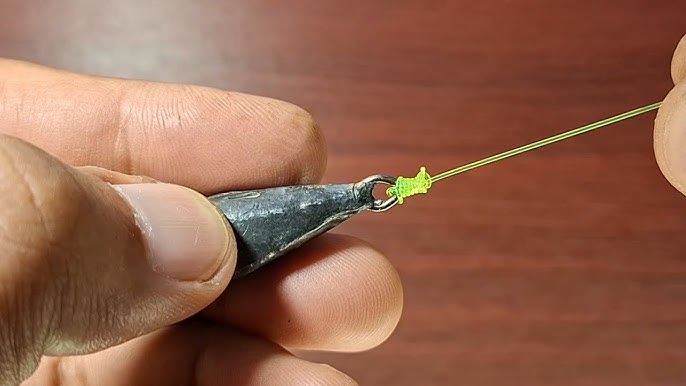
If you want to catch more fish, knowing how to attach a sinker to your fishing line is a skill you can’t skip. A properly attached sinker helps your bait reach the right depth and stay put, making your fishing experience smoother and more successful.
Whether you’re new to fishing or looking to improve your technique, this guide will show you simple, step-by-step methods to attach a sinker easily and securely. Keep reading, and you’ll be ready to fish like a pro in no time.
Choosing The Right Sinker
Choosing the right sinker is important for fishing success. A sinker helps your bait sink to the right depth.
Different sinkers work better in different fishing spots. This guide explains how to pick the best one.
Types Of Sinkers
Sinkers come in many shapes and sizes. Each type has a special use for fishing.
- Split shot sinkers: Small and round, easy to attach and remove.
- Egg sinkers: Oval shape, good for sliding on the line.
- Bank sinkers: Heavy with flat edges, stay in place on rocky bottoms.
- Pyramid sinkers: Pointed shape, hold well in sandy or muddy spots.
- Bullet sinkers: Shaped like a bullet, help bait move smoothly in water.
Selecting Based On Fishing Conditions
Pick a sinker based on water type, current, and bottom surface. This helps your bait stay where fish are.
Use lighter sinkers in calm water. Heavy sinkers work well in strong currents or deep water.
- Calm water: Use small split shot or egg sinkers for gentle sinking.
- Strong current: Choose bank or pyramid sinkers to hold your line steady.
- Rocky bottom: Bank sinkers avoid snagging and keep bait in place.
- Sandy or muddy bottom: Pyramid sinkers dig in and stop movement.
- Fishing from shore: Bullet sinkers help cast far and keep bait moving naturally.

Credit: mysterytacklebox.com
Preparing Your Fishing Line
Attaching a sinker to your fishing line starts with good preparation. Taking time to ready your line helps make your fishing more effective.
Focus on cutting the line properly and choosing the best spot to attach your sinker. These steps improve your setup and reduce problems while fishing.
Cutting And Inspecting The Line
First, cut your fishing line to the right length. Use sharp scissors or a line cutter to make a clean cut. A clean cut helps prevent frays that weaken the line.
- Check the line for any damage or weak spots before cutting.
- Remove any knots or tangles to avoid line breakage.
- Ensure the line is dry to keep knots tight.
- Cut away old or worn sections of the line.
Choosing The Attachment Point
Pick the right place on the line to attach the sinker. This spot affects how your bait moves and how well you feel a bite.
| Attachment Point | Purpose | Tip |
| Near the hook | Improves bait stability | Use small sinkers to avoid scaring fish |
| Several inches above the hook | Allows bait to move freely | Use sliding sinkers for better movement |
| Far from the hook | Keeps bait natural and light | Good for bottom fishing |
Attaching The Sinker
Attaching a sinker to your fishing line is important for casting and reaching desired depths. Different sinkers suit various fishing conditions.
In this guide, we will explore three common methods: using slip sinkers, tying with split shot sinkers, and securing egg sinkers.
Using Slip Sinkers
Slip sinkers are versatile and allow the line to move freely. This can help detect bites easily.
| Step | Description |
| 1 | Thread the line through the sinker. |
| 2 | Add a bead below the sinker. |
| 3 | Tie a swivel below the bead. |
Tying With Split Shot Sinkers
Split shot sinkers are small and easy to attach. They are great for light tackle fishing.
- Pinch the sinker onto the line.
- Space them out evenly for better balance.
- Use pliers for a secure fit if needed.
Securing Egg Sinkers
Egg sinkers are ideal for bottom fishing. They have a hole through the middle for easy attachment.

Credit: www.amazon.ca
Testing The Attachment
After attaching a sinker to your fishing line, you need to check if it is secure. Testing the attachment helps avoid losing the sinker or your catch.
Try simple tests to make sure the sinker stays in place during fishing. This ensures better control and safety.
Checking For Slippage
Hold the line near the sinker and pull gently. The sinker should not move or slide along the line.
If the sinker slides down easily, the attachment is loose. You need to tighten or reattach it.
- Grab the line close to the sinker
- Pull the sinker gently downward
- Watch for any movement or sliding
- Ensure the sinker stays firmly in place
Adjusting The Position
You can move the sinker up or down the line to control fishing depth. Adjust the position if needed after testing.
Slide the sinker to the desired spot and test again. Keep adjusting until it stays put and suits your fishing plan.
- Slide the sinker slowly along the line
- Stop where you want to fish
- Test the attachment by pulling gently
- Repeat until the sinker holds well
Tips For Different Fishing Techniques
Attaching a sinker to your fishing line changes how your bait moves in the water. Different fishing styles need different sinker setups.
Knowing the right way to add sinkers helps you catch more fish. It also keeps your line from tangling or breaking.
Bottom Fishing Setup
Bottom fishing means your bait stays near the sea or lake floor. A sinker must hold the bait down without pulling too hard.
Use a slip sinker that slides on the line. Attach a swivel and leader below it to keep your bait free to move.
- Choose a sinker weight that suits the current strength
- Attach the sinker above a swivel to avoid line twist
- Keep the leader length short to reduce tangles
Casting And Drift Fishing
For casting, use sinkers that help your bait fly far and land softly. Egg or bell sinkers work well.
Drift fishing needs sinkers that let your bait move naturally with the water flow. Use lighter sinkers for slow drifts.
- Pick sinkers that fit your rod and reel power
- Use quick-change sinkers for easy weight adjustment
- Attach the sinker close to the bait for better control

Credit: www.reddit.com
Frequently Asked Questions
How Do You Attach A Sinker To A Fishing Line?
To attach a sinker, thread the line through the sinker’s hole first. Then tie a secure knot below the sinker to hold it in place. This setup helps the sinker slide or stay fixed depending on fishing needs.
What Knot Is Best For Tying A Sinker?
The improved clinch knot is ideal for attaching sinkers. It’s strong, reliable, and easy to tie. This knot prevents the sinker from slipping and keeps your fishing line secure during casting and reeling.
Can You Use Any Sinker For All Fishing Types?
No, sinker types vary by fishing style. Choose weights and shapes based on water depth, current, and target fish. Using the correct sinker improves casting distance and bait presentation.
Should The Sinker Be Fixed Or Sliding On The Line?
It depends on fishing technique. Fixed sinkers keep bait steady near the bottom. Sliding sinkers allow fish to bite without feeling resistance. Choose based on the fish behavior and fishing environment.
Conclusion
Attaching a sinker to your fishing line helps keep bait in the right spot. Use simple knots for a strong hold. Choose the right sinker weight based on water conditions. Practice a few times to feel confident. This small step can improve your fishing experience a lot.
Enjoy your time by the water and catch more fish. Keep these tips in mind for your next trip. Fishing becomes easier with the right setup. Try different methods to find what works best for you.