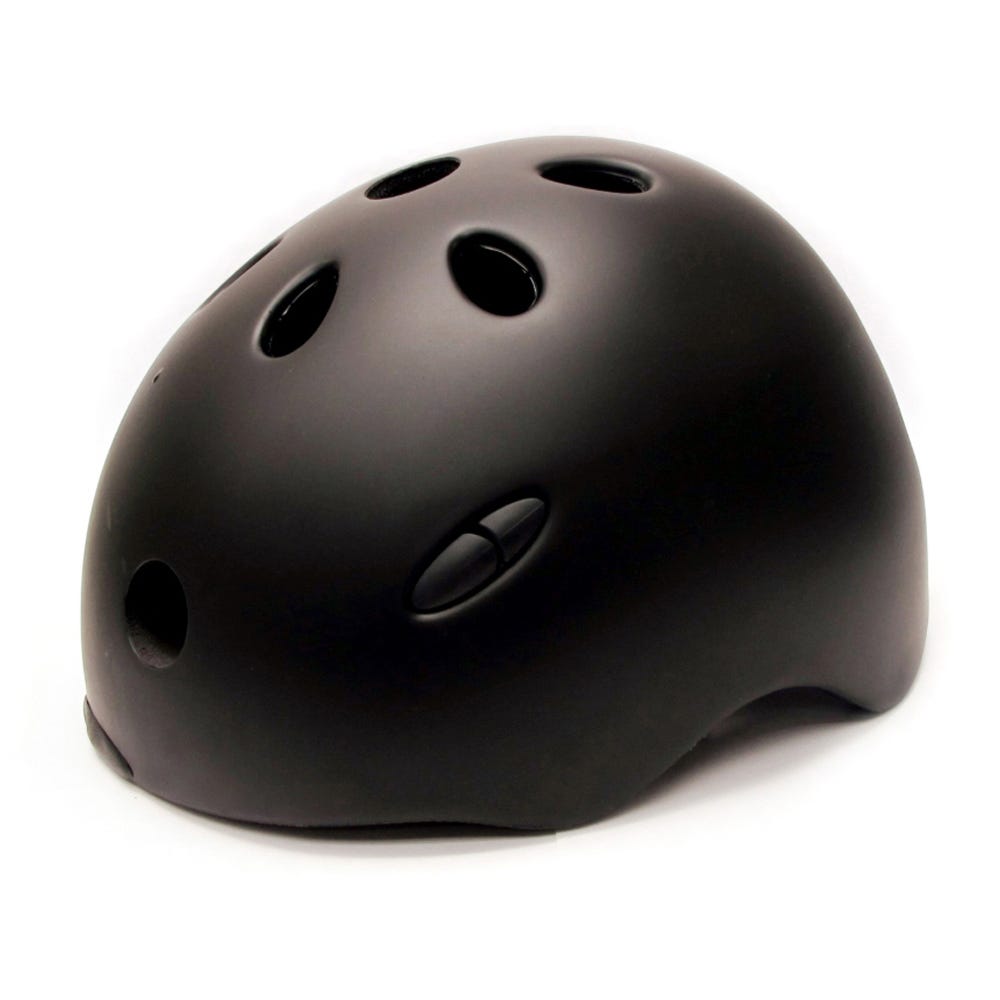
Have you ever wondered when bike helmets first came into use? If you ride a bike, your helmet is one of the most important pieces of gear protecting you every time you hit the road.
But do you know how long helmets have been keeping riders safe? Understanding the history of bike helmets can change the way you see this simple, yet vital, piece of equipment. Keep reading to discover the fascinating story behind bike helmets and why they became a must-have for every cyclist like you.
Early Head Protection
People have protected their heads for thousands of years. Early helmets kept warriors safe in battle. These helmets inspired safety gear for other activities later.
Before bike helmets, people used many types of head protection. These helped reduce injuries and shaped modern designs.
Ancient And Medieval Helmets
Ancient helmets were made from leather, bronze, or iron. Soldiers wore these helmets to protect their heads from weapons. Many designs covered the skull and sometimes the face.
In medieval times, knights wore heavy metal helmets. These helmets often had visors to shield the eyes. The helmets were strong but heavy to wear.
- Greek Corinthian helmet: made of bronze, covered the whole head
- Roman galea: had cheek guards and a neck guard
- Medieval great helm: fully enclosed, used in battles and tournaments
Pre-bicycle Safety Gear
Before bike helmets, people used simple head protection for riding horses or early bikes. These were soft caps or leather helmets to reduce head bumps.
The first hard helmets for cycling appeared in the early 1900s. They were made from leather and helped protect riders from falls.
- Leather helmets: lightweight, used by cyclists and motorcyclists
- Early military helmets influenced bike helmet shapes
- Hard shells started to appear by mid-1900s for better safety

Credit: www.cyclingnews.com
Birth Of The Bicycle
The bicycle is a popular mode of transport and fun activity. It started in the early 19th century.
People soon realized riding bicycles could be risky without protection. This led to the idea of helmets.
First Bicycles And Riding Risks
The first bicycles were called velocipedes or “boneshakers.” They had wooden wheels and no pedals.
These early bikes were hard to control and had no brakes. Riders often fell and got hurt.
- Rough roads made riding dangerous
- High speed could cause falls
- No safety gear was available
- Head injuries were common
Initial Attempts At Head Protection
At first, riders used hats or cloth caps to protect their heads. These offered little real safety.
Later, inventors made simple helmets with leather and padding. These helmets helped reduce head injuries.
- Leather helmets appeared in the early 1900s
- Padded designs aimed to absorb impact
- Helmets were bulky but better than nothing
- They started gaining acceptance among riders
First Modern Bike Helmets
The first modern bike helmets appeared in the early 20th century. They were designed to protect cyclists during their rides.
These helmets have evolved over the years in both design and materials. Let’s explore how they came to be.
Early 20th Century Innovations
During the early 1900s, helmets started gaining attention. Cyclists needed protection for their heads.
- Leather strips were used as early helmet materials.
- These helmets were basic but offered some protection.
- Innovation continued as cycling became more popular.
Materials And Design Evolution
Over time, the materials and design of bike helmets improved. Modern helmets are lightweight and strong.
| Material | Era |
| Leather | Early 1900s |
| Polystyrene Foam | 1970s |
| Composite Materials | 2000s |
Helmet Popularity Growth
Bike helmets have become more popular over the years. People now understand their importance in protecting riders.
Many factors helped helmets become common gear for cyclists worldwide.
Safety Campaigns And Awareness
Safety campaigns played a big role in growing helmet use. They teach riders and parents why helmets matter.
- Schools include helmet safety in lessons
- Governments run public service ads
- Communities hold helmet giveaways
- Helmet laws encourage wearing them
Influence Of Professional Cycling
Professional cyclists wearing helmets helped change opinions. Fans saw their heroes use helmets in races.
| Year | Event | Helmet Impact |
| 1970s | First pro helmets introduced | Slow acceptance |
| 1990s | Helmet rules in races | Higher visibility |
| 2000s | Top racers always wear helmets | Boosted popularity |
Technological Advances
Bike helmets have come a long way since they were first made. Technology has helped make helmets safer and more comfortable.
New materials and designs have improved how helmets protect riders and feel on the head.
Introduction Of Foam And Lightweight Materials
Early bike helmets were heavy and made from hard materials. This made them uncomfortable to wear for long times.
The use of foam inside helmets helped absorb shocks better. Lightweight plastics made helmets easier to carry.
- Expanded polystyrene foam absorbs impact energy
- Polycarbonate shells provide strong outer protection
- Lightweight materials reduce strain on the neck
Aerodynamics And Comfort Enhancements
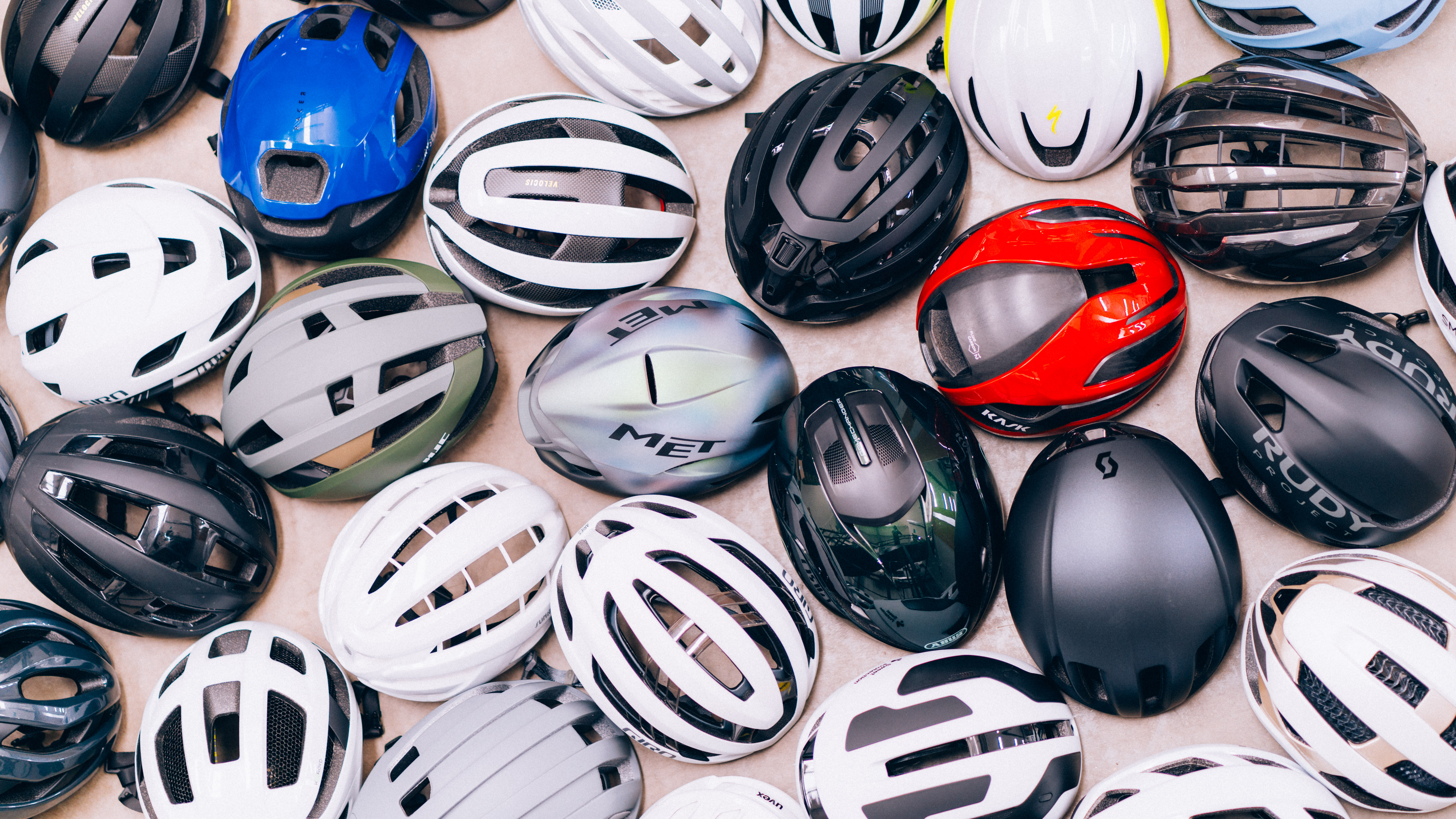
Designers worked to make helmets more aerodynamic. This helps riders go faster with less wind resistance.
Ventilation systems were added to keep riders cool. Padding improved comfort and fit during rides.
- Streamlined shapes reduce air drag
- Air vents improve airflow inside the helmet
- Soft padding cushions the head and prevents pressure points
Credit: www.cyclingnews.com
Legislation And Standards
Bike helmets became popular in the 1970s to protect riders’ heads. Over time, laws and rules started to require helmets for safety. These laws help reduce injuries and save lives on the road.
Standards and testing also play a key role. They ensure helmets meet safety levels before people use them. This protects riders from weak or unsafe helmets.
Helmet Laws Around The World
Different countries have different rules about bike helmets. Some require all riders to wear helmets. Others only require children to wear them. Some places do not have any helmet laws.
- Australia: Helmet use is mandatory for all riders and passengers.
- United States: Laws vary by state; many require helmets for children only.
- United Kingdom: No national helmet law, but use is recommended.
- Japan: Helmets required for children under 13 years old.
- Germany: No helmet law for cyclists, but helmets are encouraged.
Safety Testing And Certifications
Safety testing checks how well helmets protect during crashes. Certification means a helmet passed these tests. Certified helmets give riders better protection and peace of mind.
| Certification | Region | Purpose |
| CPSC | USA | Ensures helmets protect against impacts |
| EN 1078 | Europe | Sets safety requirements for bike helmets |
| AS/NZS 2063 | Australia/New Zealand | Tests helmets for impact and penetration |
| JIS T 8133 | Japan | Specifies safety standards for helmets |
Current Trends And Future
Bike helmets have changed a lot since they were invented. Today, they do more than just protect your head. New technology and design make helmets safer and smarter. These changes help riders stay safe and connected.
The future of bike helmets looks bright. New features and better materials keep improving. Let’s explore smart helmets and new design ideas that help protect riders better.
Smart Helmets And Integrated Tech
Smart helmets use technology to add extra safety and convenience. They can have built-in lights, speakers, and even GPS. These features help riders stay aware and communicate without stopping.
Some helmets connect to smartphones. This lets riders take calls or listen to music safely. Others have sensors that detect crashes and send alerts for help. This technology can save lives in emergencies.
- Built-in Bluetooth speakers for calls and music
- LED lights for better visibility at night
- GPS navigation to guide riders
- Crash detection with emergency alerts
- Voice control to keep hands free
Design Innovations For Better Safety
Helmet designs now focus on comfort and strong protection. New materials absorb impacts better and weigh less. This makes helmets easier to wear for longer rides.
Some helmets use special layers that reduce brain injuries. Ventilation systems keep the head cool. Adjustable straps and shapes fit different head sizes well.
- Multi-layer impact protection for better shock absorption
- Lightweight materials for comfort
- Improved ventilation to keep riders cool
- Adjustable fit systems for all head shapes
- Bright colors and reflective parts for visibility

Credit: www.bellhelmets.com
Frequently Asked Questions
When Were Bike Helmets First Invented?
Bike helmets were first invented in the early 20th century. The earliest versions appeared around the 1910s. They were designed mainly for motorcycle riders. Modern bicycle helmets evolved much later with improved safety features.
Who Invented The First Bike Helmet?
The first bike helmet was invented by Dr. C. F. “Red” Allen in the 1910s. He created a leather helmet for motorcyclists. His design was the foundation for future helmet safety improvements.
How Have Bike Helmets Evolved Over Time?
Bike helmets evolved from simple leather caps to advanced protective gear. Modern helmets use foam padding and hard shells. They focus on impact absorption and ventilation. This evolution significantly improved rider safety.
Why Are Bike Helmets Important?
Bike helmets protect riders from head injuries during crashes. They reduce the risk of serious brain trauma. Wearing a helmet increases cycling safety. It is often required by law in many regions.
Conclusion
Bike helmets have been protecting riders for over a century. They started as simple leather caps and evolved into strong, lightweight gear. Wearing a helmet reduces the risk of head injuries. Safety standards keep improving helmet design every year. Choosing the right helmet means better comfort and protection.
Always wear a helmet when you ride your bike. Your head deserves the best care possible. Stay safe and enjoy your cycling adventures.