
Are you waking up with sharp pain in your heel that slowly spreads to your ankle? You might wonder if plantar fasciitis could be the reason behind your discomfort.
Plantar fasciitis is often linked to heel pain, but can it also cause ankle pain? Understanding this connection is key to finding relief and getting back on your feet without constant aches. Keep reading to discover how plantar fasciitis affects your ankle and what you can do to ease the pain.
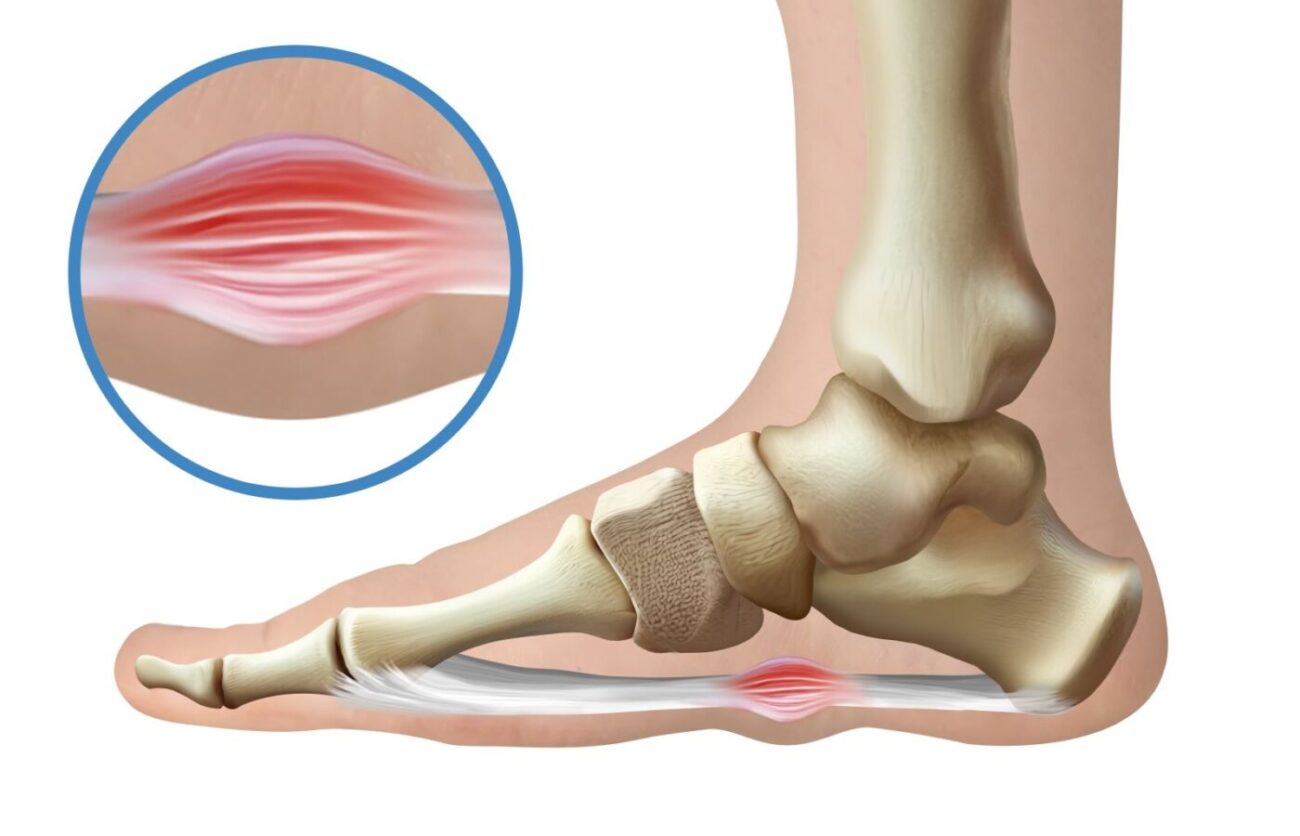
Credit: axespt.com
What Is Plantar Fasciitis
Plantar fasciitis is a common foot problem. It causes pain in the heel and bottom of the foot.
This condition happens when the plantar fascia, a thick band of tissue, gets inflamed or torn.
What Is The Plantar Fascia
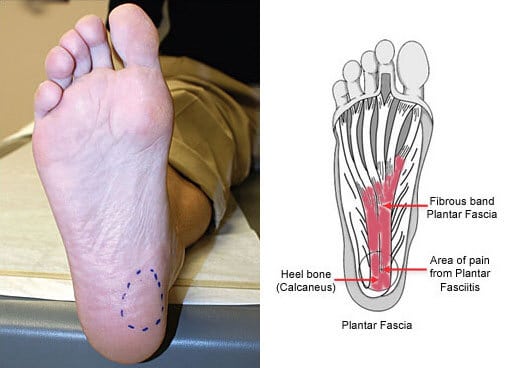
The plantar fascia is a strong band of tissue under your foot. It connects your heel bone to your toes.
This tissue supports the arch of your foot and helps you walk properly.
How Does Plantar Fasciitis Develop
Plantar fasciitis happens when the plantar fascia is stretched too much. Small tears can form and cause pain.
It often affects people who stand or walk a lot, or those with flat feet or high arches.
Symptoms Of Plantar Fasciitis
People with plantar fasciitis usually feel sharp heel pain. The pain is worse in the morning or after resting.
- Pain near the heel or arch of the foot
- Stiffness after sitting or sleeping
- Discomfort after walking or standing for long
Common Symptoms Of Plantar Fasciitis
Plantar fasciitis causes pain in the foot’s bottom. It happens when the plantar fascia, a thick band of tissue, gets irritated.
Many people wonder if this condition also causes ankle pain. Understanding symptoms helps know what to expect.
Heel Pain
The most common symptom is sharp pain in the heel. This pain is usually worse in the morning or after resting.
Pain After Exercise
Exercise might not hurt during the activity. Pain often increases right after stopping exercise or walking.
Stiffness And Tenderness
The foot may feel stiff and tender. Touching the bottom of the heel can cause discomfort.
Possible Ankle Pain
Sometimes, plantar fasciitis causes pain near the ankle. This happens if the pain spreads or if the foot changes how it moves.
- Swelling near the inner ankle
- Dull ache around the ankle bone
- Difficulty walking due to ankle discomfort
Changes In Walking Pattern
To avoid heel pain, some people walk differently. This can strain the ankle and cause pain there.
| Symptom | Description |
| Heel Pain | Sharp pain at the bottom of the heel, worse in the morning |
| Pain After Exercise | Increased pain following physical activity |
| Stiffness | Tightness and soreness in the heel area |
| Ankle Pain | Dull or sharp pain near the ankle due to altered walking |
| Walking Changes | Gait changes to reduce foot pain, which may strain the ankle |
Connection Between Plantar Fasciitis And Ankle Pain
Plantar fasciitis is a common foot problem that causes heel pain. It happens when the plantar fascia, a thick band of tissue, gets irritated. Many people ask if plantar fasciitis can also cause ankle pain.
The answer is yes. The pain from plantar fasciitis can affect the ankle. This happens because the foot and ankle work closely together. Understanding this connection helps with better treatment.
How Plantar Fascia Affects The Ankle
The plantar fascia supports the arch of the foot. When it is damaged, the foot’s structure changes. This can cause the ankle to move differently.
Changes in foot movement put extra stress on the ankle. The ankle muscles and joints work harder to keep balance. This can lead to pain and discomfort in the ankle area.
- Plantar fascia injury changes foot mechanics
- Altered foot movement stresses the ankle joint
- Extra work causes ankle muscle fatigue and pain
Inflammation And Its Impact On Surrounding Areas
Inflammation occurs when the plantar fascia is injured. This swelling can spread to nearby tissues. The ankle area may become inflamed too.
Inflammation reduces ankle flexibility. It may cause stiffness and pain around the ankle. This makes walking and standing harder than usual.
- Plantar fascia inflammation can reach ankle tissues
- Swelling limits ankle movement
- Stiffness and pain affect daily activities
Credit: ankleandfootcentre.com.au
Other Causes Of Ankle Pain To Consider
Ankle pain can have many causes. While plantar fasciitis is one, others exist too. Understanding these causes helps in managing pain effectively.
Identifying the exact cause of ankle pain is important. This guide covers tendonitis, ligament injuries, arthritis, and joint issues.
Tendonitis And Ligament Injuries
Tendonitis happens when tendons in the ankle get inflamed. It can cause swelling and pain, making movement difficult.
Ligament injuries occur from twisting or overstretching. These injuries can lead to sprains or tears, causing severe discomfort.
- Rest and ice help reduce swelling
- Compression bandages provide support
- Gentle exercises aid recovery
Arthritis And Joint Issues
Arthritis affects the joints, leading to pain and stiffness. It can make walking and standing very painful.
Joint issues may result from wear and tear. These problems often worsen with age, causing chronic ankle pain.
- Medication can relieve pain
- Physical therapy improves joint function
- Supportive footwear reduces stress
Diagnosis Methods For Plantar Fasciitis And Ankle Pain
Plantar fasciitis can cause pain in the heel and sometimes the ankle. Doctors need to find out if the pain comes from plantar fasciitis or another problem.
Doctors use several ways to check the foot and ankle. These methods help to find the exact cause of pain.
Physical Examination
Doctors start with a physical exam to check the foot and ankle. They look for pain spots and how the foot moves.
The exam includes pressing the heel and arch to find tender areas. Doctors also watch how you walk and stand.
- Check for pain when pressing the heel
- Look for swelling or redness around the ankle
- Watch foot movement during walking
- Test ankle flexibility and strength
Imaging Tests
Imaging tests help to see bones and tissues inside the foot and ankle. These tests show any damage or inflammation.
Common imaging tests include X-rays and ultrasound. X-rays check for bone problems. Ultrasound shows the plantar fascia and soft tissues.
- X-rays reveal bone spurs or fractures
- Ultrasound shows thickening of the plantar fascia
- MRI scans provide detailed images of soft tissues
- Imaging helps rule out other causes of ankle pain

Credit: backinmotion.com.au
Treatment Options For Plantar Fasciitis With Ankle Pain
Plantar fasciitis can cause pain not only in the heel but also around the ankle. Treating this condition early helps reduce discomfort. There are several ways to manage the pain and improve foot function.
This guide covers common treatment options, focusing on rest, physical therapy, orthotic supports, footwear, medications, and injections.
Rest And Physical Therapy
Rest is crucial to allow the inflamed plantar fascia to heal. Avoiding long walks or standing for hours reduces stress on the foot.
- Apply ice to the heel and ankle to reduce swelling
- Perform gentle stretching exercises for the calf and foot
- Try physical therapy sessions to strengthen foot muscles
- Use massage to relieve tightness around the ankle
Orthotic Supports And Footwear
Proper footwear and orthotic supports help reduce strain on the plantar fascia and ankle. They provide cushioning and improve foot alignment.
| Type of Support | Benefit |
| Custom Orthotics | Correct foot position and reduce pressure |
| Arch Supports | Provide extra cushioning and stability |
| Shock-Absorbing Shoes | Absorb impact during walking or running |
| Heel Cups | Reduce heel pain by cushioning |
Medications And Injections
Medications can help ease pain and reduce inflammation in the plantar fascia and ankle. Injections may be used for more severe cases.
- Over-the-counter pain relievers like ibuprofen or acetaminophen
- Corticosteroid injections to reduce inflammation
- Topical anti-inflammatory creams applied to the ankle area
- Consult a doctor before using any medication or injection
Preventing Ankle Pain Related To Plantar Fasciitis
Plantar fasciitis can cause pain not only in the heel but also around the ankle. This happens because the foot tries to adjust for the pain, leading to stress on the ankle. Taking steps to prevent ankle pain helps improve comfort and mobility.
Simple exercises and the right footwear can reduce the risk of ankle pain linked to plantar fasciitis. These methods support foot strength and proper alignment.
Stretching And Strengthening Exercises
Regular stretching and strengthening can ease tension in the foot and ankle. This helps reduce pain and improves stability.
- Calf stretches: Stand facing a wall and push your heel down.
- Plantar fascia stretch: Pull your toes back toward your shin while sitting.
- Toe curls: Pick up small objects with your toes to build foot muscles.
- Heel raises: Lift your body using your toes, then lower slowly.
Proper Footwear Choices
Choosing the right shoes helps support the arch and ankle. Shoes with good cushioning and fit reduce strain on the foot.
| Footwear Feature | Benefit |
| Arch support | Prevents foot flattening |
| Cushioned sole | Absorbs shock and pressure |
| Firm heel counter | Stabilizes the ankle |
| Proper fit | Reduces friction and blisters |
Frequently Asked Questions
Can Plantar Fasciitis Cause Ankle Pain?
Yes, plantar fasciitis can cause ankle pain due to inflammation near the heel. The pain often radiates to the ankle, especially after walking or standing for long periods.
How To Differentiate Plantar Fasciitis From Ankle Injury?
Plantar fasciitis pain is usually sharp in the heel and worse in the morning. Ankle injuries cause swelling, bruising, and pain around the ankle joint, often after trauma.
What Treatments Relieve Ankle Pain From Plantar Fasciitis?
Rest, ice, stretching exercises, and proper footwear help relieve ankle pain. Orthotic inserts and anti-inflammatory medications also reduce inflammation and discomfort effectively.
When To See A Doctor For Ankle Pain From Plantar Fasciitis?
See a doctor if pain persists beyond a few weeks, worsens, or limits mobility. Early diagnosis prevents complications and ensures appropriate treatment.
Conclusion
Plantar fasciitis often causes pain not only in the heel but also near the ankle. This happens because the inflammation can affect nearby tissues and joints. Pain around the ankle may feel sharp or achy, especially after walking or standing.
Treating plantar fasciitis early helps reduce ankle discomfort. Stretching, rest, and proper shoes can ease symptoms. Ignoring pain might lead to more problems. Listen to your body and take action to feel better soon.