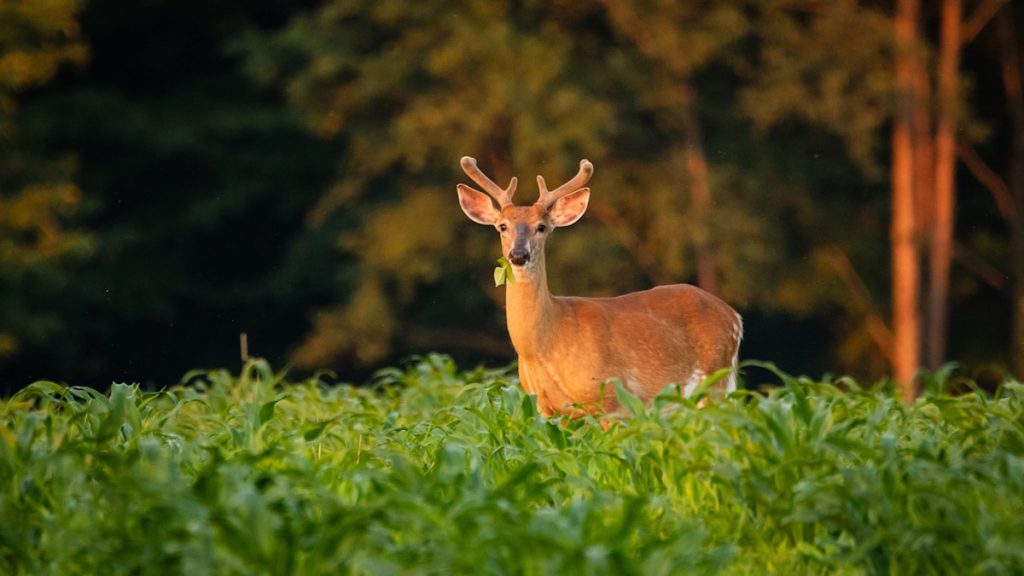
If you want to attract more deer to your land and improve your chances for a successful hunt, planting a food plot is one of the best moves you can make. But where do you start?
How do you choose the right plants, prepare the soil, and time everything just right? You might feel overwhelmed, but don’t worry—this guide will walk you through every step. By the end, you’ll know exactly how to create a thriving food plot that keeps deer coming back year after year.
Ready to boost your hunting game and see real results? Let’s dive in.

Credit: www.youtube.com
Choosing The Right Location
Picking the right spot is key to growing a good food plot for deer. The location affects how well plants grow and how easily deer find the plot.
Look for places that support healthy plants and attract deer naturally. This helps your food plot succeed.
Soil Quality And Drainage
Good soil is rich in nutrients and drains water well. Avoid spots with heavy clay or constant standing water.
Check the soil by digging a small hole. See if the water drains quickly or stays pooled on top.
- Loamy soil is best for food plots
- Well-drained soil prevents root rot
- Test soil pH to ensure it suits your plants
Sunlight Exposure
Deer food plants need plenty of sunlight to grow. Choose a spot that gets at least six hours of sun each day.
A shaded location slows plant growth and lowers food quality. Open areas with direct sun work best.
- Full sun helps plants produce more leaves
- Avoid dense forests that block sunlight
- Edge areas between woods and fields offer good light
Proximity To Deer Habitats
Place your food plot close to places where deer live and rest. This makes it easier for deer to find your plants.
Look near thick cover or bedding areas. Deer feel safe near these spots and will visit the plot more often.
- Near brushy woods or thickets
- Close to water sources like streams or ponds
- Avoid open fields far from cover
Selecting Ideal Seeds
Choosing the right seeds is key to planting a successful food plot for deer. Ideal seeds grow plants that attract and feed deer well.
Good seed choices depend on your soil, climate, and the time of year you plant. Pick seeds that match these conditions.
Best Deer Food Plot Plants
Some plants are favorites for deer and grow well in food plots. These plants provide good nutrition and keep deer coming back.
- Clovers – Rich in protein and easy to grow
- Chicory – Deep roots and tasty leaves
- Brassicas – Includes turnips, radishes, and kale
- Alfalfa – High protein and good for many soils
- Winter wheat – Provides food in colder months
Seasonal Seed Options
Different seeds grow best in different seasons. Plant seeds that match the time of year to get the best results.
- Spring – Clover, alfalfa, and chicory
- Summer – Soybeans and millets
- Fall – Brassicas like turnips and radishes
- Winter – Winter wheat and rye
Mixing Seeds For Diversity
Mixing different seed types helps create a diverse food plot. Diversity attracts more deer and offers varied nutrition.
Combine grasses, legumes, and brassicas for better soil and longer feeding periods.
- Legumes: clover, alfalfa
- Grasses: winter wheat, rye
- Brassicas: turnips, radishes, kale
Preparing The Soil
Preparing the soil is the first step in planting a food plot for deer. Good soil helps plants grow strong and healthy.
Proper soil preparation improves seed germination and plant growth. It also helps attract more deer to your plot.
Clearing And Tilling
Clear the area by removing grass, weeds, and rocks. This gives your seeds space to grow without competition.
Use a tiller or plow to break up the soil. Tilling loosens the soil and mixes organic matter evenly.
Soil Testing And Amendments
Test your soil to check its pH and nutrient levels. Soil tests help you know what your soil needs.
- Collect soil samples from different spots in your plot
- Send samples to a local extension office or lab
- Follow their recommendations for lime or other amendments
Fertilizing Tips
Fertilize your soil to provide nutrients for fast plant growth. Use fertilizers based on your soil test results.
| Fertilizer Type | When to Apply | Amount per 1000 sq ft |
| Nitrogen (N) | Early spring and mid-summer | 1 to 1.5 pounds |
| Phosphorus (P) | At planting | 0.5 to 1 pound |
| Potassium (K) | At planting and mid-summer | 1 to 1.5 pounds |

Credit: www.youtube.com
Planting Techniques
Planting a food plot for deer needs care and proper methods. Good planting helps plants grow strong and attracts deer.
This guide explains key techniques: seeding methods, the best time to plant, and how to water your plot correctly.
Seeding Methods
Choose a seeding method that fits your soil and tools. You can broadcast seed by hand or use a seed spreader for even coverage.
- Broadcast seeding: Spread seeds evenly over the soil surface.
- Drill seeding: Use a drill to place seeds deeper in rows.
- Row planting: Plant seeds in straight rows for easy maintenance.
- Cover seeds lightly with soil to protect them from birds and wind.
Optimal Planting Time
Plant your food plot at the right time for best growth. Timing depends on the seed type and local climate.
| Seed Type | Best Planting Month |
| Cool-season grasses | September – October |
| Warm-season grasses | April – June |
| Legumes (clover, peas) | Early Spring or Late Summer |
| Brassicas (turnips, radishes) | Late Summer – Early Fall |
Watering Practices
Water new seeds gently to keep soil moist. Avoid washing seeds away with strong water flow.
Follow this watering schedule for your food plot:
- Water lightly every day for the first two weeks.
- Reduce watering to twice a week after seedlings appear.
- Water early in the morning or late in the evening to save water.
Maintaining Your Food Plot
Keeping your food plot healthy helps attract and feed deer. Regular care improves plant growth and soil quality. Proper maintenance also protects your investment in the land.
Focus on controlling weeds, watching plant progress, and managing animal impact. Each step is important for a thriving food plot.
Weed Control Strategies
Weeds compete with your food plot plants for water, light, and nutrients. Removing them early helps your crops grow better. Use both manual and chemical methods to control weeds.
- Pull weeds by hand or use a hoe for small areas.
- Apply herbicides designed for your crop type carefully.
- Mow weeds before they produce seeds.
- Use mulch or cover crops to reduce weed growth.
Monitoring Growth
Check your food plot regularly to track plant health and development. Look for signs of nutrient deficiency, pests, or disease. Timely action keeps your plot productive.
| Task | What to Check | Frequency |
| Inspect plants | Leaf color, size, damage | Weekly |
| Soil moisture | Dry or wet soil | Twice a week |
| Weed presence | New weed growth | Weekly |
| Pest activity | Insects or animal damage | Weekly |
Managing Wildlife Impact
Deer and other animals eat plants in your food plot. Protect crops from overfeeding to keep the plot productive. Use fences or repellents to control animal damage.
- Install fencing to keep out large animals.
- Use natural repellents to discourage browsing.
- Rotate planting areas to allow recovery.
- Monitor damage and adjust protection methods.

Credit: www.youtube.com
Maximizing Attractiveness To Deer
Creating a food plot for deer can be rewarding. The goal is to make it attractive to them.
Deer seek areas with food and cover. By balancing these, you increase their visit frequency.
Creating Food And Cover Balance
Balance is key in a food plot. You want to provide both food and cover for deer.
- Plant a mix of clover and chicory for food.
- Include shrubs or tall grasses for cover.
- Ensure some trees are nearby for shade.
Using Mineral Supplements
Mineral supplements can help deer grow strong. They are especially important during certain seasons.
| Season | Mineral Needed |
| Spring | Calcium |
| Summer | Phosphorus |
| Fall | Sodium |
Timing For Peak Deer Activity
The timing of planting affects deer activity. Planting in sync with their activity peaks is crucial.
Observe local deer activity to time your planting. Most active times are dawn and dusk.
Frequently Asked Questions
What Is The Best Time To Plant A Deer Food Plot?
The best time to plant a deer food plot is early spring or late summer. These seasons provide optimal soil temperature and moisture for seed germination and growth.
Which Seeds Are Ideal For A Deer Food Plot?
Ideal seeds include clover, chicory, alfalfa, and brassicas. These plants provide high nutrition and attract deer throughout different seasons.
How Do I Prepare Soil For A Deer Food Plot?
Start by testing soil pH, then till the area. Add lime or fertilizer based on test results to ensure nutrient-rich soil for healthy plant growth.
How Much Space Is Needed For An Effective Deer Food Plot?
A minimum of 1/4 to 1/2 acre is recommended. Larger plots yield better results by providing ample food and cover for deer.
Conclusion
Planting a food plot for deer takes patience and care. Choose the right seeds and prepare the soil well. Water your plot regularly and watch plants grow. Deer will visit for fresh, tasty food. Keep your plot clean and free from weeds.
Small efforts bring big rewards in wildlife watching. Enjoy the process and learn each season. Your food plot can help deer stay healthy and strong. Give nature a little help, and it will give back. Simple steps lead to a thriving food plot.