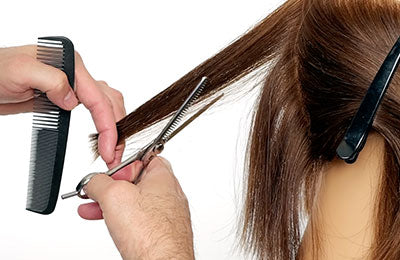
Do you struggle with thick hair that feels heavy or hard to manage? Thinning shears might be the simple tool you need to create a lighter, more natural look.
Using thinning shears the right way can transform your hair without sacrificing length or style. You’ll discover easy, step-by-step tips to thin your hair safely and effectively. Keep reading to learn how to get the results you want and boost your confidence every time you look in the mirror.
Choosing The Right Thinning Shears
Thinning shears help reduce hair thickness without cutting too much length. Picking the right shears makes styling easier and results neater.
Different shears suit different hair types and cutting needs. Learn about types, blade sizes, and quality to choose the best one.
Types Of Thinning Shears
There are many thinning shears designed for specific hair textures and styles. Some shears have straight blades, while others have curved blades.
Straight shears work well for general thinning. Curved shears help blend layers and add texture smoothly.
- Straight thinning shears: good for most hair types
- Curved thinning shears: best for detailed texturing
- Chunking shears: remove larger hair sections quickly
Blade Sizes And Teeth Count
Blade size affects how much hair you cut at once. Smaller blades offer more control, while larger blades cover more area.
The number of teeth on thinning shears controls the amount of hair removed. More teeth mean less hair is cut per snip.
- 10-15 teeth: remove a lot of hair quickly
- 20-30 teeth: moderate thinning, good for most users
- 30+ teeth: subtle thinning, best for fine hair
Quality And Material Considerations
High-quality shears last longer and cut smoothly. Look for shears made of stainless steel or high-carbon steel for durability.
Comfort matters if you use shears often. Choose shears with ergonomic handles and smooth tension adjustment.
- Stainless steel: rust-resistant and strong
- High-carbon steel: sharp and durable but needs care
- Ergonomic handles: reduce hand fatigue
- Adjustable tension screws: control cutting pressure

Credit: jatai.net
Preparing Hair For Thinning
Thinning hair with thinning shears needs clean and well-prepared hair. Proper preparation helps the shears work better.
This guide explains how to prepare hair before thinning. Follow these steps for the best results.
Washing And Drying Techniques
Start with washing hair to remove dirt and oils. Use a gentle shampoo to keep hair healthy.
Dry hair carefully. Use a towel to remove excess water but avoid rough rubbing.
- Use lukewarm water for washing
- Apply conditioner to smooth hair
- Towel dry by patting gently
- Let hair air dry or use low heat
Sectioning Hair Properly
Divide hair into sections for easy thinning. This helps control the process and makes it neat.
Use clips or hair ties to hold each section. Start thinning from one section at a time.
- Create top, middle, and bottom sections
- Secure each section with clips
- Work on small sections for even thinning
- Comb each section before thinning
Tools Needed For Preparation
Gather the right tools before starting. Proper tools make thinning easier and safer.
- Gentle shampoo and conditioner
- Soft towel for drying
- Fine-tooth comb for sectioning
- Hair clips or ties to hold sections
- Thinning shears for cutting
Basic Thinning Techniques
Thinning hair with thinning shears can help manage volume and create a sleek look. These techniques are great for anyone looking to change their hairstyle.
Understanding the basics will help you achieve the best results. Let’s explore how to hold the shears, where to start thinning, and how to work with different hair textures.
How To Hold The Shears
Holding thinning shears correctly is important for effective thinning. Your grip affects the precision of each cut.
- Place your thumb in the larger loop.
- Use your ring finger for the smaller loop.
- Rest your index and middle fingers on the handle for control.
Where To Start Thinning
Knowing where to begin thinning is crucial to avoid over-thinning. Focus on areas with the most volume.
Start at the back of the head, moving towards the sides. Pay attention to the natural fall of the hair.
Working With Different Hair Textures
Different hair textures require unique approaches. Understanding texture helps in selecting the right thinning technique.
| Hair Texture | Recommended Technique |
| Fine Hair | Minimal thinning to avoid loss of volume |
| Thick Hair | More aggressive thinning to reduce bulk |
| Curly Hair | Thinning in layers to maintain curl pattern |

Credit: jatai.net
Advanced Thinning Tips
Thinning shears help reduce hair bulk and create texture. Using them well improves your haircut’s look.
These advanced tips help you blend hair, handle thick hair, and avoid mistakes.
Blending And Softening Edges
Thinning shears blend harsh lines between hair sections. This makes hair look natural and soft.
Cut small sections at the edges and use light, quick snips. Avoid cutting too close to the scalp.
- Work on dry hair for better control
- Use the shears gently along the edges
- Check hair from different angles
- Stop thinning if edges look too soft
Thinning Thick Or Coarse Hair
Thick or coarse hair needs more care when thinning. Use sharp shears and small sections.
Cut less hair at once to avoid uneven texture. Thinning too much can cause frizz.
- Divide hair into thin layers
- Start thinning in the middle of the section
- Use more snips for better control
- Check hair flow and thickness often
Avoiding Over-thinning
Over-thinning can make hair look thin and uneven. It is important to be careful and patient.
Stop thinning when the hair feels lighter but still has volume. Less is more in thinning.
- Thin small sections at a time
- Comb hair often to check thickness
- Step back and look at the whole haircut
- Do not thin hair near the scalp too much
Maintenance And Aftercare
Thinning shears need proper care to last long and work well. Caring for your hair after thinning is important too. This guide covers cleaning shears, hair care, and when to thin again.
Good maintenance keeps your tools sharp and your hair healthy. Follow these tips to get the best results every time you thin hair.
Cleaning And Storing Shears
Clean your thinning shears after each use to keep them sharp and rust-free. Dirt and hair left on shears can damage the blades over time.
- Use a soft cloth to wipe off hair and debris.
- Wash blades with warm, soapy water and dry them fully.
- Apply a small drop of oil to the pivot area to keep it moving smoothly.
- Store shears in a protective case or pouch to avoid damage.
- Keep them in a dry place to prevent rust.
Hair Care Post-thinning
After thinning, treat your hair gently to avoid damage. Thinning cuts some strands, so your hair needs care to stay strong and healthy.
- Use mild shampoo and conditioner to keep hair soft.
- Avoid heavy styling products that can weigh hair down.
- Do not overbrush; use a wide-tooth comb instead.
- Limit heat styling to prevent breakage.
- Keep hair moisturized with light leave-in conditioners.
When To Repeat Thinning
Knowing when to thin hair again depends on hair growth and volume. Thinning too often can cause damage, so watch for signs that it is time.
| Signs You Need to Thin Hair Again | Recommended Time Frame |
|---|---|
| Hair feels thick and heavy again | Every 6 to 8 weeks |
| Loss of the thinning effect | After noticeable regrowth |
| Hair starts to look bulky or puffy | When volume increases |
| Styling becomes difficult due to thickness | Check every 1-2 months |

Credit: jatai.net
Frequently Asked Questions
What Are Thinning Shears Used For In Hair?
Thinning shears remove bulk and blend hair seamlessly. They create a natural, layered look without cutting length. These shears help reduce thickness and add texture to thick or coarse hair types.
How Do You Properly Thin Hair With Thinning Shears?
Section hair and hold it taut. Open the shears and snip into hair mid-length, not near scalp. Use gentle, staggered cuts for gradual thinning. Avoid over-thinning to maintain hair volume and health.
Can Thinning Shears Damage Hair If Misused?
Yes, overuse or incorrect technique can cause split ends and uneven texture. Always use thinning shears carefully and sparingly. Professional guidance helps prevent damage and achieve the desired thinning effect safely.
How Often Should You Thin Hair With Thinning Shears?
Thin hair every 6 to 8 weeks to maintain style and volume. Frequent thinning can lead to damage. Adjust frequency based on hair growth and texture changes for best results.
Conclusion
Thinning shears help reduce thick hair without changing its length. Use them carefully to avoid cutting too much. Work in small sections and check your progress often. This tool can add texture and make hair easier to style. Practice makes perfect.
Keep your shears clean and sharp for best results. Thinning hair becomes simpler with patience and the right technique. Enjoy the lighter, softer feel of your hair every day.