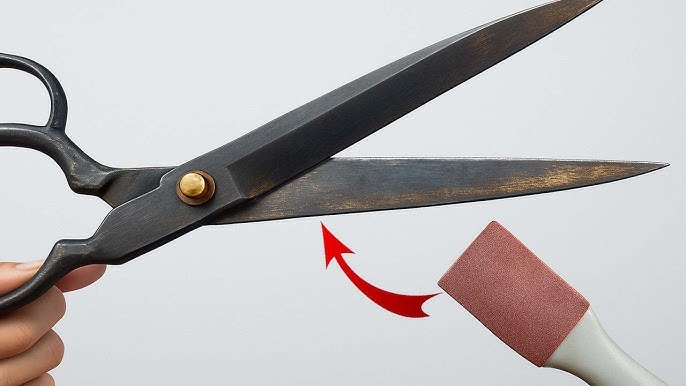
Are your cutting shears not slicing through plants or fabric like they used to? Dull blades can make your tasks harder, slow you down, and even damage what you’re trying to cut.
But don’t worry—you don’t need to buy new shears or pay for expensive sharpening services. With a few simple steps, you can bring your cutting shears back to life and make every cut smooth and precise. Keep reading to discover how easy it is to sharpen your cutting shears and get the perfect edge every time.
Choosing The Right Sharpening Tools
Sharpening cutting shears requires using the right tools. The right tool keeps your shears sharp and safe to use.
Different tools work best for different types of blades and sharpening needs. Learn about stones, files, and rods to pick the best one.
Types Of Sharpening Stones
Sharpening stones come in many kinds. They remove small bits of metal to form a sharp edge. Each type has unique uses.
- Oil stones: Use oil to reduce heat and friction. They last long and are good for fine sharpening.
- Water stones: Use water instead of oil. They sharpen quickly but wear down faster.
- Synthetic stones: Made from man-made materials. They offer consistent sharpening and are easy to maintain.
- Natural stones: Come from quarries. They are rare and offer a smooth finish to blades.
Using Diamond Files And Sharpeners
Diamond files have small diamond particles on their surface. They cut metal fast and work on hard blades.
| Type | Best For | Care |
| Flat diamond file | Straight edges | Clean with brush after use |
| Round diamond file | Curved edges | Store dry to avoid rust |
| Diamond sharpener rod | Quick touch-ups | Wipe clean after sharpening |
When To Use A Sharpening Rod
Sharpening rods help keep edges aligned between full sharpenings. They do not remove much metal.
- Use rods for quick fixes during work.
- Ideal for small chips or dull spots.
- Use rods before the blade feels very dull.
- Do not rely on rods for heavy sharpening tasks.
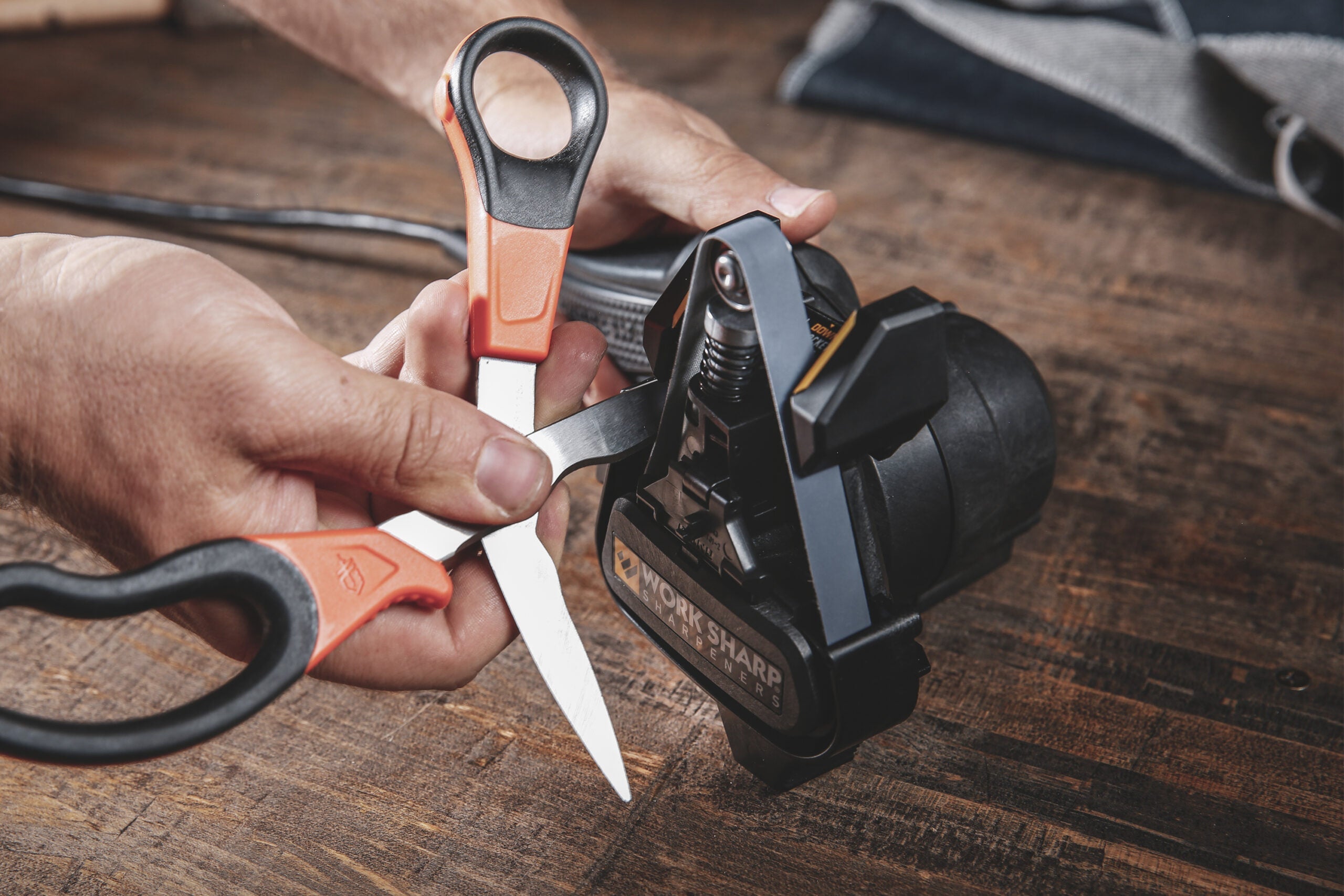
Credit: worksharptools.com
Preparing Your Shears For Sharpening
Sharpening cutting shears keeps them working well and safe. You need to prepare your shears first. This helps the sharpening process go smoothly and protects your tools.
Preparing involves cleaning, taking apart the shears, and following safety rules. These steps make your shears ready for the best sharpening results.
Cleaning The Blades
Remove dirt, sap, and rust from the blades. Clean blades sharpen better and last longer. Use a soft cloth and soapy water to wipe the blades. Dry them well to stop rust.
- Use warm, soapy water to wash the blades
- Scrub gently with a soft brush or cloth
- Remove sticky sap with rubbing alcohol
- Wipe blades dry with a clean towel
- Apply light oil to stop rust
Disassembling For Better Access
Taking apart your shears helps you sharpen every edge. Usually, you remove the central bolt or screw. Keep all small parts safe so you can put the shears back together.
| Part | What to Do |
| Central Bolt | Use a screwdriver or wrench to remove it |
| Springs | Take off carefully and set aside |
| Washers | Keep them in a safe place |
| Blades | Separate them for full sharpening access |
Safety Precautions
Sharpening tools can be dangerous. Always protect your hands and eyes. Use gloves and safety glasses. Work in a clean, well-lit area to avoid accidents.
- Wear cut-resistant gloves
- Use safety glasses to protect eyes
- Keep your workspace clear and bright
- Handle blades carefully to avoid cuts
- Store tools safely after disassembling
Sharpening Techniques
Sharpening cutting shears requires precision and care. Proper techniques ensure a clean, sharp edge. This guide will help you maintain your shears efficiently.
Understanding the correct angle and using consistent strokes are key. Checking sharpness ensures the blade is ready for use. Let’s explore each step in detail.
Setting The Correct Angle
The angle of the blade is crucial for effective sharpening. Most shears require a 10 to 15-degree angle. Keeping the angle consistent helps maintain the blade’s integrity.
| Blade Type | Recommended Angle |
| Standard Shears | 10-12 degrees |
| Heavy-duty Shears | 13-15 degrees |
Using Consistent Strokes
Consistency in strokes ensures even sharpening. Use long, smooth motions along the blade. Avoid pressing too hard; let the sharpening tool do the work.
- Hold the shear firmly.
- Move the sharpener from base to tip.
- Repeat for 5-10 strokes on each side.
Checking Blade Sharpness
After sharpening, check the blade’s sharpness. This ensures it is ready for precise cutting. Test by cutting through a sheet of paper smoothly.
Keep a small piece of fabric or paper handy for testing sharpness. If the blade cuts cleanly without snagging, it’s ready for use.

Credit: www.youtube.com
Maintaining Sharpness Between Uses
Cutting shears need care to keep their edges sharp. Proper maintenance helps them cut well every time.
Simple habits protect the blades and make sharpening less often. Follow easy tips for good results.
Regular Cleaning And Oiling
Clean your shears after each use. Dirt and sap can build up and dull the blades.
Use a soft cloth and warm water to wipe the blades. Dry them completely to stop rust.
Apply a drop of oil to the pivot and blades. This keeps the shears moving smoothly.
- Wipe blades with a damp cloth
- Dry thoroughly after cleaning
- Use light machine oil or blade oil
- Oil pivot point and blade edges
- Wipe off extra oil to avoid dirt
Proper Storage Tips
Store shears in a dry place to prevent rust. Avoid damp or humid areas.
Use a sheath or blade cover to protect edges from damage. Keep them away from other tools.
- Store in a dry toolbox or drawer
- Use blade covers or sheaths
- Keep away from heavy or sharp objects
- Hang shears on a hook if possible
Avoiding Damage
Do not cut hard materials like wire or nails. This can chip or bend the blades.
Open and close shears gently. Avoid forcing the blades or dropping the tool.
- Only cut plant stems and soft materials
- Do not use shears as a screwdriver or prying tool
- Handle with care and avoid dropping
- Check blades often for damage
Troubleshooting Common Issues
Cutting shears need regular care to work well. Sometimes, they develop problems like dull blades or loose parts.
Fixing these issues helps your shears cut cleanly and last longer. Learn how to handle common troubles below.
Fixing Nicks And Chips
Nicks and chips on blades make cutting uneven. Use a sharpening stone or fine file to smooth the edges.
Work slowly and carefully. Remove only small amounts of metal to keep the blade shape. Check often to avoid over-sharpening.
- Use a fine sharpening stone for small nicks
- File gently along the blade edge
- Wipe blades clean after sharpening
- Test cutting on scrap material
Adjusting Blade Tension
Loose blades cause poor cuts and can be unsafe. Tighten the central bolt to adjust blade tension. It should move smoothly but not wobble.
If the blades are too tight, the shears will be hard to open and close. Find a balance where the blades stay firm and cut easily.
- Check blade tension by opening and closing shears
- Use a screwdriver or wrench to tighten or loosen the bolt
- Do small adjustments and test after each turn
- A properly adjusted blade cuts smoothly and feels stable
When To Replace Your Shears
Sharpening and adjusting help, but some damage cannot be fixed. Replace your shears if blades are bent or badly worn.
Worn springs or broken handles also mean it is time for new shears. Using damaged tools can be unsafe and cause poor results.
- Replace if blades are bent or cracked
- Replace if sharpening does not improve cutting
- Replace if handles or springs are broken
- Replace if shears feel unsafe to use

Credit: www.duroxtools.com
Frequently Asked Questions
How Often Should I Sharpen Cutting Shears?
Sharpen cutting shears after every 10 to 15 hours of use. Regular sharpening keeps blades efficient and prevents damage to plants. Frequent maintenance also extends the tool’s lifespan.
What Tools Do I Need To Sharpen Shears?
You need a sharpening stone, honing oil, a cloth, and optionally a fine file. These tools help you smooth and sharpen the blades effectively.
Can I Sharpen Shears Without Removing The Blades?
Yes, you can sharpen shears without removing blades. Secure the shears and carefully file or stone the blade edges at the correct angle.
How Do I Maintain Shears After Sharpening?
Clean blades with a cloth, apply light oil to prevent rust, and store shears in a dry place. Proper care keeps blades sharp longer.
Conclusion
Sharpening cutting shears keeps them working well and safe. Regular sharpening saves time and effort during cutting tasks. Use the right tools and follow simple steps carefully. Keep blades clean and dry after each use. Sharpen shears often to avoid dull edges and damage.
Taking care of your shears helps plants grow better. Try these tips and enjoy smooth, easy cutting every time. Simple habits make a big difference in tool performance. Stay sharp, stay safe, and keep your garden healthy.