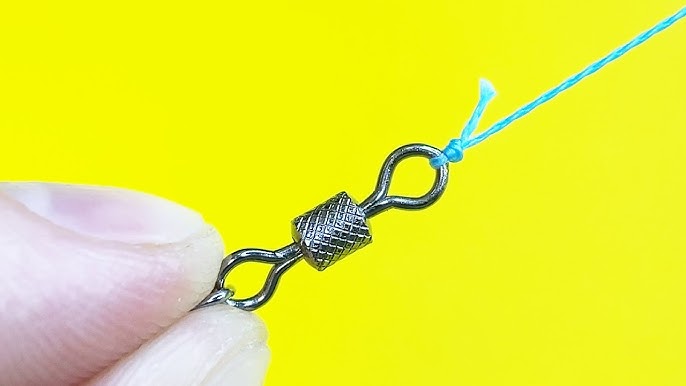
If you’re serious about fishing, knowing how to attach a swivel to your fishing line can make a huge difference. A swivel helps prevent your line from twisting and tangling, saving you time and frustration on the water.
In this guide, you’ll learn a simple, step-by-step method to secure a swivel quickly and properly. Whether you’re a beginner or just want to improve your technique, mastering this skill will boost your confidence and improve your fishing experience. Keep reading to discover how easy it is to get it right every time.
Choosing The Right Swivel
Attaching a swivel to a fishing line helps prevent twists and tangles. Picking the right swivel is important for a smooth fishing experience.
Swivels come in different types and materials. Choosing one that fits your fishing style keeps your line strong and easy to handle.
Types Of Swivels
There are several types of swivels for fishing lines. Each type works best in certain situations and fishing methods.
- Barrel Swivel: Common and simple, good for general fishing.
- Ball Bearing Swivel: Has a ball bearing inside for smooth rotation.
- Snap Swivel: Includes a clip to change lures quickly.
- Three-Way Swivel: Used to connect three lines for different rigs.
Selecting Based On Fishing Style
Your fishing style affects which swivel you should pick. Some swivels work better for certain fish and water conditions.
For example, snap swivels help when you change lures often. Ball bearing swivels suit fast, spinning reels. Barrel swivels fit most basic fishing needs.
Material Considerations
Swivels come in different materials like brass, stainless steel, and nickel. The material affects strength and resistance to rust.
- Brass swivels are lightweight and affordable but may rust in saltwater.
- Stainless steel swivels are strong and resist rust well.
- Nickel-plated swivels resist corrosion and last longer.
Preparing Your Fishing Line
Attaching a swivel to your fishing line starts with good preparation. Taking time to ready your line helps secure the swivel and improve your fishing experience.
Focus on the condition of your line before tying the swivel. This includes cutting, checking strength, and moistening the line properly.
Cutting The Line
Cut your fishing line cleanly to avoid frayed ends. Use sharp scissors or line cutters for a smooth cut. A neat end makes tying easier and stronger.
- Hold the line tight before cutting
- Cut at a slight angle for better knot tying
- Avoid using old or dull tools
Checking Line Strength
Test your line to ensure it can handle the fish you target. Weak spots can cause breaks and lost catches. Check the line by pulling it with steady force.
| Test Method | What to Look For |
| Visual Inspection | Look for nicks or abrasions |
| Tensile Test | Line should not snap easily |
| Knot Strength | Knots hold firm without slipping |
Moistening The Line
Wet the line before tying the swivel knot. Moistening reduces friction and heat, which can weaken the line. Use fresh water or saliva to wet the line.
Tips for moistening your fishing line:
- Dip the line end in water just before tying
- Use saliva if water is not available
- Keep the knot wet until it is fully tightened
Step-by-step Attachment Methods
Attaching a swivel to your fishing line can prevent line twists. It is essential for smooth casting and retrieving.
This guide will show you different methods to attach a swivel securely. Each method ensures your line stays strong while fishing.
Basic Tie Technique
The Basic Tie Technique is easy and quick. It is suitable for beginners who are new to fishing.
- Pass the line through the eye of the swivel.
- Make a simple loop with the line.
- Wrap the end around the main line three times.
- Thread the end back through the loop.
- Pull tight to secure the knot.
Improved Clinch Knot
The Improved Clinch Knot provides extra security. It is ideal for heavier lines and larger fish.
Start by passing the line through the swivel eye. Then, wrap the end around the main line five times. Next, thread the end back through the first loop. Bring it back through the large loop you made. Finally, pull on both ends to tighten.
Palomar Knot
The Palomar Knot is strong and reliable. It works well with braided lines.
- Double the line to make a loop.
- Pass the loop through the swivel eye.
- Tie a simple overhand knot with the loop.
- Pass the swivel through the loop.
- Pull both ends to tighten the knot.

Credit: www.youtube.com
Tips For Secure Knots
Attaching a swivel to a fishing line needs a strong knot. Secure knots keep your line safe from slipping or breaking. Use simple techniques to make your knot reliable.
Follow these tips to avoid common problems like line slippage and weak knots. Also, trimming the right amount of excess line helps the knot hold better.
Avoiding Line Slippage
Slippage happens when the knot is loose or tied incorrectly. To prevent this, choose knots known for grip, like the Palomar or improved clinch knot.
- Wet the line before tightening the knot to reduce friction.
- Pull the knot slowly and firmly to set it in place.
- Use knots that wrap around the swivel multiple times.
- Check your knot by pulling hard before casting.
Ensuring Knot Tightness
Tight knots hold better and last longer in water. Keep the knot tight by pulling evenly on both ends of the line. Avoid jerking motions that can weaken the knot.
- Moisten the line with water or saliva before pulling tight.
- Pull slowly and evenly until the knot is snug.
- Hold the knot firmly while trimming excess line.
Trimming Excess Line
Cutting extra line close to the knot stops it from catching on weeds or gear. Leave a small tail to avoid the knot slipping.
| Trim Length | Purpose |
| 2-3 mm | Prevents knot from slipping |
| Less than 2 mm | Risk of knot slipping or untying |
| More than 5 mm | May catch on objects in water |
Testing The Swivel Connection
After attaching a swivel to your fishing line, it is important to test the connection. Testing helps ensure the swivel will hold under pressure.
Checking the connection reduces the chance of losing fish or equipment while fishing.
Pull Test
Use your hands to pull the line and swivel connection firmly. Apply steady force to check if the knot holds tight.
Pull the line in different directions to test strength. The connection should not slip or come undone.
- Hold the swivel with one hand
- Pull the fishing line with the other hand
- Apply steady pressure for about 10 seconds
- Check if the knot or loop stays secure
Inspecting For Weak Points
Look closely at the knot and the swivel for any weak points. Weak areas can cause the connection to fail.
Check for damaged line, loose knots, or bent swivel parts. Fix any issues before fishing.
- Look for frayed or cut fishing line near the knot
- Check if the knot is tied tightly and cleanly
- Inspect the swivel for bends or cracks
- Replace the swivel or retie the knot if needed

Credit: www.reddit.com
Common Mistakes To Avoid
Attaching a swivel to a fishing line seems simple. Yet, many anglers make mistakes that weaken the connection.
A strong, secure swivel connection helps prevent line twists and breaks. Avoid these common errors for better fishing results.
Over-tightening
Pulling the swivel knot too tight can damage the fishing line. It causes weak spots that break easily.
Tie the knot firmly but gently. Leave a little room for the line to move without slipping.
- Do not pull the knot with excessive force
- Check the knot’s snugness by gently pulling
- Retie the knot if the line looks pinched or damaged
Using The Wrong Knot
Not all knots work well with swivels. Some knots slip or weaken the line under pressure.
Choose knots designed for swivels, like the Palomar or Improved Clinch knot. These knots hold better and keep the swivel secure.
- Avoid simple knots that can slip
- Practice tying knots before fishing
- Use knots recommended for your fishing line type
Ignoring Line Condition
Old or damaged fishing line weakens the knot and swivel connection. It may break under tension.
Inspect your fishing line before tying the swivel. Replace any line that is frayed, faded, or stiff.
- Check for nicks and cuts
- Feel for rough or brittle spots
- Replace line regularly to keep strength
Maintaining Swivels And Lines
Keeping your fishing swivels and lines in good shape helps avoid breaks and tangles. Regular care makes your fishing gear last longer and work better.
Check your swivels and lines often to catch any damage early. Clean them well to remove dirt and salt that can cause rust. Replace parts that show wear to stay safe on the water.
Regular Inspection
Look closely at your swivel and fishing line before and after each trip. Check for cracks, rust, or weak spots. Make sure the swivel spins freely without sticking.
- Check the swivel for rust or corrosion
- Look for frayed or thin spots on the fishing line
- Test the swivel’s rotation by hand
- Examine knots for tightness and wear
- Replace any damaged parts immediately
Cleaning Techniques
Clean your swivels and lines after each use, especially after fishing in saltwater. Use fresh water to rinse off salt and dirt. Dry them well to stop rust.
- Rinse swivels and lines with fresh water
- Use a soft brush to remove dirt and grime
- Dry all parts completely with a clean cloth
- Apply a small amount of lubricant to swivels
- Store in a dry, cool place away from sunlight
Replacing Worn Components
Swivels and lines wear out over time. Replace parts that show damage to avoid fishing failures. Use the right size and type to keep your setup strong.
| Component | Signs to Replace | Replacement Tips |
|---|---|---|
| Swivel | Rust, stuck rotation, cracks | Choose corrosion-resistant materials |
| Fishing Line | Frays, discoloration, weak spots | Match line strength to fish size |
| Knots | Slipping, loosening, damage | Retie knots securely before fishing |

Credit: www.ohero.com
Frequently Asked Questions
How Do I Tie A Swivel To A Fishing Line?
To tie a swivel, thread the line through the swivel’s eye. Use a strong knot like the improved clinch knot. Tighten it securely to prevent slipping. Trim excess line close to the knot for a neat finish.
Why Use A Swivel In Fishing Lines?
A swivel prevents line twisting and tangling. It allows the lure or bait to move freely. This improves casting and reduces line damage. Swivels also make changing rigs easier and faster.
What Type Of Swivel Is Best For Fishing?
Choose a swivel size based on your fishing line strength. Barrel swivels suit general use, while ball-bearing swivels are better for heavy fishing. Ensure the swivel matches your target fish and fishing conditions.
Can I Attach A Swivel Without Knots?
Using quick-connect swivels allows tool-free attachment. However, most anglers prefer knots for reliability. Knots provide a secure connection that withstands strong fish pulls. Practice tying knots to ensure safety.
Conclusion
Attaching a swivel to a fishing line is simple and useful. It helps prevent line twisting and keeps your rig strong. Use the right knot and pull it tight for best results. Practice a few times to feel confident and quick.
A well-attached swivel makes fishing easier and more fun. Keep your gear ready, and enjoy your time on the water. Small steps like this improve your fishing experience every trip. Give it a try, and see the difference yourself.