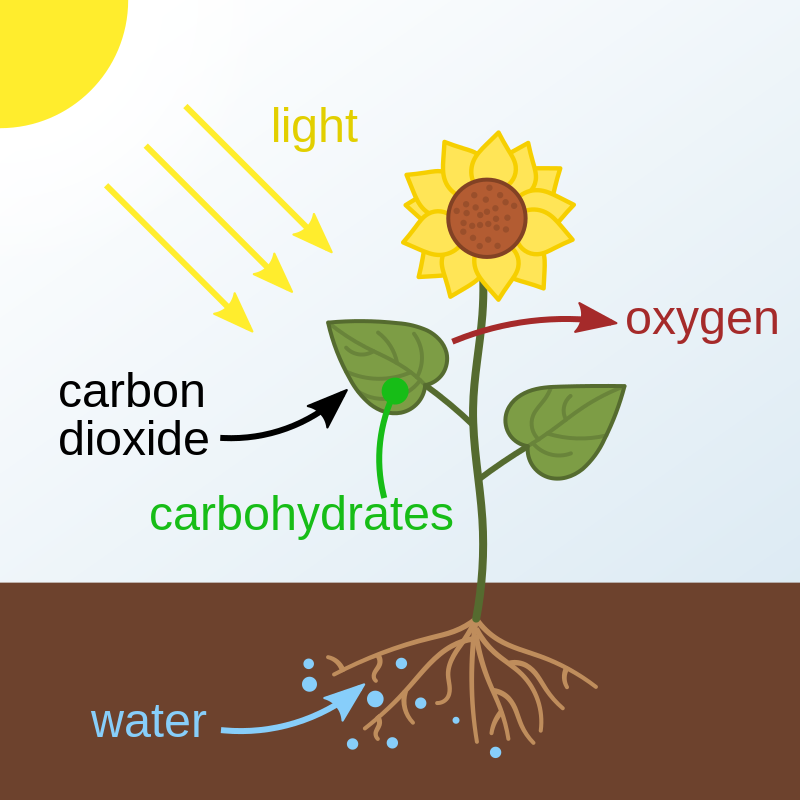
Have you ever wondered what plants actually eat to grow big and strong? You might think plants get food from the soil, but the truth is more fascinating.
Understanding the food of a plant can change the way you see the world around you. You’ll discover how plants make their own food, what they need to survive, and why this process is so important for all life on Earth.
Keep reading, and you’ll unlock the secret behind the green leaves outside your window.
Plant Nutrition Basics
Plants need food to grow and stay healthy. They make food using sunlight, air, water, and minerals.
This food helps plants build leaves, flowers, and roots. Good nutrition is key for strong plants.
Essential Nutrients For Growth
Plants need many nutrients to grow well. These nutrients come from the soil and air.
There are macronutrients and micronutrients. Macronutrients are needed in large amounts.
- Nitrogen (N) helps leaves grow green and healthy
- Phosphorus (P) supports strong roots and flowers
- Potassium (K) helps plants resist diseases and stay strong
- Calcium (Ca) builds cell walls and keeps plants firm
- Magnesium (Mg) is part of chlorophyll for photosynthesis
- Sulfur (S) helps make proteins and enzymes
Role Of Water And Minerals
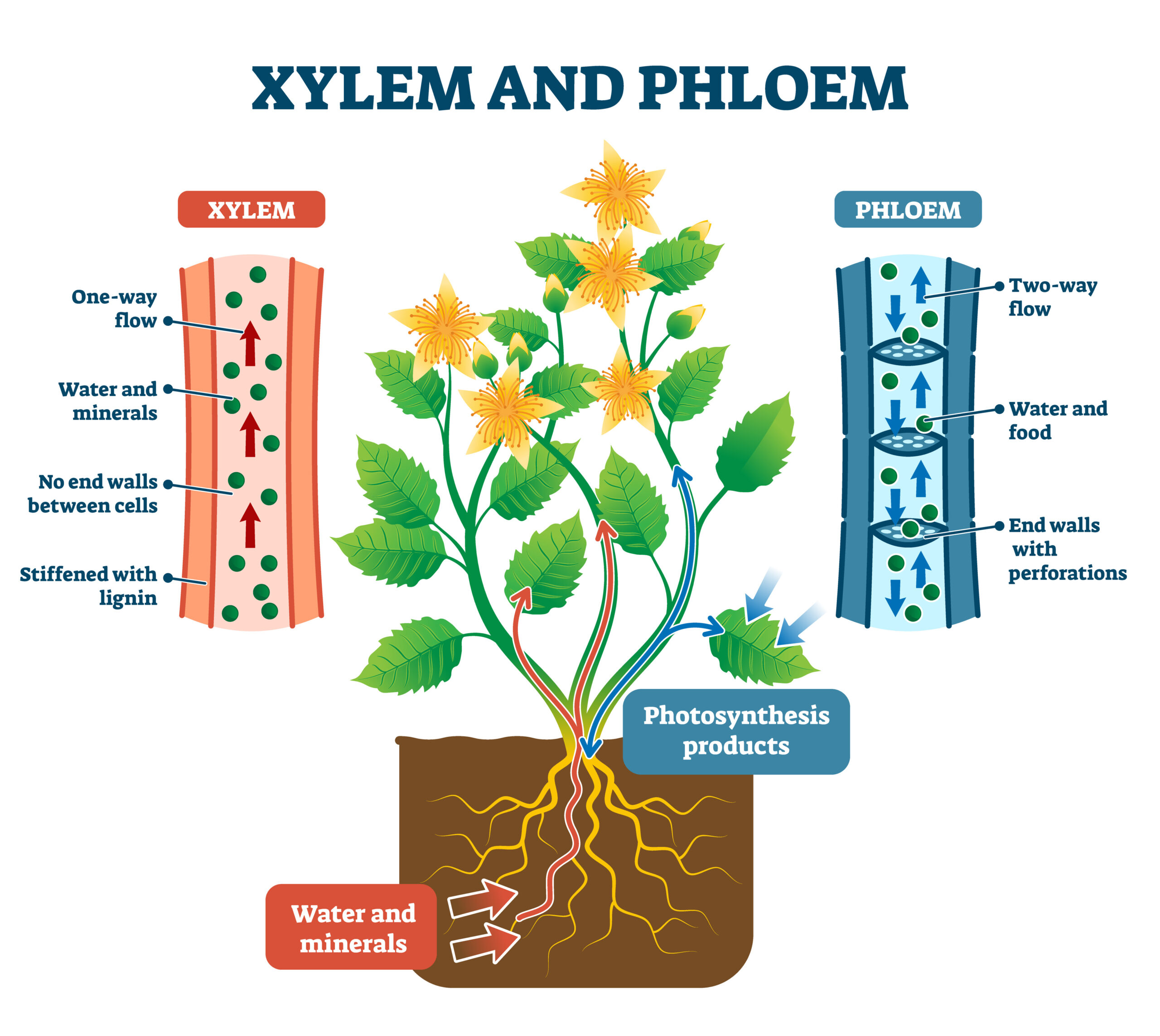
Water is vital for plants. It carries nutrients from the soil to every part of the plant.
Minerals dissolved in water feed plants. Without water, plants cannot absorb these minerals.
- Water helps photosynthesis by moving sugars and nutrients
- Minerals like iron, zinc, and copper are needed in small amounts
- Minerals support growth, repair, and energy use in plants
- Proper water supply keeps plants hydrated and healthy
Photosynthesis Process
Plants make their food through a process called photosynthesis. This process uses sunlight to create energy.
Photosynthesis happens mainly in the leaves of plants. It turns light energy into food the plant can use.
Light Absorption By Chlorophyll
Chlorophyll is a green pigment in plant leaves. It absorbs sunlight needed for photosynthesis.
Chlorophyll mainly captures blue and red light. It uses this light to start the food-making process.
Conversion Of Light To Chemical Energy
Sunlight energy changes into chemical energy inside plant cells. This energy is stored in molecules called ATP and NADPH.
These molecules carry energy to the next part of photosynthesis. This step happens in special parts called chloroplasts.
Production Of Glucose
Plants use the energy from ATP and NADPH to make glucose. Glucose is a type of sugar that plants use for food.
This sugar helps plants grow and gives them energy. It also stores energy for later use.
Role Of Carbon Dioxide
Plants need carbon dioxide for growth. It is a key part of photosynthesis.
Photosynthesis helps plants make food. Carbon dioxide is a vital ingredient in this process.
Source And Absorption
Carbon dioxide comes from the air. Plants absorb it through tiny holes in their leaves.
- Leaves have small openings called stomata.
- Stomata help to take in carbon dioxide from air.
- The absorbed carbon dioxide is used in making food.
Importance In Sugar Formation
Carbon dioxide helps in making sugars. Sugars are food for plants.
| Process | Role of Carbon Dioxide |
| Photosynthesis | Carbon dioxide combines with water. |
| Sugar Formation | Helps create glucose, a type of sugar. |
| Energy Storage | Sugar stores energy for plant use. |
Plants use sugars to grow. This process is vital for their survival.

Credit: www.healthday.com
Energy Storage In Plants
Plants make food through photosynthesis. They store this food as energy for later use. This stored energy helps plants grow and survive.
The main way plants store energy is in the form of carbohydrates. These carbohydrates are made from sugars produced during photosynthesis.
Starch And Other Carbohydrates
Starch is the most common carbohydrate that plants use to store energy. It is made of many sugar molecules linked together. Plants store starch in leaves, roots, and seeds.
- Starch is easy to store and does not dissolve in water.
- It serves as a long-term energy reserve.
- Other carbohydrates include cellulose, which builds cell walls.
- Plants also store sugars like sucrose to move energy between parts.
Usage During Growth And Respiration
Plants use stored carbohydrates during growth and respiration. When sunlight is low, they break down starch into sugars. These sugars give energy for cell activities.
| Process | Purpose | Energy Source |
| Growth | Build new cells | Carbohydrates (starch) |
| Respiration | Produce energy (ATP) | Glucose from starch |
| Seed Germination | Fuel early development | Stored starch in seeds |
Impact Of Environment On Plant Food
Plants make their own food through a process called photosynthesis. The environment plays a big role in how well plants produce food.
Factors like light, water, and soil nutrients affect the quality and amount of food plants make.
Light Intensity And Quality
Plants need light to make food. The intensity and type of light affect photosynthesis.
Bright light helps plants produce more food. Some plants need special light colors to grow well.
- High light intensity increases food production
- Red and blue light support photosynthesis best
- Low light limits plant growth and food making
Water Availability
Water is essential for plants to make food. It helps carry nutrients and keeps the plant cells full.
Without enough water, plants cannot perform photosynthesis well. Too much water can also harm the roots.
- Water is needed for photosynthesis
- Lack of water slows food production
- Too much water can damage roots
Soil Nutrient Content
Soil provides important nutrients that plants use to make food. Nutrients like nitrogen, phosphorus, and potassium are key.
Good soil helps plants grow strong and produce more food. Poor soil can limit growth and reduce food supply.
- Nitrogen helps build leaves for photosynthesis
- Phosphorus supports root and flower development
- Potassium improves overall plant health
Credit: www.greenchef.com
Symbiotic Relationships
Plants rely on close partnerships with other organisms for food. These partnerships help plants get nutrients from the soil. Symbiotic relationships are key to plant health and growth.
Two important types of symbiotic relationships are nitrogen fixation by bacteria and nutrient uptake by mycorrhizal fungi. Both help plants get food they cannot make alone.
Nitrogen Fixation By Bacteria
Some bacteria live in the soil or inside plant roots. They change nitrogen gas from the air into a form plants can use. This process is called nitrogen fixation.
- Bacteria take nitrogen gas (N₂) from the air.
- They convert it into ammonia (NH₃), a form plants can absorb.
- Plants use ammonia to make proteins and other important molecules.
- Bacteria get food and a safe place to live from the plants.
Mycorrhizal Fungi And Nutrient Uptake
Mycorrhizal fungi live on or inside plant roots. They help plants absorb water and nutrients like phosphorus. In return, plants give fungi sugars made from photosynthesis.
| Benefit to Plant | Benefit to Fungi |
| Improved nutrient absorption | Receive carbohydrates |
| Better water uptake | Gain shelter and food |
| Increased resistance to disease | Live in a protected environment |
Artificial Enhancements
Plants need nutrients to grow healthy and strong. Sometimes, nature does not provide enough food for plants.
Artificial enhancements help plants get extra nutrition. These methods improve plant growth and yield.
Fertilizers And Their Effects
Fertilizers add important nutrients like nitrogen, phosphorus, and potassium to soil. These nutrients help plants grow faster and bigger.
Using fertilizers can improve crop quality and increase harvest size. But too much fertilizer can harm plants and soil.
- Helps plants get essential nutrients
- Boosts plant growth and fruit production
- Overuse can cause soil damage
- Needs proper balance for best results
Hydroponics And Controlled Nutrition
Hydroponics grows plants without soil. Plants get nutrients from water mixed with minerals.
This method controls the exact amount of food plants receive. It can speed up growth and use less water than soil farming.
- Plants grow in nutrient-rich water
- Allows precise control of nutrition
- Uses less water than traditional farming
- Can produce crops faster and cleaner
Credit: alabamawildlife.org
Frequently Asked Questions
What Is The Primary Food Source For Plants?
Plants primarily produce their own food through photosynthesis. They convert sunlight, water, and carbon dioxide into glucose, which fuels their growth.
How Do Plants Make Food Using Sunlight?
Plants use chlorophyll in their leaves to capture sunlight. This energy helps convert water and carbon dioxide into glucose and oxygen during photosynthesis.
Why Is Glucose Important For Plant Food?
Glucose is the essential sugar plants create for energy. It fuels cellular processes and helps build other vital compounds for growth and development.
Can Plants Survive Without Sunlight For Food?
Plants cannot make food without sunlight. Lack of light stops photosynthesis, which eventually weakens and kills the plant.
Conclusion
Plants make their own food using sunlight, water, and air. This process is called photosynthesis. Leaves play a key role by capturing sunlight. The food helps plants grow and stay healthy. Understanding plant food shows how nature works. It reminds us how important plants are for life.
Take time to observe plants around you. They are living food factories, quietly working every day.