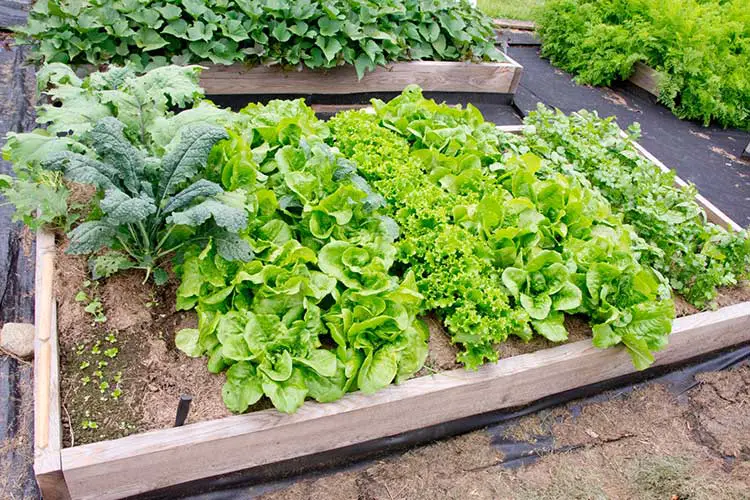
Are you ready to grow fresh, tasty vegetables right in your own backyard? Raised garden beds can make gardening easier and more rewarding, but choosing the right vegetables to plant is key.
Some veggies thrive better in these beds, giving you bigger harvests and less hassle. You’ll discover which vegetables do well in raised garden beds and how to get the most out of your garden space. Keep reading to find out how to turn your raised bed into a vibrant, productive vegetable patch you’ll love.
Benefits Of Raised Garden Beds
Raised garden beds help grow vegetables better in many ways. They create a good environment for plants to grow strong and healthy.
Using raised beds makes gardening easier and more effective for beginners and experts alike.
Improved Soil Drainage
Raised beds allow water to drain well from the soil. This stops water from sitting around the roots and causing problems.
Good drainage helps plant roots get enough air and keeps them healthy.
Better Soil Quality Control
You can fill raised beds with soil that fits your plants’ needs. This is better than using the natural soil that may not be good.
Controlling soil quality makes it easy to add nutrients and keep pests away.
- Choose soil rich in nutrients
- Add compost or organic matter
- Keep soil loose for root growth
Ease Of Access And Maintenance
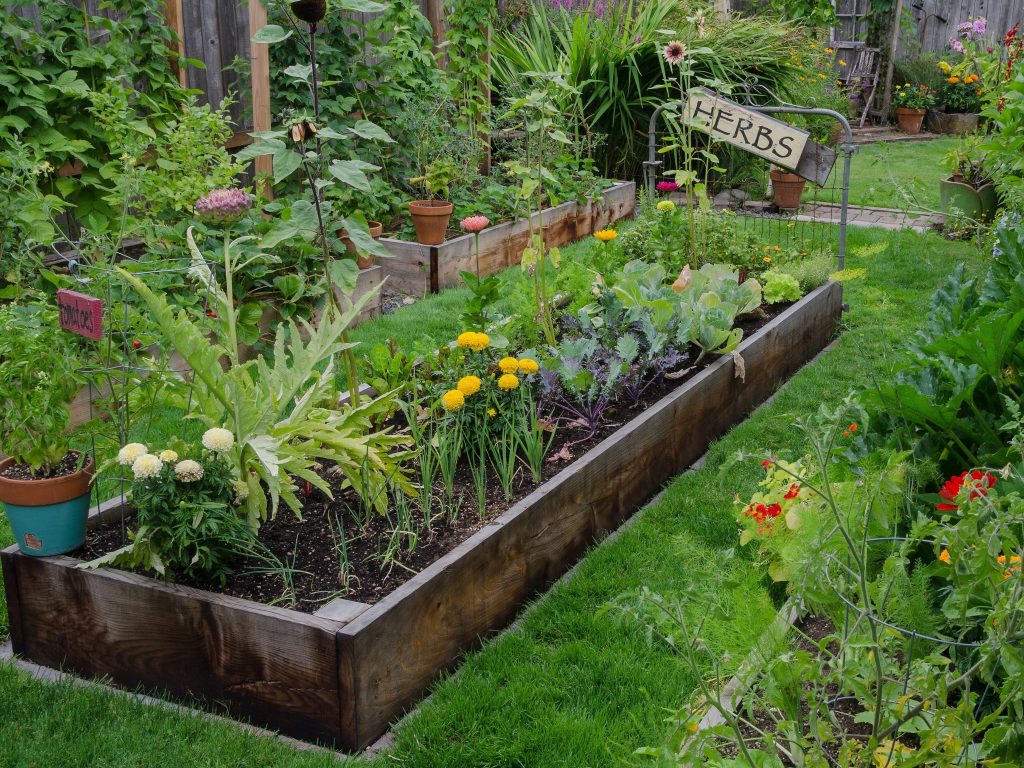
Raised beds are higher than regular garden soil. This makes planting and weeding easier on your back and knees.
It is simpler to reach all parts of the bed. This helps keep your garden neat and healthy with less effort.
Credit: www.melnor.com
Vegetables That Thrive In Raised Beds
Raised garden beds offer great soil control and drainage. Many vegetables grow better in these beds. You can grow a variety of plants that like loose, rich soil.
This guide covers vegetables that do well in raised beds. You will learn about leafy greens, root vegetables, fruiting vegetables, and herbs.
Leafy Greens
Leafy greens grow fast and need cool soil. Raised beds warm up quickly in spring. This helps greens grow early and stay healthy. Examples include lettuce, spinach, and kale.
Root Vegetables
Root vegetables need loose soil to grow deep and straight. Raised beds provide good soil structure. Carrots, radishes, and beets do well here.
- Carrots: Prefer sandy, loose soil
- Radishes: Fast growing and need space
- Beets: Like rich soil with good drainage
- Turnips: Thrive in cool weather and loose soil
Fruiting Vegetables
Fruiting vegetables need warmth and good air flow. Raised beds help by warming soil early. Tomatoes, peppers, and cucumbers grow well in raised beds. These plants also benefit from staking or trellising.
| Vegetable | Ideal Soil Type | Notes |
| Tomatoes | Rich, well-drained | Needs staking |
| Peppers | Well-drained, warm | Keep soil moist |
| Cucumbers | Light, fertile | Use trellis to save space |
Herbs
Herbs like good drainage and full sun. Raised beds provide these conditions well. Basil, parsley, and thyme grow strongly in raised beds.
- Basil: Loves warm weather
- Parsley: Grows well in partial shade
- Thyme: Prefers dry, well-drained soil
- Chives: Easy to grow and harvest
Soil And Water Needs
Growing vegetables in raised garden beds requires the right soil and water conditions. Good soil helps plants get nutrients and grow strong. Proper watering keeps the soil moist but not soggy.
Understanding soil mix and watering tips can improve the health of your vegetables. Raised beds offer control over these factors for better results.
Ideal Soil Mix For Raised Beds
The best soil mix for raised beds has good drainage and holds enough water. It should also have nutrients for healthy plant growth.
- One-third topsoil for structure and minerals
- One-third compost to add nutrients
- One-third peat moss or coconut coir to retain moisture
- A small amount of perlite or sand to improve drainage
- Optional: organic fertilizer for extra feeding
Mix these ingredients well before filling your raised bed. This mix keeps the soil light and easy for roots to grow.
Watering Tips For Healthy Growth
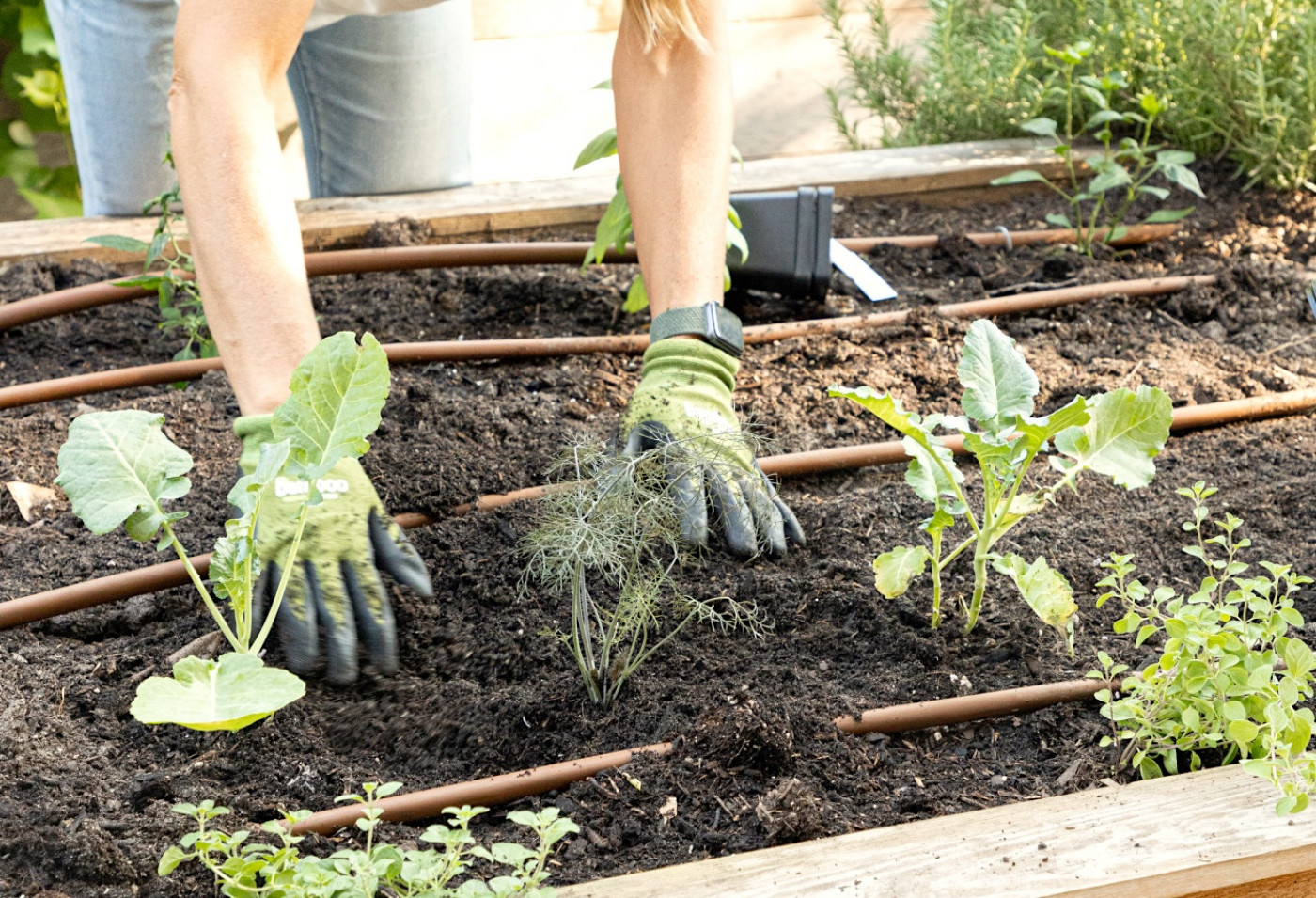
Vegetables in raised beds need regular watering. The soil dries faster than in-ground gardens. Check moisture daily, especially in hot weather.
| Watering Tip | Details |
| Water deeply | Reach the roots by watering slowly and deeply once or twice a week |
| Use mulch | Cover soil with straw or leaves to keep moisture in |
| Water early | Water in the morning to reduce evaporation |
| Avoid overwatering | Too much water can cause root rot and plant stress |
| Check soil | Stick your finger into soil to test moisture level |
Sunlight And Spacing
Growing vegetables in raised garden beds requires careful attention to sunlight and plant spacing. These factors help plants grow strong and healthy.
Choosing the right spot and giving plants enough room will improve your garden’s success and yield.
Sunlight Requirements
Most vegetables need plenty of sunlight to grow well. Aim for a location that gets at least 6 to 8 hours of direct sun each day.
- Leafy greens like lettuce and spinach can tolerate some shade.
- Tomatoes, peppers, and cucumbers need full sun for best fruit production.
- Root vegetables such as carrots and beets do well with moderate sunlight.
Plant Spacing Guidelines
Giving your plants enough space is key to healthy growth. Crowded plants compete for water, nutrients, and light.
| Vegetable | Spacing Between Plants | Spacing Between Rows |
|---|---|---|
| Tomatoes | 18 to 24 inches | 36 inches |
| Carrots | 2 to 3 inches | 12 inches |
| Lettuce | 6 to 12 inches | 12 to 18 inches |
| Peppers | 12 to 18 inches | 24 inches |
| Spinach | 3 to 6 inches | 12 inches |
Seasonal Planting Tips
Raised garden beds help grow many vegetables. Choosing the right vegetables by season is important. This guide shows what grows well in each season.
Planting vegetables in the correct season gives better growth and harvest. Follow these tips for cool and warm seasons.
Cool-season Vegetables
Cool-season vegetables grow best in early spring and fall. They like cooler temperatures and can handle light frost. These vegetables grow well in raised beds because the soil warms quickly in spring.
Plant cool-season crops as soon as the soil is workable. Keep watering steady and watch for pests. Harvest before hot weather arrives.
- Spinach
- Broccoli
- Carrots
- Peas
- Radishes
- Cauliflower
- Leafy greens like lettuce and kale
Warm-season Vegetables
Warm-season vegetables grow well after the last frost date. They need warm soil and air to thrive. Raised beds warm faster, helping these plants start strong.
Plant warm-season crops when the soil is warm. Water them regularly and provide support for climbing plants. Harvest when fruits or vegetables are fully ripe.
- Tomatoes
- Peppers
- Cucumbers
- Squash
- Beans
- Eggplants
- Sweet corn
Pest And Disease Management
Growing vegetables in raised garden beds helps control soil quality and drainage. Managing pests and diseases is key to healthy plants and good harvests.
Understanding common pests and using natural control methods keeps your garden safe without harmful chemicals.
Common Pests In Raised Beds
Many pests can harm vegetables in raised beds. Knowing these pests helps you spot problems early and protect your plants.
- Aphids: Small insects that suck plant juices and cause leaves to curl.
- Slugs and Snails: Feed on leaves, leaving holes and slime trails.
- Cutworms: Larvae that cut young plants at the base during night.
- Whiteflies: Tiny white insects that weaken plants by feeding on sap.
- Spider Mites: Tiny pests that cause yellowing and webbing on leaves.
Natural Pest Control Methods
Using natural methods helps keep pests away without harming beneficial insects or the environment.
| Method | Description | Benefits |
| Companion Planting | Planting pest-repellent plants near vegetables. | Reduces pests naturally. |
| Handpicking | Remove pests like slugs and caterpillars by hand. | Immediate pest reduction. |
| Neem Oil | Natural oil sprayed on plants to repel insects. | Non-toxic and biodegradable. |
| Encouraging Predators | Attract ladybugs and birds that eat pests. | Balances pest populations. |
| Crop Rotation | Change plant locations yearly to prevent pest buildup. | Reduces soil pests and diseases. |
Maximizing Yield In Small Spaces
Growing vegetables in a raised garden bed can be very rewarding. It helps you make the most of limited space. By using smart techniques, you can enjoy a bountiful harvest.
Two popular methods are vertical gardening and succession planting. These strategies help increase your garden’s productivity. Let’s explore each method.
Vertical Gardening Techniques
Vertical gardening involves growing plants upward. This saves ground space and allows for more plants in a small area. It is ideal for climbing vegetables.
- Beans: Grow well on trellises.
- Peas: Use netting for support.
- Cucumbers: Benefit from vertical space.
Succession Planting Strategies
Succession planting is a technique to plant crops in stages. This ensures a continuous harvest throughout the season. It makes efficient use of your garden space.
| Vegetable | Planting Time |
| Radishes | Every 2 weeks |
| Lettuce | Every 3 weeks |
| Carrots | Every 4 weeks |
By using these methods, you can maximize your garden’s yield. These techniques are simple yet effective for small spaces.

Credit: www.vegega.com
Credit: www.gardenary.com
Frequently Asked Questions
What Vegetables Grow Best In Raised Garden Beds?
Leafy greens, tomatoes, peppers, carrots, and radishes thrive in raised beds. These vegetables benefit from well-drained soil and controlled conditions. Raised beds provide optimal soil warmth and moisture, promoting faster growth and higher yields for these crops.
How Deep Should A Raised Garden Bed Be For Vegetables?
A depth of 12 to 18 inches is ideal for most vegetables. This depth allows sufficient root growth and soil aeration. Root crops like carrots may need deeper beds, around 18 inches, to grow properly without restriction.
Can I Grow Root Vegetables In Raised Garden Beds?
Yes, root vegetables like carrots, beets, and radishes grow very well in raised beds. The loose, well-drained soil in raised beds supports healthy root development. Raised beds prevent soil compaction, which is essential for root expansion.
How Often Should I Water Vegetables In Raised Beds?
Water vegetables deeply 2-3 times a week, depending on weather. Raised beds dry out faster, so consistent moisture is key. Early morning watering is best to reduce evaporation and prevent fungal diseases.
Conclusion
Raised garden beds offer a perfect space for many vegetables. Tomatoes, lettuce, carrots, and peppers grow well in them. Soil drains better, and roots get enough air and water. You can control the soil quality easily. This helps plants stay healthy and strong.
Try different vegetables to see what grows best. Enjoy fresh, homegrown produce from your raised bed. Gardening becomes simple and rewarding this way. Start small, and watch your garden thrive!