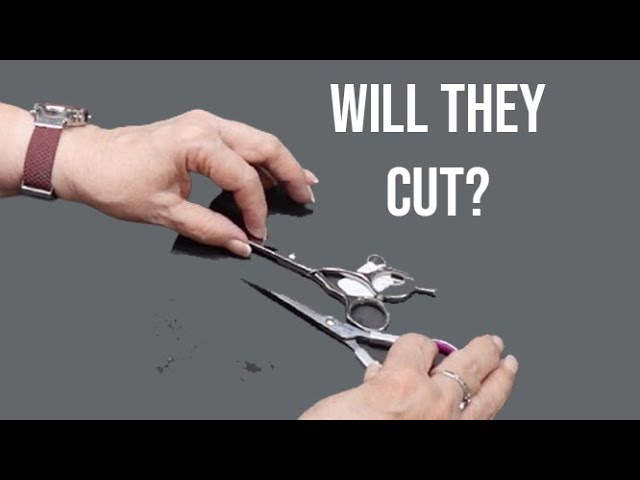
Are you struggling to get a smooth, precise cut every time you use your hair cutting shears? How you hold your shears can make all the difference between a clean cut and a frustrating experience.
If your hand feels tired or your cuts look uneven, the problem might be your grip. Learning the right way to hold your hair cutting shears will not only improve your technique but also protect your hand from strain. Keep reading, and you’ll discover simple, effective tips that will transform the way you cut hair—making every snip easier and more accurate.

Credit: scissortec.com
Choosing The Right Shears
Picking the right hair cutting shears is important for a good haircut. The right shears help you cut hair smoothly and reduce hand strain.
Knowing the types, size, weight, and material of shears will guide you to choose the best pair for your needs.
Types Of Hair Cutting Shears
There are different types of hair cutting shears. Each type serves a special purpose in hair cutting.
- Regular shears for straight cuts
- Thinning shears to reduce hair volume
- Texturizing shears for adding texture and layers
Choose the type that fits your cutting style and the look you want to create.
Shear Size And Weight
Shears come in different sizes, usually from 4.5 to 7 inches. Size affects control and comfort.
Lightweight shears reduce hand fatigue, especially during long cuts. Heavy shears may be hard to use for beginners.
- Smaller shears offer better precision
- Larger shears cut more hair at once
- Choose weight based on your hand strength
Material And Build Quality
Good shears are made from strong materials like stainless steel or Japanese steel. This makes them sharp and durable.
Check the build quality, including the screw and finger rests. These parts add comfort and help adjust tension.
- Stainless steel resists rust and stays sharp
- Japanese steel is known for sharpness and durability
- Adjustable tension screw controls blade tightness
- Ergonomic design reduces hand strain

Credit: www.jpscissors.com
Proper Hand Positioning
Holding hair cutting shears correctly helps you cut hair smoothly. It reduces hand fatigue and improves control.
Focus on how you place your fingers and grip the shears. This makes your cutting precise and safe.
Thumb Placement
Place your thumb in the thumb hole of the shear. It should fit comfortably without squeezing.
Keep your thumb relaxed and slightly bent. Avoid locking it straight or forcing it too deep.
Ring Finger Support
Insert your ring finger in the larger finger hole. This finger supports most of the shear’s weight.
Keep the ring finger steady but relaxed. This helps balance the shears during cutting.
Using The Pinky Rest
Rest your pinky on the small curved part of the shear called the pinky rest. It adds stability.
The pinky rest prevents your hand from slipping. Do not press too hard; keep it light and natural.
Finger Spacing And Grip
Keep fingers spaced comfortably apart. Avoid gripping the shears too tightly or too loosely.
- Firm but relaxed grip improves control
- Too tight grip causes hand cramps
- Too loose grip reduces cutting precision
- Maintain natural finger curve while holding
Techniques For Steady Cutting
Using hair cutting shears correctly ensures a clean and precise cut. It’s crucial to learn the right techniques to maintain a steady hand.
Here are some key techniques to help you hold and use your shears effectively. This will help you achieve professional results every time.
Controlling Shear Movement
Controlling the movement of your shears is essential for accuracy. Practice makes perfect, so take your time to get familiar with the motion.
Ensure your thumb is in the thumb ring and your ring finger is in the finger ring. Your index and middle fingers should rest on the shank for control. This grip allows for smooth and controlled movement.
Maintaining Consistent Tension
Consistent tension is vital for an even cut. It helps prevent uneven lines and ensures a polished look.
- Hold the section of hair firmly between your fingers.
- Keep the tension consistent throughout the cut.
- Check your grip frequently to maintain the same tension.
Avoiding Hand Fatigue
Hand fatigue can affect your precision. Taking breaks and using the correct technique reduces strain.
Ensure your hand and wrist are in a neutral position. This helps prevent discomfort and fatigue during longer cutting sessions.
Common Mistakes To Avoid
Holding hair cutting shears correctly is important for a good haircut. Many people use the wrong grip and cause hand pain or poor cuts.
This guide shows common mistakes to avoid when holding hair cutting shears. Fix these to cut hair more easily and safely.
Incorrect Finger Placement
Placing fingers in the wrong holes makes the shears hard to control. The thumb should go in one hole, and the ring finger in the other.
Putting the index or middle finger inside the holes can cause slips and poor cutting angles. This leads to uneven cuts and hand strain.
- Thumb goes in the smaller hole
- Ring finger fits in the larger hole
- Index and middle fingers rest outside on the shear handle
Overgripping The Shears
Holding the shears too tightly causes hand fatigue and less smooth cutting. Overgripping also reduces control and precision.
Use a light but firm grip. The shears should feel balanced and easy to open and close without extra force.
- Relax your hand muscles
- Use gentle pressure to hold the shears
- Let the shears move freely between cuts
Neglecting Shear Maintenance
Dirty or dull shears make cutting harder and can cause damage to hair. Neglecting maintenance increases hand effort and reduces shear life.
Clean shears after each use and oil them regularly. Sharpen blades when needed to keep cuts smooth and easy.
- Wipe shears clean after every haircut
- Apply oil to the pivot area weekly
- Sharpen blades every few months
Tips For Building Comfort And Precision
Holding hair cutting shears correctly helps you cut hair with ease. Comfort and precision reduce hand strain.
Small changes in how you hold shears improve your control and accuracy during haircuts.
Regular Practice Routines
Practice holding your shears every day to build muscle memory. This helps your hand stay steady.
Try cutting on different hair types or practice on mannequin heads. This improves your skill and confidence.
- Hold shears with your thumb and ring finger
- Use your index and middle fingers to guide
- Keep your pinky on the finger rest
- Open and close shears smoothly
Adjusting Tension Screws
Check the tension screw on your shears often. It controls how tightly the blades close.
If the tension is too loose, shears may slip or cut unevenly. Too tight makes cutting hard and tires your hand.
- Turn the screw clockwise to tighten
- Turn the screw counterclockwise to loosen
- Test by opening and closing the shears
- Find a smooth, balanced feel
Ergonomic Exercises For Hands
Strong and flexible hands hold shears better. Regular exercises reduce fatigue and injury.
Stretch and strengthen your fingers, wrists, and forearms to improve comfort and precision.
- Finger stretches: spread fingers wide, hold 10 seconds
- Wrist circles: rotate wrists slowly 10 times each way
- Grip strengthening: squeeze a soft ball 10 times
- Hand shakes: shake hands gently to relax muscles

Credit: www.amazon.in
Frequently Asked Questions
How Should I Position My Fingers On Hair Cutting Shears?
Place your thumb in the bottom ring and your ring finger in the top ring. Rest your index and middle fingers on the shank for control and balance. This grip reduces hand fatigue and improves precision during cutting.
Why Is The Thumb Hole Important For Holding Shears?
The thumb hole controls the opening and closing of the shears. It allows smooth movement and helps maintain tension. Proper thumb placement ensures comfort and prevents strain during prolonged use.
Can I Use Hair Cutting Shears Without The Finger Rest?
Yes, but the finger rest adds stability and control. It supports your pinky finger, reducing hand fatigue. Using it improves cutting accuracy and comfort, especially during extended haircuts.
How Do I Avoid Hand Fatigue When Holding Shears?
Hold shears with a relaxed grip, avoiding tension. Use the finger rest and proper finger placement. Take breaks and stretch your hand regularly to maintain comfort and prevent fatigue.
Conclusion
Holding hair cutting shears correctly makes cutting easier and safer. Keep your grip firm but relaxed to avoid hand strain. Use your thumb and ring finger in the right holes for control. Practice often to build confidence and steady hands.
Good technique helps create clean, even cuts every time. Remember, patience and practice bring the best results. Keep these tips in mind for better hair cutting skills. Simple steps lead to great outcomes.