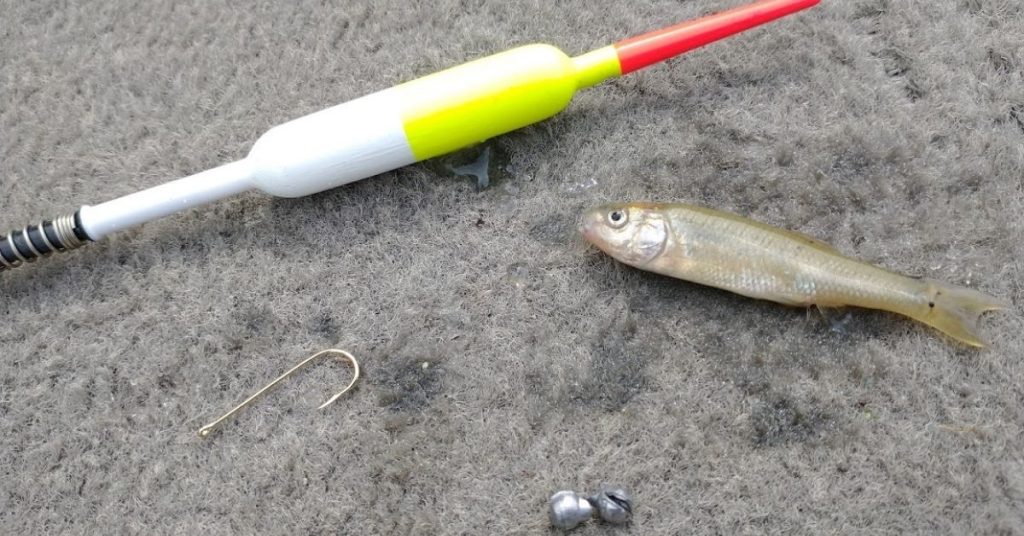
Are you ready to make your fishing trips more successful and enjoyable? Knowing how to attach a bobber to your fishing line is a simple skill that can change the way you fish.
A properly attached bobber keeps your bait at just the right depth, helping you catch more fish with less effort. In this guide, you’ll learn easy, step-by-step instructions to get your bobber on your line quickly and securely. By the end, you’ll feel confident and ready to improve your fishing game every time you head out.
Keep reading to discover the best tips and tricks that even beginners can follow!

Credit: www.youtube.com
Choosing The Right Bobber
Picking the correct bobber is important for a good fishing experience. It helps you know when a fish bites.
Different types and sizes of bobbers work best for certain fish and fishing spots.
Types Of Bobbers
Bobbers come in many shapes and styles. Each type works well in different situations.
- Round Bobbers:Classic, easy to use, best for calm waters.
- Slip Bobbers:Move freely on the line, good for deep water fishing.
- Stick Bobbers:Long and thin, ideal for fast-moving water.
- Bubble Bobbers:Small and hollow, used for lightweight bait.
Selecting Size And Material
Choosing the right size and material of a bobber affects how well it floats and reacts.
| Size | Best Use | Typical Weight |
| Small (1/8 to 1/4 oz) | Light bait, small fish | Up to 1/4 oz |
| Medium (1/4 to 1/2 oz) | General fishing, medium fish | 1/4 to 1/2 oz |
| Large (1/2 oz and up) | Heavy bait, big fish, rough water | 1/2 oz and more |
| Material | Plastic, foam, or wood—each affects buoyancy and durability. | |
Gathering Necessary Tools
Attaching a bobber to a fishing line needs the right tools. Getting these tools ready saves time and makes fishing easier.
Before you start, gather all the items. This helps you stay organized and focused on fishing.
Fishing Line Types
Different fishing lines work better with certain bobbers. Choose the right line to attach the bobber well.
Monofilament, fluorocarbon, and braided lines are common. Each has unique features and uses.
- Monofilament:Soft and easy to handle. Great for beginners.
- Fluorocarbon:Almost invisible in water. Good for clear water fishing.
- Braided:Very strong and thin. Best for heavy fish and deep water.
Additional Equipment Needed
You need more than just the fishing line and bobber. Other tools help attach the bobber securely.
Some tools make the process faster and safer. Prepare these before attaching your bobber.
- Bobbers or floats in the right size for your fishing
- Fishing scissors or line cutters to trim excess line
- Swivels and hooks to connect your bait
- Needle-nose pliers to help hold small parts
- Optional: Bobber stops or rubber bands to keep the bobber in place
Preparing The Fishing Line
Preparing your fishing line is a key step before attaching a bobber. It helps ensure smooth casting and better control.
Taking time to measure the line and remove knots makes fishing easier and more enjoyable.
Measuring The Line
Measure the fishing line to match the length you need for your fishing spot. Too much line can tangle easily.
- Pull out the line from the reel slowly.
- Use a ruler or measuring tape for accuracy.
- Cut the line to the desired length.
- Leave extra length for tying knots.
Removing Knots And Tangling
Knots and tangles can weaken the line and cause fishing problems. Check the line carefully before use.
| Problem | Solution |
| Small knots | Loosen gently with fingers or a needle |
| Large tangles | Untwist line slowly and separate strands |
| Broken line sections | Cut out damaged parts and retie |
Attaching A Slip Bobber
Fishing with a slip bobber is a great way to catch fish. It helps your bait reach the desired depth. Here is how to attach a slip bobber to your fishing line.
Follow these steps to ensure your bobber is correctly attached. This will improve your fishing experience.
Threading The Bobber Stop
The bobber stop is crucial for controlling depth. It is a small knot that you place on the fishing line.
Adding The Bead
Next, you need to add a bead to the line. The bead protects the bobber stop.
- Slide the bead onto the line after the bobber stop.
- Ensure the bead is snug against the stop.
- This will prevent the bobber from damaging the knot.
Sliding The Bobber On
Now it’s time to slide the bobber onto the line. This is the last step in setting up your slip bobber.
Carefully slide the bobber onto the line, positioning it above the bead. This setup allows the bobber to slide freely.
Attaching A Fixed Bobber
Using a fixed bobber helps you keep your bait at a set depth. This method is good for fishing in calm waters. It is simple and keeps your line stable.
This guide shows how to attach a fixed bobber with two main steps. First, you pinch the bobber clip. Then, you secure the bobber on the fishing line.
Pinching The Bobber Clip
The bobber clip has two small arms that hold the line tightly. Pinching these arms helps open the clip. This lets you slide the line inside the clip easily.
- Hold the bobber clip with your thumb and forefinger.
- Pinch the clip gently to open the arms.
- Make sure the clip opens enough to fit the fishing line.
- Keep the clip pinched while you move to the next step.
Securing The Bobber On Line
After pinching the clip, slide the fishing line between the arms. Let go of the clip slowly so it holds the line firmly. Check that the bobber does not move on the line.
| Action | Details |
| Slide Line | Insert fishing line between the clip arms carefully. |
| Release Clip | Let go of the clip to grip the line tightly. |
| Check Stability | Test if the bobber stays fixed on the line. |

Credit: www.youtube.com
Setting Bobber Depth
Setting the right depth for your bobber helps catch fish at the correct water level. You can control how deep your bait goes by adjusting the bobber.
Knowing how to set the bobber depth increases your chances of a good catch. It also helps keep your bait in the strike zone.
Adjusting Distance From Hook
Move the bobber up or down the fishing line to change the depth. The distance between the bobber and the hook decides how deep the bait will be.
Start by pinching the bobber clip or slide and slide it along the line. Set it closer to the hook for shallow water and farther for deeper water.
- Short distance means bait stays near the surface
- Longer distance lets bait sink deeper
- Adjust based on the fish you want to catch
Testing Depth In Water
Drop your bait in the water and watch the bobber. It should float smoothly and stay upright. If it sinks or pulls, adjust the depth.
Try moving the bobber up or down and check the bait position. The bait should hover where fish usually swim, not on the bottom or surface.
- Cast near the fishing spot
- Watch how the bobber sits in the water
- Move the bobber if the bait is too high or low
- Repeat until the bait is at the right depth
Final Checks And Tips
Attaching a bobber to your fishing line requires careful final checks. These checks help ensure your bobber works well in the water. Use these tips to avoid common mistakes and keep your bobber stable.
Ensuring Bobber Stability
Check that the bobber is firmly attached to the line. It should not slide too easily or feel loose. A stable bobber keeps your bait at the right depth and signals bites clearly.
- Make sure the clip or knot holding the bobber is tight.
- Test the bobber by moving it up and down the line gently.
- Adjust the position of the bobber to match the depth you want.
- Use a bobber size that matches your fishing conditions and bait weight.
- Inspect the line for any damage near the bobber to avoid breaks.
Common Mistakes To Avoid
Many anglers make small errors that reduce bobber effectiveness. Watch out for these common problems to improve your fishing experience.
| Mistake | Why It Matters | How to Fix |
|---|---|---|
| Loose attachment | Bobber slips and changes depth | Tighten clip or knot securely |
| Wrong bobber size | Bobber sinks or floats too high | Choose bobber size based on bait and water |
| Incorrect depth setting | Missed fish bites below or above bobber | Adjust bobber position to target fish depth |
| Damaged fishing line | Line breaks easily near bobber | Replace or trim damaged line sections |
| Ignoring bobber movement | Miss signs of fish bites | Watch bobber carefully for subtle movements |

Credit: www.amazon.com.au
Frequently Asked Questions
How Do I Attach A Bobber To A Fishing Line?
To attach a bobber, clip it onto the fishing line at the desired depth. Ensure the clip is secure but not too tight, allowing smooth movement.
What Is The Best Bobber Type For Beginners?
Slip bobbers are ideal for beginners. They allow easy depth adjustments and provide clear bite detection, improving fishing success.
Can I Use Any Fishing Line With A Bobber?
Yes, most fishing lines like monofilament and fluorocarbon work well with bobbers. Ensure compatibility with your bobber’s clip or stopper.
How Far From The Hook Should The Bobber Be Placed?
Place the bobber about 12 to 18 inches above the hook for most fishing situations. Adjust based on target fish and water depth.
Conclusion
Attaching a bobber to your fishing line is simple and quick. This skill helps you catch fish more easily. You just need a few steps and a little practice. Keep the bobber tight but not too tight on the line.
Now you can enjoy fishing with better control and fun. Try it out next time you go fishing. It makes a big difference in your fishing experience. Happy fishing!