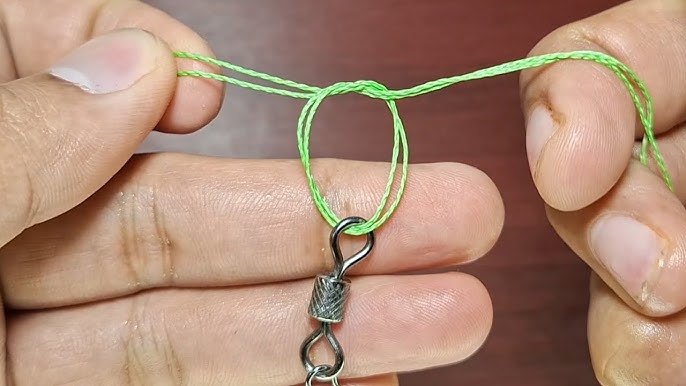
Are you tired of your fishing line slipping off the swivel and losing your catch? Knowing how to tie your fishing line to a swivel the right way can make all the difference on your next fishing trip.
It’s a simple skill that boosts your confidence and keeps your gear strong and reliable. You’ll learn easy, step-by-step techniques to secure your line quickly and effectively. Keep reading, and you’ll be ready to fish smarter and catch more.
Credit: www.beadinggem.com
Choosing The Right Swivel
Picking the right swivel is important for tying fishing line. The swivel keeps your line from twisting and tangling. It also helps connect different parts of your fishing setup.
There are many types of swivels. You should match your swivel to the strength of your fishing line. This helps keep your line strong and your catch secure.
Types Of Swivels
Swivels come in different styles. Each type works best for certain fishing needs. Knowing the types helps you pick the right one for your gear.
- Barrel Swivel:Simple and common. Good for general fishing.
- Ball Bearing Swivel:Has ball bearings inside for smooth rotation. Best for heavy lines.
- Snap Swivel:Has a snap to change lures or leaders quickly.
- Three-Way Swivel:Used to attach three lines. Good for trolling or bottom rigs.
Matching Swivel To Line Strength
Choose a swivel that matches the breaking strength of your fishing line. Using the wrong size can cause breaks or poor performance.
| Line Strength (lbs) | Recommended Swivel Size | Swivel Type |
|---|---|---|
| 2-6 | Small (size 8-12) | Barrel or Snap |
| 6-15 | Medium (size 4-8) | Barrel or Snap |
| 15-30 | Large (size 2-4) | Ball Bearing or Barrel |
| 30+ | Extra Large (size 1/0 and up) | Ball Bearing |
Preparing Your Fishing Line
Preparing your fishing line is important before tying it to a swivel. Proper preparation helps ensure a strong and reliable knot.
This guide covers cutting and inspecting the line, and moistening the line for better knot strength.
Cutting And Inspecting The Line
Cut your fishing line with sharp scissors or line cutters. A clean cut prevents fraying and weak spots.
- Use sharp tools for a neat cut
- Check the line for any damage or nicks
- Remove any frayed or worn parts
- Make sure the line is the correct length for your setup
Moistening The Line
Moistening your line before tying helps reduce friction. This keeps the knot tight and prevents line damage.
| Why Moistening Helps | How to Moisturize |
| Reduces heat from friction | Use water or saliva |
| Prevents line from burning | Apply before pulling the knot tight |
| Ensures knot stays strong | Moisten each part of the knot |
Popular Knots For Swivels
Fishing requires strong knots to keep your line secure. Knowing how to tie these knots helps you catch more fish.
Different knots work well with swivels. Here are three common ones used by anglers.
Improved Clinch Knot
The Improved Clinch Knot is popular for attaching line to a swivel. It is simple yet effective.
- Thread the line through the swivel eye.
- Wrap the line around itself five times.
- Pass the end through the loop near the eye.
- Bring it back through the big loop.
- Pull tight and trim the excess.
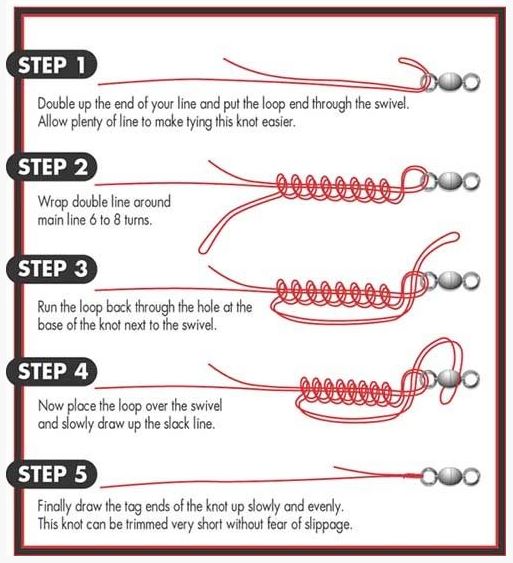
Palomar Knot
The Palomar Knot is known for its strength. It is easy to tie and holds well.
To tie a Palomar Knot:
- Double the line and pass it through the swivel.
- Tie a simple overhand knot with the doubled line.
- Pass the loop over the swivel.
- Pull both ends to tighten.
Uni Knot
The Uni Knot is versatile and works for many types of fishing lines. It is reliable for attaching lines to swivels.
| Step | Description |
| 1 | Pass the line through the swivel eye and double back. |
| 2 | Make a loop beside the standing line. |
| 3 | Wrap the tag end around the double line and through the loop. |
| 4 | Make 4 to 5 turns. |
| 5 | Moisten and pull tight. |

Credit: www.wikihow.com
Step-by-step Knot Tying
Tying fishing line to a swivel is simple. Using the right knot keeps your line strong.
Follow these steps to attach your line securely and avoid losing fish.
Attaching Line To Swivel
Start by threading the fishing line through the swivel eye. Leave a few inches of line free.
Wrap the free end around the main line at least five times. This forms the base of your knot.
- Pass the tag end back through the loop near the swivel eye
- Make sure the loops do not overlap or twist
- Keep the wraps tight and neat
Tightening And Securing Knot
Hold the swivel and main line firmly. Slowly pull the tag end to tighten the knot.
Wet the knot with water or saliva before tightening. This reduces friction and prevents line damage.
- Pull the main line to remove slack
- Ensure the coils tighten evenly
- Check that the knot sits close to the swivel eye
Trimming Excess Line
Use sharp scissors or clippers to cut the tag end. Leave about 1/8 inch of line after the knot.
Trimming too close can cause the knot to slip. Too much excess can tangle in the water.
- Cut slowly to avoid fraying the line
- Check the knot’s tightness after trimming
- Make final adjustments if needed
Tips For Stronger Knots
Tying a fishing line to a swivel needs care to keep it strong. A strong knot stops the line from breaking.
Use simple steps to make your knots last longer. This helps catch more fish without losing your gear.
Avoiding Line Damage
Line damage weakens your knot and can cause it to fail. Be gentle when tying to protect the line.
Do not pull the line too hard or twist it too much. Keep the line smooth and avoid sharp bends.
- Moisten the line before tightening the knot
- Use scissors to trim excess line carefully
- Choose a knot type that suits your line material
- Avoid rubbing the line against rough surfaces
Testing Knot Strength
Testing your knot strength helps you know if it will hold. Pull the line slowly to check the knot.
If the knot slips or breaks, retie it using a better method. Practice testing before fishing for best results.
- Pull the line firmly but smoothly
- Look for any slippage or loosening
- Retie knots that feel weak or loose
- Practice tying knots regularly to improve skill

Credit: www.youtube.com
Common Mistakes To Avoid
Tying fishing line to a swivel seems simple. Small errors can cause big problems while fishing.
Learn about common mistakes. Avoid these to keep your line strong and reliable.
Loose Knots
Loose knots can slip and break easily. A tight knot holds better under pressure.
Always pull the knot firmly before cutting the tag end. This prevents slipping during a catch.
- Do not leave gaps in the knot
- Make sure the knot is snug against the swivel eye
- Wet the line before tightening to reduce friction
Incorrect Knot Choice
Using the wrong knot weakens the connection. Some knots suit swivels better than others.
Choose knots designed for swivels to ensure strength and reliability while fishing.
- Improved Clinch Knot works well for monofilament
- Palomar Knot is strong and easy to tie
- Uni Knot offers good strength and versatility
Frequently Asked Questions
How Do You Tie Fishing Line To A Swivel?
To tie fishing line to a swivel, use a strong knot like the Improved Clinch Knot. Thread the line through the swivel eye, wrap it around the line five times, then pass the tag end through the loop and tighten securely.
What Is The Best Knot For Tying A Swivel?
The Improved Clinch Knot is the best for tying a swivel. It provides a strong, reliable connection and is easy to tie. This knot holds well under tension and resists slipping, making it ideal for fishing lines attached to swivels.
Why Use A Swivel In Fishing Line Setup?
A swivel prevents line twisting and tangling during fishing. It allows the lure or bait to spin freely while keeping the main line stable. This reduces line damage and improves casting and retrieval efficiency, enhancing your fishing experience.
Can I Use Any Fishing Line With A Swivel?
Yes, swivels work with most fishing lines including monofilament, fluorocarbon, and braided lines. Choose a swivel size that matches your line strength. Proper knot tying ensures the swivel holds securely regardless of line type.
Conclusion
Tying a fishing line to a swivel is simple and useful. It helps stop line twists and keeps your rig strong. Practice the knot a few times to feel confident. Use the right knot to keep your line secure. This small step can improve your fishing experience a lot.
Keep your knots tight and neat for best results. Remember, patience and practice make fishing more enjoyable. Try different knots and find what works best for you. Fishing becomes easier when you know these basic skills.