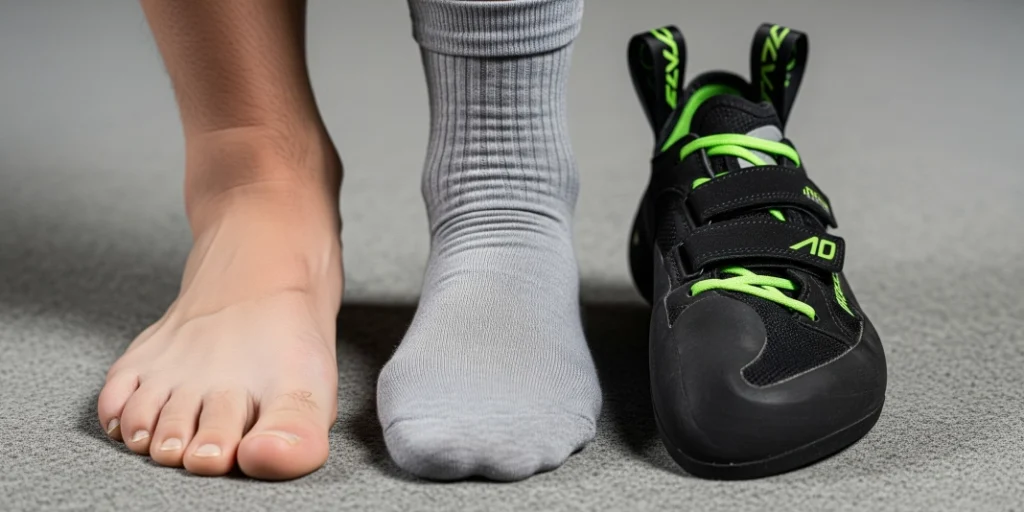
Are you wondering if you should wear socks with your climbing shoes? It’s a common question that many climbers, whether beginners or pros, ask themselves.
What you choose can change how comfortable you feel, how well you grip, and even how long your shoes last. You’ll discover the real benefits and downsides of wearing socks while climbing. By the end, you’ll know exactly what works best for your feet and your climbs.
Keep reading to find out how a simple choice could make your climbing experience better.
Socks And Climbing Shoes Basics
Many climbers ask if they should wear socks with climbing shoes. Socks can change how shoes fit and feel. Understanding the basics helps you decide what works best for you.
Climbing shoes are made to fit tightly for better control. Socks add a layer between your foot and shoe. This layer can affect comfort, grip, and shoe performance.
Material Matters
The material of your socks matters a lot. It can affect breathability, moisture control, and friction inside the shoe. Choosing the right material helps your feet stay comfortable and dry.
Natural fibers like wool are soft and help with moisture. Synthetic fibers dry faster and reduce slipping. Avoid thick cotton socks because they hold sweat and add bulk.
- Wool: Soft, moisture-wicking, good for cold weather
- Synthetic: Quick-drying, thin, reduces slipping
- Cotton: Thick, holds sweat, less ideal for climbing
Types Of Climbing Socks
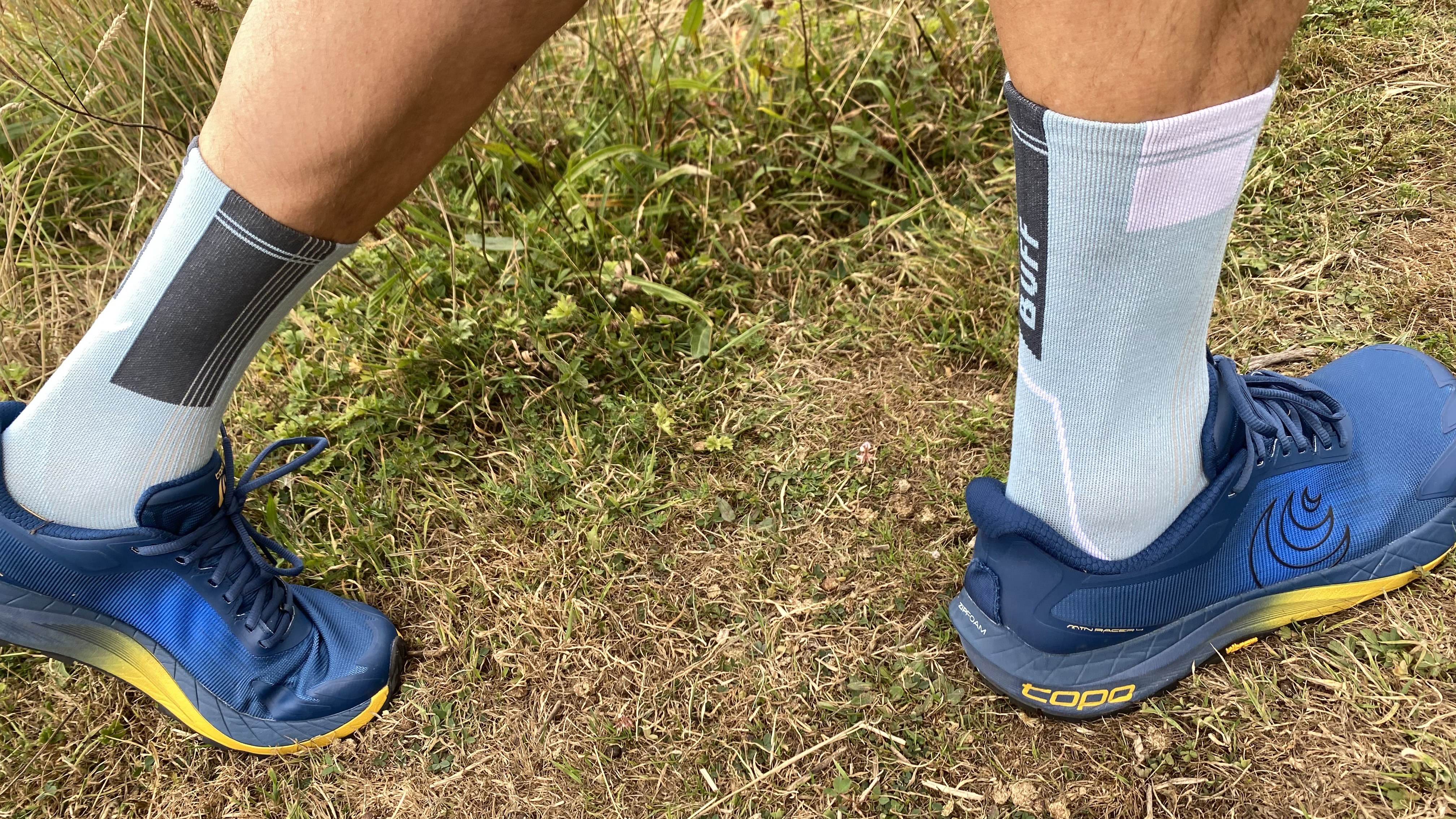
There are many types of climbing socks. Some are designed for comfort, others for performance. Picking the right type depends on your shoe fit and climbing style.
Thin socks fit well in tight shoes and prevent blisters. Padded socks offer extra comfort but can make shoes feel tight. Some socks have special designs to reduce slipping inside the shoe.
- Thin socks: Minimal bulk, good for tight shoes
- Padded socks: Extra cushioning, less tight fit
- No-show socks: Low cut, reduce sweat and odor
- Anti-slip socks: Grip on inside, prevent foot movement
Credit: www.advnture.com
Benefits Of Wearing Socks
Wearing socks with climbing shoes can improve your climbing experience. Socks add a layer between your skin and the shoe.
They help protect your feet and keep them comfortable during long climbs.
Improved Comfort
Socks cushion your feet and reduce pressure points inside climbing shoes. They make tight shoes feel less harsh on your skin.
- Socks absorb sweat and keep feet dry
- Soft fabric reduces friction and rubbing
- Extra padding soothes sensitive areas
Reduced Odor
Climbing shoes can trap sweat and bacteria. Socks help stop bad smells by absorbing moisture.
| Type of Sock | Odor Control | Moisture Wicking |
|---|---|---|
| Cotton | Low | Poor |
| Wool | High | Good |
| Synthetic | Medium | Excellent |
Blister Prevention
Socks reduce rubbing between your skin and the shoe. This lowers the chance of blisters forming.
- Protects skin from direct contact with shoe seams
- Reduces friction that causes hot spots
- Keeps feet dry to prevent skin irritation
Advantages Of Going Sockless
Climbers often debate if they should wear socks with their climbing shoes. Many prefer going sockless for several reasons. Let’s explore the benefits of climbing without socks.
Wearing climbing shoes without socks can enhance your performance. Here are some reasons climbers choose to go sockless.
Better Sensitivity
Going sockless improves the sensitivity of your feet. This helps in feeling the texture of the climbing surface better. You can quickly adjust your grip and movements.
- Feel tiny holds with ease
- React quickly to shifts in the rock
- Use your toes more effectively
Enhanced Fit
Climbing shoes are designed to fit snugly. Wearing socks can make them feel tight. Without socks, the shoes mold to your feet better.
This custom fit improves comfort and performance. Your foot moves less inside the shoe, reducing blisters.
Increased Grip
Sockless climbing shoes provide better grip. The direct contact between your foot and the shoe material enhances traction. You can push harder against the rock.
| Feature | Benefit |
| Direct Contact | Enhanced Traction |
| Snug Fit | Better Control |
| Improved Sensitivity | Feel Every Surface |
When To Choose Socks
Deciding whether to wear socks with climbing shoes depends on your needs. Socks can add comfort or warmth in some cases.
Some climbers prefer socks for certain conditions. Knowing when to choose socks helps improve your climbing experience.
Cold Weather Climbing
In cold weather, wearing socks with climbing shoes helps keep your feet warm. Thin, moisture-wicking socks work best to avoid sweat build-up.
Socks add an extra layer of insulation. This helps prevent numbness and frostbite during cold climbs.
- Choose thin socks to keep fit tight
- Use wool or synthetic materials for warmth
- Avoid thick socks that reduce shoe sensitivity
Long Sessions
For long climbing sessions, socks can reduce foot sweat and friction. This helps prevent blisters and discomfort.
Socks absorb moisture and protect skin from rubbing against the shoe. This keeps your feet healthier during long climbs.
- Pick breathable socks to manage sweat
- Use socks with padding in high-friction areas
- Change socks if they get wet during climbing
Sensitive Skin
Climbers with sensitive skin may benefit from wearing socks. Socks create a soft barrier between skin and shoe.
This barrier reduces irritation and prevents cuts or rashes. Choose socks made from soft, natural fibers for comfort.
- Look for seamless socks to avoid pressure points
- Choose hypoallergenic materials like cotton or bamboo
- Keep socks clean to avoid skin infections
Selecting The Right Socks
Choosing the right socks for climbing shoes can affect comfort and performance. Socks protect your feet and help control moisture. Picking good socks makes climbing more enjoyable.
It is important to know which materials work best. Also, the fit and thickness matter a lot. Durability keeps your socks lasting through many climbs.
Material Choices
Socks come in many materials. Each type offers different benefits for climbers. Some keep feet dry, while others provide extra warmth.
- Wool:Warm, breathable, and controls odor well.
- Synthetic fibers:Dry quickly and offer good stretch.
- Cotton:Soft but holds moisture and can cause blisters.
- Blends:Combine materials to balance comfort and performance.
Fit And Thickness
Socks should fit snugly without wrinkles or bunching. Thick socks may reduce shoe fit and sensitivity. Thin socks give more control but less cushioning.
| Fit | Snug, no wrinkles |
| Thickness | Thin for tight fit, thick for comfort |
| Purpose | Better shoe feel vs. added padding |
Durability
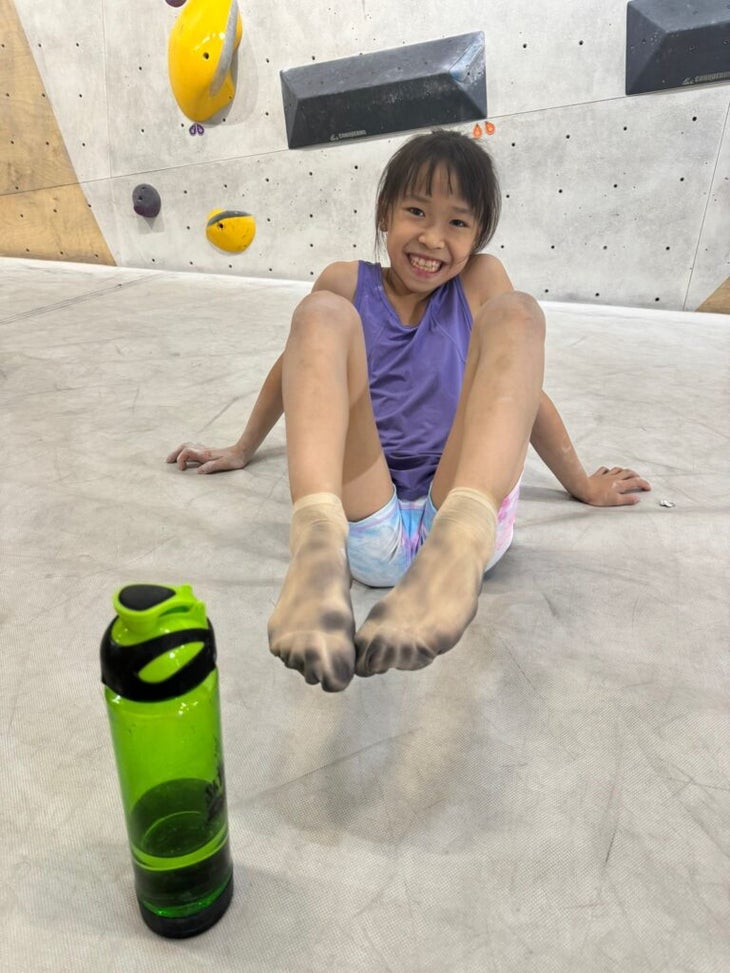
Climbing socks face tough wear. Durable socks last longer and save money. Look for reinforced toes and heels. Good stitching prevents holes.
Tips for durable socks:
- Choose socks with strong fibers
- Avoid socks that wear thin quickly
- Wash socks gently to keep shape
Credit: www.climbing.com
Tips For Sock And Shoe Care
Wearing socks with climbing shoes is a personal choice. Taking good care of your socks and shoes keeps them fresh and lasts longer.
Proper cleaning, drying, and storage help avoid bad smells and damage. Here are some tips to keep your gear in good shape.
Cleaning Techniques
Clean your climbing shoes after every use. Dirt and sweat build up inside and cause odors.
Use a soft brush or cloth to remove dirt on the outside. For inside, wipe with a damp cloth and mild soap.
- Do not soak shoes in water
- Avoid harsh chemicals or strong detergents
- Wash socks regularly to keep them fresh
Drying And Storage
Dry climbing shoes naturally at room temperature. Avoid direct sunlight or heaters to stop damage.
Store shoes in a cool, dry place. Keep socks clean and dry before storing with your shoes.
- Remove insoles to dry separately
- Do not store shoes in plastic bags
- Use shoe trees or stuff with paper to keep shape
Extending Shoe Life
Rotate between pairs of climbing shoes if possible. This lets each pair dry fully and rest.
Check shoes regularly for wear and tear. Fix small damages early to avoid bigger problems.
- Use specialized shoe care products for repairs
- Replace worn-out insoles for comfort
- Keep socks clean to protect shoe lining
Credit: www.climbing.com
Frequently Asked Questions
Should I Wear Socks With Climbing Shoes?
Most climbers prefer barefoot for better grip and sensitivity. Socks can reduce shoe fit and foot feel. However, thin socks help prevent blisters and absorb sweat. Choose based on comfort, climbing style, and shoe fit.
Do Socks Affect Climbing Shoe Performance?
Yes, socks can slightly reduce shoe tightness and foot sensitivity. This may impact precision on small holds. Thin socks minimize this effect, but barefoot climbing offers the best performance and control.
Can Wearing Socks Prevent Foot Odor In Climbing Shoes?
Wearing moisture-wicking socks helps absorb sweat and reduces odor. Socks create a barrier that keeps feet drier. Barefoot climbing can increase odor due to sweat buildup. Proper shoe hygiene is also essential.
What Type Of Socks Are Best For Climbing Shoes?
Choose thin, breathable, moisture-wicking socks for climbing. Avoid thick or bulky socks that affect shoe fit. Synthetic or wool blends work well to prevent blisters and manage sweat.
Conclusion
Wearing socks with climbing shoes depends on your comfort and shoe fit. Socks can add padding and prevent blisters, but they may reduce shoe sensitivity. Some climbers prefer no socks for better grip and feel. Others choose thin socks for hygiene and warmth.
Try both ways and see what works best for you. Comfort and safety should guide your choice. Keep your feet dry and avoid pain during climbs. Small changes can make a big difference in your climbing experience.