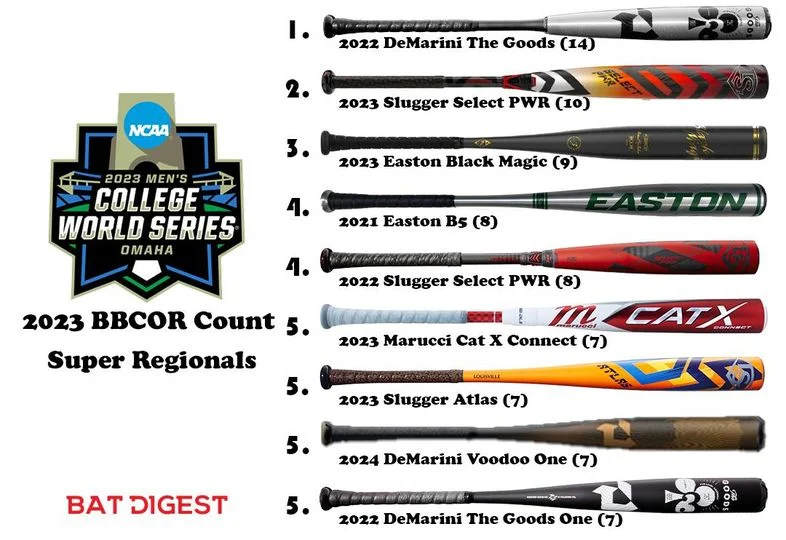
Are you curious about the gear college baseball players use? If you’ve ever wondered whether college baseball uses wood bats or something else, you’re not alone.
The type of bat can change the entire feel of the game and even affect how players perform. You’ll discover the truth about college baseball bats and why the choice matters to both players and fans like you. Keep reading to find out what makes college baseball unique and how the bats impact every swing.

Credit: skazone.medium.com
College Baseball Bat Types
College baseball players use different kinds of bats for their games. The main types are aluminum and wood bats. Each type has its own features and rules.
Knowing about these bats helps understand how college baseball works. It also shows how players choose their equipment.
Aluminum Bats In College
Most college baseball teams use aluminum bats. These bats are lighter than wood bats. They help players swing faster and hit the ball harder.
Aluminum bats last longer than wood bats. They also cost less over time because they do not break easily. College rules allow using aluminum bats with certain standards.
- Made from metal, usually aluminum alloy
- Lighter weight for faster swings
- Stronger and more durable
- Must meet NCAA performance rules
Wood Bats Usage
Wood bats are less common in college baseball. Some leagues or tournaments require wood bats only. Wood bats are heavier and can break more easily.
Players sometimes use wood bats to practice for professional leagues. Wood bats help improve bat control and strength. They are also used in special college events.
- Made from solid wood like maple or ash
- Heavier than aluminum bats
- Can break after hard hits
- Used in some college leagues and tournaments
Reasons For Bat Choices
College baseball players use different types of bats. Some use wood bats, and others use metal or composite bats. The choice depends on many reasons.
These reasons include how well the bat performs, safety for players, and how much the bats cost. Each factor plays a big role in deciding which bat to use.
Performance Factors
Wood bats feel different when hitting the ball. Some players like the natural balance and weight of wood bats. Metal bats can hit balls farther and faster because of their design.
College leagues may choose wood bats to prepare players for professional baseball. Wood bats help players learn good hitting techniques better than metal bats.
Safety Considerations
Wood bats break more easily than metal bats. Broken wood bats can cause sharp pieces to fly, which can be dangerous. Metal bats usually do not break, but they can hit the ball harder.
Some college leagues prefer wood bats to keep the game safer. Using wood bats may reduce the chance of fast balls causing injuries to pitchers and fielders.
Cost Implications
Wood bats cost less per bat but break more often. Teams need to buy new wood bats regularly. Metal bats cost more upfront but last longer.
College teams must balance the cost of replacing wood bats with the higher price of metal bats. Budget limits affect the choice of bat type.
League And Division Variations
College baseball leagues have different rules for bats. Some use wood, others allow metal. It depends on the league or division.
Understanding these variations can help players and fans know what to expect. Let’s look at the rules for different divisions.
Ncaa Regulations
The NCAA is the main college sports organization. It allows metal bats in baseball. Players can choose between wood and metal.
Most players prefer metal because the ball travels farther. Metal bats are lighter, making them easier to swing.
Junior College Rules
Junior colleges follow similar rules to the NCAA. Metal bats are allowed and popular. They provide an advantage in hitting power.
Some junior colleges might use wood bats for specific games. It depends on the league or coach’s preference.
Naia And Other Leagues
The NAIA is another college sports organization. It allows both wood and metal bats. Players often choose metal for better performance.
Other leagues might have different rules. Some smaller leagues prefer wood bats to keep costs down. It’s always best to check the specific league rules.
- NCAA: Metal and wood bats allowed
- Junior Colleges: Mostly metal, some wood in special games
- NAIA: Metal and wood bats allowed
- Other Leagues: Rules may vary, check with your league
Impact On Player Development
College baseball players often face decisions about the type of bats they use. Wood bats are common in professional leagues, but college teams sometimes use metal bats. The choice affects how players develop their skills.
This article looks at how using wood bats in college impacts player growth. It focuses on two key areas: the transition to professional baseball and skill adaptation.
Transition To Professional Baseball
Using wood bats in college helps players prepare for pro baseball. It gives them a chance to get used to the feel and weight of wood. This reduces the adjustment time when they move to the next level.
- Players learn proper swing mechanics needed for wood bats.
- They improve timing since wood bats have a smaller sweet spot.
- It helps players understand how to control the bat better.
- Using wood bats lowers the risk of relying on metal bat power.
- Players gain confidence facing professional pitching styles.
Skill Adaptation
Wood bats demand different skills than metal bats. Players must adjust their hitting approach to match the bat’s characteristics. This change supports long-term development.
| Skill | Metal Bat | Wood Bat |
| Sweet Spot Size | Large | Small |
| Bat Speed | Higher | Moderate |
| Power Reliance | High | Lower |
| Swing Control | Less Critical | More Critical |
| Timing Precision | Moderate | High |
Future Trends In College Bat Usage
College baseball mostly uses metal bats now. Wood bats are rare but some want to change that.
New rules and technology may affect the type of bats players use soon.
Potential Rule Changes
Some groups want to bring wood bats back to college baseball. They think wood bats make the game safer.
Rules might change to limit metal bat use or require wood bats in certain leagues. This could help players prepare for pro baseball.
- Possible wood bat requirements in specific tournaments
- Restrictions on bat performance standards
- Testing and certification rules for bats
Technological Advances
Bat makers keep improving metal bats to be safer and perform better. New materials and designs may change bat choices.
Technology may also help monitor bat speed and impact, helping coaches pick the right bats for players.
- Stronger and lighter materials for bats
- Better bat designs for control and safety
- Smart sensors to track bat use and performance

Credit: www.bannersontheparkway.com
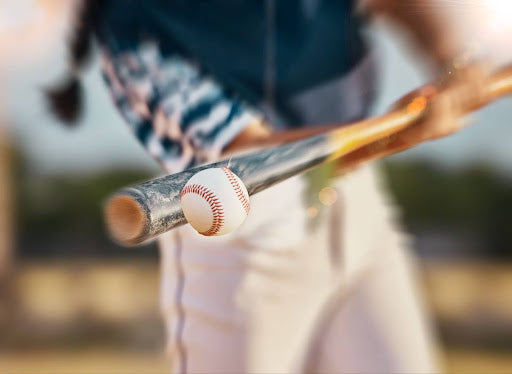
Credit: baseball360.com
Frequently Asked Questions
Does College Baseball Use Wood Bats Or Metal Bats?
College baseball primarily uses metal bats, especially aluminum alloys. Wood bats are rare and mostly seen in special leagues or tournaments. Metal bats offer durability and performance benefits, making them standard in NCAA games.
Why Do College Players Prefer Metal Bats Over Wood Bats?
Metal bats are lighter and generate more power and speed. They also have a larger sweet spot. These features help college players improve batting performance and reduce injury risk compared to wood bats.
Are Wood Bats Allowed In Ncaa College Baseball?
Wood bats are generally not allowed in NCAA college baseball games. However, some leagues and summer tournaments may permit wood bats to prepare players for professional levels.
How Does Bat Type Affect College Baseball Gameplay?
Metal bats increase ball speed and distance due to their design. This leads to faster-paced games with more offensive action. Wood bats produce less power, resulting in a different style of play.
Conclusion
College baseball mostly uses metal bats, not wood. Wood bats are rare in college games. Metal bats offer more power and durability for players. Some leagues and tournaments may require wood bats to prepare players for pro baseball. Using wood bats changes the game’s speed and strategy.
Players must adjust their hitting style with wood bats. Knowing the type of bat helps fans understand the game better. Whether metal or wood, each bat type affects play differently. This choice shapes how college baseball is played today.