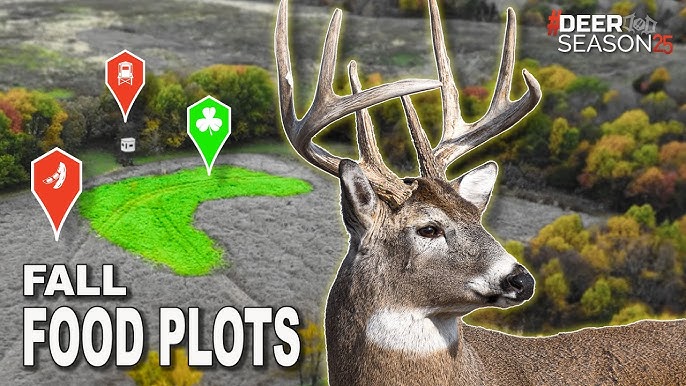
If you want to attract deer to your property and improve your hunting success, planting the right food plot is key. But with so many options out there, it can be confusing to know what will work best for your land and local deer.
You’ll discover exactly what to plant to create a thriving deer food plot that keeps deer coming back season after season. Whether you’re a beginner or looking to improve your current plot, these simple tips will help you grow a healthy, deer-friendly garden that supports your goals.
Keep reading to learn how to make your food plot a magnet for deer.
Choosing The Right Location
Picking the right place for your deer food plot is very important. The location affects how well your plants will grow.
Good soil, enough sunlight, and water access help make a healthy food plot. These factors help plants grow strong for deer to eat.
Soil Types And Preparation
Deer food plots grow best in fertile soil with good drainage. Clay or sandy soils may need extra care before planting.
Test your soil to check its pH and nutrients. Adding lime or fertilizer can improve soil quality for better plant growth.
- Loamy soil is best for most deer plants
- Clay soil needs to be loosened and drained
- Sandy soil may require added organic matter
- Use soil tests to decide on lime or fertilizer
Sunlight And Water Access
Choose a spot that gets at least six hours of sunlight daily. Deer plants need sunlight to grow healthy and strong.
Make sure your food plot has easy access to water. Plants need water to stay alive, especially during dry times.
- Open areas get more sunlight
- Avoid deep shade from tall trees
- Check if you can water the plot if needed
- Near a water source can help plants grow better

Credit: www.gameandfishmag.com
Best Forage Crops For Deer
Deer need a variety of plants to stay healthy. Choosing the right crops for your food plot helps provide good nutrition. This guide covers the best forage crops for deer.
We focus on three main crop types: legumes, brassicas, and grains. Each offers unique benefits for deer nutrition and energy.
Legumes For Protein
Legumes supply high protein, which helps deer build muscle. They also improve soil health by fixing nitrogen. Common legumes include clover, alfalfa, and vetch.
- Clover – grows well in many soils and seasons
- Alfalfa – high in protein and digestible fiber
- Vetch – adds variety and stays green late
Brassicas For Nutritious Greens
Brassicas provide leafy greens rich in vitamins and minerals. They grow fast and stay green into fall and winter. Popular brassicas include turnips, kale, and radishes.
| Brassica Crop | Benefits | Best Planting Time |
| Turnips | Good roots and leaves | Late summer to early fall |
| Kale | High vitamins, winter hardy | Late summer |
| Radishes | Fast growing, tasty greens | Early fall |
Grains For Energy
Grains give deer the energy they need. They are high in carbohydrates and easy to digest. Corn, oats, and barley are common energy grains.
- Corn – high calories and easy to grow
- Oats – good for cool seasons and digestible
- Barley – offers good nutrition and variety
Seasonal Planting Strategies
Creating a deer food plot requires knowing what to plant in each season. This helps provide food for deer all year long. By choosing the right crops, you can attract and keep deer on your land.
Different plants thrive in different seasons. Understanding which crops are best for spring, summer, fall, and winter is key to a successful food plot.
Spring And Summer Crops
During spring and summer, deer need nutritious food to support growth. This is when they also grow antlers and raise fawns.
Some good choices for spring and summer crops are clover and alfalfa. These plants are high in protein and grow well in warmer months.
- Clover: Easy to grow, rich in nutrients
- Alfalfa: Provides high protein, attracts deer
- Chicory: Tolerates drought, lasts through summer
Fall And Winter Crops
In fall and winter, deer need energy-rich foods to stay warm. They prepare for the cold months by eating more carbohydrates.
Planting grains like oats and wheat can help. These crops offer the energy deer need to survive the winter.
- Oats: Grows quickly, provides energy
- Wheat: Cold-resistant, high in carbohydrates
- Turnips: Stays edible even in frost

Credit: www.youtube.com
Enhancing Plot Attractiveness
Deer food plots need more than just plants to attract deer. You can make your plot more inviting by adding other helpful elements. These elements keep deer coming back season after season.
By improving the plot’s appeal, you help deer find food and shelter easily. This also helps them stay healthy and visible for hunting or watching.
Using Cover Crops
Cover crops protect the soil and provide extra food for deer. They grow quickly and create shade and shelter. This makes deer feel safe and comfortable in your plot.
Good cover crops include plants that deer like to eat and that grow well in your area. They also improve soil health for future plantings.
- Winter rye helps hold soil and offers food
- Clovers add nitrogen to the soil and taste good
- Oats grow fast and provide early season cover
- Turnips give tasty roots and leafy greens
Incorporating Minerals And Supplements
Deer need minerals for strong bones and good health. Adding mineral blocks or supplements to your plot attracts more deer. They come to get the nutrients they need.
Place minerals near food or water sources. This makes it easy for deer to find them and increases the time they spend in your plot.
- Salt blocks help maintain hydration and electrolyte balance
- Trace mineral supplements support antler growth and reproduction
- Calcium and phosphorus improve bone strength
- Mineral licks keep deer returning regularly
Maintenance And Care Tips
Keeping a deer food plot healthy needs regular care. Proper maintenance helps plants grow strong. This supports good food and shelter for deer.
Focus on weed control, watering, and fertilizing. These tasks improve the plot’s productivity and health.
Weed Control
Weeds compete with food plot plants for nutrients and water. Remove weeds early to keep the plot healthy. Use manual or chemical methods carefully.
- Inspect the plot weekly to spot new weeds.
- Pull weeds by hand when the area is small.
- Use herbicides that are safe for your plants.
- Apply mulch to reduce weed growth around plants.
- Mow tall weeds before they drop seeds.
Irrigation And Fertilization
Water and nutrients keep plants growing well. Monitor soil moisture and add water when dry. Fertilize to replace lost nutrients.
| Care Task | When to Do | Tips |
| Irrigation | Weekly or as needed | Water early morning or late afternoon |
| Fertilization | Before planting and mid-season | Use soil test to choose fertilizer type |
| Soil Testing | Every 2 years | Adjust pH and nutrient levels accordingly |

Credit: www.youtube.com
Common Mistakes To Avoid
Planting a deer food plot takes planning and care. Avoiding common mistakes helps your plot grow well.
Deer need the right plants and conditions to thrive. Learn what to watch out for before you plant.
Ignoring Soil Testing
Soil quality changes how plants grow. Skipping soil tests can cause poor growth or plant failure.
Test your soil to know its pH and nutrients. This helps you choose the right plants and fertilizers.
Planting The Wrong Species
Not all plants attract deer or survive your climate. Pick species that deer eat and that grow well locally.
Choose plants that fit your region and soil. This keeps deer coming back to your plot.
Poor Plot Location
Planting in the wrong spot can hurt plant growth. Avoid shaded or flooded areas for your food plot.
Pick a sunny, well-drained area near deer paths. This makes your plot more effective.
Not Preparing The Land
Skipping land preparation leads to weak plants. Remove weeds and loosen soil before planting.
Good preparation helps seeds grow strong and healthy. It also reduces competition from unwanted plants.
Planting At The Wrong Time
Planting too early or late can hurt seed germination. Follow the best planting times for your plants.
Plant in early spring or late summer for most food plot species. This timing helps seeds grow well.
Overlooking Maintenance
Food plots need care after planting. Not watering or managing weeds lowers the plot’s success.
Water plants during dry spells and control weeds regularly. This keeps your plot healthy for deer.
Frequently Asked Questions
What Are The Best Plants For A Deer Food Plot?
The best plants include clover, chicory, brassicas, and oats. These provide high nutrition and attract deer effectively. Planting a mix ensures year-round food availability and supports healthy deer populations.
How Do I Prepare Soil For A Deer Food Plot?
Test soil pH and nutrients first. Till the soil to loosen it, then add lime or fertilizer as needed. Proper soil preparation boosts seed growth and plot productivity.
When Is The Ideal Time To Plant Deer Food Plots?
Plant cool-season crops in early spring or late summer. Warm-season crops should be planted in late spring. Timing depends on your region’s climate and the specific plants used.
Can I Grow Deer Food Plots In Shaded Areas?
Deer prefer plots with ample sunlight. Most food plot plants need full sun to thrive. However, shade-tolerant plants like some clovers may grow in partial shade.
Conclusion
Choosing the right plants helps deer find food easily. Seeds like clover, alfalfa, and oats grow well and attract deer. Planting a mix keeps deer interested all year. Healthy plants mean more visits from deer to your plot. Watch your plot and adjust plants as needed.
A good food plot supports deer and nature around. Start small, learn, and enjoy watching deer thrive. Simple steps lead to a successful deer food plot.