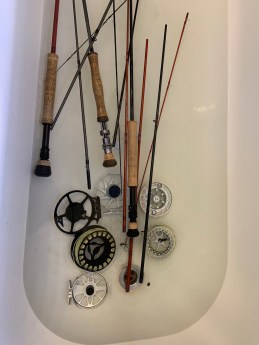
If you love fishing, you know how important your gear is—especially your fishing rods. But after a long day by the water, dirt, salt, and grime can build up and damage your rods without you even realizing it.
Taking a few simple steps to clean your fishing rods not only keeps them looking great but also helps them last longer and perform better. You’ll learn easy, effective ways to clean your fishing rods so you can keep enjoying every fishing trip without worrying about wear and tear.
Ready to protect your gear and catch more fish? Let’s dive in.
Tools Needed
Cleaning your fishing rods keeps them in good condition. It helps you fish better and last longer.
Using the right tools makes cleaning easier and more effective. Here are the main tools you need.
Soft Cloths
Soft cloths help remove dirt and salt without scratching the rod. Use microfiber or cotton cloths for best results.
Mild Soap
Mild soap or dish detergent cleans the rod gently. Avoid harsh chemicals that can damage the rod’s finish.
Bucket Of Warm Water
Warm water helps dissolve salt and dirt on the rod. Use a bucket to soak parts if needed.
Old Toothbrush
An old toothbrush reaches small spaces like guides and reel seats. Use it gently to avoid damage.
Rod Cleaning Tools Comparison
| Tool | Purpose | Notes |
| Soft Cloth | Wiping and drying | Use microfiber for best results |
| Mild Soap | Cleaning dirt and salt | Choose gentle dish soap |
| Warm Water | Soaking and rinsing | Use a bucket or basin |
| Old Toothbrush | Cleaning tight spots | Brush gently to protect rod |
Preparing The Rod
Cleaning your fishing rod starts with good preparation. Proper steps help protect the rod during cleaning.
Taking time to prepare the rod makes the cleaning process easier and more effective.
Removing The Reel
Take off the reel before cleaning the rod. This stops water from damaging the reel parts.
Unscrew or unlock the reel seat gently. Avoid forcing it to prevent damage.
- Hold the rod firmly but gently
- Turn the reel seat counterclockwise
- Lift the reel off carefully
- Place the reel in a safe, dry place
Inspecting The Rod
Look over the rod for any damage or dirt. Check guides, tip, and handle closely.
Find cracks, loose guides, or stuck debris. These need extra care during cleaning.
- Check all guides for cracks or bends
- Inspect the rod tip for damage
- Look for dirt or salt buildup on the handle
- Note any loose parts or signs of wear
Cleaning The Guides
Fishing rods need regular care to perform well. Cleaning the guides is crucial for smooth casting.
Dirt and salt can accumulate, making the guides rough. This affects your fishing line.
Using Mild Soap And Water
Start by using mild soap and water. This method is gentle and effective for cleaning guides.
- Mix a small amount of mild soap with water in a bowl.
- Dip a soft cloth or sponge into the soapy water.
- Gently wipe each guide, removing grime and dirt.
- Rinse the guides with clean water to remove soap residue.
- Dry each guide with a soft towel to prevent rust.
Removing Salt And Debris
Salt and debris can damage guides over time. It’s important to remove them regularly.
| Item | Purpose |
| Soft toothbrush | To scrub salt deposits |
| Freshwater | To rinse guides |
| Microfiber cloth | To dry guides |
Use a soft toothbrush to scrub away any salt build-up. Rinse thoroughly with freshwater.
Finally, dry the guides with a microfiber cloth to ensure no water remains.
Credit: www.pennfishing.com
Cleaning The Rod Blank
Cleaning the rod blank is important to keep your fishing rod working well. Dirt, salt, and grime can damage the rod over time.
Regular cleaning helps the rod stay smooth and strong. It also makes it look good for a long time.
Wiping Down The Surface
Start by wiping the rod blank with a soft cloth. Use fresh water to rinse off dust and dirt.
Make sure to wipe gently to avoid scratching the rod’s finish. Dry the rod with a clean towel after wiping.
Dealing With Stubborn Stains
For tough stains, use a mild soap mixed with water. Apply the mix with a soft cloth and rub lightly.
Avoid harsh chemicals or rough scrubbing. These can damage the rod blank’s surface and paint.
- Use mild soap and water
- Rub gently with a soft cloth
- Rinse with clean water
- Dry thoroughly with a soft towel
Drying And Lubricating
Cleaning fishing rods is important for their long life. Drying and lubricating are key steps after cleaning.
Proper drying stops rust and damage. Lubricating keeps parts moving smoothly.
Proper Drying Techniques
Dry your fishing rod completely after washing. Use a soft cloth to wipe off water.
Hang the rod in a cool, dry place. Avoid direct sunlight to protect the rod’s finish.
- Use a microfiber cloth to remove moisture
- Hang rod vertically to drain water
- Keep rod away from heat sources
- Let rod air dry for several hours
Applying Reel Seat Lubricant
Lubricate the reel seat to prevent rust and make reel removal easier. Use a light oil or special lubricant.
Apply a small amount of lubricant to the threads and moving parts of the reel seat. Wipe off excess oil.
- Remove the reel before applying lubricant
- Apply lubricant sparingly to avoid buildup
- Use a clean cloth to spread lubricant evenly
- Check the reel seat regularly for dryness

Credit: www.youtube.com
Reassembling And Storing
Cleaning your fishing rod is only part of the process. You need to reassemble it properly and store it safely. Good care helps your rod last longer.
Storing your rod the right way keeps it in shape. It stops damage and makes it ready for your next fishing trip.
Reattaching The Reel
Start by placing the reel back on the rod’s reel seat. Make sure it fits snugly. Tighten the reel seat to hold the reel firmly.
Check that the reel is aligned with the guides on the rod. This keeps the line smooth and prevents tangles.
- Place the reel foot into the reel seat
- Tighten the reel seat with your hand
- Align the reel spool with the rod guides
- Test for secure fit before use
Best Storage Practices
Store your fishing rod in a cool, dry place. Avoid areas with direct sunlight or high humidity. This protects the rod from damage.
Use a rod rack or hang the rod vertically. Keep it off the floor to avoid bending or warping. Cover the rod to keep dust away.
- Keep rods away from heat and moisture
- Store rods vertically or on a rod rack
- Cover rods with cloth or rod sleeves
- Remove reels if storing for a long time
Maintenance Tips
Fishing rods need care to stay in good shape. Cleaning and handling them properly helps avoid damage.
Regular upkeep makes your fishing trips more enjoyable and extends the life of your gear.
Regular Cleaning Schedule
Clean your fishing rods after every use. Dirt, salt, and debris can harm the rod and reel.
- Rinse the rod with fresh water to remove salt and dirt.
- Use a soft cloth to wipe the rod and guides.
- Check the reel seat and clean any buildup.
- Dry the rod completely before storage to prevent rust.
- Inspect for cracks or damage during cleaning.
Handling And Transport Tips
Handle your fishing rod with care to avoid bending or breaking it. Proper transport keeps it safe from damage.
| Handling Tip | Transport Tip |
| Hold the rod near the handle for balance. | Use a rod tube or case during travel. |
| Avoid placing heavy objects on the rod. | Secure rods in a vehicle rack or inside the cabin. |
| Keep the guides clean and free from tangles. | Disassemble multi-piece rods for easier transport. |

Credit: www.youtube.com
Frequently Asked Questions
How Often Should I Clean My Fishing Rod?
Clean your fishing rod after every fishing trip. Regular cleaning prevents salt, dirt, and grime buildup. This maintains performance and extends the rod’s life. It also protects guides and reel seats from corrosion and damage.
What Materials Do I Need To Clean Fishing Rods?
Use a soft cloth, mild soap, fresh water, and a toothbrush. Avoid harsh chemicals and abrasive materials. These items safely remove dirt, salt, and debris without damaging the rod’s finish or guides.
Can I Clean Fishing Rods With Household Products?
Yes, mild soap and warm water work well. Avoid strong detergents or solvents that can damage rod materials. Gentle cleaning ensures your rod stays in top condition without risking corrosion or wear.
How Do I Clean Fishing Rod Guides Effectively?
Use a soft toothbrush and warm soapy water. Gently scrub each guide to remove dirt and salt deposits. Rinse thoroughly with fresh water and dry with a soft cloth to prevent rust and corrosion.
Conclusion
Cleaning fishing rods keeps them in good shape and ready to use. Regular care stops rust and damage. Use gentle soap, water, and a soft cloth for cleaning. Check guides and reels for dirt or salt. Dry your rod well before storing.
Clean rods last longer and work better. Simple steps make fishing more enjoyable. Take time to care for your gear. Your fishing trips will thank you.