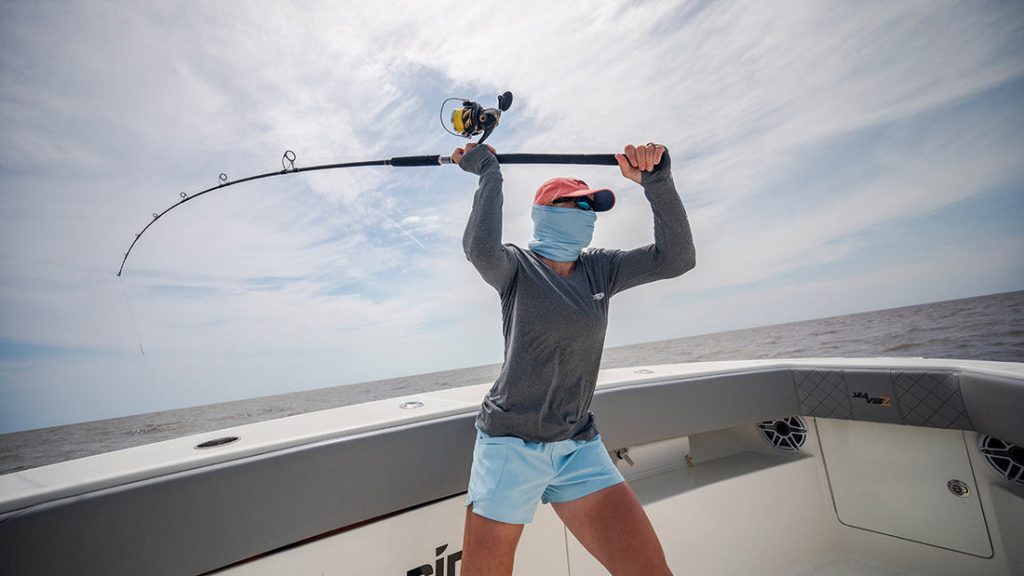
Are you ready to improve your fishing skills and catch more fish? Knowing how to reel a fishing rod properly can make all the difference between a fun day on the water and a frustrating one.
Whether you’re a beginner or just want to sharpen your technique, this guide will show you simple steps to reel in like a pro. Keep reading, and you’ll discover tips that will boost your confidence and help you land that big catch faster than you think.
Your next fishing adventure starts here!

Credit: mysterytacklebox.com
Choosing The Right Reel
Choosing the right reel is important for fishing success. The reel helps you control the line and catch fish more easily.
Different fishing styles need different reels. Pick one that matches your fishing rod and the type of fish you want.
Types Of Fishing Reels
There are several types of fishing reels. Each type works best for certain fishing tasks and skill levels.
- Spinning Reels:Easy to use and good for beginners. They work well for light to medium fishing.
- Baitcasting Reels:Offer better control and power. Used for heavier lines and bigger fish.
- Spincast Reels:Simple design, perfect for kids and new anglers.
- Fly Reels:Made for fly fishing. They hold thin fly lines and help with smooth casting.
Matching Reel To Rod
Your reel and rod must fit well together. A good match makes fishing easier and more fun.
Check the rod’s size and type before picking a reel. Use light reels with light rods and strong reels with heavy rods.
- Light rods pair with spinning or spincast reels.
- Medium rods work well with spinning or baitcasting reels.
- Heavy rods need strong baitcasting or conventional reels.
Reel Maintenance Tips
Keep your reel clean to make it last longer. Dirt and salt can damage parts and cause problems.
After fishing, rinse the reel with fresh water. Dry it well and oil the moving parts often.
- Rinse reel with fresh water after each use.
- Dry the reel completely before storing.
- Apply reel oil to gears and bearings regularly.
- Check the line and replace it if worn out.
- Store reels in a cool, dry place.

Credit: medium.com
Preparing Your Fishing Rod
Before you start fishing, you need to prepare your fishing rod properly. This helps you catch fish more easily and prevents problems.
Preparing your rod includes setting up the line, attaching the reel, and checking the drag system. Each step is important for a smooth fishing experience.
Setting Up The Line
First, choose the right fishing line for your rod and the fish you want to catch. Different lines work best for different fishing styles.
Next, thread the line through the guides on the rod. Start from the tip and pull it down to the reel.
- Use a strong knot to tie the line to the reel spool
- Make sure the line moves smoothly through each guide
- Keep the line tight while winding it onto the reel
Attaching The Reel
Find the reel seat on your fishing rod. This is the place where the reel fits tightly.
Slide the reel foot into the reel seat. Turn the locking mechanism until the reel is secure and does not move.
- Check that the reel is aligned with the rod guides
- Tighten the reel seat firmly but do not over-tighten
- Make sure the reel handle is comfortable for your hand
Checking The Drag System
The drag system controls how much resistance the fish feels when pulling the line. It helps prevent the line from breaking.
Test the drag by pulling the line with your hand. Adjust the drag knob until it feels right for the type of fish you want to catch.
- Turn the drag knob clockwise to increase resistance
- Turn it counterclockwise to decrease resistance
- Set the drag so it lets the fish pull some line but stops big pulls
Mastering The Casting Technique
Learning how to reel a fishing rod is fun and rewarding. It starts with mastering the casting technique, a key skill for every angler.
With practice, you can cast your line farther and more accurately. This helps you catch more fish and enjoy your time by the water.
Proper Grip And Stance
Holding the rod correctly is important for a good cast. Grip the rod with your dominant hand, keeping a firm but relaxed hold. Your thumb should rest on top of the rod.
Stand with your feet shoulder-width apart. This stance provides balance and stability when casting. Face your target direction to align your body with the cast.
Smooth Casting Motion
The casting motion should be smooth and controlled. Start with the rod tip low, then lift it back slowly. Stop when the rod is at a 2 o’clock position.
Next, move the rod forward quickly, releasing the line at the right moment. This helps your lure travel far and land softly on the water.
Timing Your Reel
Reeling in your line requires good timing. Start reeling as soon as your lure hits the water. This keeps the line tight and ready for a fish to bite.
Vary your reeling speed to mimic the movement of live bait. Sometimes slow reeling works best, while other times fast reeling attracts fish.
- Reel in slowly for cautious fish
- Reel in faster to attract active fish
- Pause occasionally to mimic injured bait
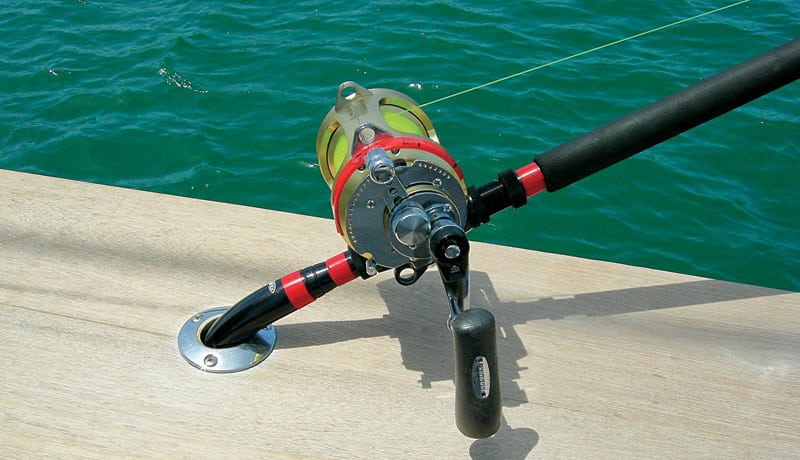
Credit: www.marlinmag.com
Reeling In Different Conditions
Reeling a fishing rod changes with water and fish behavior. You must adapt your technique for best results.
This guide covers reeling in strong currents, handling large fish, and adjusting speed and pressure.
Handling Strong Currents
Strong currents pull your line quickly. Keep your rod tip low to reduce strain. Use smooth, steady reeling to avoid line breakage.
- Keep your reel drag set tight but not too tight
- Use heavier line to resist current pull
- Reel steadily without sudden jerks
- Adjust your position to face the current
- Keep tension on the line at all times
Reeling In Large Fish
Large fish fight hard and pull your rod. Use a strong grip and reel carefully. Let the fish tire before pulling it in.
| Tip | Reason |
| Keep rod at a 45-degree angle | Helps control the fish’s movement |
| Use slow and steady reeling | Prevents line snapping |
| Let the fish run if needed | Allows fish to tire out |
| Use drag system wisely | Controls tension on the line |
Adjusting Speed And Pressure
Match your reeling speed and pressure to the fish’s activity. Change speed to keep the fish hooked and avoid losing it.
Follow these tips to adjust speed and pressure:
- Start slow to feel fish movements
- Increase speed if fish runs away quickly
- Reduce pressure if fish struggles hard
- Pause reeling when fish stops moving
Common Mistakes To Avoid
Reeling a fishing rod might seem easy, but many anglers make avoidable errors. These mistakes can hurt your fishing experience and damage your gear.
Below are common errors that affect how well you reel in your catch. Avoiding them helps you fish smoothly and safely.
Over-reeling
Over-reeling happens when you turn the reel too fast or too much. This can cause slack line and reduce your control over the fish.
- Reel at a steady pace that matches the fish’s pull.
- Stop reeling if the line feels loose or tangled.
- Use your rod to guide the fish, not just the reel.
Line Tangling
Tangled fishing line is a big problem. It can waste time and cause lost catches. Tangling happens from poor casting or wrong reel settings.
| Cause | How to Avoid |
|---|---|
| Loose spool tension | Tighten the spool before casting |
| Wrong casting angle | Cast smoothly and straight |
| Overfilling the spool | Fill the spool only up to the recommended level |
Ignoring Reel Maintenance
Many anglers forget to clean and oil their reels. Dirt and salt cause wear and tear. Regular care keeps your reel working well.
- Rinse your reel with fresh water after each use.
- Dry it fully before storing.
- Apply reel oil to moving parts every few trips.
- Check for worn parts and replace if needed.
Frequently Asked Questions
How Do You Properly Reel A Fishing Rod?
To properly reel a fishing rod, hold the rod firmly and turn the reel handle smoothly. Keep the line taut and avoid jerky movements to prevent tangles. Practice consistent reeling speed for better control and fish response.
When Should You Reel In The Fishing Line?
Reel in the fishing line when you feel a bite or catch. Also, reel to adjust the bait depth or retrieve the lure. Avoid reeling too fast to prevent losing fish or snapping the line.
What Is The Best Technique To Reel A Fishing Rod?
The best technique involves steady, smooth reeling with controlled speed. Use your wrist to turn the reel handle. Keep the rod tip up to maintain line tension and avoid slack that can cause tangles.
How Can I Avoid Line Tangles When Reeling?
Avoid line tangles by reeling evenly and keeping tension on the line. Check your reel and line for twists before fishing. Use quality line and practice proper casting and reeling techniques.
Conclusion
Reeling a fishing rod is simple with practice and patience. Keep your grip steady and reel smoothly. Watch the line closely to feel any fish bites. Adjust your speed depending on the fish behavior. Remember, each fishing trip helps you learn more.
Enjoy the calm and quiet moments by the water. Fishing is about fun and relaxation as much as skill. Keep trying, and your confidence will grow with every cast.