Are you planning a camping trip and wondering if you can use a space heater in your tent? Staying warm while camping can be a challenge, especially on chilly nights.
You want to enjoy the outdoors without freezing, but safety is a big concern. Using a space heater might seem like a quick fix, but is it really safe and practical? You’ll discover everything you need to know about using space heaters inside your tent—how to stay warm without risking your safety.
Keep reading to find out the best tips and tricks for cozy, worry-free camping.
Credit: t-nax.com
Types Of Space Heaters Suitable For Tents
Keeping warm in a tent is important during cold weather. Choosing the right space heater makes camping safe and comfortable.
Some heaters work better in tents than others. Here are types of space heaters you can use inside a tent.
Electric Heaters
Electric heaters are safe to use in tents if you have power access. They do not produce fumes or open flames.
These heaters warm the air quickly and are easy to control. They need an electrical source like a generator or outlet.
- Do not emit carbon monoxide
- Require electricity to run
- Safe for enclosed spaces
- Usually lightweight and portable
Propane Heaters
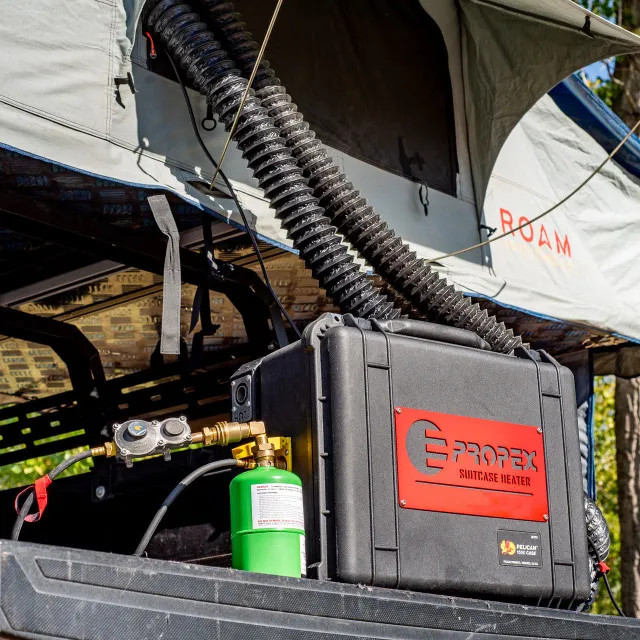
Propane heaters are popular for camping because they produce strong heat. They use propane gas canisters for fuel.
Some models are made for indoor use and have safety features. Always check for oxygen depletion sensors and tip-over switches.
- Run on portable propane tanks
- Provide quick and powerful heat
- Some have built-in safety features
- Need good ventilation in tents
Catalytic Heaters
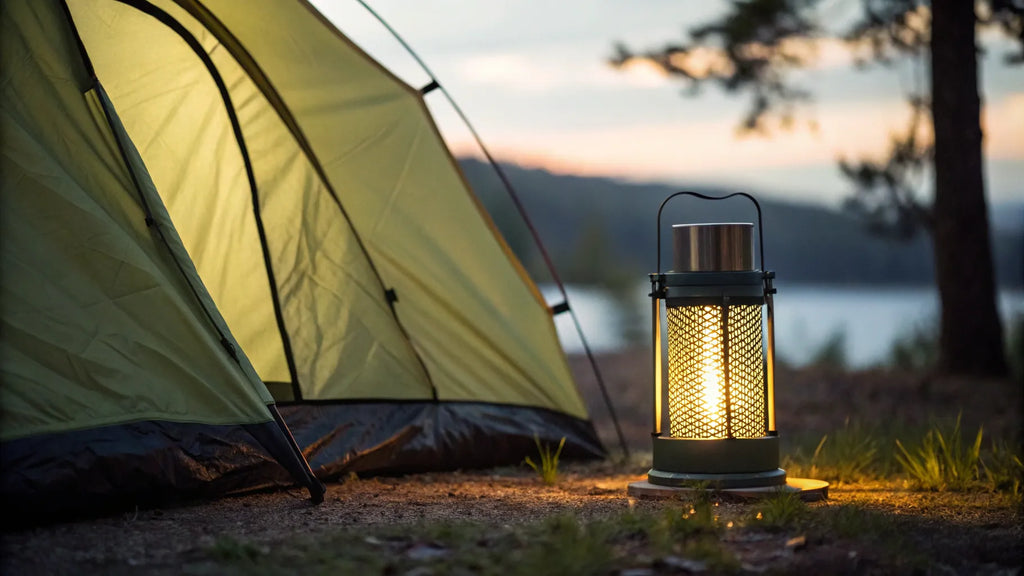
Catalytic heaters use a chemical process to create heat without flames. They burn fuel like propane or butane safely.
These heaters work quietly and produce no sparks. They are ideal for tents but still require ventilation.
- Use fuel with a catalytic element
- No open flame, safer indoors
- Low oxygen consumption
- Need fresh air to avoid buildup
Credit: www.battlbox.com
Safety Precautions For Tent Heating
Using a space heater in a tent can keep you warm during cold nights. You must follow safety rules to avoid accidents and health risks.
Proper care helps prevent fires and dangerous gas buildup. Always put safety first when heating a tent.
Ventilation Requirements
Tents must have good airflow when using a space heater. Fresh air helps reduce harmful gases inside the tent.
Keep a window or door slightly open to allow air to enter and exit. This lowers the risk of suffocation and gas buildup.
- Open vents or windows during heating
- Do not seal the tent completely
- Use heaters designed for indoor or tent use
Fire Hazards And Prevention
Space heaters can cause fires if not used carefully. Keep heaters away from tent fabric and flammable items.
Always place the heater on a flat, stable surface. Turn off the heater before sleeping or leaving the tent.
- Keep heater 3 feet away from walls and gear
- Do not use damaged or faulty heaters
- Use a heater with automatic shut-off features
- Never leave the heater unattended
Carbon Monoxide Risks
Carbon monoxide is a colorless gas that can cause poisoning. Gas or fuel heaters produce carbon monoxide inside tents.
Use only electric heaters made for indoor use to avoid this risk. Never use stoves or fuel heaters inside a closed tent.
- Install a carbon monoxide detector near the tent
- Ensure the heater is safe for enclosed spaces
- Maintain ventilation to remove gas buildup
- Know symptoms of carbon monoxide poisoning
Setting Up A Space Heater In Your Tent
Using a space heater in a tent can keep you warm during cold nights. It’s important to set it up safely to avoid accidents.
Proper setup ensures warmth without risk. Follow these steps to safely use a space heater in your tent.
Choosing The Right Location
Find a spot where the heater will not tip over. Keep it away from sleeping bags and walls.
- Place on a flat surface
- Avoid crowded areas
- Ensure proper ventilation
Securing The Heater
Secure the heater to prevent it from moving. This reduces the risk of fire.
| Method | Details |
| Use stakes | Anchor the heater with tent stakes |
| Sandbags | Place sandbags around the base |
| Rope ties | Secure with ropes to tent poles |
Using Heat-resistant Mats
Place a heat-resistant mat under the heater. This prevents damage to the tent floor.

Credit: www.reddit.com
Alternative Heating Options For Camping
Using a space heater inside a tent can be risky. It may cause fire or carbon monoxide poisoning. Campers should look for safer ways to stay warm.
There are many good options to keep warm while camping. These options do not need electricity or open flames. They are simple and safe to use inside a tent.
Insulated Sleeping Bags
Insulated sleeping bags keep your body heat inside. They use special materials that trap warm air. This helps you stay cozy during cold nights.
Look for sleeping bags with good temperature ratings. Choose ones that match the weather where you camp. Some bags have extra insulation for very cold places.
Hot Water Bottles
Hot water bottles are a simple way to add warmth. Fill a bottle with hot water and place it inside your sleeping bag. It will slowly release heat to keep you warm.
Use bottles made of durable materials. Avoid leaks by sealing the bottle tightly. This method is cheap and does not need batteries or fuel.
Portable Heated Blankets
Portable heated blankets use batteries or USB power. They provide steady warmth without flames. These blankets are easy to carry and use inside tents.
Choose blankets with adjustable heat settings. Check battery life before camping. Keep them dry to ensure safe use and long life.
Maintaining And Monitoring Heater Safety
Using a space heater in a tent requires careful attention to safety. You must keep the heater in good condition and watch it closely.
Proper maintenance and monitoring can help prevent accidents and keep everyone safe inside the tent.
Regular Equipment Checks
Check your space heater before every use. Look for any damage to cords, plugs, and the heater body.
Make sure the heater works well and there are no strange noises or smells. Clean dust from vents and fans to avoid overheating.
- Inspect the power cord for cuts or frays
- Test the heater’s on/off switch
- Clean vents and fans regularly
- Replace parts if damaged or worn out
Using Carbon Monoxide Detectors
Space heaters can produce carbon monoxide, a colorless and odorless gas. This gas is very dangerous in a small tent.
Use a carbon monoxide detector inside the tent. It will alert you if carbon monoxide levels rise to unsafe levels.
- Place the detector near the heater but not too close
- Test the detector before each use
- Replace batteries regularly
- Follow the detector’s instructions carefully
Emergency Procedures
Know what to do if the heater causes a fire or carbon monoxide alarm sounds. Have a plan before you start heating your tent.
Keep a fire extinguisher and first aid kit near the tent. Teach everyone in the tent how to leave quickly and safely.
- Turn off the heater immediately if you smell gas or smoke
- Leave the tent and move to fresh air
- Call emergency services if needed
- Check for injuries and give first aid if safe
- Do not re-enter the tent until it is safe
Frequently Asked Questions
Can You Safely Use A Space Heater In A Tent?
Yes, but only with specific tent-safe heaters. Ensure proper ventilation to prevent carbon monoxide buildup. Always follow manufacturer guidelines and never leave the heater unattended inside the tent.
What Type Of Space Heater Is Best For Tents?
Propane or electric heaters designed for indoor camping are best. Look for models with safety features like automatic shut-off and tip-over protection to reduce risks.
How Do You Prevent Fire Hazards Using Heaters In Tents?
Keep heaters away from flammable materials and maintain clear space around them. Use stable, level surfaces and never leave heaters running while sleeping or unattended.
Is Ventilation Necessary When Using A Space Heater In Tents?
Absolutely. Proper ventilation prevents dangerous gas buildup and ensures fresh air circulation. Crack a window or tent flap to allow airflow when the heater is on.
Conclusion
Using a space heater in a tent can keep you warm in cold weather. Always choose a heater made for indoor or camping use. Make sure to follow safety steps to avoid fire or carbon monoxide risks. Keep vents open for fresh air and never leave the heater unattended.
With careful use, a space heater can make camping more comfortable. Stay safe and enjoy your warm nights outdoors.