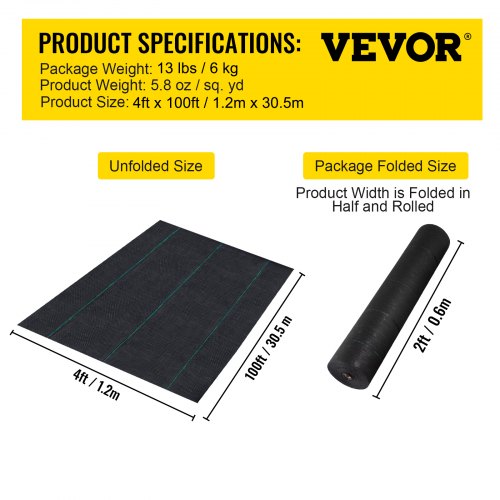
Are you planning a garden or outdoor project and wondering, “How wide is landscape fabric?” Knowing the right width can save you time, money, and frustration.
Using fabric that’s too narrow means more seams and extra work. Too wide, and you might waste materials and struggle with installation. You’ll discover the common widths available and how to choose the perfect size for your needs. Keep reading to make your project smoother and more efficient!
Credit: www.vevor.com
Types Of Landscape Fabric
Landscape fabric helps control weeds and manage soil moisture. It comes in different types to suit various gardening needs.
Knowing the types of landscape fabric helps you pick the right one for your garden or yard.
Woven Vs Non-woven Fabrics
Woven fabrics are made by weaving threads tightly. They allow water to pass but block weeds effectively. Non-woven fabrics are made from fibers pressed together. They often hold water longer and are softer.
- Woven Fabric:Strong and durable, good for heavy use.
- Non-Woven Fabric:Softer and more flexible, holds moisture well.
Biodegradable Options
Biodegradable landscape fabrics break down naturally over time. They are eco-friendly and reduce waste. These fabrics are made from materials like jute, coir, or paper.
| Material | Breakdown Time | Best Use |
|---|---|---|
| Jute | 6 to 12 months | Temporary weed control |
| Coir (Coconut fiber) | 12 to 24 months | Moisture retention and weed barrier |
| Paper | 3 to 6 months | Short term garden beds |
Durability And Lifespan
Durability varies by fabric type and use. Woven fabrics last longer than non-woven. Biodegradable fabrics have the shortest lifespan but are better for the environment.
- Woven fabrics: 5 to 10 years
- Non-woven fabrics: 3 to 5 years
- Biodegradable fabrics: 3 months to 2 years
Standard Fabric Widths
Landscape fabric helps control weeds and improves soil moisture. Knowing the standard fabric widths helps you plan your garden or yard work better.
Most landscape fabrics come in set widths. This makes cutting and laying the fabric easier for different areas.
Common Sizes Available
Landscape fabric usually comes in rolls that have specific widths. These widths fit common garden and landscaping needs.
- 3 feet wide – good for small garden beds
- 4 feet wide – a common size for home use
- 6 feet wide – covers larger areas faster
- 12 feet wide – used for big landscaping projects
- 15 feet wide – less common but available for wide coverage
Custom Widths For Specific Needs
Some projects need special fabric widths. Manufacturers can cut landscape fabric to fit these needs.
| Width | Use Case |
| 2 feet | Narrow garden rows or pathways |
| 5 feet | Medium garden beds or planters |
| 10 feet | Wide flower beds or small lawns |
| Custom cuts | Special landscaping designs |
Choosing The Right Width
Landscape fabric comes in various widths. It is important to choose the right width for your garden needs. This ensures proper coverage and ease of installation.
Understanding your garden’s size and shape helps in selecting the ideal fabric width. This saves time and effort during installation.
Matching Fabric To Garden Size
Consider the size of your garden bed before buying landscape fabric. Larger beds need wider fabric to reduce seams and overlaps.
- Measure the garden’s length and width.
- Choose fabric that matches or exceeds these measurements.
- Fewer seams mean better weed control and less maintenance.
Considering Plant Spacing
Plant spacing affects how you lay out the landscape fabric. Wider fabric may be needed for larger plant gaps.
| Plant Type | Recommended Fabric Width |
| Small Herbs | 3 feet |
| Shrubs | 4 feet |
| Tree Rows | 6 feet |
Handling Slopes And Curves
Gardens with slopes and curves need special attention. Wider fabric is easier to work with on uneven terrain.
Credit: www.vevor.com
Installation Tips
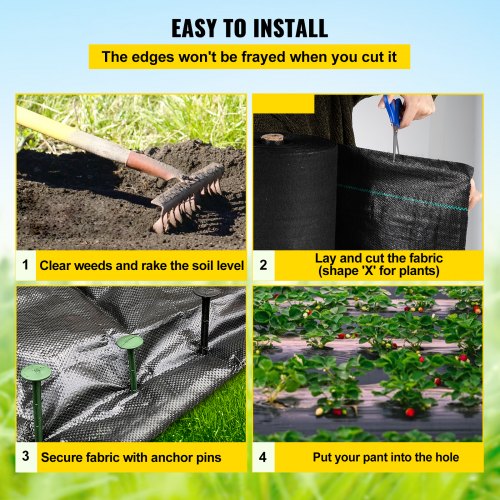
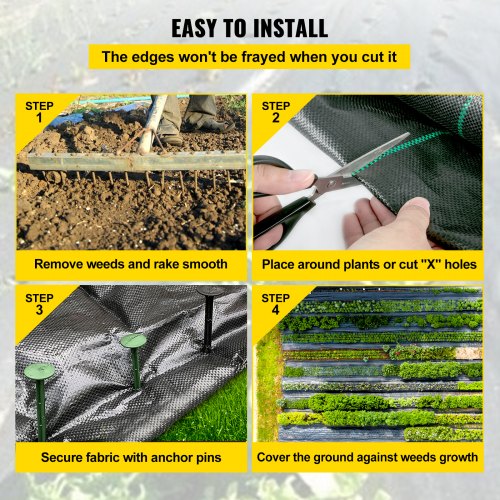
Landscape fabric helps control weeds and lets water reach your plants. Installing it right makes it last longer.
Follow these tips to measure, cut, and place the fabric properly for best results.
Measuring And Cutting Fabric
Measure the area where you will lay the fabric. Add a few extra inches to cover edges well. Use sharp scissors or a utility knife to cut the fabric.
- Measure length and width of planting beds
- Add 4 to 6 inches for overlap and edges
- Mark cutting lines with chalk or pencil
- Cut fabric on a flat surface to keep edges straight
Securing Fabric In Place
Keep the fabric from moving by using stakes or pins. Secure the edges and middle sections. This stops wind or animals from lifting it.
| Tool | Purpose |
| Landscape staples | Hold fabric firmly in soil |
| U-shaped pins | Secure fabric on slopes |
| Heavy mulch | Weigh down fabric edges |
| Rocks or bricks | Temporary hold during installation |
Overlapping And Seaming Techniques
Overlap fabric pieces to prevent weeds from growing through gaps. Use tape or staples to join edges for a smooth surface.
- Overlap edges by at least 6 inches
- Place overlaps against water flow direction
- Use landscape fabric tape or staples to seal seams
- Check seams regularly and fix any gaps
Maintaining Landscape Fabric
Landscape fabric helps control weeds and keeps soil healthy. Proper care makes it last longer. This guide shows how to maintain landscape fabric well.
Regular checks and cleaning keep the fabric working. Fixing small problems stops bigger damage. Learn simple ways to care for your landscape fabric.
Checking For Wear And Tear
Look at the fabric often to find damage early. Check for holes, tears, and thinning areas. These can let weeds grow through.
Inspect edges where the fabric meets soil or mulch. These spots can lift or fray. Catching issues early helps you fix them fast.
Cleaning And Repairing
Remove leaves, dirt, and debris from the fabric surface. Use a soft brush or rake gently. This keeps water flowing through the fabric well.
Patch small holes using fabric patches or landscape staples. Cut a piece bigger than the hole. Secure it firmly to stop weeds from growing.
- Clear debris regularly
- Use gentle tools for cleaning
- Patch holes quickly
- Secure edges with staples
Replacing Fabric When Needed
Replace fabric if it is very torn or worn out. Old fabric can let weeds grow and block water flow. Remove damaged fabric carefully before adding new.
Lay new fabric flat and secure edges with staples or pins. Cover it with mulch to protect it from sunlight. This helps the fabric last longer.
- Check fabric yearly
- Remove old, damaged fabric
- Install new fabric smoothly
- Cover with mulch for protection

Credit: www.ebay.com
Frequently Asked Questions
What Is The Standard Width Of Landscape Fabric?
Landscape fabric typically comes in widths of 3, 4, and 6 feet. The most common width used is 3 feet, ideal for most garden beds and walkways. Wider options suit larger areas, reducing seams and installation time.
Can Landscape Fabric Be Cut To Fit Any Size?
Yes, landscape fabric is flexible and easily cut with scissors or a utility knife. This allows for custom fitting around plants, curves, and irregular garden shapes, ensuring full coverage and effective weed control.
Does Fabric Width Affect Weed Control Effectiveness?
Fabric width itself doesn’t impact weed control. Proper installation and overlap between sections ensure no gaps. Wider fabric reduces seams, which may minimize weed growth through gaps and improve overall garden protection.
Where Can I Buy Landscape Fabric In Various Widths?
Landscape fabric is available at garden centers, home improvement stores, and online retailers. Check product descriptions for width options, and choose based on your garden size and layout needs.
Conclusion
Landscape fabric comes in many widths to fit your garden needs. Choosing the right width saves time and reduces waste. It helps control weeds and keeps soil healthy. Remember to measure your area before buying fabric. Wide rolls cover large spaces faster and with fewer seams.
Narrow rolls work well for small or tight spots. Using the right size makes your work easier and cleaner. Now you can pick the best fabric width for your project. Keep your garden neat and strong with the proper landscape fabric.