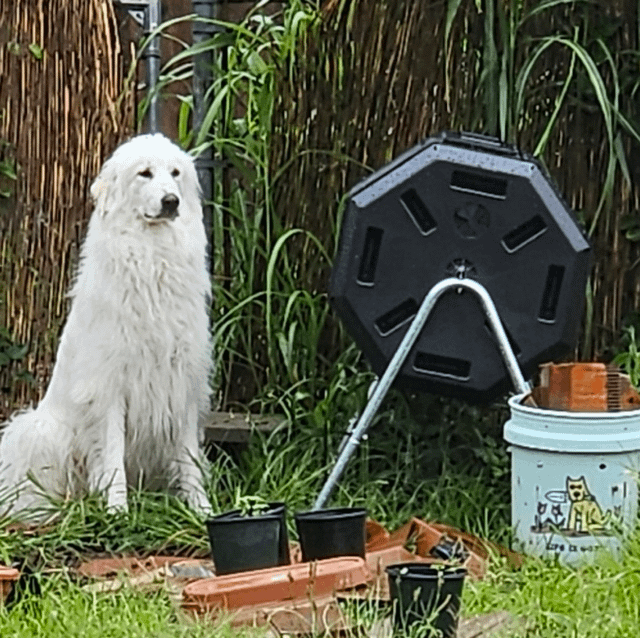
Are you wondering if your compost bin needs to be in the sun to work properly? You’re not alone.
Many people ask this because they want to get the best results from their composting efforts. The truth is, where you place your compost bin can make a big difference in how fast and efficiently it breaks down your kitchen scraps and garden waste.
Keep reading to discover the simple answer and learn practical tips that will help you create rich, healthy compost no matter where you live. Your garden will thank you!

Credit: jimsmowing.com.au
Choosing The Right Spot
Picking the right place for your compost bin helps it break down waste faster. The spot affects the heat, moisture, and air your compost gets.
Finding a balance of sunlight, shade, temperature, and moisture is key for good composting.
Sunlight Vs Shade
Compost bins do not need full sun all day. Some sunlight helps speed up the process by warming the bin.
Too much direct sun can dry out the compost. Shade keeps moisture in but may slow the heat build-up.
- Partial sunlight warms the compost
- Shade helps keep moisture levels steady
- A mix of sun and shade works best
Temperature Effects
Heat helps microbes break down waste faster. Compost bins warm up in sunny spots but can cool down at night.
Cold temperatures slow composting. Placing the bin in a spot protected from cold winds helps keep it warm.
- Warm spots speed up composting
- Wind protection keeps temperature stable
- Cold spots slow microbial activity
Moisture Considerations
Moisture is important for composting. Too dry compost stops working, while too wet compost smells bad.
Sun can dry out the compost quickly. Shade or a spot under a tree keeps moisture balanced.
- Keep compost moist but not soggy
- Shade helps keep moisture longer
- Add water if compost feels dry
Benefits Of Sunlight Exposure
Placing a compost bin in the sun helps speed up the composting process. Sunlight warms the bin and supports helpful microbes.
Sunlight also helps keep pests away and reduces bad smells. These benefits make composting easier and cleaner.
Faster Decomposition
Sunlight warms the compost bin, raising the temperature inside. Warm conditions help bacteria and fungi break down waste faster.
When the compost heats up, organic materials turn into rich soil quicker. This means you get usable compost sooner.
Pest Control
Sunlight exposure can reduce pests like rodents and insects. Many pests avoid warm, sunny spots where they feel exposed.
Keeping your compost bin in the sun helps stop pests from nesting or damaging your compost pile.
Odor Reduction
Sunlight helps dry out excess moisture in the compost. Less moisture lowers the chance of smelly, rotten odors forming.
Warm, sunny compost bins stay fresher and more pleasant to be around than shaded, damp bins.
Advantages Of Shaded Locations
Composting is a great way to recycle organic waste. Choosing the right spot for your compost bin is important. A shaded location offers several benefits.
Sunlight can affect the composting process. Let’s explore why shaded locations can be better.
Preventing Overheating
Compost bins in direct sunlight may overheat. High temperatures can kill beneficial microorganisms. Shaded areas keep the temperature stable. This helps the composting process work efficiently.
- Stable temperatures prevent microorganism loss
- Reduces the risk of compost drying out
- Improves decomposition speed
Maintaining Moisture Levels
Moisture is key for composting. Sunlight can dry out compost. Shaded areas help maintain moisture. This supports the breakdown of organic material.
| Factor | Effect on Compost |
| Sunlight | Can dry out compost |
| Shade | Helps retain moisture |
Protecting Microorganisms
Microorganisms are crucial for composting. They break down the waste into rich soil. Shaded locations provide a stable environment. This protects these tiny helpers from extreme conditions.
Types Of Compost Bins And Their Needs
Compost bins help turn kitchen scraps and garden waste into rich soil. Different bins work best in different spots.
Sunlight can affect how fast compost breaks down. Each type of bin has its own sunlight needs.
Tumbler Bins
Tumbler bins are closed containers on a frame. You turn or spin them to mix compost easily.
They do well in sunny spots because warmth speeds up the breakdown. Sun helps keep the compost hot inside.
- Needs good airflow, so keep it raised or in open space.
- Sunlight helps maintain heat for faster composting.
- Turn regularly to mix materials well.
Stationary Bins
Stationary bins stay in one spot. They are often larger and made of wood, plastic, or metal.
These bins can be placed in sun or shade. Sun warms the bin but too much can dry out the compost.
- Partial sun is best to keep moisture balanced.
- Shade helps prevent compost from drying too fast.
- Water may be needed if in full sun.
Diy Compost Piles
DIY compost piles are simple heaps of compost material on the ground. They do not have a container.
These piles work well in sunny or shaded areas. Sun heats the pile but shade keeps it moist.
- Turn the pile often for air and faster decay.
- Cover with leaves or tarp to keep moisture.
- Sun helps warm the pile but watch for dryness.
Seasonal Adjustments For Compost Bins
Compost bins need different care depending on the season. Adjusting how you manage your bin helps keep the compost healthy all year.
Sun exposure affects how fast compost breaks down. Seasonal changes mean you might need to move or protect your compost bin.
Winter Strategies
In winter, cold temperatures slow down the compost process. The bin should be protected to keep the heat inside.
- Place the bin in a sunny spot to catch warmth during the day.
- Cover the bin with a tarp or insulated blanket to keep heat from escaping at night.
- Add more brown materials like dried leaves to help retain heat.
- Turn the compost less often to keep heat inside.
- Use a compost bin with good insulation if possible.
Summer Care Tips
Summer heat can dry out compost quickly. The bin needs shade and moisture to keep the materials breaking down well.
| Care Tip | Reason |
| Place bin in partial shade | Prevents drying out from strong sun |
| Water compost regularly | Keeps materials moist for decomposition |
| Turn compost often | Prevents overheating and adds oxygen |
| Add green materials | Balances moisture and nitrogen |
Common Mistakes With Compost Placement
Choosing the right spot for your compost bin is important. Some common mistakes can slow down composting or cause bad smells. Avoid these errors to keep your compost healthy and working well.
Many gardeners do not think about where to place their compost bin. The location affects heat, moisture, and airflow, which are all needed for good compost.
Placing In Full Sun Without Shade
Putting a compost bin in full sun all day can dry it out. Compost needs moisture to break down materials. Too much sun can make it hard to keep the pile damp enough.
- Sun heats the compost quickly, drying it out.
- Dry compost slows the breakdown of organic matter.
- Watering often is needed if the bin is in full sun.
- Partial shade helps keep the compost moist and active.
Ignoring Drainage And Airflow
Good drainage and airflow are key for compost health. Without them, the pile can become soggy or smelly. Water should drain out, and air should flow through the materials.
| Problem | Effect | Solution |
| Poor Drainage | Water pools, slows decomposition | Place bin on soil or gravel |
| Blocked Airflow | Smelly, slow composting | Use a bin with holes or turn pile often |
| Too Tight Packing | Less oxygen inside pile | Mix materials loosely |
Neglecting Regular Turning
Turning the compost mixes materials and adds air. Not turning the pile can cause it to slow down or smell bad. Regular turning helps speed up composting.
- Turning adds oxygen for microbes.
- It helps break down materials evenly.
- It stops bad smells from forming.
- Turn the pile every 1 to 2 weeks.
Expert Recommendations
Choosing the right spot for your compost bin affects how fast it breaks down. Sunlight can help heat the bin and speed up composting.
Experts say the location should balance warmth, moisture, and ease of access. The sun is helpful but not always necessary.
Ideal Location Tips
Place your compost bin where it gets some sun during the day. Morning sun is best because it warms the bin early.
Too much sun can dry out the compost. Shade in the afternoon helps keep moisture inside.
- Choose a spot with partial sun, not full sun all day
- Avoid windy places that dry the compost fast
- Keep the bin near a water source for easy watering
- Make sure the area has good drainage to prevent sogginess
Monitoring And Maintenance
Check your compost regularly to keep it healthy. The sun helps heat the pile, but moisture and airflow matter most.
Turn the compost often to add air. Water it if it feels dry, especially if in a sunny spot.
- Turn compost every 1-2 weeks for oxygen
- Add water if the pile is dry to the touch
- Cover the bin if rain is heavy to avoid sogginess
- Remove large pieces that do not break down fast
Adapting To Local Climate
In cooler areas, sun helps keep the compost warm. Place the bin in a sunny spot to speed decay.
In hot, dry climates, shade protects the compost from drying out. Watering is also important here.
- Cold climates: choose a sunny spot to raise temperature
- Hot climates: select shade to keep moisture
- Rainy climates: ensure good drainage and partial cover
- Adjust watering based on weather and sun exposure

Credit: www.homebiogas.com

Credit: compostcharm.co.uk
Frequently Asked Questions
Does A Compost Bin Need Direct Sunlight To Work?
No, compost bins do not require direct sunlight. They can decompose effectively in partial shade or indirect light. Sunlight can speed up the process but is not essential for composting.
How Does Sunlight Affect Compost Temperature?
Sunlight helps raise the compost temperature, speeding microbial activity. However, too much sun can dry out the compost. Maintaining moisture is more important than full sun exposure.
Can A Compost Bin Be Placed In The Shade?
Yes, placing a compost bin in the shade is fine. Shade helps retain moisture and prevents compost from drying too quickly. Shaded areas still support healthy decomposition.
What Is The Best Location For A Compost Bin?
A spot with partial sunlight and good airflow is ideal. This balance promotes heat and moisture retention, aiding decomposition. Avoid fully shaded or overly sunny spots.
Conclusion
A compost bin does not need full sun to work well. Shade helps keep moisture and stops compost from drying out. Warmth speeds up composting, but too much heat can harm it. Choose a spot with some sun and some shade.
Turn your compost often to help it break down faster. Watch moisture levels and add water if dry. With simple care, your compost will thrive anywhere in your yard. Composting stays easy and effective without full sun exposure.