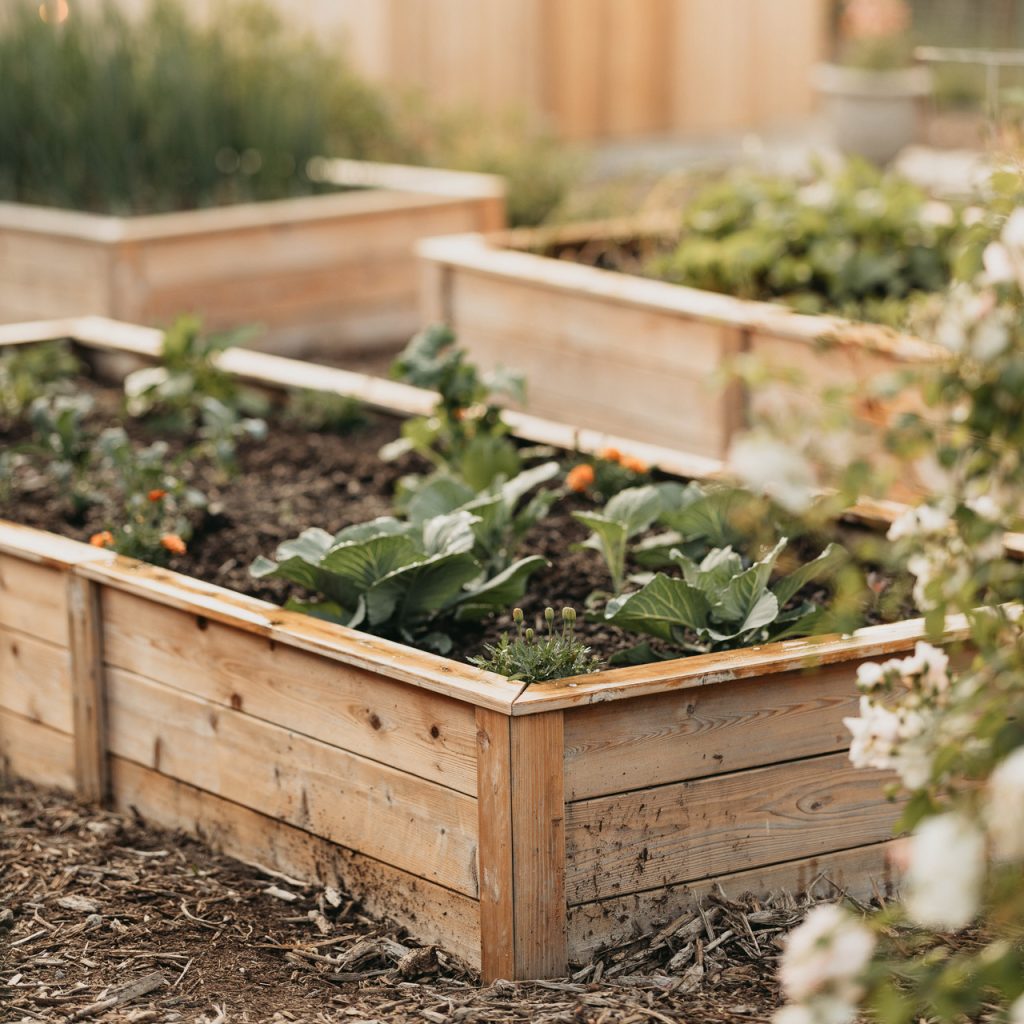
Are you thinking about building a raised garden bed and wondering if cedar is the right choice? Choosing the right wood can make a big difference in how long your garden bed lasts and how healthy your plants grow.
Cedar is often talked about for its natural strength and beauty, but is it really the best option for your garden? You’ll discover the surprising benefits—and a few things to watch out for—when using cedar. By the end, you’ll know exactly whether cedar fits your gardening goals and how to get the most from it.
Keep reading to find out!
Benefits Of Cedar For Garden Beds
Cedar is a popular choice for raised garden beds. It is known for its strength and natural features. Many gardeners prefer cedar over other woods.
This wood offers several benefits that make it ideal for outdoor use. Its natural properties help protect plants and soil.
Natural Durability
Cedar has natural oils that help it last longer outside. These oils protect the wood from weather damage. This means cedar garden beds can stay strong for many years.
Its durability reduces the need for frequent repairs or replacements. This saves time and effort for gardeners.
Resistance To Rot And Insects
Cedar resists rot better than many other woods. It does not absorb water easily, which helps prevent decay. This quality is important for garden beds that hold soil and moisture.
The wood also repels insects. This keeps pests away from the garden bed and plants. It helps maintain a healthy growing environment.
- Natural oils fight decay
- Low water absorption prevents rot
- Insect-repelling properties protect wood
Aromatic Qualities
Cedar gives off a pleasant smell that many people enjoy. This aroma can help keep bugs away from the garden. It also adds a fresh scent to outdoor spaces.
The smell comes from natural oils in the wood. These oils release a soft fragrance that lasts for years. This feature makes cedar garden beds more enjoyable to use.
Environmental Impact Of Cedar
Cedar is a popular wood choice for raised garden beds. It is important to look at its environmental impact. This helps gardeners make responsible decisions.
This section covers cedar’s sustainability, biodegradability, and chemical use. Each factor affects the environment differently.
Sustainability And Harvesting Practices
Cedar grows in many forests worldwide. Sustainable harvesting helps protect these forests. It means cutting trees without damaging the ecosystem.
- Selective logging only removes some trees.
- Replanting new cedar trees keeps forests healthy.
- Certifications like FSC show responsible harvesting.
- Local sourcing reduces transportation emissions.
Biodegradability
Cedar wood breaks down naturally over time. This reduces waste in landfills. It also returns nutrients to the soil.
| Material | Biodegradability | Impact on Soil |
| Cedar Wood | High | Enriches soil |
| Plastic Raised Beds | Low | None |
| Treated Wood | Low | May harm soil |
Chemical-free Preservation
Cedar contains natural oils that resist rot and pests. This means it usually needs no added chemicals. Chemical-free wood is safer for plants and soil.
Benefits of Cedar’s Natural Preservation:
- No harmful pesticides or preservatives needed
- Reduces chemical runoff into the garden
- Protects beneficial insects and microbes
- Supports organic gardening practices
Comparing Cedar To Other Woods
Cedar is a popular choice for raised garden beds. It is often compared to other woods like pine and redwood.
Let’s explore how cedar stands up against these woods in terms of longevity, cost, and looks.
Longevity And Maintenance
Cedar is naturally resistant to rot and insects. This makes it a durable choice for outdoor use.
| Wood Type | Longevity | Maintenance |
| Cedar | 15-20 years | Low |
| Pine | 5-10 years | Medium |
| Redwood | 20-25 years | Low |
Cost Considerations
Cedar is more expensive than pine but cheaper than redwood. It offers a good balance of cost and quality.
- Pine: Least expensive
- Cedar: Moderate cost
- Redwood: Most expensive
Aesthetic Appeal
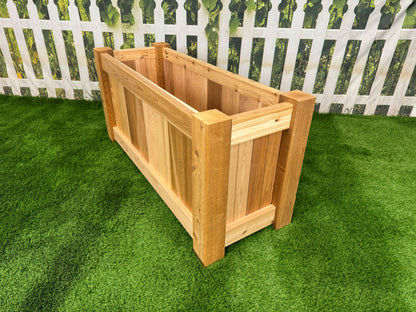
Cedar has a rich color and distinct aroma. This makes it a favorite for garden aesthetics.
The natural oils in cedar enhance its color and fragrance over time. This adds to its visual and sensory appeal.
Credit: www.theplanterguy.ca
Building Tips For Cedar Raised Beds
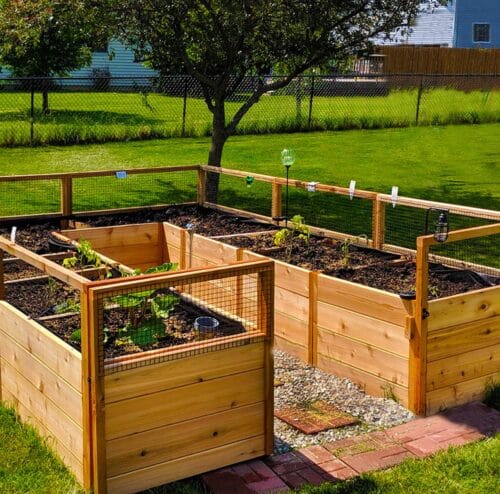
Cedar is a popular choice for raised garden beds. It resists rot and insects naturally. Using cedar can make your garden stronger and last longer.
To build the best cedar raised bed, you should know which cedar type to pick. Also, learn good construction ways and how to keep your bed lasting many seasons.
Choosing The Right Cedar Type
Not all cedar wood is the same. Some types work better for garden beds. Western Red Cedar is a common choice because it lasts longer and smells nice.
- Western Red Cedar: Durable and rot-resistant.
- Eastern White Cedar: Lighter and less costly.
- Northern White Cedar: Good for moist climates.
Construction Techniques
Building a strong cedar raised bed needs careful steps. Use screws that resist rust. Avoid nails as they can loosen over time.
| Construction Step | Tip |
| Cutting | Measure twice, cut once for tight fits. |
| Joining | Use galvanized screws for lasting hold. |
| Sealing | Apply non-toxic sealant to protect wood. |
| Base | Place bed on level ground for stability. |
Extending Bed Lifespan
To make your cedar bed last longer, keep it dry and clean. Avoid letting soil touch the wood directly by adding a lining.
- Use landscape fabric inside the bed.
- Elevate the bed slightly with small blocks.
- Keep water drainage good to prevent wood rot.
- Check for damage yearly and fix it fast.
Potential Drawbacks Of Cedar
Cedar is popular for raised garden beds because it lasts long and resists rot. Still, it has some downsides you should know about before choosing it.
Understanding these drawbacks helps you decide if cedar fits your gardening needs and budget.
Initial Expense
Cedar costs more than other woods like pine or fir. This makes the first purchase pricier for gardeners.
The higher price comes from cedar’s natural oils and durability, which need more time to grow and harvest.
Availability Issues
Cedar is not always easy to find in all areas. Some regions have limited supply or only sell it in certain sizes.
This can delay your garden project or increase costs if you must order it from far away.
Allergic Reactions
Some people may get skin irritation or allergies from cedar wood dust or oils. This can cause itching or redness.
It is important to wear gloves and masks when cutting or handling cedar to avoid reactions.
Credit: ca.outdoorlivingtoday.com
Credit: eartheasy.com
Frequently Asked Questions
Is Cedar Wood Safe For Raised Garden Beds?
Yes, cedar is safe for raised beds. It naturally resists rot and insects without harmful chemicals. This makes it ideal for organic gardening and safe plant growth.
How Long Does Cedar Last In Garden Beds?
Cedar can last 10 to 15 years outdoors. Its natural oils protect it from decay and pests, making it more durable than other woods.
Does Cedar Affect Soil Or Plants?
No, cedar does not harm soil or plants. It is non-toxic and won’t release harmful chemicals, ensuring healthy plant growth in raised beds.
Is Cedar More Expensive Than Other Woods?
Yes, cedar is generally pricier than pine or fir. However, its longevity and natural resistance justify the higher initial cost.
Conclusion
Cedar is a strong choice for raised garden beds. It resists rot and insects well. This wood lasts longer than many others outside. Cedar stays light, making it easy to handle. It also looks natural and fits garden spaces. Though cedar costs more, its benefits often outweigh price.
Choose cedar to build a garden bed that lasts. Your plants will have a safe, healthy space to grow. Simple, durable, and natural—cedar suits raised beds perfectly.