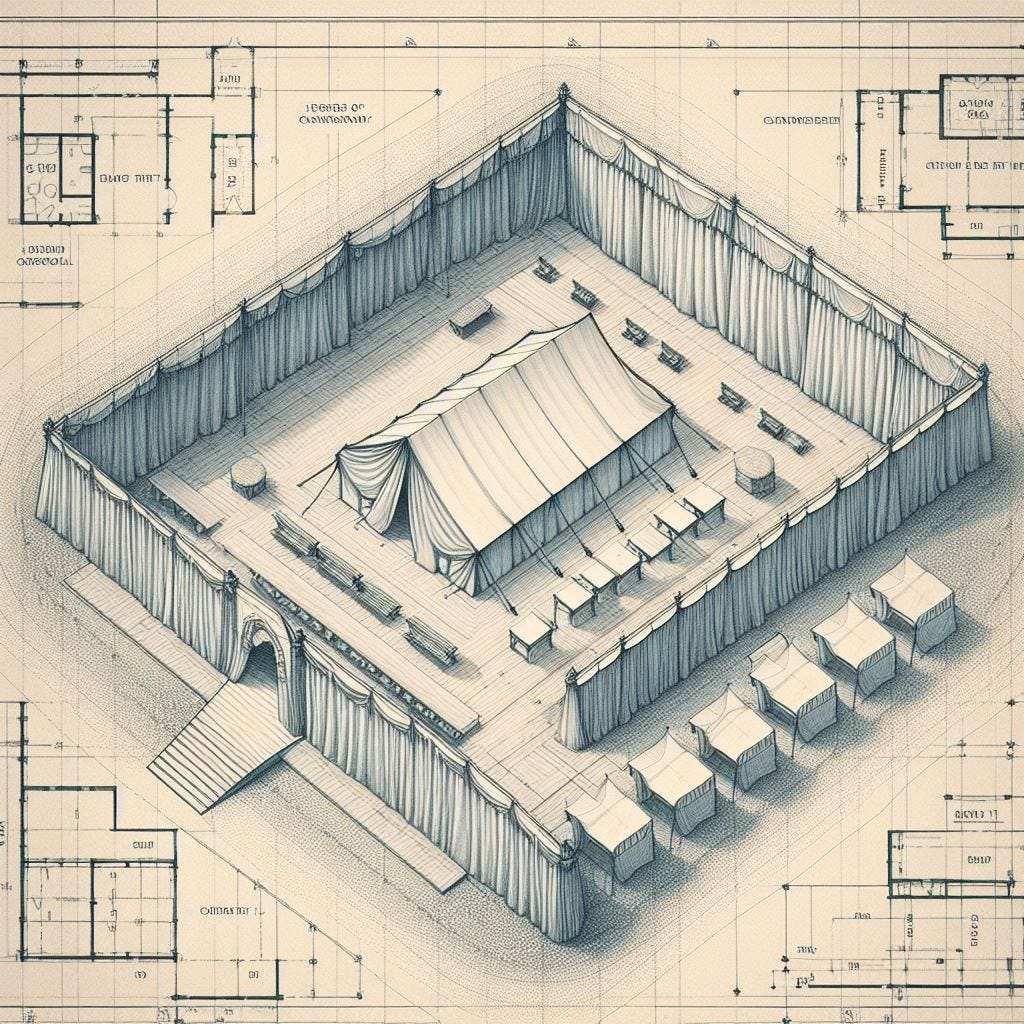
Have you ever wondered what the Holy Tent looked like? This mysterious structure holds deep meaning and rich history that can spark your imagination.
Picture a place filled with sacred symbols, colors, and design—all carefully chosen to inspire awe and reverence. Understanding the Holy Tent can change the way you see ancient traditions and connect you to stories passed down through generations. Keep reading, and you’ll discover surprising details that bring this timeless tent to life right before your eyes.
Materials Used
The holy tent, also known as the Tabernacle, was made with special materials. These materials showed respect and care. The choice of fabrics, wood, and metals was very important. Each part had a purpose and meaning.
These materials combined to create a sacred place. The colors and decorations made the tent stand out. Let’s look at the fabrics, woods, metals, and decorations used.
Fabric Types And Colors
The tent used fine fabrics. These included linen and wool. The colors were bright and meaningful. Blue, purple, and scarlet were common. These colors showed royalty and holiness. The fabric was strong but also beautiful.
- Fine linen for the curtains and coverings
- Wool dyed blue, purple, and scarlet
- Goat hair for the outer tent cover
- Ram skins dyed red as protection
- Badger skins for the outermost layer
Wood And Metal Components
The frame of the tent used special wood and metals. Acacia wood was strong and lasted long. It was used for boards, bars, and poles. Gold, silver, and bronze metals decorated the wood and made parts hold together.
| Material | Use | Description |
| Acacia Wood | Boards, bars, poles | Strong and resistant to decay |
| Gold | Overlay and decorations | Pure gold covered wood and objects |
| Silver | Base for some tools and utensils | Used for making rings and sockets |
| Bronze | Various utensils and fittings | Hard metal used for tools |
Decorative Elements
The tent had many decorations. These added beauty and meaning. Embroidered cherubim were on the curtains. Gold rings and clasps held fabric parts together. The decorations showed care and honor for the holy place.
Key decorative elements included:
- Cherubim embroidered with blue, purple, and scarlet thread
- Gold rings to join curtains and coverings
- Bronze clasps and sockets for support
- Golden lampstand with detailed designs
Structural Layout
The Holy Tent was a special place used for worship. It had a clear structure and design. The layout helped people understand its purpose.
Each part of the tent had a function. The structure was simple but meaningful.
Dimensions And Shape
The Holy Tent was rectangular in shape. It was long and narrow to fit many people inside.
The tent measured about 30 feet wide and 45 feet long. It stood around 15 feet tall. These sizes made it easy to build and move.
- Length: 45 feet
- Width: 30 feet
- Height: 15 feet
- Shape: Rectangular
Interior Sections
Inside, the tent was divided into two main parts. The first part was the Holy Place. The second part was the Most Holy Place.
The Holy Place held the lampstand and altar. The Most Holy Place held the Ark of the Covenant. A curtain separated these two areas.
- Holy Place: for lamps and altar
- Most Holy Place: held the Ark
- Curtain: divided the two sections
Entrance And Coverings
The entrance faced east and had a special curtain. This curtain was colorful and made from fine fabric.
The tent was covered with layers of cloth and animal skins. These coverings protected it from rain and sun.
- Entrance curtain: colorful and fine fabric
- Outer coverings: layers of cloth
- Top coverings: animal skins for protection
Symbolism In Design
The Holy Tent, also known as the Tabernacle, was rich in symbolism. Its design reflected deeper spiritual meanings. Let’s explore its symbolic aspects.
Colors And Patterns
Colors in the Holy Tent had specific meanings. Blue, purple, and scarlet threads were used. These colors represented divinity and royalty.
- Blue symbolized the heavens and divine presence.
- Purple was a symbol of royalty and kingship.
- Scarlet represented sacrifice and purification.
Placement Of Objects
The arrangement of objects in the Holy Tent was intentional. Each item had a specific place, symbolizing order and holiness.
The Ark of the Covenant was placed in the Most Holy Place. It was the central focus, symbolizing God’s presence among the people.
Spiritual Significance
The Holy Tent was more than just a structure. It was a place of spiritual significance, representing the covenant between God and His people.
| Element | Meaning |
| Altar | Sacrifice and atonement |
| Lampstand | Light and guidance |
| Bread | Sustenance and provision |

Credit: www.thehouseofdavid.org
Construction Techniques
The Holy Tent was carefully built using specific construction methods. These techniques made sure the tent was strong and functional.
Its design allowed it to be assembled, moved, and last a long time. Each part had a special purpose.
Assembly Methods
The tent was made from many pieces that fit together tightly. Skilled workers used wooden frames covered with fine cloth and skins.
- Wooden boards created the walls and frame.
- Cloth layers covered the structure to protect from weather.
- Ropes and pegs held the parts firmly in place.
- Each section was designed to slot in and lock securely.
Portability Features
The tent was built to be moved often during travels. Its parts were light and easy to carry.
| Feature | Description |
| Wooden Boards | Flat and narrow for easy packing |
| Fabric Covers | Folded tightly without damage |
| Ropes and Pegs | Simple tools to assemble quickly |
| Modular Design | Sections fit together for fast setup |
Durability Considerations
Durability was key for the tent’s long use. Builders chose strong materials and smart joining methods.
Factors that improved durability:
- High-quality wood resistant to rot
- Waterproof cloth to keep inside dry
- Secure knots to prevent loosening
- Regular maintenance during travels
Cultural And Historical Context
The Holy Tent, also known as the Tabernacle, played a key role in ancient religious life. It served as a mobile sacred space for worship and rituals. Understanding its cultural and historical background helps us see its importance.
This tent was more than a simple structure. It reflected the beliefs, values, and traditions of the people who used it. Its design and use reveal much about their daily lives and faith.
Role In Ancient Worship
The Holy Tent was central to worship in ancient times. It housed sacred objects and served as the meeting place between the divine and the people. Priests performed rituals and offered sacrifices inside it.
- It was portable to follow the people during their travels.
- Its layout represented the spiritual order and laws.
- The tent separated holy spaces from common areas.
- Only certain people could enter the most sacred parts.
- It symbolized God’s presence among the people.
Comparisons With Other Sacred Spaces
The Holy Tent shares features with other ancient sacred spaces. Many cultures used tents or temporary structures for worship before building temples. These spaces often focused on the connection between humans and gods.
| Feature | Holy Tent | Other Sacred Spaces |
|---|---|---|
| Portability | Yes, moved with the people | Usually fixed temples or shrines |
| Material | Fabric and wood | Stone, wood, or brick |
| Function | Worship and sacrifice | Prayer, offerings, and ceremonies |
| Access | Restricted to priests in inner areas | Varied by culture and type of space |
Influence On Later Architecture
The design of the Holy Tent influenced later religious buildings. Its divisions and sacred layout inspired temple and church plans. Builders used similar ideas to create spaces that guide worshippers.
Key architectural influences include:
- Separate rooms for different rituals
- Use of curtains or screens to mark holy areas
- Symbolic decorations reflecting spiritual themes
- Orientation to important directions or landmarks
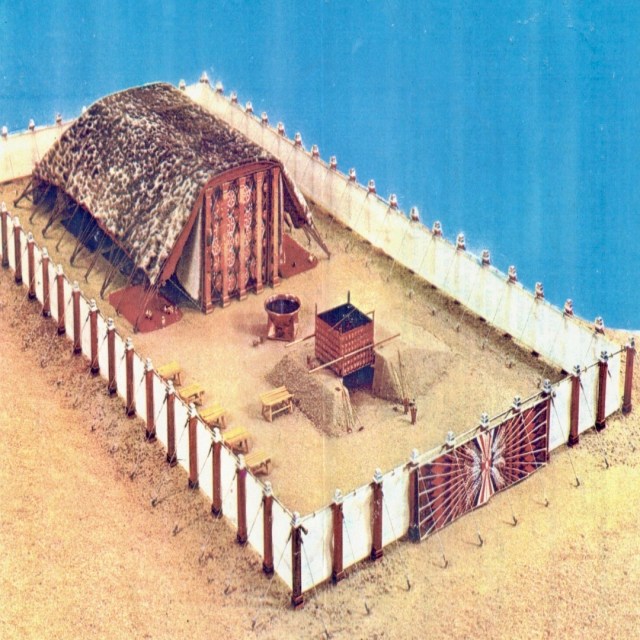
Credit: craigtowens.com
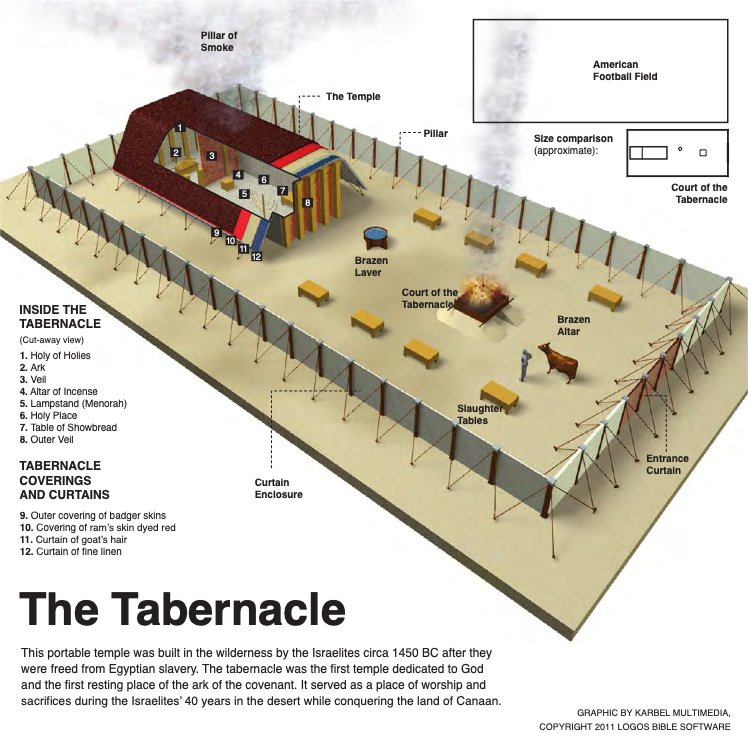
Credit: www.refreshinghope.org
Frequently Asked Questions
What Materials Were Used To Build The Holy Tent?
The Holy Tent was made from fine linen, goat hair, ram skins dyed red, and durable hides. These materials ensured both beauty and durability.
How Was The Holy Tent Structured Inside?
Inside, the Holy Tent had a Holy Place and Most Holy Place, separated by a veil. It housed sacred items like the Ark of the Covenant.
What Colors Decorated The Holy Tent?
The tent featured blue, purple, and scarlet yarns. These colors symbolized royalty, divinity, and sacrifice, enhancing its sacred appearance.
Why Was The Holy Tent Portable?
The tent was designed for easy assembly and disassembly. This allowed the Israelites to carry it during their desert travels.
Conclusion
The Holy Tent held deep meaning for many people. Its design showed great care and purpose. Every part had a special role and symbol. Understanding its look helps us see ancient faith and culture. The tent was more than just a shelter.
It stood as a sign of hope and presence. Remembering its details brings history to life. The story of the Holy Tent still inspires today. It connects us to a rich and sacred past.