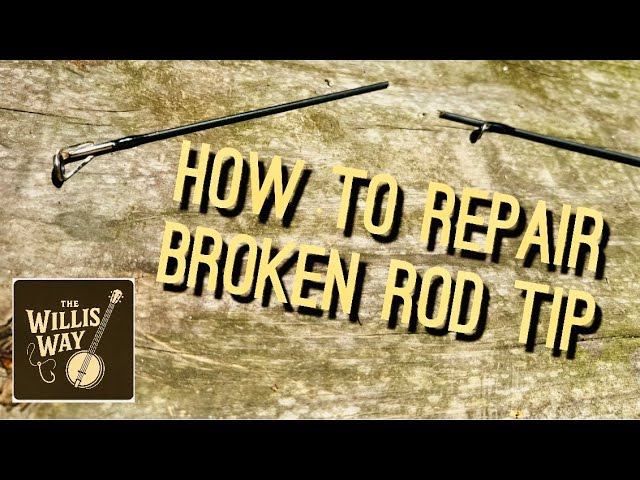
Have you ever faced the frustration of a broken fishing rod just when you were ready to catch that big one? It’s a common problem that can feel like the end of your fishing trip before it even begins.
But here’s the good news: you might not need to buy a new rod. You can repair your broken fishing rod and get back on the water faster than you think. You’ll discover simple, effective ways to fix your rod and save money.
Keep reading, because your next fishing adventure could be just a repair away.
Common Causes Of Fishing Rod Breakage
Fishing rods can break for many reasons. Understanding these causes helps you protect your gear.
Here are some common reasons why fishing rods get damaged or break over time.
Impact And Physical Damage
Physical hits and strong impacts cause cracks or breaks in fishing rods. Dropping a rod or hitting it against hard surfaces is risky.
- Dropping the rod on rocks or hard ground
- Hitting the rod against boat edges or piers
- Snagging the rod in trees or bushes
- Forceful impact from heavy catches
Wear And Tear Over Time
Repeated use causes slow damage to rods. Over time, small cracks grow and weaken the rod’s structure.
| Cause | Effect |
| Sun exposure | Weakens rod fibers |
| Saltwater exposure | Corrodes metal parts |
| Repeated bending | Forms stress cracks |
| Improper storage | Leads to warping or cracking |
Improper Handling
Wrong handling habits cause many rod breaks. Using the rod beyond its limits or poor care damages the rod.
- Using too much force when casting or fighting fish
- Not loosening the drag during fights
- Carrying the rod by the tip or guides
- Failing to clean the rod after use
- Transporting rods without protection

Credit: www.ebay.ca
Assessing The Damage
Before fixing a broken fishing rod, you must check how bad the damage is. This helps you decide if you can fix it or need a new rod.
Look closely at the rod and test it carefully. Understanding the damage type is important for repair.
Identifying The Break Type
Fishing rods can break in different ways. The break can be a clean snap, a crack, or a bent section. Each type needs a different repair approach.
Check where the break is. It could be near the handle, the middle, or the tip. The break type affects how easy the repair will be.
Checking For Internal Cracks
Sometimes the damage is inside the rod and not visible. Internal cracks weaken the rod and can cause it to break again.
Gently press along the rod to feel for soft spots or rough areas. Shine a bright light through the rod to see hidden cracks.
Evaluating Repair Feasibility
Decide if the rod can be fixed or if it is too damaged. Small cracks or clean breaks are easier to repair. Large breaks or many cracks may need replacement.
- If the rod is broken near the handle, repair may be difficult.
- Small tip breaks can often be fixed with simple tools.
- Long cracks weaken the rod and may not be safe to repair.
Essential Tools And Materials
Repairing a broken fishing rod needs the right tools and materials. Using proper items makes the fix strong and long-lasting.
This guide covers key supplies like adhesives, guides, and finishing materials. Each part helps your rod work like new again.
Epoxy And Adhesives
Epoxy is a strong glue that bonds rod parts together. It seals cracks and holds pieces firmly. Use a clear, waterproof epoxy for best results.
Other adhesives like super glue can work for small fixes but may not last outdoors. Always check if the glue dries clear and resists water.
Replacement Guides And Tips
- Choose guides that match your rod’s size and style.
- Remove old guides carefully to avoid damage.
- Use epoxy to attach new guides securely in place.
- Align guides straight for smooth line flow.
- Let the epoxy dry fully before using the rod.
Replacing guides helps restore your rod’s performance. Proper alignment and secure attachment prevent line tangles.
Sandpaper And Wrapping Thread
| Material | Purpose | Tip |
| Sandpaper | Smooth rough edges and remove old glue | Use fine grit for best finish |
| Wrapping Thread | Secure guides and reinforce repairs | Choose thread color that matches rod |
| Clear Finish | Protect thread and epoxy from wear | Apply thin layers for smooth coating |
Sandpaper cleans the repair area for better glue hold. Wrapping thread keeps guides tight and adds strength. Finish with clear coat to protect work.

Credit: www.reddit.com
Step-by-step Repair Methods
Fixing a broken fishing rod is possible with patience and the right tools. You can repair common issues like clean breaks, cracks, or loose parts.
This guide covers methods to fix different types of damage. Follow the steps to restore your fishing rod effectively.
Fixing Clean Breaks
Clean breaks are breaks where the rod snaps into two clear pieces. Repairing these requires careful alignment and bonding.
- Sand the broken ends gently to remove rough edges.
- Use a strong epoxy glue designed for fishing rods.
- Apply the glue evenly on both broken ends.
- Align the pieces carefully and press them together.
- Wrap the joint with masking tape to hold it tight.
- Let the glue dry for at least 24 hours before use.
Repairing Cracks And Splits
Cracks or splits are less severe than breaks but still need quick attention to prevent worsening.
Follow these tips for repairing cracks:
- Clean the cracked area with rubbing alcohol.
- Use thin epoxy or super glue to fill the crack.
- Clamp or tape the area until the glue cures.
- Sand lightly after drying to smooth the surface.
- Consider wrapping with thread and coating with epoxy for extra strength.
Reattaching Guides And Tips
Guides and tips often come loose or break off. Fixing them keeps the rod functioning well.
| Step | Action |
| 1 | Remove any old glue from the guide foot and rod. |
| 2 | Apply a thin layer of epoxy or strong adhesive to the guide foot. |
| 3 | Position the guide exactly where it was before. |
| 4 | Wrap the guide foot with fine thread for extra hold. |
| 5 | Coat the wrapped thread with clear epoxy and let dry fully. |
Tips For Strengthening Repairs
Fixing a broken fishing rod can save money and extend its life. Strong repairs keep the rod reliable for many fishing trips.
Use the right techniques and materials to make the repair last. Small details make a big difference in strength.
Proper Wrapping Techniques
Wrap the broken area tightly to hold parts together. Use thin thread or strong fishing line for wrapping.
Start wrapping a bit before the break and continue after it. Keep the wraps close with no gaps to add strength.
- Keep even tension on the thread while wrapping
- Overlap wraps slightly to cover the break fully
- Secure the end with a small drop of glue or resin
Using Reinforcement Materials
Add materials like fiberglass tape or carbon fiber to make the repair stronger. These materials spread stress across the break.
Cut reinforcement strips to fit the rod’s diameter. Wrap them over the thread for extra support before applying resin.
- Fiberglass tape is flexible and easy to use
- Carbon fiber offers higher strength and stiffness
- Use lightweight materials to keep rod balance
Curing And Drying Best Practices
Let the glue or resin dry fully to make a strong bond. Avoid moving the rod during curing to prevent weak spots.
Keep the rod in a warm, dust-free place while drying. Follow the resin instructions for the best curing time and temperature.
- Check for sticky or soft areas before use
- Allow extra curing time in cold or humid conditions
- Use a slow-curing resin for better strength

Credit: www.youtube.com
When To Consider Professional Repair
Fishing rods can break due to various reasons. Knowing when to seek professional help is crucial.
Consider factors like the type of break and cost before making a decision.
Complex Breaks And Damage
Some breaks are hard to fix at home. Professional repair might be needed in these cases.
- Severe splits in the rod
- Damage to the reel seat
- Broken guides and tips
Cost Vs. Replacement Value
Repair costs can vary. Compare them with the value of buying a new rod.
| Repair Type | Estimated Cost |
| Guide Replacement | $15 – $30 |
| Tip Repair | $10 – $20 |
| Rod Splint | $50 – $100 |
Finding Skilled Repair Services
Look for repair shops with good reviews. Check their experience with fishing rods.
Preventing Future Rod Breakage
Fishing rods can break if they are not handled carefully. Taking steps to protect your rod helps it last longer. Avoiding damage saves money and keeps your gear ready.
Simple habits can reduce the chance of breaking your rod. These include how you carry, store, and use your rod. Regular care also keeps it strong and safe.
Safe Transport And Storage
Transport your fishing rod with care to avoid cracks or bends. Use a rod case or tube for protection. Keep rods away from heavy objects that can press or hit them.
Store rods in a dry place to prevent damage from moisture. Avoid leaning rods against walls where they can fall. Hang rods or lay them flat on racks to keep their shape.
- Use a hard or soft rod case during travel
- Keep rods separate to avoid tangling or pressure
- Store rods in a cool, dry place away from sunlight
- Do not stack heavy items on top of stored rods
Regular Maintenance Routines
Check your rod regularly for cracks or loose parts. Clean your rod after each use, especially if fishing in saltwater. Dry it completely before storing to stop rust and mold.
Lubricate reel seats and guides to keep them working well. Replace worn or damaged guides quickly. Tighten all screws and fittings to prevent parts from falling off.
- Inspect rod for damage before and after fishing trips
- Wipe rod with fresh water and dry it fully
- Oil reel seats and guides lightly
- Fix or replace damaged parts immediately
Proper Casting And Handling
Cast your rod with smooth, controlled movements. Avoid forcing the rod to bend too much. Hold the rod firmly but not too tight to reduce stress on it.
Do not use the rod to pull heavy fish alone. Use your reel and technique to fight the fish. Avoid hitting the rod on rocks, boats, or hard surfaces.
- Use gentle, steady casting motions
- Do not bend the rod beyond its limits
- Hold the rod with a firm but relaxed grip
- Use proper reeling techniques to reduce pressure
- Keep the rod away from hard impacts
Frequently Asked Questions
Can A Broken Fishing Rod Be Easily Repaired At Home?
Yes, many fishing rods can be repaired at home with basic tools and materials. Simple breaks or guide replacements often need epoxy, thread, and sandpaper. Complex damages might require professional repair or rod replacement for safety and performance.
What Tools Do I Need To Fix A Broken Fishing Rod?
You need epoxy resin, rod wrapping thread, sandpaper, scissors, and a small brush. Some repairs also require replacement guides or ferrules. Having a rod drying rack helps maintain alignment during repairs. Proper tools ensure a strong, lasting fix.
How Much Does Professional Fishing Rod Repair Cost?
Professional repair costs range from $20 to $60 depending on damage severity and parts needed. Guide replacements are cheaper, while blank repairs cost more. Always compare repair cost to rod replacement price to decide the best option.
Can All Types Of Fishing Rods Be Repaired?
Most fiberglass, graphite, and composite rods are repairable. However, extreme breaks or damaged blanks may not be fixable. High-end rods often justify professional repair costs, while inexpensive rods might be better replaced. Assess rod type and damage before deciding.
Conclusion
Broken fishing rods can often be fixed with simple tools and care. Small cracks or snapped tips do not always mean the end. Repairing saves money and keeps your favorite rod ready. Try basic fixes before buying a new one.
Sometimes, a quick repair brings your rod back to life. Remember, patience and steady hands help a lot. Give it a try and enjoy fishing again soon!