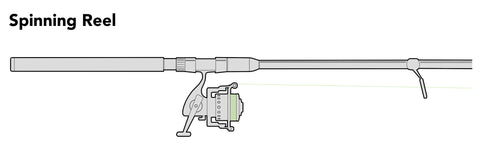
If you want to catch more fish, knowing how to line your fishing reel the right way is a game changer. The way you set up your reel can make a big difference in how smoothly your line casts and how well you handle the fight when a fish bites.
Whether you’re new to fishing or looking to improve your skills, this simple guide will walk you through every step. By the end, you’ll feel confident and ready to reel in your next big catch. Keep reading to discover the easy tricks that can boost your fishing success!
Credit: monsterbass.com
Choosing The Right Fishing Line
Choosing the right fishing line is important for a good fishing experience. It helps you catch fish without breaking or tangling. Different lines work better for different fish and conditions.
Knowing about fishing lines makes it easier to pick one that fits your reel and rod. It also helps you use the best strength and thickness for your fishing needs.
Types Of Fishing Lines
There are three main types of fishing lines: monofilament, fluorocarbon, and braided. Each has its own features and uses.
- Monofilament:Soft and stretchable. Good for beginners and general fishing.
- Fluorocarbon:Nearly invisible underwater and resistant to abrasion. Ideal for clear water.
- Braided:Very strong and thin. Best for heavy cover and deep water fishing.
Matching Line To Reel And Rod
Your fishing line should match the size and type of your reel and rod. This ensures smooth casting and good control.
Light rods work well with lighter lines, while heavy rods need stronger lines. Check the reel’s capacity to avoid overfilling or underfilling.
- Use light line with light rods and small reels.
- Use medium line for medium rods and reels.
- Use heavy line with heavy rods and large reels.
Line Strength And Thickness
Line strength is measured in pounds and shows how much weight the line can hold. Pick a strength that fits the fish you want to catch.
Thicker lines are stronger but less sensitive. Thinner lines offer better feel but can break easier. Balance strength and thickness for your fishing style.
| Line Strength (lbs) | Common Use | Line Thickness |
|---|---|---|
| 2-6 | Small fish, panfish | Thin |
| 8-12 | Medium fish, bass | Medium |
| 15-30 | Large fish, catfish | Thick |

Credit: www.youtube.com
Preparing Your Reel
Before you line your fishing reel, you need to prepare it properly. This makes sure your line goes on smoothly and lasts longer.
Three main tasks help prepare your reel: cleaning, removing old line, and setting up the spool. Each step is important for good results.
Cleaning The Reel
Clean your reel to remove dirt, salt, and grime. This prevents damage and keeps it working well.
- Use a soft cloth to wipe the exterior.
- Apply mild soap and water to clean stubborn dirt.
- Dry the reel completely with a dry cloth.
- Use a small brush to clean hard-to-reach parts.
- Lubricate moving parts lightly after cleaning.
Removing Old Line
Take off the old fishing line before adding a new one. Old line may be weak or tangled.
- Cut the line near the spool.
- Pull out the line slowly until the spool is empty.
- Check the spool for any leftover pieces and remove them.
- Inspect the spool for damage or dirt after line removal.
Setting Up The Spool
Prepare the spool before winding new line. Proper setup helps avoid tangles and line damage.
| Task | Details |
|---|---|
| Attach the Line | Tie the new line firmly to the spool. |
| Apply Tension | Hold the line tight to prevent slack. |
| Fill Spool | Wind line evenly, leaving 1/8 inch from the spool edge. |
| Check Line | Ensure line is smooth without overlaps or twists. |
Attaching The Line
Attaching the fishing line to your reel is an important step. It ensures you are ready for a great fishing experience.
Follow these steps to attach your line properly and avoid tangles.
Tying The Arbor Knot
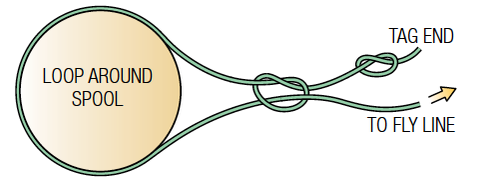
The arbor knot is a simple and effective way to start. It secures the line to the spool.
- Wrap the line around the spool.
- Tie an overhand knot around the standing line.
- Tie a second knot in the tag end.
- Pull tight to secure the line.
Securing The Line To The Spool
Once the knot is tied, make sure the line is properly secured. This prevents slipping during use.
| Action | Result |
| Tighten the knots | Secures the line |
| Check spool tension | Prevents line slipping |
| Reel slowly | Even line distribution |
Spooling The Line
Spooling your fishing reel properly helps you catch more fish. It keeps the line neat and ready for casting.
Getting the line on the spool right takes care and attention. Follow simple tips to do it well.
Maintaining Proper Tension
Keep the line tight as you spool it. Loose line can cause tangles and knots.
- Hold the line between your fingers for steady tension.
- Ask someone to hold the spool with a cloth to add resistance.
- Reel slowly and evenly without sudden pulls.
Avoiding Line Twist
Line twist causes casting problems and weak spots. Stop it before it starts.
| Cause | Solution |
|---|---|
| Line spins off the spool | Spool the line under tension |
| Loose loops on the reel | Keep line tight while reeling |
| Wrong spool direction | Match spool rotation with reel |
Filling The Spool Correctly
Fill the spool to the right level. Too much or too little line causes problems.
- Leave about 1/8 inch of space from the spool edge.
- Do not overfill, or line may spill off.
- Do not underfill, or line may tangle.
Finishing Touches
After you have lined your fishing reel, some final steps ensure the line performs well. These finishing touches improve your fishing experience.
Paying attention to detail now helps prevent problems later while fishing. Let’s look at what you need to do next.
Trimming Excess Line
Cut off any extra line that extends beyond the reel spool. Leaving too much line can cause tangles and reduce casting distance.
- Use sharp scissors or line cutters
- Leave a small amount to avoid slipping
- Secure the line end with a knot or adhesive tape
Checking For Line Damage
Inspect your fishing line carefully for any cuts, frays, or weak spots. Damaged line can break easily and cause you to lose fish.
| Type of Damage | What to Look For | Action Needed |
|---|---|---|
| Fraying | Look for worn fibers along the line | Cut out the damaged section or replace the line |
| Knots | Check for weak knots or slips | Retie or strengthen knots |
| Abrasion | Notice rough spots from rubbing on surfaces | Trim and check the line regularly |
Setting The Drag Properly
The drag controls the tension on your fishing line. Set it so it is tight enough to hold a fish but loose enough to prevent line breakage.
- Turn the drag knob clockwise to increase resistance
- Turn it counterclockwise to decrease resistance
- Test the drag by pulling the line with your hand
- Adjust until the line pulls smoothly without snapping

Credit: www.reddit.com
Tips For Better Casting
Lining your fishing reel properly can improve your casting distance. It helps you avoid tangles and keeps your line strong.
Good casting lets you place your bait where the fish are. Follow these tips for better casting results.
Casting Techniques
Hold your rod firmly but not too tight. This gives better control and smooth casting.
Practice a smooth motion when you cast. Avoid jerking the rod to prevent line twists and tangles.
- Keep your arm straight and move from the shoulder.
- Release the line at the right moment to get good distance.
- Adjust your casting angle depending on wind direction.
Line Maintenance
Check your line often for damage. Look for cracks, frays, or knots that weaken it.
Clean your fishing line after use. Salt and dirt can harm the line and reduce casting quality.
- Rinse the line with fresh water after saltwater fishing.
- Store your reel in a cool, dry place to avoid line damage.
- Replace old line to keep your casts smooth and long.
Troubleshooting Common Issues
Line tangles and bird’s nests are common problems that hurt casting. They happen if the line is too loose or twisted.
Line breakage can occur if the line is weak or damaged. It reduces your fishing chances.
- Check drag settings to avoid line snapping.
- Re-spool the line if it twists or overlaps badly.
- Use the right line weight for your reel and rod.
Frequently Asked Questions
How Do I Choose The Right Fishing Line For My Reel?
Choose a fishing line based on your target fish and fishing style. Consider line strength, material, and reel capacity for best results.
What Is The Best Way To Attach Line To A Fishing Reel?
Use an arbor knot to securely attach the line to the reel spool. This knot is strong and easy to tie.
How Much Line Should I Spool On My Fishing Reel?
Fill your reel spool about 1/8 inch below the rim. This prevents line overflows and ensures smooth casting.
Can I Use Any Type Of Fishing Line On My Reel?
Not all lines suit every reel. Match line type with reel design and fishing conditions for optimal performance.
Conclusion
Lining your fishing reel correctly makes fishing easier and more fun. A neat line helps avoid tangles and lost fish. Take your time and follow each step carefully. Check your line often for wear or damage. Practice a few times to get comfortable with the process.
Good line care can extend your fishing gear’s life. Now, you are ready to enjoy your next fishing trip with confidence. Happy fishing!