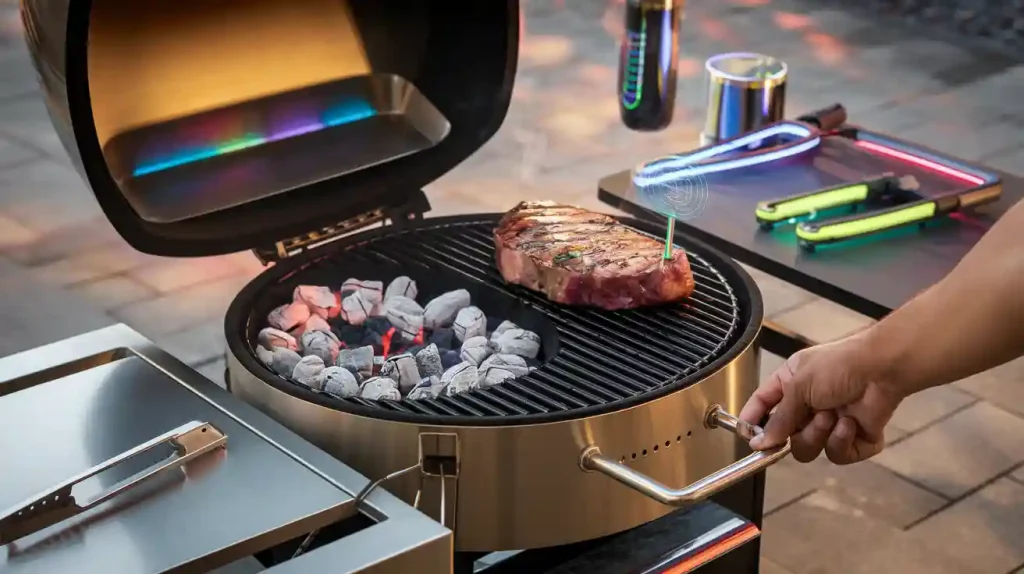
Are you tired of guessing when your charcoal grill is too hot or too cold? Learning how to regulate the temperature on your charcoal grill can make all the difference between a perfect meal and a disappointing one.
Imagine having full control over the heat, so your food cooks evenly and tastes just right every time. You’ll discover simple, proven techniques to master your grill’s temperature. By the end, you’ll feel confident and ready to impress everyone with your grilling skills.
Keep reading to unlock the secrets to perfect charcoal grilling!
Charcoal Grill Basics
Controlling the temperature on a charcoal grill is key to cooking food well. Knowing the basics helps you keep the heat steady.
Charcoal grills use burning charcoal to create heat. You can adjust this heat by managing the charcoal and grill parts.
Types Of Charcoal
Different types of charcoal burn at different speeds and temperatures. Choosing the right charcoal affects your grill’s heat.
There are mainly two types of charcoal: briquettes and lump charcoal. Briquettes burn evenly and last longer. Lump charcoal burns hotter and faster.
- Briquettes:Made from compressed charcoal and additives. Good for steady heat.
- Lump Charcoal:Made from natural wood chunks. Burns hotter and gives a smoky flavor.
- Instant Light Charcoal:Contains chemicals to light quickly but may affect taste.
Grill Components Affecting Heat
Several parts of a charcoal grill help control temperature. You adjust these parts to raise or lower heat inside the grill.
Airflow is the most important factor. Vents let air in and out, which controls how fast the charcoal burns.
- Bottom Vents:Let air in from below. Open vents increase heat by feeding oxygen to coals.
- Top Vents:Let hot air and smoke escape. Closing them lowers heat and slows burning.
- Lid:Keeps heat inside. Removing the lid cools the grill quickly.
- Grill Grate:Holds food and affects heat distance. Closer to coals means higher heat.
Starting The Fire
Controlling the temperature on a charcoal grill begins with how you start the fire. A good start helps keep the heat steady. This guide covers two key parts: choosing how to light the fire and placing the charcoal correctly.
These simple tips will help you get the best heat for cooking your food evenly and safely.
Choosing The Right Ignition Method
There are several ways to light your charcoal. The method you pick affects how quickly and evenly the charcoal burns. Here are common ignition methods:
- Using lighter fluid: Apply fluid carefully and light the charcoal for quick fire.
- Chimney starter: A metal tube that holds charcoal and uses newspaper to light it evenly.
- Electric starter: A tool that heats the charcoal directly without chemicals.
- Natural fire starters: Small blocks made from wood or wax that ignite charcoal without chemicals.
Each method has pros and cons. Chimney starters are safe and clean. Lighter fluid is fast but needs care. Choose what suits your style and safety needs.
Arranging Charcoal For Even Heat
How you place the charcoal affects the grill’s temperature. Arranging charcoal well helps you cook food evenly. Here is a simple guide to arrange charcoal:
| Charcoal Arrangement | Use |
| Single layer spread | Even heat for quick cooking |
| Two-zone fire (coals on one side) | Direct and indirect heat zones |
| Pile in center | High heat for searing |
For even heat, spread the coals in a single layer. Use two zones if you want to cook food slowly on one side and sear on the other. Remember to leave space for air to flow.
Controlling Airflow
Regulating the temperature on a charcoal grill is vital for a successful barbecue. Airflow plays a crucial role in this process.
By controlling airflow, you can maintain the desired heat level. Use the vents and lid position to manage this effectively.
Using Vents To Adjust Temperature
The vents on your charcoal grill are essential for temperature control. Adjusting them regulates the amount of oxygen reaching the coals.
- Open vents fully for higher temperatures.
- Partially close vents to lower the heat.
- Monitor the grill’s thermometer for accuracy.
Impact Of Lid Position
The lid position affects the airflow and temperature. Keeping the lid on helps trap heat and smoke.
Experiment with lid positions to learn their impact:
- Keep the lid closed for consistent heat.
- Open the lid to reduce temperature quickly.

Credit: www.youtube.com
Heat Zones Setup
Setting up heat zones on a charcoal grill helps you control the cooking temperature. It lets you cook different foods perfectly at the same time.
Knowing how to arrange your charcoal creates areas with direct and indirect heat. This setup is key to grilling success.
Direct Vs Indirect Heat Areas
Direct heat means placing food right over the charcoal. It cooks food fast and is good for searing and grilling thin cuts.
Indirect heat means placing food away from the coals. It cooks food slower and is best for large or tough cuts that need more time.
- Direct heat: high temperature, fast cooking
- Indirect heat: lower temperature, slow cooking
- Use direct heat for burgers, steaks, and vegetables
- Use indirect heat for roasts, whole chickens, and ribs
Creating Multi-level Heat Zones
You can create zones with different temperatures by arranging charcoal in layers or sections. This lets you cook various foods at once.
| Zone | Charcoal Setup | Typical Use |
|---|---|---|
| High Heat Zone | Thick layer of lit charcoal | Searing steaks, quick grilling |
| Medium Heat Zone | Thin layer of charcoal or fewer coals | Cooking chicken, sausages |
| Low Heat Zone | No charcoal or coals at the edge | Keeping food warm, slow cooking |
Temperature Monitoring
Keeping the right temperature on a charcoal grill is key to cooking food well. You need to watch the heat carefully to avoid burning or undercooking.
There are simple ways to check the grill’s temperature. Some use tools, and some do not. Both ways help you control the fire better.
Using Grill Thermometers
Grill thermometers show the exact heat inside your grill. They help you cook food at the right temperature without guessing.
- Place the thermometer on the grill grate near the food.
- Check the temperature often to keep it steady.
- Adjust the air vents to raise or lower the heat.
- Use digital thermometers for quick and clear readings.
Checking Heat Without Tools
You can check grill heat without a thermometer by using your hand. This method helps you estimate the temperature quickly.
| Hand Distance | Seconds Held | Heat Level |
| 6 inches above coals | 2-3 seconds | High heat (450°F+) |
| 6 inches above coals | 4-5 seconds | Medium heat (350-450°F) |
| 6 inches above coals | 6-7 seconds | Low heat (250-350°F) |

Credit: www.bbqspitrotisseries.com.au
Adjusting Temperature During Cooking
Controlling the temperature on a charcoal grill is key to cooking food well. You can change the heat by adding or removing charcoal or adjusting airflow.
Keeping the right temperature helps food cook evenly and tastes better. Watch the grill closely and make changes as needed.
Adding Or Removing Charcoal
Adding more charcoal raises the temperature quickly. Use fresh, hot charcoal for best results. Be careful not to add too much at once.
Removing some charcoal lowers the heat. You can spread out the coals or take some out to cool the grill down.
- Add charcoal if the grill is too cool
- Remove charcoal if the grill is too hot
- Use long tongs or gloves to handle hot coals safely
Managing Airflow Mid-cook
Airflow controls how fast charcoal burns. Open vents let in more air, raising the temperature. Close vents to lower heat.
Adjust vents slowly. Small changes can make big differences in heat. Watch the smoke and flames to guide your adjustments.
- Open bottom vents to increase oxygen and heat
- Close vents to reduce oxygen and cool down
- Adjust top vents to control smoke and airflow
Common Temperature Issues
Keeping the right temperature on a charcoal grill can be tricky. Many cooks face problems like flare-ups and uneven heat.
Understanding these common issues helps you control the grill better. This leads to tastier and safer cooking.
Avoiding Flare-ups
Flare-ups happen when fat drips onto hot coals. This causes sudden flames that burn food quickly.
To avoid flare-ups, trim excess fat from meat. Use a spray bottle with water to control small flames.
- Keep the grill lid closed to reduce oxygen
- Move food away from direct flames
- Use a drip pan to catch fat
- Clean grill grates regularly to prevent buildup
Fixing Hot Or Cold Spots
Hot or cold spots happen when heat spreads unevenly on the grill. This can burn some food while undercooking others.
You can fix this by arranging charcoal carefully. Spread coals evenly or pile them on one side for two-zone cooking.
- Use a charcoal chimney to light coals evenly
- Spread coals in a single layer for even heat
- Create hot and cool zones for different foods
- Adjust air vents to control airflow and heat

Credit: www.siuhaau.com
Maintenance Tips For Consistent Heat
Keeping a steady temperature on a charcoal grill needs regular care. Small maintenance tasks help you cook food evenly every time. This guide covers key tips to keep your grill working right.
Focus on cleaning your grill and storing charcoal properly. These actions stop heat loss and make grilling easier. Let’s explore how to keep your grill ready for consistent heat.
Cleaning The Grill
Cleaning removes ash and grease that block airflow and lower heat. A clean grill keeps air moving well and charcoal burning strong. Follow these steps after each use to keep your grill hot and ready.
- Remove ashes and old charcoal from the grill base.
- Brush the cooking grate with a wire brush to clear debris.
- Wipe down the inside walls to remove grease buildup.
- Check and clean the air vents to keep them open.
- Empty drip pans and clean grease traps to avoid flare-ups.
Charcoal Storage Best Practices
Storing charcoal correctly keeps it dry and easy to light. Damp charcoal burns unevenly and lowers grill temperature. Use these tips to keep your charcoal fresh and ready for cooking.
| Storage Method | Benefit |
| Keep in a sealed metal or plastic container | Prevents moisture and keeps charcoal dry |
| Store in a cool, dry place away from rain | Stops charcoal from getting damp or moldy |
| Use charcoal within 6 months of purchase | Ensures good burn quality and consistent heat |
| Avoid storing near chemicals or fuel | Prevents contamination and unwanted odors |
Frequently Asked Questions
How Do I Control Heat On A Charcoal Grill?
Control heat by adjusting the grill’s air vents. Open vents increase oxygen, raising temperature. Closing vents reduces oxygen, lowering heat. You can also move charcoal closer or farther from the cooking area to manage heat intensity precisely.
What Is The Best Way To Start Charcoal For Grilling?
Use a chimney starter for even, quick charcoal ignition. Avoid lighter fluid for cleaner flavor. Wait until coals turn gray with ash before cooking. This ensures consistent and optimal heat for grilling.
How Can I Maintain Consistent Temperature On Charcoal Grills?
Maintain temperature by managing air vents and adding charcoal gradually. Avoid opening the lid frequently to prevent heat loss. Use a grill thermometer to monitor and adjust settings for steady heat throughout cooking.
Why Does My Charcoal Grill Temperature Fluctuate Often?
Temperature fluctuates due to opening the lid, wind, or uneven charcoal placement. Adjust vents carefully and use a stable charcoal bed. Consistent airflow and avoiding frequent lid opening help maintain steady heat.
Conclusion
Controlling temperature on a charcoal grill takes practice and patience. Adjust the air vents to change the heat quickly. Add or remove charcoal to keep the fire steady. Use a thermometer to check the grill’s temperature often. Remember, small changes make a big difference.
With time, you will cook food just right every time. Enjoy the process and the tasty results. Charcoal grilling brings great flavor when you control the heat well. Keep these tips in mind for your next cookout.