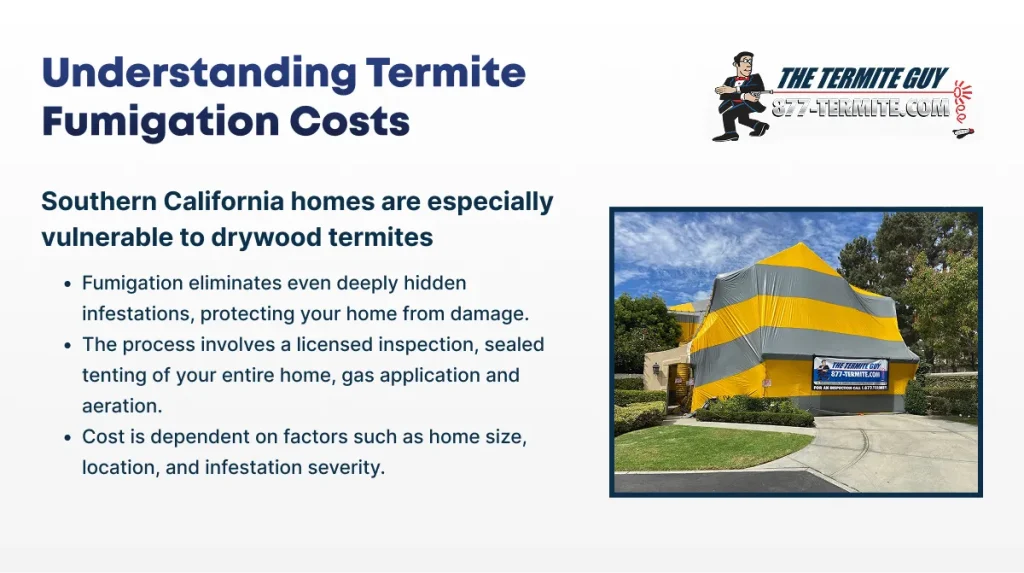
Are you worried about termites damaging your home? You might have heard about tenting as a way to get rid of them, but you’re probably wondering, “How much is it to tent a house for termites?” The cost can feel confusing and even overwhelming.
Understanding what affects the price and what to expect can save you time and money. You’ll get clear answers that help you protect your home without breaking the bank. Keep reading to find out exactly what goes into the cost and how to make the best choice for your situation.
Factors Influencing Tent Pricing
Tenting a house for termites is a common treatment to protect your home. The cost can vary widely based on several factors. Understanding these factors can help you prepare for the expense.
Knowing what affects tent pricing will help you make better decisions. This guide covers the main aspects that influence the cost.
House Size And Layout
The size of your home directly affects the tenting cost. Larger homes need more materials and time to cover.
The layout also matters. Complex floor plans with many rooms or levels may increase labor and setup time.
Infestation Severity
How bad the termite problem is changes the price. A light infestation might cost less than a severe one.
- Light infestations require fewer chemicals.
- Heavy infestations need stronger treatment and more time.
- Severe damage may require extra repair work.
Geographic Location
Where you live affects tenting costs. Prices vary by region due to labor rates and local regulations.
| Region | Average Cost per Square Foot |
| Urban Areas | $0.50 – $0.75 |
| Suburban Areas | $0.40 – $0.60 |
| Rural Areas | $0.35 – $0.55 |
Additional Treatment Needs
Extra treatments can raise the cost. These include pest control for other bugs or wood repairs.
Common additional needs:
- Fumigation of nearby structures
- Post-treatment inspections
- Structural repairs for termite damage
- Preventive barriers installation
Credit: www.agpest.com
Typical Cost Range For Tent Fumigation
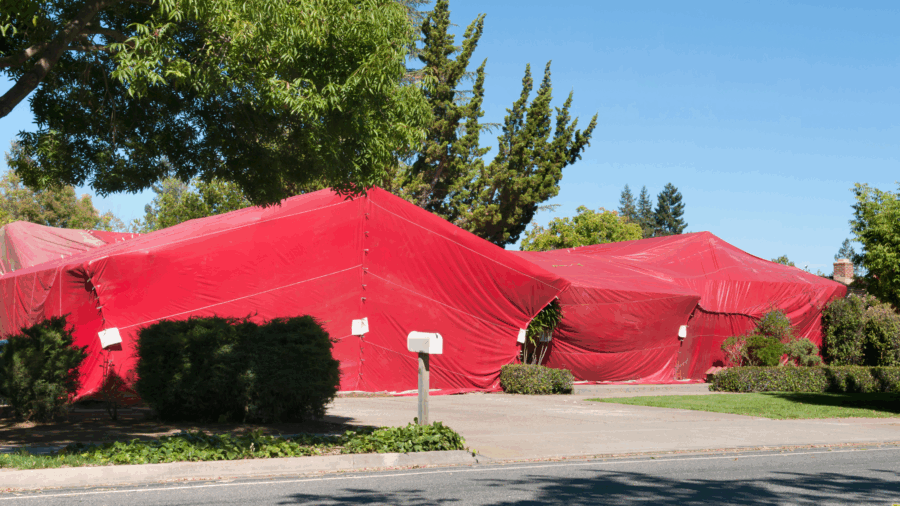
Tent fumigation is a common method to remove termites from a house. It involves covering the home with a large tent and filling it with gas that kills pests. The cost varies depending on several factors.
Knowing the typical cost range helps homeowners plan and budget for this important service. Prices can differ by location and the specific services included.
Average Prices By Region
Costs for tent fumigation change depending on the region. Some areas have higher prices due to demand, labor, and local regulations.
| Region | Typical Cost Range |
|---|---|
| West Coast | $1,200 – $2,500 |
| South | $900 – $2,000 |
| Midwest | $1,000 – $2,200 |
| East Coast | $1,100 – $2,400 |
Cost Breakdown By Service Components
Several service parts affect the total cost of tent fumigation. Each step adds to the price depending on the size and condition of the home.
- Preparation:Moving furniture and sealing the home. Costs about $200 to $400.
- Fumigation:Applying the gas under the tent. This is the main service and costs $800 to $1,500.
- Post-treatment:Ventilating the home and safety checks. Usually $100 to $300.
- Inspection and permits:Required in some areas and can cost $100 to $250.
Comparing Tenting With Other Termite Treatments
Tenting a house for termites is a common treatment method. It involves covering the entire house and using gas to eliminate termites. There are other treatments too, each with its own pros and cons.
Comparing tenting with other methods helps homeowners choose the best solution. Understanding benefits and limitations is crucial.
Benefits Of Tent Fumigation
Tent fumigation is effective for severe termite infestations. It reaches all areas of the house, including hidden spots.
This method eliminates not only termites but also other pests. It offers a comprehensive solution for pest control.
- Thoroughly eradicates termites and other pests
- Reaches inaccessible areas of the home
- Effective for large-scale infestations
Limitations And Alternatives
Tenting can be costly and requires homeowners to vacate the house. It may not be suitable for small infestations.
Alternatives include bait systems and liquid treatments. These methods are less invasive and often cheaper.
- High cost compared to other methods
- Temporary relocation needed
- Alternatives: bait systems, liquid treatments

Credit: www.proventermitesolutions.com
Preparation Steps And Their Impact On Cost
Tenting a house for termites requires careful preparation. These steps help make the treatment safe and effective.
Preparation affects the total cost. Some tasks may increase the price depending on what needs to be done.
Clearing The Property
All items around the house must be moved or cleared. This includes outdoor furniture, toys, and tools.
Clearing takes time and effort. If you need help, hiring movers will add to the cost.
- Remove lawn furniture and decorations
- Clear walkways and driveways
- Move vehicles away from the house
- Secure or remove trash bins
Removing Pets And Plants
Pets must leave the home during the treatment. This keeps them safe from chemicals used in tenting.
Plants inside and near the house need protection or removal. Some may not survive exposure to fumigants.
- Find pet boarding or a friend to care for pets
- Move potted plants away from the house
- Cover or relocate garden plants if possible
- Plan for extra cost if plant removal services are needed
Sealing And Ventilation Needs
The house must be sealed tightly to trap the fumigant inside. This requires covering doors, windows, and vents.
Proper ventilation is needed after treatment. This ensures safe re-entry and reduces health risks.
- Professional sealing with tarps or plastic sheeting
- Check and cover all openings and cracks
- Allow time and equipment for ventilation after fumigation
- Additional sealing and ventilation work can increase costs
Post-tenting Expenses To Consider
After tenting your house for termites, some costs may follow. These expenses help protect your home and fix any damage. Knowing these costs helps you plan your budget better.
This guide covers common post-tenting expenses like repairs, inspections, and prevention methods. Each plays a role in keeping your home safe from termites.
Repairing Structural Damage
Termites often cause damage to wooden parts of your home. After tenting, repairs are needed to restore strength and safety. Costs depend on the damage size and location.
- Replacing damaged wood beams
- Fixing wall studs and floor joists
- Repairing doors and window frames
- Addressing damage in crawl spaces or basements
Follow-up Inspections
After tenting, regular inspections check if termites return or if treatments worked. These inspections may happen every few months. Hiring a professional adds to your expenses but prevents bigger problems.
| Inspection Type | Frequency | Estimated Cost |
| Initial Post-Tenting Check | Within 1 month | $100 – $200 |
| Routine Inspections | Every 3-6 months | $75 – $150 |
| Specialized Damage Assessment | As needed | $200 – $400 |
Preventative Measures
Preventing future termite problems costs money but saves your home. You can take several actions to keep termites away after tenting is done.
- Apply termite-resistant paint or coatings
- Fix leaks and moisture problems promptly
- Keep wood and debris away from the house foundation
- Use termite bait stations around your property
- Maintain proper ventilation in crawl spaces
Credit: gorocketpest.com
Tips For Choosing A Fumigation Service
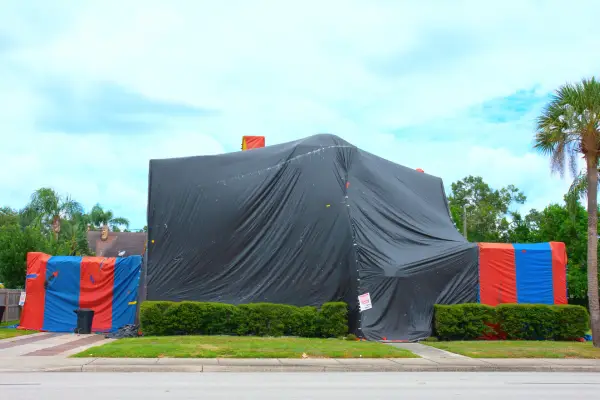
Tenting a house for termites is a big job. Picking the right fumigation service is important for good results.
This guide helps you know what to look for when choosing a company to tent your home.
Checking Credentials And Reviews
Make sure the fumigation company is licensed and insured. This protects you and your home during the job.
Look for reviews from past customers to see their experiences. Good reviews show the company does quality work.
- Verify the company’s license with local authorities
- Check if they have insurance coverage
- Read online reviews on trusted sites
- Ask for references from past clients
Requesting Detailed Quotes
Ask for a written quote before hiring. The quote should list all costs clearly.
Compare quotes from different companies. This helps you find a fair price for the fumigation.
- Make sure the quote covers all services
- Check if there are extra fees for preparation or cleanup
- Ask about how long the process will take
- Confirm what chemicals will be used
Understanding Guarantees And Warranties
Find out if the company offers a guarantee for their work. A good guarantee shows they trust their service.
Warranties may cover termite return or damage. Know the terms and length of any warranty.
- Ask if the service includes a warranty
- Check how long the warranty lasts
- Understand what the warranty covers
- Know how to claim the warranty if needed
Insurance And Warranty Coverage
Tenting a house for termites involves special treatments and risks. Knowing about insurance and warranty coverage helps protect your home and wallet.
Some coverage options include damage protection and treatment guarantees. Understanding these can ease your worries during the process.
What’s Typically Covered
Insurance and warranties often cover several key areas when you tent your house for termites. These include damage during tenting and future termite activity.
- Structural damage caused by chemicals or equipment
- Re-treatment if termites return within the warranty period
- Repair costs for accidental damage to belongings
- Liability for injury or property damage during the process
How To File A Claim
Filing a claim requires clear documentation and following your provider’s rules. This helps speed up the process and ensures you get the coverage you need.
| Action | Description |
| Document Damage | Take photos and notes of any damage before and after tenting |
| Contact Provider | Call your insurance or warranty company to report the issue promptly |
| Submit Claim | Fill out required forms and provide evidence as requested |
| Follow Up | Keep in touch with your provider for updates and additional needs |
Frequently Asked Questions
How Much Does Tenting A House For Termites Cost?
Tenting a house for termites typically costs between $1,000 and $2,500. The price depends on home size, location, and severity of infestation. Additional fees may apply for repairs and follow-up treatments. Always get multiple quotes for accurate pricing.
How Long Does Termite Tenting Treatment Take?
Termite tenting treatment usually takes 24 to 48 hours. The tent remains in place while fumigants eliminate termites. Afterward, the house must be aired out before re-entry. Timing may vary based on home size and infestation level.
Is Tenting The Best Termite Treatment Option?
Tenting is highly effective for severe termite infestations. It kills termites throughout the entire structure. However, smaller or localized infestations may require spot treatments or baiting systems. Consult a pest control expert to choose the best method.
What Should I Do Before Termite Tenting?
Before tenting, remove pets, plants, and food items from your home. Ensure windows and doors are sealed properly. Inform neighbors about the treatment. Follow all pest control company instructions for a safe and effective process.
Conclusion
Tenting a house for termites costs vary by size and location. Expect to pay between $1,000 and $3,000 on average. This treatment protects your home from serious damage. Regular inspections help catch termites early and save money. Choose a trusted professional for safe and effective tenting.
Protect your investment with timely termite control. Don’t let termites harm your home or wallet. Act quickly to keep your house safe and strong.