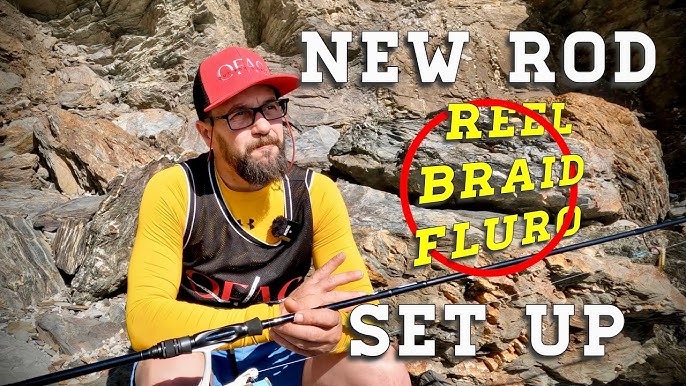
Getting your new fishing rod ready can feel tricky at first. But once you know the simple steps, you’ll be casting like a pro in no time.
Whether you’re a beginner or just need a quick refresher, this guide will walk you through setting up your fishing rod easily and correctly. By the end, you’ll have the confidence to head out and catch your next big fish.
Ready to get started? Let’s dive in!

Credit: fishingbooker.com
Choosing The Right Rod
Picking the right fishing rod is key to a good fishing trip. The rod you choose affects how well you catch fish.
Different rods suit different kinds of fishing. Knowing what to look for helps you get the best rod.
Types Of Fishing Rods
Fishing rods come in many types. Each type works best for certain fish and fishing places.
- Spinning rods are good for light lures and small fish.
- Baitcasting rods offer more control for heavier lures.
- Fly rods are designed for fly fishing with light lines.
- Trolling rods are strong and used for fishing from boats.
Selecting Rod Length And Power
Rod length affects casting distance and rod power affects strength. Choose both based on your fishing needs.
Long rods cast farther but can be harder to control. Short rods give better accuracy and power.
- Light power rods are best for small fish and soft lures.
- Medium power rods work well for many types of fish.
- Heavy power rods handle big fish and heavy baits.
Matching Rod With Fishing Style
Your fishing style should guide your rod choice. Different styles need different rods for best results.
For example, a fly fishing rod is not good for deep sea fishing. Match the rod to the way you like to fish.
- Use spinning rods for shore or light freshwater fishing.
- Choose baitcasting rods for bass or heavy freshwater fishing.
- Pick fly rods for fly fishing in rivers or lakes.
- Use trolling rods for fishing from boats in deep water.
Assembling The Rod
Setting up a new fishing rod starts with assembling the parts correctly. This process makes sure your rod works well and lasts long.
Follow these steps carefully to connect the rod sections, attach the reel, and secure the reel seat.
Connecting Rod Sections
Most fishing rods come in two or more pieces. To join them, hold the sections firmly and align the guides. Push the pieces together straight without twisting. Make sure they fit snugly to avoid wobbling during use.
Attaching The Reel
The reel must be attached securely to keep it stable when you fish. Place the reel foot into the reel seat on the rod handle. Tighten the locking mechanism to hold it firmly. Check the reel’s position and adjust if needed.
- Place the reel foot into the reel seat.
- Slide the reel foot forward until it fits tightly.
- Turn the reel seat locking ring clockwise to tighten.
- Check that the reel does not move or wiggle.
- Adjust the position if the reel feels loose.
Securing The Reel Seat
The reel seat holds the reel in place. It has parts that clamp around the reel foot. Use the locking ring or screws to secure it. Tighten these parts evenly to avoid damage and keep the reel stable.
| Reel Seat Part | Purpose |
| Locking Ring | Twists to tighten the reel foot |
| Clamps | Hold the reel foot from the sides |
| Base | Supports the reel foot at the bottom |
Threading The Line
Threading the line on a new fishing rod is essential. It ensures smooth casting and reeling. Follow these steps to set up your fishing rod correctly.
Selecting The Line Type
Choose a fishing line that suits your fishing needs. The line type affects your fishing success.
- Monofilament lines are flexible and easy to handle
- Braided lines are strong and durable
- Fluorocarbon lines are nearly invisible underwater
Running Line Through Guides
Running the line through the guides is simple. Start from the bottom and work your way up.
- Open the bail arm of the reel
- Insert the line through the first guide
- Continue threading through each guide
- Ensure the line is not twisted
Tying The Line To The Reel
Tying the line securely to the reel is crucial. It prevents the line from slipping during use.
Use a strong knot for best results. The arbor knot is a reliable choice.
| Steps to Tie an Arbor Knot |
| 1. Wrap the line around the spool |
| 2. Tie an overhand knot around the main line |
| 3. Tie a second knot in the tag end |
| 4. Pull both knots tight against the spool |

Credit: www.youtube.com
Setting Up The Reel
Setting up the reel is an important part of preparing your new fishing rod. A properly set reel helps you catch fish more easily.
This guide shows you how to adjust the drag system, spool the line, and check reel function.
Adjusting The Drag System
The drag system controls how much resistance a fish feels when pulling the line. Set it right to avoid breaking the line.
Turn the drag knob to tighten or loosen the drag. Test by pulling the line by hand. Adjust until it feels firm but smooth.
- Too tight drag can snap the line
- Too loose drag lets the fish pull too much line
- Good drag protects your gear
Spooling The Line Properly
Spooling means putting the fishing line onto the reel. Do it carefully to avoid tangles and knots.
Start by threading the line through the rod guides. Tie the line to the reel spool with a strong knot. Keep tension on the line as you wind it.
- Fill the spool about 80% full
- Keep the line tight to prevent loose loops
- Use the reel handle to wind evenly
Checking Reel Functionality
Check the reel for smooth operation before you fish. Make sure the handle turns easily without sticking.
Test the bail arm to see if it flips open and closes properly. Also, check the line release and retrieve functions.
- Turn handle to test smoothness
- Open and close bail arm
- Pull line to check drag
- Fix any issues before fishing
Attaching Hooks And Lures
Setting up a new fishing rod starts with attaching the right hooks and lures. This step helps you catch fish effectively.
Good setup improves your chances and makes fishing more fun. Let’s look at how to choose hooks and lures, tie knots, and balance your setup.
Choosing Hooks And Lures
Pick hooks that match the fish size you want to catch. Small hooks work for small fish. Bigger hooks suit large fish.
Lures come in different shapes and colors. Use bright colors in clear water and dark colors in murky water. Match lure size to the fish type.
- Use sharp hooks for better catch rates
- Choose lures that imitate local baitfish
- Match hook size to lure and fish species
- Keep a mix of hooks and lures for different conditions
Tying Secure Knots
Strong knots keep your hooks and lures attached during the fight. Learn simple knots like the improved clinch knot or Palomar knot.
Wet the line before tightening to avoid damage. Pull the knot tight and trim the tag end close to the knot for a clean finish.
- Use knot types suited for your fishing line
- Practice tying knots to gain confidence
- Check knots regularly for wear or loosening
Balancing The Setup
Balance your fishing rod by matching the weight of the lure and hook to the rod’s strength. Too heavy or too light affects casting and control.
Test your setup by casting gently. Adjust lure size or hook weight if the rod bends too much or too little.
- Match lure weight to rod’s recommended range
- Use lighter hooks for longer casts
- Keep the setup comfortable for your fishing style
Testing The Rod
Testing your new fishing rod ensures it works well before fishing. You can check its balance, strength, and feel by practicing casting and making adjustments.
Spend time testing the rod in a safe space. This helps avoid damage and improves your confidence with the equipment.
Casting Practice Tips
Start casting in an open area without obstacles. Use light, smooth motions to avoid strain. Focus on your grip and stance for better control.
- Hold the rod firmly but not too tight
- Keep your wrist straight during the cast
- Practice both short and long casts
- Watch the line as it flies out
- Try casting at different angles
Adjusting For Accuracy
Accuracy depends on your technique and the rod’s setup. Adjust the reel tension and line weight to match your casting style.
| Adjustment | Effect | How to Test |
|---|---|---|
| Reel Tension | Controls line release speed | Cast and check if line unspools smoothly |
| Line Weight | Affects cast distance and accuracy | Try different weights and see which casts better |
| Rod Flex | Impacts sensitivity and power | Apply pressure and feel the bend |
Troubleshooting Common Issues
Sometimes, the rod may not perform as expected. Check for common problems and fix them before fishing.
- Line tangles: Check for knots and spool correctly
- Rod feels heavy: Adjust grip or try a lighter rod
- Inaccurate casts: Recheck reel settings and practice more
- Snapping line: Use the right line strength and avoid sharp guides
Credit: www.youtube.com
Frequently Asked Questions
How Do I Assemble A New Fishing Rod Correctly?
Start by attaching the reel to the rod’s reel seat. Then, thread the fishing line through each guide from the tip. Finally, tie a secure knot to the line’s end. This ensures your rod is ready for fishing and performs well.
What Type Of Fishing Line Suits A New Rod?
Choose a fishing line based on your target fish and rod strength. Monofilament lines work well for beginners. Braided lines offer higher strength for heavy fish. Match the line weight with the rod’s recommended specifications for best results.
How Do I Maintain My Fishing Rod For Longevity?
Rinse your rod with fresh water after each use to remove dirt and salt. Store it in a cool, dry place away from direct sunlight. Regularly check guides and reel seats for damage and clean them gently.
When Should I Replace The Fishing Line On A New Rod?
Replace your fishing line every few months or after heavy use. If the line shows signs of fraying, discoloration, or memory, it’s time to change it. Fresh lines improve casting distance and reduce the risk of breakage.
Conclusion
Setting up a new fishing rod is simple and fun. Follow each step carefully to avoid mistakes. Check the reel, line, and guides for smooth use. Tighten knots well to keep your catch secure. Practice casting a few times before fishing.
Enjoy the calm and excitement of fishing outdoors. With patience and care, you will fish better. Keep your gear clean and ready for next time. Happy fishing and good luck on your next trip!