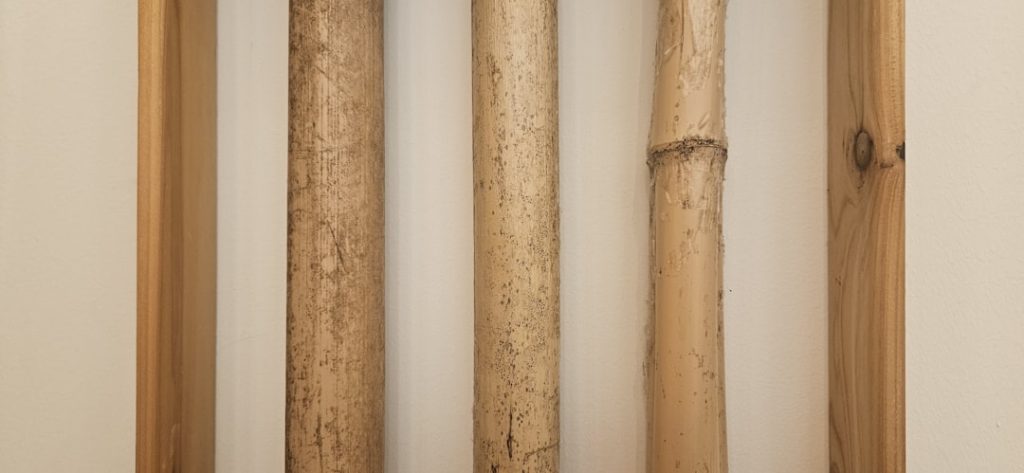
Have you ever wondered what makes a baseball bat strong enough to hit a fast pitch but light enough to swing quickly? The secret lies in the type of wood used to make the bat.
Choosing the right wood isn’t just about tradition—it affects how your bat feels, performs, and even how long it lasts. You’ll discover the most popular types of wood used for baseball bats and why each one matters to your game.
Keep reading to find out which wood could give you the edge at the plate.
Common Woods For Baseball Bats
Baseball bats come in different woods. Each type has unique features that affect performance and feel. Choosing the right wood can impact the bat’s durability and power.
Here are some common woods used for making baseball bats. Each has special qualities that players consider when picking their bat.
Maple
Maple is a dense wood that offers great strength. It is very hard and provides a solid feel at the plate. Maple bats tend to last longer and have less flex.
Ash
Ash is a traditional wood choice for bats. It is lighter than maple and has more flex. This wood can give players better control and faster swing speed.
- Lighter weight
- Good flexibility
- Traditional look
- Quick swing speed
Birch
Birch combines qualities of both ash and maple. It has some flexibility and good hardness. Birch bats break in over time, becoming easier to use.
Hickory
| Feature | Description |
|---|---|
| Weight | Heavier than most woods |
| Strength | Very strong and durable |
| Flexibility | Low flexibility, stiff feel |
| Use | Best for power hitters who want solid contact |
Characteristics Of Maple Bats
Maple bats are a popular choice among baseball players. They are known for their solid feel and unique wood properties. Understanding maple bats helps players choose the right equipment.
This section explains the main traits of maple bats. We look at density and hardness, performance benefits, and durability.
Density And Hardness
Maple wood is denser and harder than other woods like ash. This gives maple bats a strong surface that can hit the ball with power. The tight grain pattern adds to the hardness.
| Wood Type | Density (lbs/ft³) | Hardness (Janka) |
|---|---|---|
| Maple | 43-47 | 1450 |
| Ash | 28-32 | 1320 |
| Birch | 35-40 | 1260 |
Performance Benefits
Maple bats provide several advantages on the field. Players often choose maple for its balance of weight and power. The hard surface allows the ball to come off the bat fast.
- Better energy transfer to the ball
- Smoother swing due to balanced weight
- Consistent hitting surface
- Less vibration felt on impact
Durability
Maple bats last longer than many other wood bats. Their hardness makes them less likely to dent or crack. Proper care extends their life even more.
| Care Tips | Effect on Durability |
|---|---|
| Store in a dry place | Prevents warping |
| Avoid extreme temperatures | Maintains wood strength |
| Use bat sleeves | Protects from scratches |
Traits Of Ash Bats
Ash wood is a popular choice for baseball bats. It offers unique qualities that players appreciate. Understanding these traits helps in choosing the right bat.
These bats stand out because of their strength and feel. They balance power and control well on the field.
Flexibility And Grain Structure
Ash wood has a straight grain that runs along the bat’s length. This grain makes the wood flexible and less likely to break.
- The grain is open and wide.
- This allows the bat to bend slightly on impact.
- Flexibility helps transfer energy to the ball.
- It gives players a better feel when hitting.
Weight And Balance
Ash bats are usually lighter than other wood bats. This makes them easier to swing fast.
| Trait | Description |
|---|---|
| Weight | Light to medium, allowing quick swings |
| Balance | Evenly distributed for good control |
| Length | Commonly 32 to 34 inches |
Shock Absorption
Ash wood absorbs shock better than many other woods. This reduces the sting felt in the hands after hitting.
Shock Absorption Benefits:
- Less vibration on contact
- More comfort during long games
- Improved grip feeling
- Helps prevent hand fatigue
Birch Bats Features
Birch wood is a popular choice for baseball bats. It offers a good balance of strength and flexibility. Many players prefer birch bats for their unique qualities.
Understanding birch bats helps players choose the right equipment. This guide covers key features like hardness, break-in time, and player popularity.
Combination Of Hardness And Flexibility
Birch bats combine the hardness of maple with the flexibility of ash. This mix reduces bat breakage and improves performance. The wood’s grain is tight, making it durable yet springy.
- Harder than ash but more flexible than maple
- Offers good shock absorption
- Less prone to cracking
- Allows for powerful swings
Break-in Period
Birch bats need a short break-in period to reach peak performance. The wood stiffens slightly after use, providing better control and feel. Players often notice improvement after a few games.
| Break-in Time | Effect |
| First 5-10 games | Bat becomes stiffer and more responsive |
| After 10 games | Improved ball control and power |
| Long term | Maintains durability and performance |
Popularity Among Players
Many professional and amateur players use birch bats. Their balance of strength and flexibility suits various hitting styles. Birch bats are especially popular in leagues that allow wood bats.
- Good durability compared to other woods
- Offers a solid feel at contact
- Preferred by players who want a mix of power and control
- Often chosen for its break-in advantages
Hickory Bats Attributes
Hickory is a popular wood choice for baseball bats. It is known for its strong and tough nature. Players often choose hickory bats for durability and performance.
In this article, we explore key features of hickory bats. Learn about their strength, weight, and historical background.
Strength And Toughness
Hickory wood is very strong and tough. It can absorb hard hits without breaking easily. This makes hickory bats last longer than many other wood bats.
- High resistance to impact
- Less likely to crack or splinter
- Provides a solid feel when hitting
Weight Considerations
| Attribute | Details |
| Weight | Heavier than maple and ash |
| Handling | Requires more strength to swing fast |
| Balance | Offers good control for powerful hits |
Because hickory is dense, bats made from it weigh more. Some players like the weight for extra power. Others prefer lighter bats for faster swings.
Historical Use
Hickory bats were very common in early baseball. Many players trusted hickory for its strength. Over time, other woods became popular, but hickory still holds a place in history.
Key historical facts about hickory bats:
- Used widely before the 1950s
- Favored by power hitters
- Replaced later by lighter woods like ash
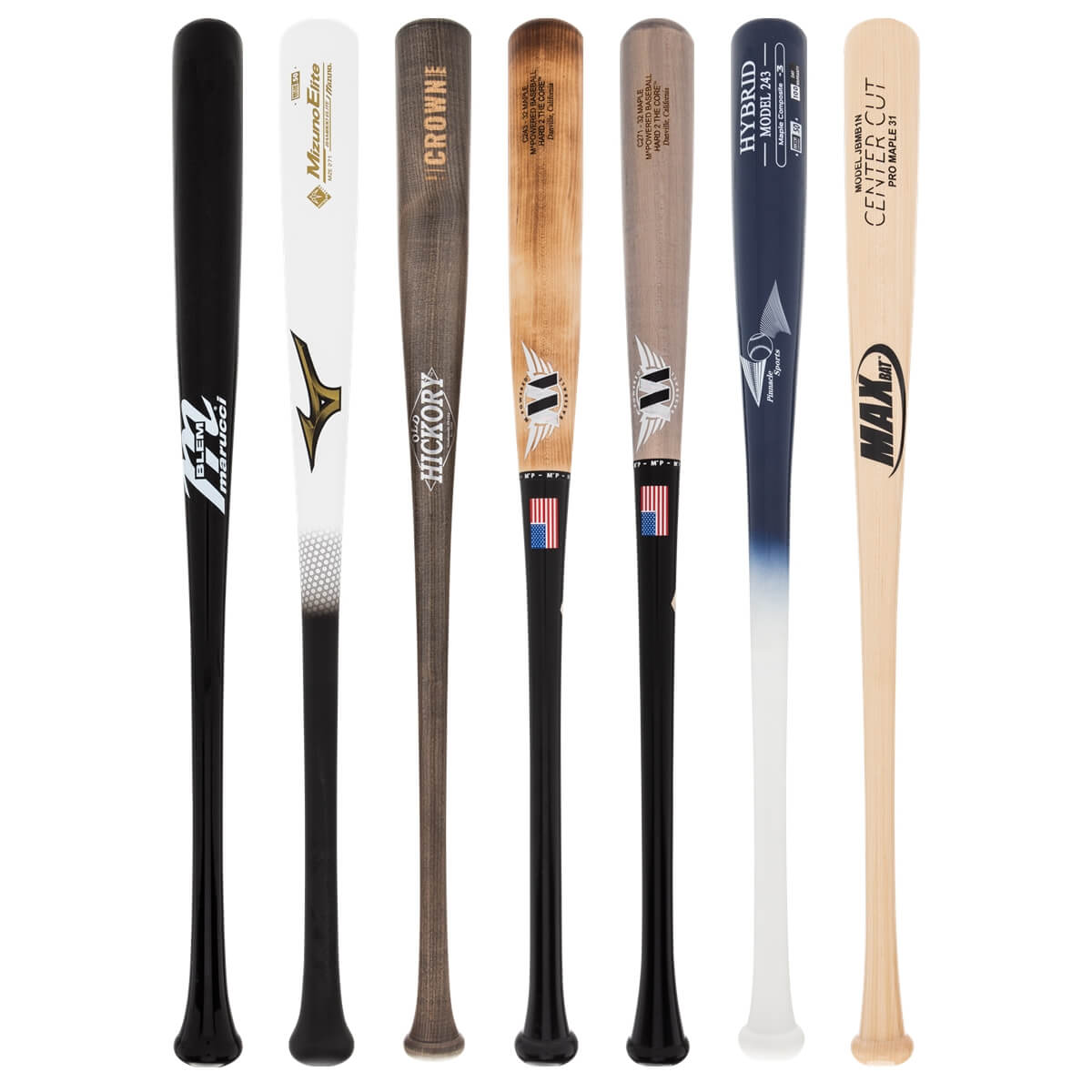
Credit: www.justbats.com
Comparison Of Wood Types
Baseball bats are made from different types of wood. The choice of wood affects how the bat performs, lasts, and costs.
Understanding the differences helps players pick the right bat for their needs and budget.
Performance Differences
Maple, ash, and birch are common woods for bats. Maple is very hard and dense. It gives strong hits but less flexibility.
Ash is lighter and more flexible. It allows better swing speed and control. Birch falls between maple and ash in hardness and flexibility.
- Maple:Hard, dense, powerful hits
- Ash:Light, flexible, good control
- Birch:Balanced hardness and flexibility
Durability And Lifespan
Durability varies by wood type. Maple bats resist dents but may crack if hit wrong. Ash bats absorb impact better but can dent easily.
Birch bats offer a balance. They resist dents better than ash and are less likely to crack than maple.
| Wood Type | Resistance to Dents | Risk of Cracking |
| Maple | High | Medium to High |
| Ash | Low | Low |
| Birch | Medium | Medium |
Cost Factors
Price depends on wood type and quality. Maple bats tend to cost more because of their density and popularity.
Ash bats are usually cheaper. Birch bats cost about the same as ash but vary with brand and grade.
- Maple bats: Higher price, strong and dense
- Ash bats: Lower price, lighter and flexible
- Birch bats: Mid-range price, balanced features
Manufacturing Process Of Wooden Bats
Wooden baseball bats are made through a detailed process. This process starts with selecting the right wood. Then, the wood is shaped and turned into a bat. Finally, the bat is finished and checked for quality.
Each step is important to make sure the bat performs well and lasts long. Let’s look at how wooden bats are made.
Selection Of Wood
Wood choice matters a lot for baseball bats. The best woods are hard, light, and have a straight grain. Common woods used are maple, ash, and birch.
Workers pick wood carefully to avoid knots and cracks. This helps make the bat strong and balanced.
- Maple: very hard and dense
- Ash: light and flexible
- Birch: a mix of hard and flexible
Shaping And Turning
The wood block is cut into a rough bat shape. Then, a lathe machine turns the wood to smooth and shape it precisely.
The turning process shapes the handle, barrel, and knob. Skilled workers watch closely to keep the right size and weight.
- Cut wood to rough size
- Mount wood on lathe machine
- Turn wood to shape bat
- Smooth the surface by sanding
Finishing And Quality Control
After shaping, the bat gets sanded to remove rough spots. The wood may be stained or sealed to protect it from moisture.
Each bat is checked for weight, length, and defects. This ensures the bat meets the required standards before it is sold.
- Sanding for smooth finish
- Apply stain or sealant
- Check bat weight and length
- Inspect for cracks or flaws

Credit: sambat.com
Choosing The Right Wood For Your Bat
Baseball bats come in different woods. Each wood type affects how the bat feels and performs. Picking the right wood is important for every player.
Wood choices change based on skill, style, and league rules. Knowing these factors helps you find the best bat for you.
Player Skill Level
Beginner players often use bats made from softer woods. These bats are lighter and easier to handle. Skilled players prefer harder woods for better durability and power.
- Softwoods like pine are light but less durable
- Hardwoods like maple and ash offer strength and control
- Advanced players choose dense wood for better performance
Playing Style
Your playing style influences the wood you select. Power hitters need bats that can handle strong hits. Contact hitters benefit from bats that offer good balance and control.
- Maple bats suit power hitters because they are dense and strong
- Ash bats are flexible and good for contact hitters
- Birch bats provide a mix of flexibility and hardness
League Regulations
Different leagues have rules about bat materials. Some leagues only allow certain types of wood. Knowing these rules helps avoid penalties and keeps play fair.
- Many leagues require solid wood bats like maple, ash, or birch
- Composite or aluminum bats are often banned in official leagues
- Check your league’s rules before choosing a bat
Care And Maintenance Tips
Baseball bats need proper care to last longer. Wooden bats are popular for their classic feel and performance. Follow these tips to keep your bat in top shape.
Different types of wood are used for baseball bats, like ash and maple. Each type has unique care needs. Knowing how to maintain them helps prevent damage.
Storage Recommendations
Storing your baseball bat correctly is important. Keep it in a cool, dry place. Avoid direct sunlight and moisture, which can warp the wood.
Using a bat rack or wall mount keeps the bat safe. This prevents unnecessary dings and scratches.
- Store in a vertical position
- Avoid extreme temperatures
- Keep away from damp areas
Cleaning Methods
Cleaning your bat after games removes dirt and grime. Use a soft cloth to wipe it down. Mild soap and water can help with stubborn stains.
Avoid soaking the bat in water. This can damage the wood over time. Dry it completely after cleaning.
- Use a soft, damp cloth
- Apply mild soap for tough spots
- Dry thoroughly to prevent moisture damage
Avoiding Damage
To keep your bat in good condition, avoid hitting hard surfaces. Only use it with approved baseballs. This prevents cracks and splits.
Inspect your bat regularly for signs of wear. Small dents or chips can be repaired early to avoid larger damage.
- Avoid hitting on the handle
- Check for cracks and fix them promptly
- Use for its intended purpose only

Credit: www.reddit.com
Frequently Asked Questions
What Types Of Wood Are Baseball Bats Made Of?
Baseball bats are mainly made from ash, maple, and birch wood. Each type offers unique strength and flexibility. Ash is lightweight and flexible. Maple is dense and hard, providing power. Birch combines flexibility and hardness for balanced performance.
Why Is Ash Wood Popular For Baseball Bats?
Ash wood is popular due to its lightweight and flexible nature. It absorbs shock well and offers good swing speed. Players prefer ash for its traditional feel and better control during hits. Its grain allows for easy shaping and durability.
How Does Maple Wood Affect Bat Performance?
Maple wood is dense and hard, enhancing bat power and durability. It provides a solid feel with less flex, resulting in strong hits. Maple bats are heavier but offer better energy transfer on contact, favored by power hitters.
Are Birch Wood Bats Better Than Ash Or Maple?
Birch wood bats combine the flexibility of ash and hardness of maple. They offer a balanced feel with moderate weight and durability. Birch is less common but gaining popularity for its versatility and performance benefits in different playing styles.
Conclusion
Wood choice affects baseball bat’s weight, strength, and performance. Maple offers hardness and durability, while ash provides lightness and flexibility. Birch stands between both, giving a balanced feel. Each type suits different player styles and needs. Knowing wood types helps pick the best bat for you.
Choose wisely to enjoy better hitting and longer bat life. Wood matters in baseball, shaping how you play and hit.