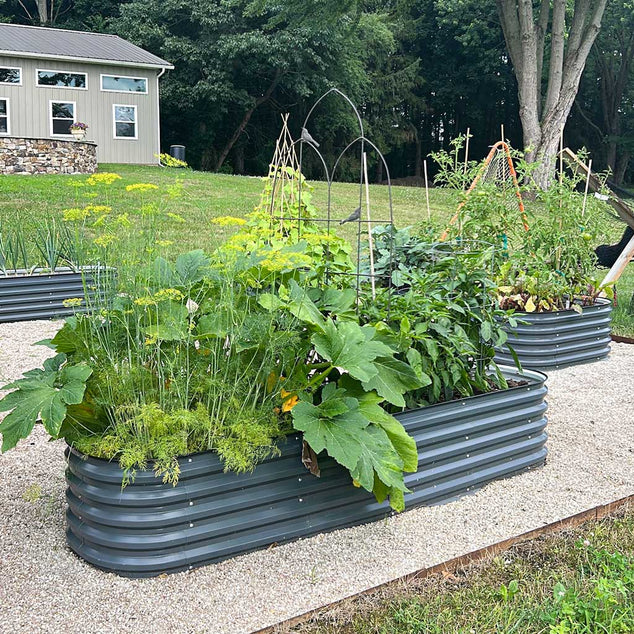
Are you ready to turn your raised garden beds into a thriving green oasis? Choosing what to grow can feel overwhelming, but it doesn’t have to be.
Whether you want fresh veggies, colorful flowers, or fragrant herbs, the right plants can make your garden both beautiful and productive. You’ll discover easy-to-grow options that fit perfectly in raised beds, plus tips to help your plants flourish. Keep reading, and soon you’ll be harvesting the fruits of your labor with confidence and joy.
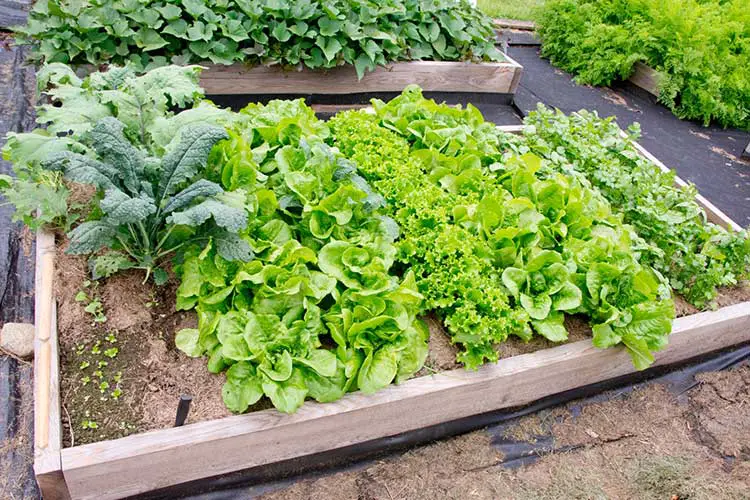
Credit: www.farmfreshchoice.com
Benefits Of Raised Garden Beds
Raised garden beds offer many advantages for growing plants. They improve soil quality and drainage.
These beds make gardening easier and can increase your harvest. Let’s explore their key benefits.
Better Soil Control
Raised beds let you fill with quality soil. You avoid poor native soil and control nutrients.
Improved Drainage
Water drains faster in raised beds. Plants get less waterlogged, reducing root diseases.
Easier Access And Maintenance
Raised beds reduce bending and kneeling. They are easier to weed, plant, and harvest.
- Less back strain for gardeners
- Clear boundaries keep plants organized
- Less soil compaction from walking
Extended Growing Season
The soil in raised beds warms faster in spring. This lets you plant earlier and grow longer.
Pest And Weed Control
Raised beds reduce weed growth and keep pests away. Barriers can be added easily.
| Benefit | How It Helps |
| Soil Quality | Use fresh, rich soil |
| Drainage | Prevents water buildup |
| Accessibility | Less bending and kneeling |
| Growing Season | Warmer soil starts growth early |
| Pest Control | Fewer weeds and easier barriers |
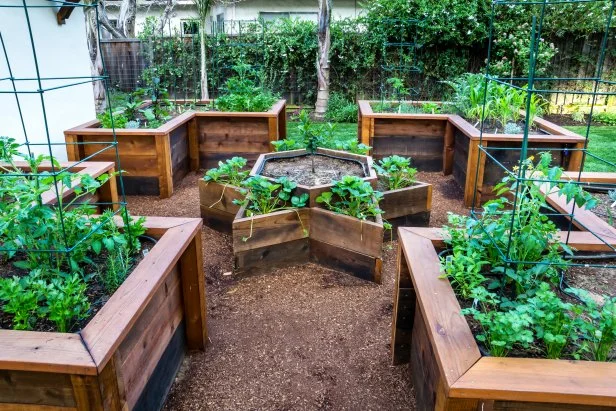
Credit: www.hgtv.com
Choosing The Right Plants
Raised garden beds provide excellent drainage and soil control. Choosing plants that grow well in these conditions helps your garden thrive.
Focus on plants that have shallow roots or benefit from loose soil. This guide covers vegetables, herbs, flowers, and fruits suited for raised beds.
Vegetables Suited For Raised Beds
Many vegetables do well in raised beds because of the good soil and drainage. Root vegetables and leafy greens are especially good choices.
- Carrots
- Lettuce
- Radishes
- Spinach
- Beets
- Peppers
- Tomatoes
Herbs That Thrive
Herbs grow well in raised beds with good soil and sunlight. They often need less space and can be planted close together.
- Basil
- Thyme
- Parsley
- Chives
- Oregano
- Mint
Flower Varieties To Consider
Flowers add color and attract pollinators to your raised beds. Choose types that do well in well-drained soil.
| Flower | Growing Season | Sunlight |
| Marigold | Spring to Fall | Full Sun |
| Pansy | Spring and Fall | Partial Shade |
| Zinnia | Summer | Full Sun |
| Petunia | Spring to Fall | Full Sun |
Fruits Adapted To Raised Beds
Small fruit plants do well in raised beds. They need room to spread but benefit from good soil and drainage.
- Strawberries
- Blueberries
- Dwarf raspberries
- Dwarf blueberries
- Bush-type currants
Soil And Fertilizer Tips
Good soil and the right fertilizers help plants grow strong in raised beds. Healthy soil holds water and gives nutrients to roots.
Choosing the best soil mix and natural fertilizers makes your garden thrive. Let’s look at some tips.
Best Soil Mixes
Use soil that drains well but keeps moisture. A mix of components works best for raised beds.
- One-third topsoil for structure and minerals
- One-third compost to add nutrients and improve texture
- One-third peat moss or coconut coir to keep moisture
- Small amount of perlite or vermiculite for air flow
This mix supports root growth and prevents water from pooling. Avoid heavy clay soil alone as it holds too much water.
Natural Fertilizers To Use
Natural fertilizers feed plants without chemicals. They improve soil life and keep your garden safe.
| Fertilizer | Benefits | How to Use |
| Compost | Rich in nutrients, improves soil | Mix into topsoil before planting |
| Worm Castings | Boosts soil microbes, gentle nutrient boost | Sprinkle around plants or mix in soil |
| Fish Emulsion | Quick nitrogen source, promotes leaf growth | Dilute with water and spray on leaves |
| Bone Meal | High in phosphorus, helps root development | Mix into planting holes |
| Seaweed Extract | Contains trace minerals, improves resistance | Use as a foliar spray or soil drench |
Sunlight And Watering Needs
Raised garden beds need the right sunlight and water to grow healthy plants. Knowing how much sun and water your plants need helps them thrive.
This guide explains the best sunlight exposure and watering methods for your raised garden beds.
Optimal Sunlight Exposure
Most vegetables and flowers in raised beds need full sun. This means at least six hours of direct sunlight every day.
- Place your raised beds where they get morning sun.
- Avoid shade from trees or buildings.
- Leafy greens like lettuce can grow in partial shade.
- Watch how sunlight moves across your garden during the day.
Efficient Watering Techniques
Water your raised beds deeply but less often. This helps roots grow strong and reach water deep in the soil.
| Watering Method | Benefits |
| Drip Irrigation | Delivers water slowly to roots, saves water |
| Soaker Hose | Even watering, reduces evaporation |
| Hand Watering | Allows control, good for small beds |
| Sprinkler | Covers large areas, may waste water |
Companion Planting Ideas
Companion planting helps your garden grow better. It involves growing different plants together. Some plants help each other by keeping pests away or improving growth.
Raised garden beds are perfect for companion planting. They offer good drainage and easy access. Let’s explore some companion planting ideas for your raised beds.
Tomatoes And Basil
Tomatoes and basil grow well together. Basil helps repel insects that harm tomato plants. It also improves the flavor of tomatoes when grown nearby.
Carrots And Onions
Carrots and onions are good companions. Onions help deter carrot flies, which can damage carrot crops. They both grow well without competing for nutrients.
- Carrots need loose soil to grow straight.
- Onions prefer slightly acidic soil.
- Both need regular watering to thrive.
Cabbage And Dill
Cabbage and dill make a great pair. Dill attracts beneficial insects that protect cabbage plants. It also improves the health of cabbage by enhancing soil quality.
| Plant Pair | Benefit |
| Cabbage and Dill | Attracts beneficial insects |
| Tomatoes and Basil | Repels harmful insects |
| Carrots and Onions | Deters carrot flies |
Corn And Beans
Corn and beans support each other well. Corn gives beans a structure to climb. Beans fix nitrogen in the soil, which helps corn grow better.
Seasonal Planting Suggestions
Raised garden beds offer great control over soil and drainage. Choosing the right plants for each season helps your garden thrive all year.
Knowing which vegetables and herbs grow best in spring, summer, and fall makes gardening easier and more productive.
Spring Picks
Spring is perfect for cool-weather crops. The soil warms up and many seeds germinate quickly.
- Lettuce
- Spinach
- Radishes
- Peas
- Broccoli
- Carrots
Summer Favorites
Summer heat suits warm-loving plants. They need plenty of sun and water to grow well.
| Plant | Sunlight | Water Needs |
|---|---|---|
| Tomatoes | Full sun | Moderate |
| Peppers | Full sun | Moderate |
| Zucchini | Full sun | High |
| Basil | Full sun | Moderate |
| Cucumbers | Full sun | High |
Fall Choices
Fall lets you grow cool-season vegetables again before winter arrives. These plants tolerate cooler temperatures.
- Brussels sprouts
- Kale
- Cauliflower
- Beets
- Turnips
Pest And Disease Management
Pests and diseases can harm plants in raised garden beds. Managing them keeps your garden healthy. It helps plants grow strong and produce more.
Using natural methods to control pests is safer for you and the environment. It also protects beneficial insects in your garden.
Common Pests In Raised Beds
Many pests like raised beds because they offer food and shelter. Some common pests include aphids, slugs, and spider mites. These pests can damage leaves, stems, and roots.
- Aphids:Small, soft insects that suck plant sap.
- Slugs:Slimy creatures that eat leaves at night.
- Spider Mites:Tiny bugs that cause webbing and leaf spots.
- Cutworms:Caterpillars that cut young plants at the base.
- Whiteflies:Small white insects that feed on plant juices.
Organic Control Methods
Organic methods help control pests without harmful chemicals. These methods keep your soil and plants safe. They also support good bugs that fight pests naturally.
| Method | Description |
| Handpicking | Remove pests like slugs and caterpillars by hand. |
| Neem Oil | Spray neem oil to repel aphids and mites. |
| Companion Planting | Grow plants like marigolds to keep pests away. |
| Beneficial Insects | Introduce ladybugs and lacewings that eat pests. |
| Row Covers | Use cloth covers to protect plants from insects. |

Credit: www.hgtv.com
Maximizing Space In Raised Beds
Raised garden beds let you grow many plants in a small area. Using space well helps you get more plants and better harvests.
Planning your bed layout and choosing the right growing techniques can increase the number of plants you grow.
Vertical Gardening Tips
Growing plants upward saves ground space. Use trellises, cages, or stakes to support climbing plants.
Vertical gardening works well for beans, peas, cucumbers, and tomatoes. It keeps plants healthy and easier to harvest.
- Place tall plants at the back of the bed
- Use strong supports for heavy fruits
- Train vines to climb evenly
- Consider hanging baskets for herbs
Succession Planting Strategies
Succession planting means growing crops one after another in the same bed. This keeps your garden productive all season.
Plant fast-growing veggies after slow ones finish. This way, the soil always has growing plants.
- Start lettuce or radishes after early peas
- Plant beans or carrots after spinach
- Use quick herbs to fill gaps
- Keep track of harvest dates to plan next crops
Frequently Asked Questions
What Vegetables Grow Best In Raised Garden Beds?
Leafy greens, tomatoes, peppers, carrots, and radishes thrive in raised beds. These beds offer better drainage and soil control, ideal for these crops.
Can Herbs Be Grown Successfully In Raised Beds?
Yes, herbs like basil, thyme, rosemary, and parsley grow well in raised beds. They benefit from well-drained soil and consistent moisture.
How Does Soil Quality Affect Raised Bed Gardening?
Soil quality is crucial; raised beds allow you to customize rich, well-draining soil. This boosts plant health and yield significantly.
Are Raised Beds Suitable For Growing Root Vegetables?
Absolutely. Raised beds provide loose soil that supports root development for carrots, beets, and potatoes, improving size and quality.
Conclusion
Raised garden beds offer great space for many plants. Choose vegetables like tomatoes, lettuce, and carrots. Herbs such as basil and parsley grow well too. Flowers can add color and attract pollinators. Soil drains better, helping roots stay healthy. You control the nutrients for stronger plants.
Growing in raised beds is simple and fun. Start small, and enjoy fresh food from your garden. Try different plants to see what you like best. Happy gardening!