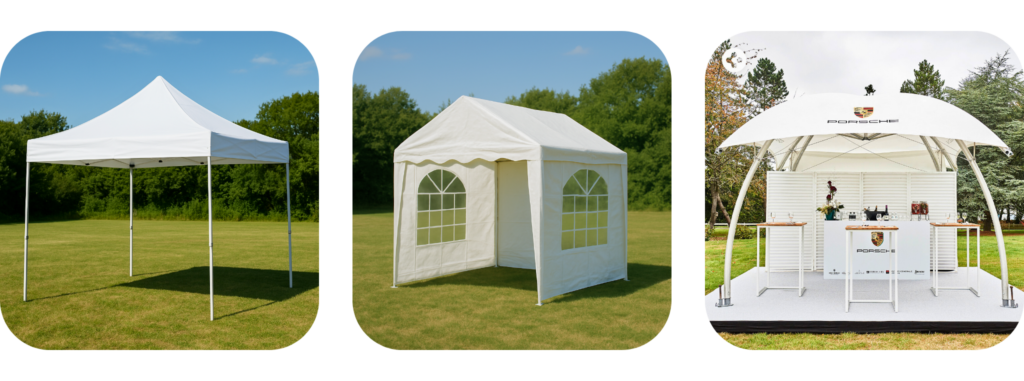
Have you ever wondered what makes your tent strong, lightweight, and weatherproof? Knowing what tents are made out of can help you choose the right one for your adventures and take better care of it.
Whether you’re camping in the woods, hiking up a mountain, or setting up at a festival, the materials inside your tent play a huge role in your comfort and safety. Keep reading, and you’ll discover the secrets behind the fabrics and poles that protect you from the elements—and how this knowledge can make your next outdoor trip even better.

Credit: whiteduckoutdoors.com
Common Fabrics Used
Tents are made from different fabrics to suit various needs. The choice of fabric affects the tent’s weight, durability, and weather resistance.
Three common fabrics used for tents are nylon, polyester, and canvas. Each has unique qualities.
Nylon And Its Variants
Nylon is a strong and lightweight fabric. It dries quickly and resists tearing. Variants like ripstop nylon have extra threads to prevent rips from spreading.
- Lightweight and easy to carry
- Good resistance to abrasion
- Can be coated to be waterproof
- Dries fast after rain
Polyester Benefits
Polyester tents resist stretching and shrinking. They handle UV light better than nylon. This fabric stays strong even after long sun exposure.
| Feature | Polyester |
| Weight | Moderate |
| UV Resistance | High |
| Water Resistance | Good with coating |
| Durability | Long-lasting |
Canvas Characteristics
Canvas tents are made from heavy cotton fabric. They are very durable and breathable. Canvas is good in hot or cold weather.
Canvas tents have these features:
- Strong and long-lasting
- Breathable for comfort
- Heavier and bulkier
- Needs more care to avoid mold
Waterproof Coatings
Tents need to keep you dry in rain. Waterproof coatings stop water from soaking through fabric.
These coatings add a layer that water cannot pass. They also help tents last longer outdoors.
Polyurethane Coating
Polyurethane coating is a common waterproof layer on tents. It forms a smooth, flexible shield on fabric.
This coating is light and does not crack easily. It works well for light rain and windy conditions.
Silicone Treatment
Silicone treatment makes fabric very water-resistant. It creates a shiny, slippery surface that water slides off.
Silicone is strong and lasts a long time. It also keeps fabric soft and helps tents resist tears.
Polyvinyl Chloride (pvc)
PVC is a plastic coating used on heavier tents. It creates a thick, waterproof barrier on the fabric.
This coating is very durable and blocks all water. It is heavier but good for strong rain and rough use.
Frame Materials
Tents come in different shapes and sizes. Frame materials play a key role in their durability and functionality. Let’s explore the most common materials used for tent frames.
Each material offers unique benefits. Understanding these can help you choose the right tent for your needs.
Aluminum Poles
Aluminum poles are lightweight and strong. They are preferred by many campers. These poles are resistant to rust and can handle strong winds.
- Lightweight: Easy to carry on long hikes.
- Strong: Can withstand harsh weather conditions.
- Rust-resistant: Lasts longer in wet environments.
Fiberglass Options
Fiberglass poles are another common choice. They are affordable and flexible. However, they may break under heavy stress.
| Feature | Fiberglass Poles |
| Cost | Budget-friendly |
| Flexibility | High |
| Durability | Moderate |
Steel Frames
Steel frames are the strongest among the three. They are used in larger tents. Steel is heavy but provides excellent stability.
Consider the weight when choosing steel frames for your tent. They are ideal for car camping where weight is not a concern.
Flooring Materials
Tent floors keep you dry and comfortable. They protect you from dirt, water, and insects.
Different flooring materials offer various benefits. Choosing the right one depends on your needs.
Heavy-duty Nylon
Heavy-duty nylon is strong and lightweight. It resists tears and water well.
This material is easy to pack and carry. It dries quickly after rain or dew.
Polyethylene Tarps
Polyethylene tarps are very waterproof. They keep moisture and mud out of the tent.
This material is heavier but very durable. It is often used for camping and outdoor events.
- Waterproof and tough
- Resistant to chemicals and mildew
- Not very breathable
Reinforced Canvas
Reinforced canvas is thick and sturdy. It offers good protection from rough ground.
This material is heavier and takes longer to dry. It provides natural breathability.
Additional Components
Tents have many parts besides the main fabric. These extra parts help tents work better.
These components include zippers, mesh screens, and seam tapes. Each has a special job.
Zippers And Fasteners
Zippers let you open and close tent doors and windows easily. They keep bugs out and air flowing.
Fasteners like clips and hooks hold tent parts together. They make setup quick and secure.
- Zippers are often made from nylon or metal.
- They come in different sizes for strength and ease.
- Fasteners help attach rain flies and poles.
Mesh Screens
Mesh screens cover tent windows and vents. They keep bugs out while letting air pass through.
Mesh is made from fine nylon or polyester threads. It is light and strong to last outdoors.
- Protects campers from insects
- Allows airflow for fresh air
- Helps reduce condensation inside
Seam Tapes And Sealants
Seam tapes cover the stitched areas of tents. They stop water from leaking inside the tent.
Sealants are liquids applied to seams. They add extra waterproof protection to tents.
- Seam tapes are usually made from waterproof fabric.
- Sealants dry clear and flexible.
- Both help keep the tent dry during rain.

Credit: www.freeformtents.com
Material Selection Factors
Choosing the right material for tents is important. It affects how the tent performs outdoors.
Many factors guide the choice of fabric and other parts. These include strength, weather, and cost.
Durability And Weight
Tent materials must be strong to last through use. They also need to be light for easy carrying.
- Heavy materials last longer but add weight.
- Lighter fabrics make the tent easy to carry.
- Durable materials resist tears and damage.
- Weight and strength must balance for comfort and use.
Weather Resistance
Tents face sun, rain, wind, and sometimes snow. Materials must protect against these conditions.
| Material | Water Resistance | Wind Resistance | UV Protection |
| Polyester | Good | Moderate | High |
| Nylon | Moderate | Good | Moderate |
| Canvas | Excellent | High | Excellent |
Cost Considerations
Price affects which materials are used. Some fabrics cost more but last longer.
- Budget materials are cheaper but may wear out faster.
- Premium fabrics cost more but offer better protection.
- Choosing material depends on tent use and budget.

Credit: www.wired.com
Frequently Asked Questions
What Materials Are Commonly Used In Tent Fabrics?
Tents commonly use nylon, polyester, and canvas fabrics. Nylon and polyester are lightweight, water-resistant, and durable. Canvas is heavier but offers excellent breathability and durability. Each material suits different camping needs and weather conditions.
How Do Waterproof Coatings Protect Tent Materials?
Waterproof coatings like polyurethane or silicone prevent water penetration. They create a barrier on fabric surfaces, keeping tents dry during rain. These coatings also enhance fabric durability and resistance to UV damage, extending the tent’s lifespan.
What Frame Materials Are Tents Made From?
Tent frames are usually made from aluminum, fiberglass, or steel. Aluminum is lightweight and strong, ideal for backpacking tents. Fiberglass is affordable but less durable. Steel is heavy but offers great strength for large tents.
Why Is Tent Fabric Breathability Important?
Breathable fabrics reduce condensation inside the tent. They allow moisture and air to escape, keeping the interior dry and comfortable. Breathability is crucial for preventing mold and maintaining a healthy camping environment.
Conclusion
Tents come in many materials, each with its own strengths. Nylon and polyester are light and dry quickly. Canvas is heavy but very strong and breathable. Coatings like polyurethane keep tents waterproof. Choosing the right material depends on your trip and weather.
Knowing what tents are made of helps you pick the best one. This way, you stay comfortable and safe outdoors. Remember, a good tent makes camping more enjoyable and worry-free.