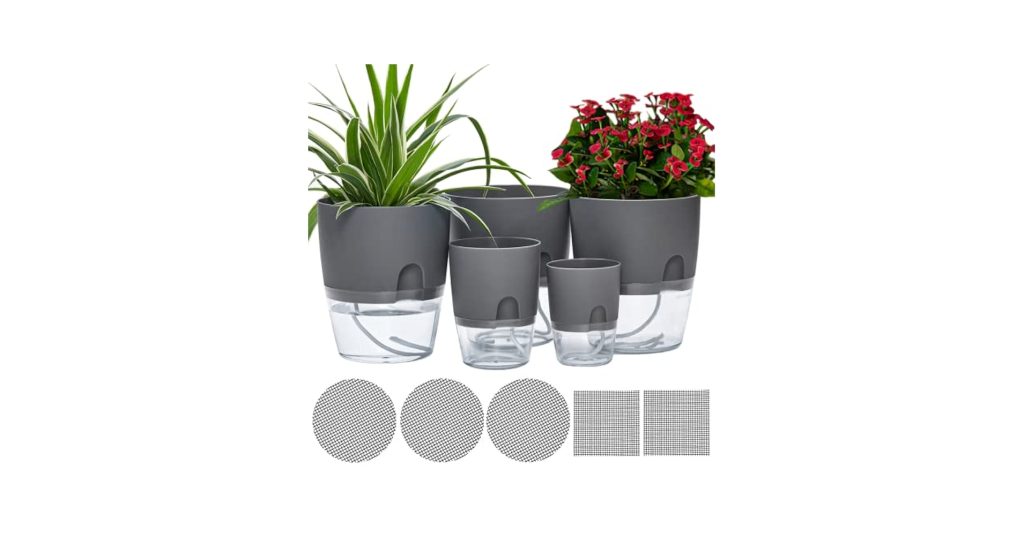
Are you tired of constantly worrying about watering your plants just right? Maybe you’ve forgotten a watering day or given too much water by mistake.
Self watering planters might be the solution you didn’t know you needed. But are they really good for your plants and easy to use? You’ll discover how these planters work, their benefits, and what to watch out for. Keep reading to find out if a self watering planter could make your plant care simpler and more successful.
Benefits Of Self Watering Planters
Self watering planters make caring for plants easier. They help keep soil moist without daily watering.
These planters are great for busy people or those new to gardening.
Consistent Moisture Levels
Self watering planters keep soil moist at a steady level. This stops plants from drying out or getting too wet.
Consistent moisture helps plants grow strong and healthy without stress.
Water Conservation
These planters use water efficiently. They reduce water waste by delivering water directly to the roots.
- Less water evaporates from the soil surface
- Plants only take the water they need
- Helps save water in dry areas
Reduced Maintenance
Self watering planters need less daily care. You do not have to water plants every day.
This is perfect for people with busy schedules or those who travel often.
Healthier Plant Growth
Plants grow better in self watering planters. They get steady water and avoid root rot.
Good water supply helps plants absorb nutrients well, leading to stronger growth.

Credit: www.reddit.com
Types Of Self Watering Planters
Self watering planters help keep plants hydrated with less effort. They use different methods to supply water to the soil.
Here are common types of self watering planters and how they work.
Reservoir-based Planters
Reservoir-based planters have a built-in water storage area below the soil. The soil draws water up through small holes or tubes.
- Water reservoir holds enough water for several days.
- Soil stays moist but not too wet.
- Good for indoor and outdoor plants.
- Easy to refill and maintain.
Wicking Planters
Wicking planters use a fabric or rope wick to move water from a reservoir to the soil. The wick pulls water up as the soil dries.
| Feature | Details |
| Water source | Separate reservoir at the bottom |
| Water delivery | Through wicks made of cotton or synthetic fibers |
| Ideal for | Small plants and indoor gardening |
| Maintenance | Check wick for dryness or blockages |
Capillary Mat Systems
Capillary mats are flat mats that hold water and feed it to plant pots placed on them. The pots absorb water through their drainage holes.
Benefits of Capillary Mat Systems:
- Water spreads evenly across the mat
- Plants get water from below, reducing leaf wetness
- Good for many small pots at once
- Easy to monitor water level
Choosing The Right Planter
Self-watering planters are great for keeping plants hydrated. Picking the right one is important for plant health.
Consider different factors like material, size, and plant type before buying a planter.
Material Options
The material of a planter affects water retention and durability. Some materials are better for certain environments.
- Plastic:Lightweight and affordable, good for indoor use.
- Ceramic:Offers aesthetic appeal but can be heavy.
- Metal:Durable and sleek but may heat up in sun.
Size Considerations
The size of your planter should match the plant’s growth needs. Too small, and roots may not spread; too large, and it can hold too much water.
| Plant Type | Recommended Planter Size |
| Herbs | Small to medium |
| Small trees | Large |
| Succulents | Small |
Plant Compatibility
Not all plants thrive in self-watering planters. Some plants prefer drier conditions.
Ensure compatibility by checking the plant’s water needs. Adjust the water reservoir to match these needs.
How To Use Self Watering Planters
Self watering planters help plants get water regularly without daily care. They have a built-in reservoir that keeps soil moist for longer periods.
Using these planters correctly ensures healthy plant growth and less chance of over or underwatering.
Setting Up The Reservoir
Start by filling the reservoir with clean water. Make sure it is full but not overflowing. Some planters have a water level indicator to help.
Place the planter on a flat surface to keep water evenly distributed. Check that the wicking system or soil connector is in place to draw water up.
Planting Tips
Use good quality potting soil to help water move well to the roots. Avoid heavy garden soil that may block the water flow.
- Choose plants that like consistent moisture
- Do not overfill the planter with soil
- Place the plant at the right depth for healthy roots
- Leave space for air circulation at the top
Refilling And Maintenance
Check the water level every few days. Refill the reservoir before it runs completely dry to avoid plant stress.
| Maintenance Task | Frequency |
| Refill water reservoir | Every 3 to 7 days |
| Clean reservoir | Once a month |
| Check for root blockage | Every 2 months |
Common Challenges And Solutions
Self watering planters help keep plants moist for longer times. They reduce daily watering needs.
These planters can bring some problems. Knowing common challenges helps fix them fast.
Overwatering Risks
Too much water can harm plants even in self watering planters. Water may sit too long.
Overwatering causes roots to lack oxygen. This can kill the plant.
- Check water reservoir levels often
- Use planters with overflow holes
- Fill reservoir only as needed
- Choose plants that like constant moisture
Root Rot Prevention
Root rot happens when roots stay too wet for too long. It is a common issue in self watering pots.
Good airflow and draining stop root rot. Healthy roots help plants grow strong.
- Use well-draining soil mix
- Keep water reservoir clean
- Air out soil by loosening it sometimes
- Remove dead or soft roots quickly
Algae Growth Control
Algae grows in water reservoirs with light and nutrients. It can block water flow and harm roots.
Stopping algae keeps planters clean and plants healthy.
- Keep reservoir covered to block light
- Clean reservoir regularly
- Use opaque or dark-colored planters
- Change water if it smells or looks slimy

Credit: easyplant.com
Comparing Self Watering To Traditional Planters
Many gardeners wonder if self watering planters are better than traditional ones. Both types help grow plants but work in different ways.
Understanding how they compare can help you choose the right planter for your needs.
Water Efficiency
Self watering planters use a reservoir to supply water directly to the roots. This reduces water loss from evaporation and runoff.
Traditional planters need regular watering from the top, which can waste water. Plants may not get consistent moisture.
Ease Of Use
Self watering planters require less frequent watering. The reservoir holds enough water for days or weeks, depending on the plant.
- Fill the reservoir once in a while
- Check water level indicator if available
- Less risk of overwatering or underwatering
- Good for busy or beginner gardeners
Traditional planters need daily or every-other-day watering. You must watch soil moisture carefully to avoid plant stress.
Cost Analysis
| Planter Type | Initial Cost | Maintenance Cost | Water Use |
| Self Watering Planters | Higher | Lower (less frequent watering) | More efficient |
| Traditional Planters | Lower | Higher (more watering needed) | Less efficient |
Smart Gardening With Technology
Self watering planters use technology to help plants grow well. They reduce the need for daily watering. Smart tools make gardening easier and more efficient.
Many gardeners use sensors, automated systems, and mobile apps. These tools help monitor and care for plants without much effort. Technology supports healthy plant growth.
Integrating Sensors
Sensors measure soil moisture, temperature, and light. They send data to control systems or phones. This helps keep plants in the right conditions all the time.
- Soil moisture sensors detect when plants need water.
- Light sensors ensure plants get enough sunlight.
- Temperature sensors protect plants from extreme heat or cold.
Automated Watering Systems
Automated watering systems deliver water based on sensor data. They save water by giving just the right amount. These systems can run on timers or smart controls.
| Type | Key Feature | Benefit |
| Drip Irrigation | Slow water release | Reduces waste |
| Self Watering Planters | Reservoir holds water | Plants get water as needed |
| Smart Sprinklers | App control | Custom watering schedules |
Mobile Apps For Monitoring
Mobile apps connect to sensors and watering systems. They show plant health and water levels. Apps send alerts when plants need attention.
Benefits of Mobile Apps:
- Remote monitoring from anywhere
- Easy control of watering schedules
- Data history for better plant care

Credit: www.amazon.com
Frequently Asked Questions
What Are The Benefits Of Self Watering Planters?
Self watering planters reduce watering frequency and prevent overwatering. They provide consistent moisture, promoting healthier plant growth. These planters save time and are ideal for busy gardeners or those who travel often.
How Do Self Watering Planters Work?
Self watering planters use a reservoir to store water. Plants absorb water through capillary action via a wick or soil. This system keeps soil evenly moist without daily watering, reducing plant stress.
Are Self Watering Planters Good For All Plants?
They work best for moisture-loving plants like herbs and vegetables. Succulents and cacti may not thrive due to excess moisture. Always check plant water needs before using self watering planters.
Can Self Watering Planters Prevent Root Rot?
Yes, they reduce root rot risk by controlling water supply. The reservoir prevents waterlogging by allowing roots to access water only as needed. Proper maintenance is essential to avoid stagnant water.
Conclusion
Self watering planters help keep plants hydrated with less effort. They save time and reduce watering mistakes. Plants usually grow healthier with steady moisture. These planters suit busy people and beginners well. Still, choose the right size and type for your plants.
Simple care makes gardening easier and more fun. Try one to see how it fits your needs. Small changes can bring big gardening rewards.