Are you ready to catch more fish and make your fishing trips more successful? Knowing how to tie a bobber on your fishing line is a simple skill that can change the way you fish.
Whether you’re a beginner or just need a quick refresher, mastering this technique will help you keep your bait at the perfect depth and spot those bites faster. In this guide, you’ll learn easy, step-by-step instructions to tie your bobber quickly and securely.
Stick around—you’re about to make your fishing experience smoother and much more fun!

Credit: www.youtube.com
Choosing The Right Bobber
Choosing the right bobber helps you catch fish more easily. The bobber shows when a fish bites the bait.
There are different types of bobbers. Pick one that fits your fishing spot and style.
Types Of Bobbers
Bobbers come in many shapes and sizes. Each type works better for certain fishing needs.
- Round Plastic Bobbers:Common and easy to use. Float well in calm water.
- Slip Bobbers:Slide on the line. Good for deep water fishing.
- Cigar Bobbers:Long and slim. Sensitive to small bites.
- Wooden Bobbers:Traditional and sturdy. Float well in rough water.
Selecting Based On Fishing Conditions
Choose a bobber that fits the water type, weather, and fish you want to catch. Size and color matter.
| Condition | Best Bobber Type | Reason |
| Calm Water | Round Plastic | Easy to see and float well |
| Deep Water | Slip Bobber | Allows bait to reach deeper |
| Windy or Rough Water | Wooden Bobber | More stable and visible |
| Small Bites | Cigar Bobber | More sensitive to movement |
| Bright Sunlight | Bright Red or Orange Color | Easy to spot on water |
| Low Light | Glow-in-the-Dark or White | Visible when light is low |

Credit: www.youtube.com
Preparing Your Fishing Line
Preparing your fishing line is important before tying a bobber. Proper preparation helps avoid breakage and tangles.
Taking time to check your line strength and remove tangles improves your fishing experience.
Checking Line Strength
Check your fishing line for any signs of wear or damage. A weak line can break easily and cause you to lose fish.
- Look for frays or cuts along the line.
- Test the line by pulling gently to feel for weak spots.
- Replace the line if it shows any damage.
- Make sure the line is the right strength for your fishing needs.
Removing Line Tangles
Tangles can cause frustration and affect casting. Removing them early saves time on the water.
| Tangle Type | How to Fix |
| Twists | Hold the line and gently untwist by hand. |
| Knots | Use a needle or hook to loosen tight knots carefully. |
| Loops | Pull the line through to open loops and straighten. |
Basic Knot For Tying A Bobber
Tying a bobber on a fishing line is simple and essential for fishing. It helps keep your bait at the right depth.
This guide will show you how to secure a bobber using a basic knot. It is easy to follow and perfect for beginners.
Step-by-step Knot Instructions
Follow these steps to tie a secure knot for your bobber.
- Thread the line through the bobber hole.
- Make a loop around the bobber stem.
- Pass the line through the loop.
- Pull the line tight to secure the knot.
- Trim any excess line for a clean finish.
Tips For Tightening The Knot
Ensuring the knot is tight will keep the bobber in place.
- Moisten the knot before pulling tight to reduce friction.
- Use steady pressure when pulling the line.
- Check the knot by tugging gently to ensure it holds.

Credit: www.msn.com
Attaching Different Bobber Styles
Choosing the right bobber and attaching it properly helps catch more fish. Each bobber style needs a different setup.
We will explain how to tie slip bobbers and fixed bobbers on your fishing line.
Slip Bobber Setup
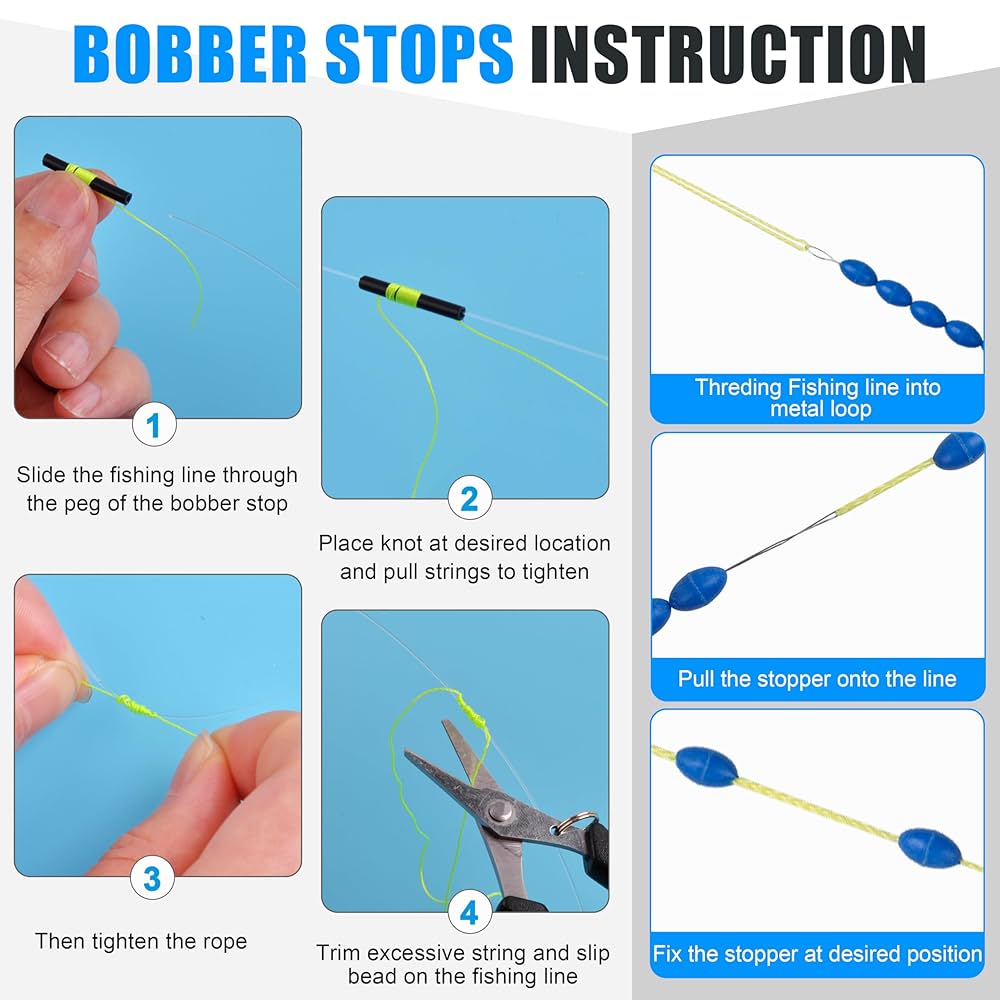
Slip bobbers slide freely on the line. They need a stop knot to set the fishing depth.
- Slide a bobber stop onto your fishing line.
- Tie a small knot or use a bead to keep the stop in place.
- Thread the line through the slip bobber’s hole.
- Add a small weight below the bobber to help it sink.
- Tie on your hook at the end of the line.
- Adjust the stop knot to change the fishing depth.
Fixed Bobber Setup
Fixed bobbers stay in one spot on the line. You attach them with loops or clips.
| Method | How to Attach | Best Use |
|---|---|---|
| Loop Method | Pinch the bobber’s loop, slip the line through, then release the loop to hold the line. | Light fishing in calm water |
| Spring Clip | Open the clip, place the line inside, and close it tightly. | Quick bobber changes |
| Threaded Bobber | Pass the line through the bobber’s hole and tie knots on both ends. | Strong hold in rough water |
Adjusting Bobber Position
Adjusting the bobber position is key to catching fish at the right depth. The bobber holds your bait where fish usually swim.
Moving the bobber up or down changes the bait’s depth. This helps you reach different fish in the water.
Setting Depth For Target Fish
Know the depth where your target fish swim. Set the bobber to float your bait at that depth.
Adjust the bobber higher for fish near the surface. Lower it for fish deeper down.
- Check local fishing guides for fish depth
- Use a float that matches the water depth
- Adjust bobber after each catch if needed
Locking Bobber In Place
Locking the bobber keeps it from sliding on the line. This keeps your bait steady at the set depth.
Use small knots or clips to fix the bobber’s position. This stops it from moving when you cast or reel in.
- Pinch the bobber’s stem to lock it
- Tie a small loop knot above the bobber
- Use a bobber stop bead if available
Testing Your Setup
After tying a bobber on your fishing line, testing your setup is important. This ensures everything works well before you start fishing.
Two key areas to focus on are casting techniques and observing bobber movement. Both help you know if your bobber is ready for action.
Casting Techniques
Cast your line gently to check if the bobber stays in place. A smooth cast keeps the bobber steady and prevents tangles.
- Hold the rod firmly but relaxed.
- Use a smooth, steady motion for casting.
- Watch the bobber land softly on the water.
- Check if the bobber floats upright without tilting.
- Adjust the line length if the bobber falls flat.
Observing Bobber Movement
Watch the bobber closely after casting. Its movement tells you if a fish is biting or if the setup needs adjustment.
| Bobber Movement | What It Means |
| Steady and still | No fish nearby |
| Slow drifting | Current or wind effect |
| Sudden jerks | Fish nibbling |
| Bobber dives underwater | Strong fish bite |
| Bobber moves sideways | Fish pulling line |
Common Mistakes To Avoid
Tying a bobber on a fishing line seems easy but many make simple mistakes. These errors affect your fishing success.
Here are two common mistakes you should avoid to keep your bobber secure and working well.
Loose Knots
Tying loose knots can cause the bobber to slip or fall off. A loose knot weakens your setup and wastes time fixing it.
- Make sure the knot is tight around the line.
- Pull the knot firmly after tying.
- Check the knot by gently tugging the bobber.
- Practice simple knots like the improved clinch knot.
- Trim excess line close to the knot for neatness.
Incorrect Bobber Placement
Placing the bobber in the wrong spot can keep your bait off the fish’s favorite depth. It also confuses your bite detection.
| Placement | Effect |
| Too close to hook | Line tangles often |
| Too far from hook | Bait sinks too deep |
| Right distance | Correct bait depth and clear bite signal |
Tips For Better Casting
Tying a bobber on your fishing line is a key skill. Good casting helps you reach the right spots.
These tips focus on how to keep line tension and pick the right rod for better casting.
Maintaining Line Tension
Keep your line tight to control the bobber’s movement. Loose line makes casting harder and less accurate.
- Hold the line firmly but not too tight before casting.
- Check the line for twists or knots to avoid snags.
- Use your fingers to guide the line smoothly off the spool.
- Keep the rod tip low to keep tension on the line during the cast.
Choosing The Right Rod
Pick a rod that matches your casting style and the type of fishing you do.
| Rod Type | Best For | Length |
| Spinning Rod | Light lures and finesse casting | 6 to 7 feet |
| Baitcasting Rod | Heavy lures and long casts | 6 to 8 feet |
| Fly Rod | Fly fishing with light lines | 7 to 9 feet |
Frequently Asked Questions
How Do You Tie A Bobber To Fishing Line?
To tie a bobber, thread the line through the bobber’s hole. Then, tie a small knot below the bobber to secure it. This keeps the bobber in place and helps detect bites accurately.
What Knot Is Best For Attaching A Bobber?
The improved clinch knot is ideal for attaching a bobber. It is strong, easy to tie, and keeps the bobber firmly attached without slipping.
Can I Adjust The Bobber’s Position On The Line?
Yes, you can slide the bobber up or down the line. Adjusting it controls the fishing depth for targeting specific fish species.
Why Is Tying A Bobber Correctly Important?
Correctly tying a bobber ensures it stays in place and signals bites clearly. This increases fishing success and prevents losing your bobber during casting.
Conclusion
Tying a bobber on your fishing line is simple and quick. Practice a few times to get comfortable with the steps. A properly tied bobber helps you see bites easily. This small skill can improve your fishing experience a lot.
Remember to check the knot before casting. Keep your fishing gear ready and enjoy your time by the water. Fishing becomes more fun when you know the basics well. Try it today and feel the difference in your catch.