If you’ve just got a small charcoal grill or are thinking about using one, you might wonder how to get the best from it. Charcoal grills bring a unique smoky flavor that gas grills can’t match.
But using one can feel tricky if you’ve never done it before. Don’t worry—this guide will show you simple, step-by-step tips to light your grill, control the heat, and cook your food perfectly every time. By the end, you’ll feel confident and ready to impress your friends with delicious, smoky dishes.
Ready to become a charcoal grilling pro? Let’s dive in!

Credit: www.siuhaau.com
Choosing The Right Charcoal Grill
Picking a small charcoal grill can make your outdoor cooking fun and easy. The right grill suits your space and cooking needs. Consider what type fits your style best.
This guide helps you understand different grill types, sizes, and materials. These points ensure you find a grill that lasts and cooks well.
Types Of Small Charcoal Grills
Small charcoal grills come in several styles. Each style offers unique cooking benefits and convenience. Common types include kettle, portable, and barrel grills.
- Kettle Grills:Round shape with a lid, good heat control.
- Portable Grills:Lightweight and easy to carry for trips.
- Barrel Grills:Larger cooking area in a compact form.
- Tabletop Grills:Small enough to sit on a table, good for small spaces.
Size And Portability Factors
Think about where you will use the grill. Size affects cooking space and ease of moving the grill. A portable grill works well for camping or tailgating.
| Size | Use | Portability |
| Small (up to 14 inches) | Best for 1-2 people | Very easy to carry |
| Medium (15-18 inches) | Fits 3-4 people | Moderate portability |
| Large (19-22 inches) | Good for 5+ people | Less portable |
Materials And Durability
Look for grills made with strong materials. Steel and cast iron last longer and hold heat well. The grill’s coating can protect against rust and weather.
- Steel:Lightweight and heats quickly.
- Cast Iron:Heavy but keeps heat evenly.
- Porcelain-Coated:Resists rust and is easy to clean.
- Aluminum:Rust-resistant but less heat retention.
Preparing Your Grill For Cooking
Getting your small charcoal grill ready makes cooking easier and safer.
Follow simple steps to clean, set up, and light your grill correctly.
Cleaning And Maintenance
Before using your grill, clean the grates and empty old ashes.
- Use a grill brush to scrub the cooking grates.
- Remove leftover charcoal and ashes from the bottom.
- Check vents and clean them for good airflow.
- Wipe the exterior with a damp cloth if needed.
Setting Up The Charcoal
Place charcoal evenly for steady heat and good cooking results.
| Setup Style | Purpose | How to Arrange Charcoal |
| Direct Heat | Grill fast-cooking foods | Spread charcoal in a single layer under the grate |
| Indirect Heat | Cook larger or slow foods | Push charcoal to one side, leave space on the other |
| Two-Zone Fire | Combine direct and indirect heat | Pile charcoal on one side, keep other side empty |
Lighting Techniques
Light charcoal safely and get it ready to cook quickly.
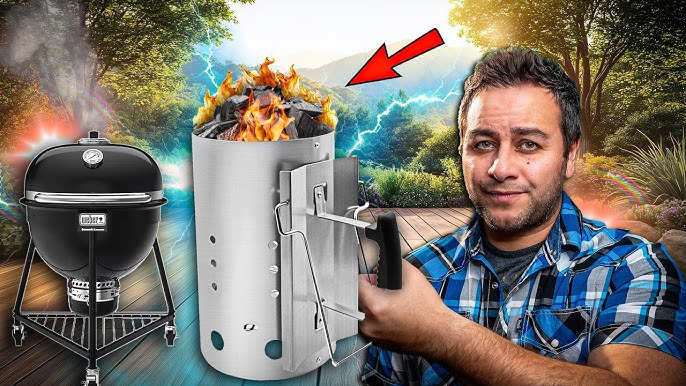
- Use a chimney starter for easy, even lighting.
- Fill the chimney with charcoal and place a fire starter underneath.
- Wait 10 to 15 minutes until coals are gray and glowing.
- Pour hot coals into the grill carefully.
- Arrange coals as needed for your cooking style.
Mastering Heat Control
Using a small charcoal grill can be fun and rewarding. Understanding heat control is key to delicious meals. Learn the basics of managing heat for perfect grilling.
Heat control involves knowing where and how to place your food. It also means using vents and tools to monitor temperature. Let’s explore these techniques.
Direct Vs Indirect Heat Zones
Direct heat means cooking food right over the flames. Indirect heat is when food is placed away from the coals. This method is ideal for slow cooking.
- Set up coals on one side for direct heat.
- Leave the other side empty for indirect heat.
- Use the lid to maintain consistent temperature.
Adjusting Air Vents
Air vents help control the flow of oxygen to the fire. More air makes the fire hotter, while less air cools it down. Adjusting vents is simple yet effective.
Using A Thermometer
A thermometer helps you monitor the grill’s temperature. This tool ensures your food cooks at the right heat. It’s crucial for both safety and flavor.
| Type | Ideal Use |
| Instant-read | Checking meat doneness |
| Grill probe | Monitoring grill temperature |
| Dual probe | Track both meat and grill |

Credit: charcoalgrill.store
Grilling Tips For Perfect Bbq
Using a small charcoal grill can make your BBQ fun and tasty. It is important to know how to use it well.
This guide will help you get the best results with easy tips on charcoal, food prep, timing, and common mistakes.
Choosing The Right Charcoal
Pick charcoal that burns evenly and gives good heat. Lump charcoal lights faster and burns hotter. Briquettes last longer and give steady heat.
Look for charcoal without added chemicals to keep your food tasting natural and healthy.
Prepping Your Food
Clean and dry your food before grilling. This helps to get a nice crust and avoid steaming.
Marinate or season your food to add flavor. Let it sit for at least 30 minutes before grilling.
- Pat meat dry with paper towels
- Use salt and pepper for simple seasoning
- Cut vegetables into even pieces
Timing And Flipping
Heat the grill until the charcoal is covered with white ash. This means it is ready to cook.
Flip food only once or twice. Too much flipping can dry out your meat and slow cooking.
- Cook thin items fast on high heat
- Use medium heat for thicker cuts
- Let meat rest after grilling to keep juices
Avoiding Common Mistakes
Do not use too much charcoal. It can burn food quickly and make it bitter.
Keep the grill clean to stop flare-ups and bad smells. Clean after each use.
- Do not press meat with a spatula; it loses juices
- Avoid opening the grill too often
- Do not add lighter fluid after lighting
Enhancing Flavor With Smoke
Using a small charcoal grill is a great way to add smoky flavor to your food. Smoke from charcoal and wood chips gives your dishes a rich taste.
Learning how to control smoke helps you create the perfect flavor. You can make your grilled food taste special with just a little practice.
Adding Wood Chips
Wood chips add extra smoke and flavor to your grill. Soak the chips in water for 30 minutes before placing them on hot coals.
Different types of wood chips give different flavors. Place the chips on the charcoal or in a smoker box if your grill has one.
- Hickory adds a strong, smoky taste
- Apple wood gives a sweet, fruity flavor
- Mesquite creates a bold, earthy smoke
- Cherry wood offers a mild, sweet smoke
Managing Smoke Levels
Too much smoke can make food bitter. Control the air vents on your grill to adjust smoke and heat.
Keep the lid closed most of the time. Open it only to check or turn the food to keep smoke inside.
- Open vents increase oxygen and fire heat
- Close vents reduce oxygen and smoke
- Adjust vents slowly to keep steady smoke
- Use charcoal chimney to light coals evenly
Pairing Flavors
Match wood chips with the type of food you grill. This pairing helps bring out the best taste in your dishes.
Some flavors work well together, making the smoke taste balanced and delicious.
- Use hickory with beef or pork for strong flavor
- Apple wood pairs nicely with chicken and fish
- Cherry wood goes well with turkey and vegetables
- Mesquite suits red meat and spicy dishes
Post-grilling Care
Taking care of your small charcoal grill after cooking helps it last longer. Proper cleaning and storage keep it ready for the next use. This guide covers key steps to follow after grilling.
Post-grilling care involves cleaning the grill, storing charcoal correctly, and doing regular maintenance. Each step protects your grill and ensures great cooking results every time.
Cleaning The Grill
Clean your grill while it is still warm but safe to handle. Remove ashes and food residues to prevent rust and bad smells.
- Use a grill brush to scrub the grates clean.
- Empty the ash catcher or bowl completely.
- Wipe the outside with a damp cloth to remove grease.
- Let all parts dry before covering or storing.
Storing Charcoal
Store charcoal in a dry place to keep it ready for your next grilling session. Moisture can ruin charcoal and make lighting difficult.
| Storage Tip | Reason |
|---|---|
| Keep charcoal in a sealed container | Protects from moisture and pests |
| Store container in a cool, dry area | Prevents charcoal from absorbing humidity |
| Avoid storing near chemicals | Prevents contamination and odors |
Maintenance Tips For Longevity
Regular maintenance keeps your grill in good shape. Check for damage and fix small issues early to avoid costly repairs.
- Inspect grill parts for rust or cracks.
- Apply cooking oil to grates to prevent rust.
- Tighten loose screws and bolts.
- Cover the grill when not in use to protect it from weather.

Credit: www.cobbgrillamerica.com
Frequently Asked Questions
How Do I Start A Small Charcoal Grill Safely?
To start, arrange charcoal in a pile and use lighter fluid or a chimney starter. Light carefully and let coals ash over. Avoid inhaling fumes and keep water nearby for emergencies.
What Is The Best Charcoal For A Small Grill?
Natural lump charcoal is ideal for small grills. It lights quickly, burns hotter, and produces less ash than briquettes. Choose high-quality charcoal for better flavor and easier temperature control.
How Long Does Charcoal Last On A Small Grill?
Charcoal typically burns for 45 minutes to an hour. Adjust airflow to control heat and add more charcoal as needed for longer cooking times.
Can I Grill Vegetables On A Small Charcoal Grill?
Yes, small charcoal grills are perfect for grilling vegetables. Use a grill basket or foil to prevent smaller pieces from falling through the grate. Cook over medium heat for best results.
Conclusion
Using a small charcoal grill brings great taste to your meals. Keep the fire steady and control the heat well. Clean the grill after each use to keep it ready. Practice makes grilling easier and more fun. Enjoy cooking outdoors with friends or family.
Small grills fit any space and add flavor. Try different foods and spices for variety. Grilling is simple once you learn the basics. Now, you can make tasty meals anytime. Give it a try and enjoy the smoky flavor.