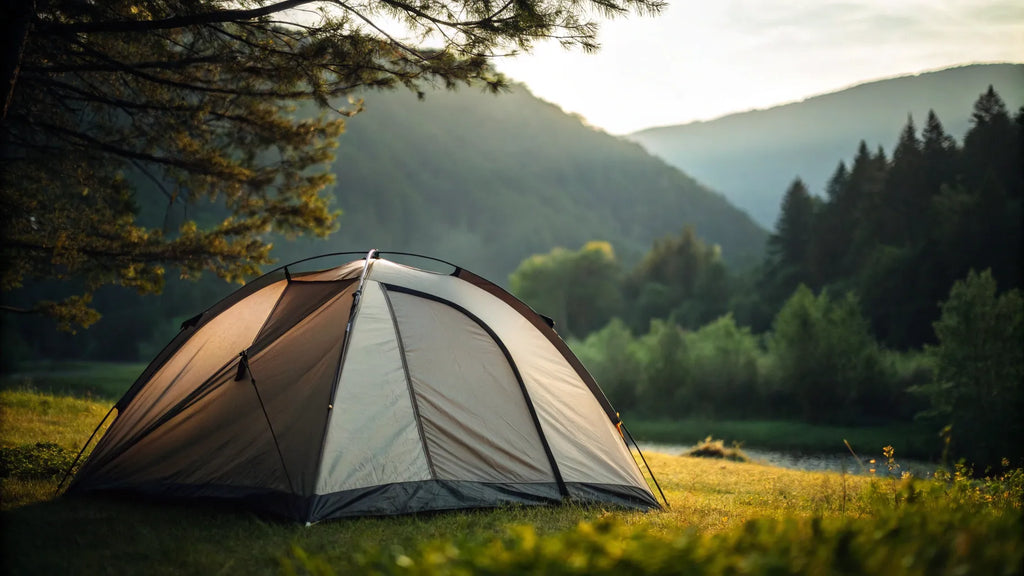
Are you tired of sweating through your summer camping nights? Keeping your tent cool and comfortable can make all the difference between a restless night and waking up refreshed.
Insulating your tent for summer isn’t just for cold weather—it’s a smart way to block out heat and enjoy a cool retreat no matter how high the temperature climbs. In this guide, you’ll discover simple, effective ways to keep your tent cool and cozy, so you can focus on relaxing and enjoying your outdoor adventure.
Ready to transform your summer camping experience? Let’s dive in!
Choosing The Right Tent
Choosing a tent for summer camping needs care. The right tent helps keep you cool and comfortable.
Look for features that improve airflow and reduce heat inside your tent during hot days.
Lightweight And Breathable Fabrics
Pick tents made from lightweight fabrics. These let air flow better and stop heat buildup.
- Nylon and polyester fabrics dry quickly
- Mesh panels add ventilation
- Thin materials reduce weight
Tent Color And Heat Reflection
Colors affect how much heat your tent absorbs. Light colors reflect sunlight and keep tents cooler.
| Color | Heat Absorption |
| White | Low |
| Light Gray | Low to Medium |
| Beige | Medium |
| Dark Green | High |
| Black | Very High |
Ventilation Features
Good ventilation stops hot air from building inside your tent. Look for tents with many vents.
- Choose tents with mesh windows or doors
- Check for adjustable vents on walls or roof
- Make sure vents can be opened and closed easily

Credit: www.reddit.com
Selecting Insulation Materials
Insulating a tent for summer keeps it cooler and more comfortable. Choosing the right materials helps block heat and improve airflow.
Different insulation types work best in various conditions. Learn about reflective foil, mesh cloths, and cooling pads to decide what fits your needs.
Reflective Foil Insulation
Reflective foil insulation blocks sunlight and reflects heat away. It is lightweight and easy to install inside or outside the tent.
- Made from aluminum foil or metalized film
- Reflects up to 90% of radiant heat
- Works best when placed with an air gap
- Resists moisture and mold
- Durable and reusable
Mesh And Shade Cloths
Mesh and shade cloths reduce direct sunlight and allow air to pass through. They create shade without trapping heat inside the tent.
| Type | Use | Benefits |
| Mesh Netting | Wrap tent or windows | Keeps bugs out, allows airflow |
| Shade Cloth | Cover tent roof or sides | Blocks UV rays, reduces heat |
| UV-Resistant Fabric | Outdoor tent covers | Long-lasting protection from sun |
Portable Cooling Pads
Portable cooling pads use water or gel to absorb heat. They can be placed inside the tent to lower air temperature quickly.
Key features of portable cooling pads:
- Lightweight and easy to carry
- Reusable by wetting or freezing
- Safe and chemical-free cooling
- Works well in small tents or sleeping areas
Setting Up Shade Around Your Tent
Staying cool in your tent during the summer is important. Creating shade around your tent helps keep it cooler.
There are different ways to set up shade. You can use items like tarps, canopies, and natural options.
Using Tarps And Canopies
Tarps and canopies are great for making shade. They are easy to set up and move around.
Make sure to secure them well to avoid wind issues. Choose materials that block sunlight effectively.
- Use strong poles for support
- Pick a tarp with UV protection
- Anchor canopies with stakes
Natural Shade Options
Natural shade can be very helpful. Look for trees or bushes around your campsite.
Place your tent under trees to use natural shade. Be careful of falling branches.
- Select safe trees with thick leaves
- Avoid areas with dead branches
- Check for insects or animals
Positioning For Maximum Shade
Positioning your tent correctly is key. Face your tent away from the sun’s path.
In the morning and afternoon, the sun moves. Plan your tent’s position to avoid direct sunlight.
- Face the tent door to the east
- Use a compass to check directions
- Observe the sun’s path before setting up

Credit: www.reddit.com
Improving Airflow Inside The Tent
Keeping air moving inside your tent makes summer camping more comfortable. Good airflow helps reduce heat and humidity. It also lowers condensation inside the tent.
Here are simple ways to improve airflow inside your tent. Each method helps bring fresh air in and push hot air out.
Opening Vents And Doors
Opening vents and doors is the easiest way to let air flow inside. Many tents have mesh vents that let air in but keep bugs out.
- Open the main door and any mesh windows.
- Use rain flaps to cover openings if it rains.
- Keep vents at the top open to let hot air escape.
- Adjust openings based on wind direction for better airflow.
Using Portable Fans
Portable fans help move air faster inside the tent. They are lightweight and easy to carry on trips.
- Choose battery-powered or rechargeable fans.
- Place fans near vents or doors for best airflow.
- Use fans with adjustable speeds for control.
- Keep fans away from water to avoid damage.
Creating Cross Ventilation
Cross ventilation moves air through the tent by using openings on opposite sides. This cools the tent quickly and evenly.
| Action | Benefit |
|---|---|
| Open door on one side | Allows fresh air to enter |
| Open vent or window opposite door | Lets hot air escape |
| Align openings with wind direction | Improves air movement speed |
| Keep inner tent mesh doors open | Prevents blocked airflow inside |
Additional Cooling Tips
Keeping your tent cool during summer is key for a good night’s rest. Small actions make a big difference in lowering the temperature inside your tent.
Try these simple tips to help keep your tent fresh and comfortable when the heat is high.
Cold Water Bottles And Wet Towels
Use cold water bottles to cool your body quickly. You can also hang wet towels inside your tent to lower the air temperature. The evaporation of water helps cool the air around you.
- Fill bottles with cold water and keep them near you.
- Soak towels in cold water and hang them on tent walls.
- Replace towels when they dry to maintain cooling effect.
- Use a fan to blow air over the wet towels for better cooling.
Avoiding Heat-absorbing Surfaces
Choose a campsite away from surfaces that absorb and reflect heat. Surfaces like rocks, pavement, and dry soil can make your tent hotter.
| Surface Type | Effect on Tent Temperature |
| Rock or pavement | High heat absorption, increases tent heat |
| Grass or soil with shade | Lower heat, keeps tent cooler |
| Dry soil in direct sun | Moderate heat absorption |
Timing Your Activities
Plan outdoor activities during cooler hours. Avoid staying in your tent during the hottest parts of the day to keep it cooler.
- Wake up early to enjoy cool morning air.
- Rest or nap in the tent during midday heat.
- Do active tasks in late afternoon when temperatures drop.
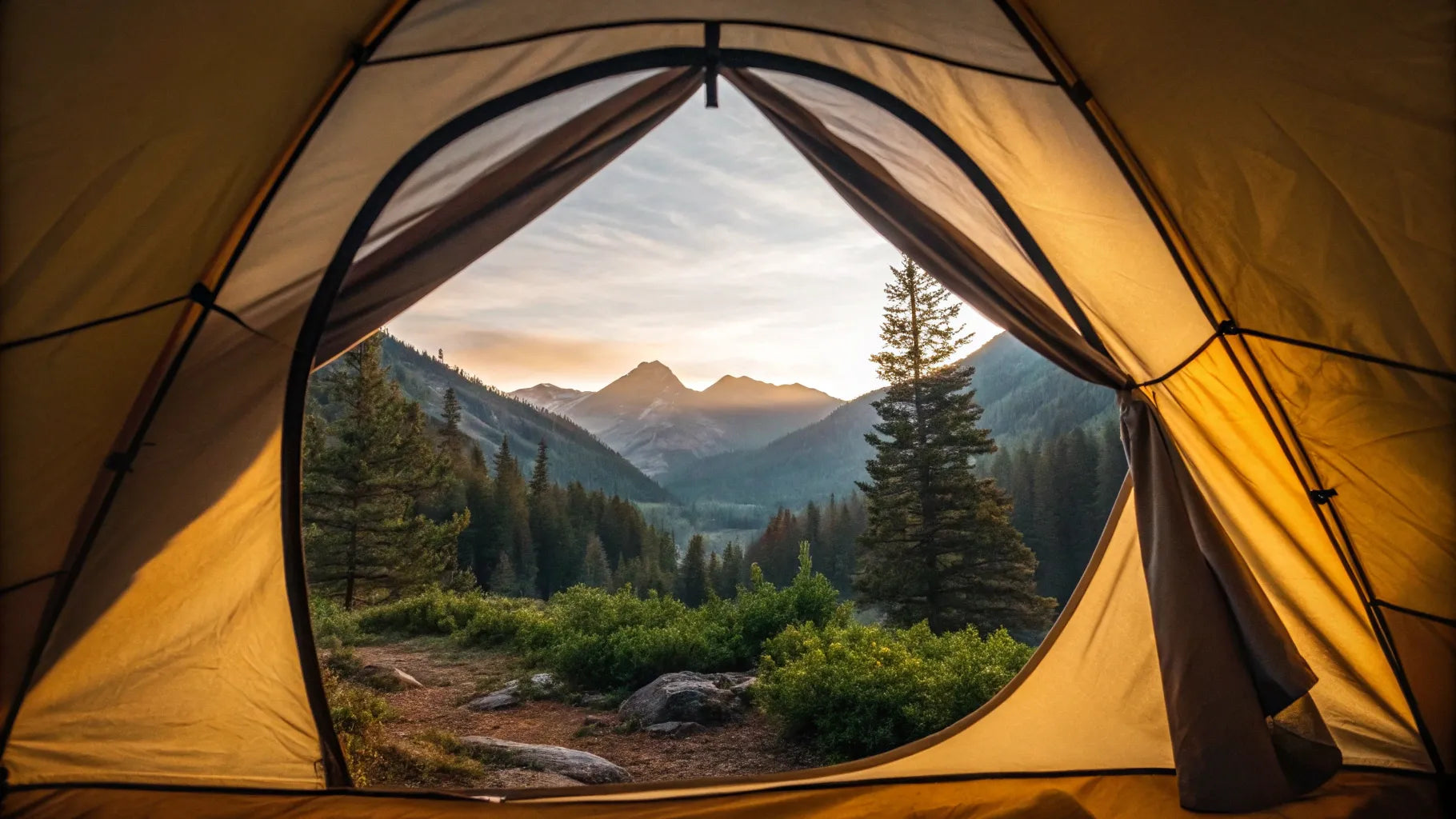
- Keep the tent open in the evening for air flow.
Credit: www.battlbox.com
Frequently Asked Questions
How Can I Keep My Tent Cool In Summer?
Use reflective tarps and shade covers to block sunlight. Ventilate your tent by opening windows and doors. Use a battery-powered fan to circulate air inside.
What Materials Work Best For Summer Tent Insulation?
Lightweight reflective materials like Mylar or aluminum foil help reflect heat. Use breathable fabrics to allow air circulation and reduce humidity.
Is It Necessary To Insulate A Tent In Summer?
Yes, insulating keeps the tent cooler by blocking heat. It improves comfort and prevents heat-related discomfort during hot days.
How Do I Improve Airflow Inside A Summer Tent?
Open multiple vents and mesh windows for cross-ventilation. Position the tent to catch prevailing breezes. Avoid overcrowding the tent interior.
Conclusion
Insulating your tent can keep it cool and comfortable all summer. Use simple materials like reflective blankets or foam pads inside. Ventilation matters—open windows or vents to let hot air escape. Shade your tent with a tarp or trees to block direct sun.
Small steps make a big difference in temperature control. Enjoy your outdoor time without feeling too hot inside. Stay cool, rest well, and make the most of warm weather camping.