Choosing the right braided fishing line can make all the difference in your fishing success. You want a line that’s strong, reliable, and easy to handle.
But with so many options out there, how do you know which one is best for you? This guide will help you cut through the noise and find the braided fishing line that fits your needs perfectly. Keep reading, and you’ll soon be casting with confidence and reeling in more fish than ever before.

Credit: www.ibass360.com
Braided Fishing Line Basics
A braided fishing line is a popular choice for many anglers. It offers strength and sensitivity in fishing.
This type of line is made by weaving several fibers together. It is known for its durability and thin diameter.
Material Composition
Braided fishing lines are made from strong synthetic fibers. These fibers are woven tightly to form the line.
Common materials include Spectra and Dyneema. Both are types of ultra-high-molecular-weight polyethylene.
- Spectra fibers provide high strength and low stretch
- Dyneema fibers offer durability and resistance to abrasion
- These materials make the line thin but very tough
Strength Characteristics
Braided lines have a high strength-to-diameter ratio. This means they are strong but do not take up much space.
They have almost no stretch, which helps anglers feel bites better. This sensitivity improves hook setting.
- High tensile strength for catching big fish
- Low stretch increases sensitivity
- Thin diameter allows longer casts
Advantages Over Other Lines
Braided fishing lines last longer than many other types. They resist wear and tear well.
They also sink faster in water and have less memory. This reduces tangles and improves casting.
- Greater durability compared to monofilament
- Better sensitivity than fluorocarbon lines
- Smaller diameter lets you spool more line
- Less stretch improves hook setting
Key Factors In Choosing Braided Line
Choosing the right braided fishing line is important for a good fishing experience. Different lines fit different fishing needs.
Look at several key factors to pick the best braided line for your fishing style and conditions.
Breaking Strength
Breaking strength is how much weight the line can hold before it breaks. It shows the line’s power and durability.
Choose a line with breaking strength that matches the fish you want to catch and your fishing technique.
Line Diameter
Line diameter is the thickness of the braided line. A thinner line offers better casting and less water resistance.
Thinner lines are harder to see in water, but may have lower strength. Choose a diameter that balances strength and stealth.
Abrasion Resistance
Abrasion resistance means how well the line holds up against rough surfaces like rocks and wood. It affects line longevity.
Pick a braided line with good abrasion resistance if you fish in areas with many obstacles or sharp objects.
Visibility In Water
Visibility in water is how easy it is for fish to see the line. Low visibility lines help avoid spooking fish.
Choose a color and brightness level that matches your fishing environment and target fish behavior.
Top Braided Lines For Strength
Braided fishing lines are known for their strength. They are popular among anglers for various fishing needs.
Choosing the best braided line depends on your fishing type and budget. Here are top options for strength.
Premium High-strength Lines
Premium lines offer superior strength and durability. They are ideal for catching big fish.
- Sufix 832 Advanced Superline
- PowerPro Maxcuatro
- Daiwa J-Braid Grand
Best Budget Options
Budget lines provide good strength at a lower cost. They are great for beginners or casual anglers.
- Berkley FireLine Ultra 8
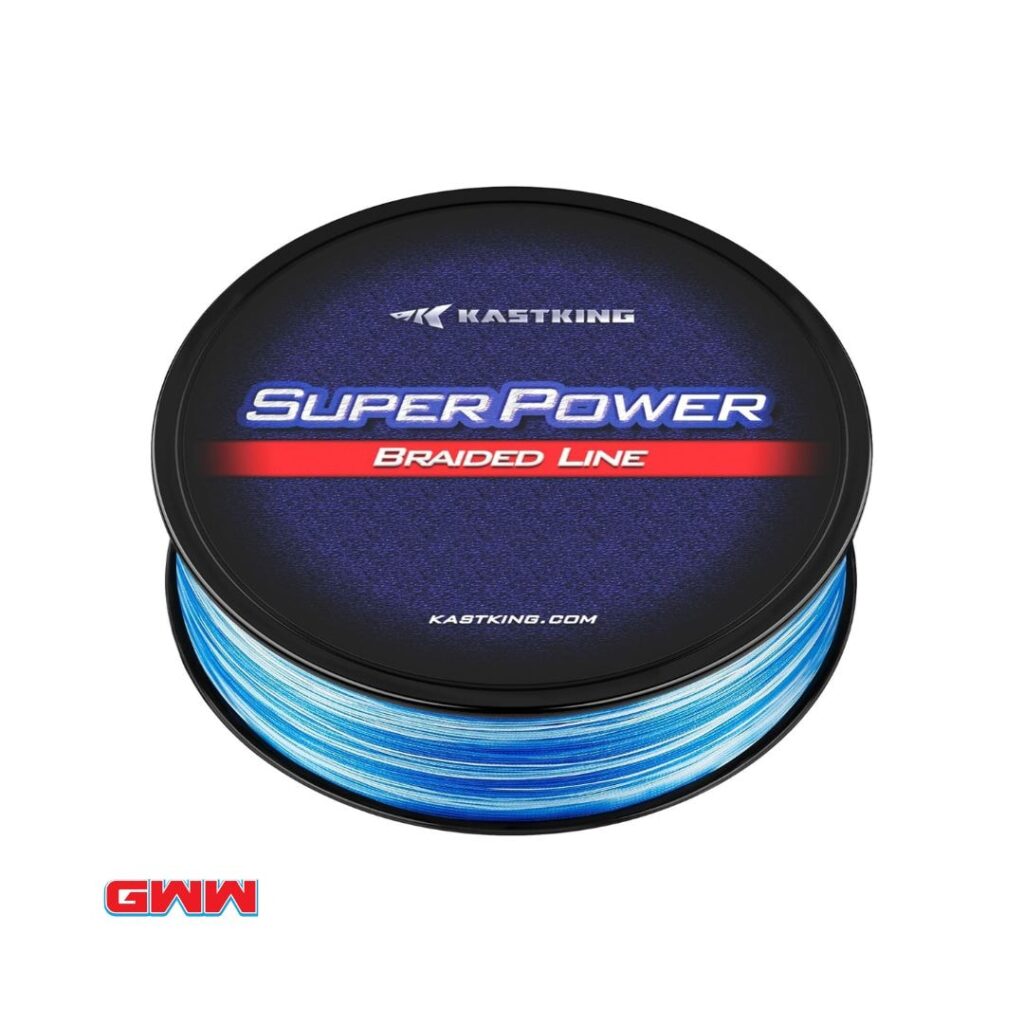
- KastKing SuperPower Braided Line
- SpiderWire Stealth
Lines For Saltwater Fishing
Saltwater lines resist corrosion and handle rough conditions. They are designed for ocean fishing.
- PowerPro Spectra Fiber
- Piscifun Onyx
- Momoi Hi-Catch Diamond
Lines For Freshwater Fishing
Freshwater lines are flexible and strong. They work well in lakes and rivers.
- Seaguar Smackdown
- Sunline Super FC Sniper
- Stren Sonic Braid

Credit: www.amazon.com
Tips For Using Braided Lines
Braided fishing lines are strong and durable. They let you feel bites better than other lines.
Using braided lines correctly helps them last longer and work well. Here are some helpful tips.
Knot Tying Techniques
Braided lines are thin and slippery, so use knots that hold tight. Good knots stop the line from slipping.
The Palomar knot and Double Uni knot work well for braided lines. Make sure to wet the line before tightening knots.
- Use knots designed for slippery lines
- Wet the line before pulling knots tight
- Check knots often for security
Proper Spooling Methods
Spooling braided line correctly helps avoid twists and tangles. Avoid overfilling the reel spool.
Keep the line tight and even on the spool. Use a backing line if needed to fill the spool first.
- Fill the spool about 80% full
- Keep line tension during spooling
- Add backing if spool is large
Maintenance And Care
Clean your braided line after each use to remove dirt and salt. This stops damage and extends line life.
Store the line away from sunlight and heat. Check for frays or cuts before each fishing trip.
- Rinse line with fresh water after use
- Keep line dry and cool when storing
- Replace line if it shows damage
Common Mistakes To Avoid
Choosing the right braided fishing line is important for good fishing results. Many anglers make simple mistakes that affect their line’s performance.
Knowing what to avoid helps you pick the best line and use it correctly. Let’s look at common mistakes and how to fix them.
Overlooking Line Diameter
Some anglers focus only on strength and forget about line diameter. The thickness of the braided line affects casting distance and sensitivity.
- Thicker lines may not cast as far.
- Thin lines offer better sensitivity but may break easier.
- Match diameter to your reel and fishing style.
- Check the line’s diameter rating before buying.
Ignoring Abrasion Risks
Braided lines can fray or cut when rubbed against sharp objects. Ignoring abrasion risks can cause line failure.
| Common Abrasion Sources | Tips to Avoid Damage |
| Rocks and gravel | Use a leader or protective sleeve |
| Sharp fish teeth | Choose abrasion-resistant lines |
| Boat edges or hooks | Inspect line often and replace if frayed |
Improper Knot Selection
Not all knots hold well with braided fishing lines. Using the wrong knot can cause your line to slip or break.
Use these knots for braided lines:
- Palomar knot
- Double uni knot
- Improved clinch knot
Practice tying knots until they are tight and secure. Wet the line before tightening the knot to avoid damage.

Credit: www.youtube.com
Frequently Asked Questions
What Is Braided Fishing Line Made Of?
Braided fishing line is made from strong synthetic fibers like Spectra or Dyneema. These materials provide high strength and durability with minimal stretch, making them ideal for various fishing conditions.
How To Choose The Best Braided Fishing Line?
Consider strength, diameter, abrasion resistance, and visibility. Match line strength to target species and fishing environment for optimal performance and control.
Is Braided Line Better Than Monofilament?
Braided line offers higher strength and sensitivity with less stretch. Monofilament is more stretchy and forgiving, better for beginners and certain fishing techniques.
Can Braided Fishing Line Handle Heavy Fish?
Yes, braided lines have superior strength and can handle heavy fish due to their high tensile strength and low stretch properties.
Conclusion
Choosing the right braided fishing line improves your fishing experience. Consider strength, diameter, and abrasion resistance carefully. Different fishing conditions need different line features. A good line feels strong but is thin and smooth. Remember to match the line to your fishing style.
Quality braided lines last longer and perform better. Trust your own needs and preferences most of all. Fishing becomes more enjoyable with the right gear. Keep these tips in mind for your next trip. Happy fishing!