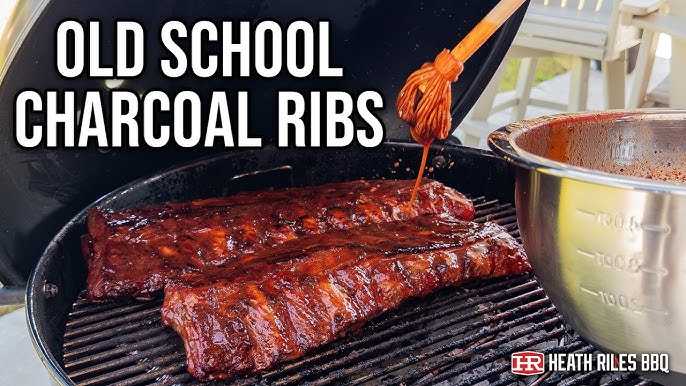
If you want to impress your friends and family with mouth-watering baby back ribs, cooking them on a charcoal grill is the way to go. The smoky flavor and tender meat you get from charcoal grilling can’t be beaten.
But if you’ve never tried it before, you might wonder where to start. Don’t worry—this guide will walk you through every step, making it easy for you to create ribs that are juicy, flavorful, and fall-off-the-bone delicious. Keep reading, and you’ll soon be the grill master everyone talks about!
Choosing The Right Ribs
Choosing the right ribs is key for delicious baby back ribs on a charcoal grill. Good ribs make grilling easier and tastier.
This guide helps you pick the best types and freshest ribs for grilling.
Types Of Baby Back Ribs
Baby back ribs come in a few types. Knowing them helps you choose the best one for grilling.
- Pork Baby Back Ribs:These are the most common ribs. They are lean and cook fast.
- Country Style Ribs:These come from the loin. They have more meat and less bone.
- Spare Ribs:Larger and tougher than baby back ribs. They need longer cooking.
Selecting Fresh Ribs
Freshness affects taste and safety. Always check ribs well before buying.
| Check | What to Look For | Why It Matters |
| Color | Pink to light red | Shows freshness and quality |
| Smell | Neutral, no strong odor | Prevents bad taste and spoilage |
| Texture | Firm and moist, not slimy | Ensures good meat quality |
| Packaging | Sealed tightly without leaks | Keeps ribs safe and clean |
Preparing The Ribs
Cooking baby back ribs on a charcoal grill starts with good preparation. Properly preparing the ribs helps them cook evenly and taste better.
This section covers how to remove the membrane and trim excess fat before grilling.
Removing The Membrane
The membrane is a thin layer on the back of the ribs. Removing it makes the ribs more tender and lets flavors soak in.
To remove the membrane, slide a knife under it near one end. Lift and loosen the membrane, then grab it with a paper towel and pull it off.
- Look for the silver skin on the bone side
- Use a butter knife to loosen the membrane
- Grip with paper towel for better hold
- Pull slowly to remove the whole membrane
Trimming Excess Fat
Ribs can have thick pieces of fat that do not melt during grilling. Trimming this fat helps avoid flare-ups and improves taste.
Use a sharp knife to carefully trim large fat chunks. Leave a thin layer for moisture and flavor.
- Check both sides of the ribs for fat
- Cut away thick fat pieces only
- Keep some fat for juiciness
- Trim uneven edges for even cooking
Seasoning And Marinades
Baby back ribs are a delicious treat when cooked on a charcoal grill. A good seasoning or marinade makes them even better. Let’s explore how to enhance their flavor.
Choosing the right seasoning or marinade will bring out the best in your ribs. Whether you prefer a dry rub or a wet marinade, each method adds unique tastes.
Dry Rub Recipes
Dry rubs are a simple way to flavor your ribs. They create a tasty crust during grilling. Here are some easy dry rub ideas.
- Classic BBQ Rub: Mix brown sugar, paprika, salt, and pepper.
- Spicy Rub: Combine cayenne, garlic powder, and onion powder.
- Herb Rub: Blend dried thyme, rosemary, and oregano.
Marinade Options
Marinades soak into the ribs, making them juicy and tender. They add moisture and flavor. Here are some marinade choices.
Each marinade has a unique taste. Choose one that suits your flavor preference.
- Sweet Marinade: Use soy sauce, honey, and ginger.
- Tangy Marinade: Mix vinegar, mustard, and Worcestershire sauce.
- Citrus Marinade: Combine orange juice, lime juice, and garlic.
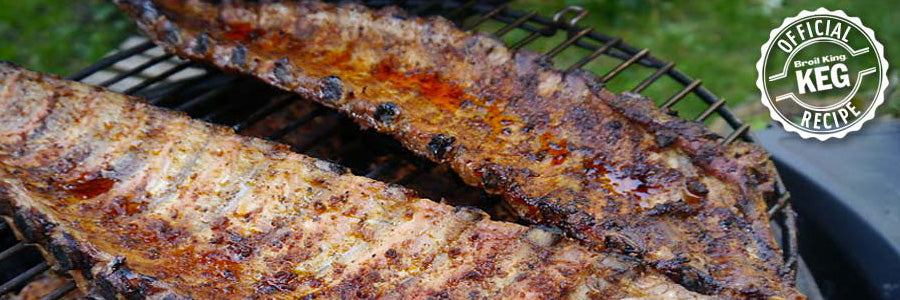
Credit: broilking.ca
Setting Up The Charcoal Grill
Cooking baby back ribs on a charcoal grill gives them a smoky flavor. Setting up the grill correctly is key to getting the best taste. This guide helps you prepare your charcoal grill for slow and even cooking.
Learn how to light the charcoal safely and create heat zones. These steps help control the temperature for tender, juicy ribs.
Lighting The Charcoal
Use dry charcoal for easy lighting and better heat. Arrange the charcoal in a pile or use a chimney starter. Avoid using lighter fluid for a cleaner taste.
- Place charcoal in a chimney starter and light the paper underneath.
- Wait 15 minutes until the coals are covered with gray ash.
- Pour the hot coals onto one side of the grill.
Creating Heat Zones
Heat zones let you cook ribs slowly over indirect heat. Place hot coals on one side of the grill. Leave the other side empty for cooler heat.
| Zone | Charcoal Placement | Purpose |
|---|---|---|
| Direct Heat | Charcoal piled here | For searing ribs fast |
| Indirect Heat | No charcoal here | For slow cooking and smoking |
Cooking Techniques
Cooking baby back ribs on a charcoal grill takes patience and the right techniques. Using heat control and wrapping can make ribs tender and flavorful.
These techniques help you cook ribs evenly without burning or drying them out. Let’s explore two popular ways to grill ribs well.
Indirect Grilling Method
Indirect grilling means placing the ribs away from direct heat. This lets the ribs cook slowly with gentle heat from the charcoal.
Start by lighting charcoal on one side of the grill. Place the ribs on the opposite side. Close the lid to keep the heat steady.
- Arrange charcoal on one side only
- Place ribs on cooler side of the grill
- Keep grill lid closed during cooking
- Maintain temperature around 225-250°F (107-121°C)
- Cook ribs for about 2-3 hours
Using Foil Wraps
Foil wraps keep ribs moist and help them cook faster. After grilling for a while, wrap the ribs tightly in foil.
Add a little liquid like apple juice or barbecue sauce inside the foil. This creates steam and makes the ribs tender.
- Grill ribs indirectly for 1.5-2 hours first
- Wrap ribs tightly in heavy-duty aluminum foil
- Add 2-3 tablespoons of liquid inside foil
- Return ribs to grill for 30-60 minutes wrapped
- Unwrap and grill briefly to firm the outside
Monitoring And Timing
Cooking baby back ribs on a charcoal grill needs close watching. Timing and temperature control matter a lot.
Good monitoring helps keep ribs juicy and tender. It also stops them from burning or drying out.
Checking Internal Temperature
Use a meat thermometer to check ribs’ inside heat. This tells you if ribs are cooked well.
Insert the thermometer probe into the thickest part of the ribs. Avoid touching bones for a correct reading.
- Target temperature is about 190°F to 203°F (88°C to 95°C)
- At this range, ribs become tender and juicy
- Check temperature every 20-30 minutes
- Stop cooking once ribs reach the right heat
Adjusting Grill Temperature
Keep the charcoal grill temperature steady between 225°F and 250°F (107°C to 121°C). This is best for slow cooking ribs.
Use the grill vents to control heat. Open vents more to raise temperature and close them to lower it.
- If grill gets too hot, close vents slightly
- If grill is too cool, open vents more
- Add charcoal in small amounts to keep heat steady
- Check temperature every 30 minutes
Adding Sauce And Finishing Touches
Adding sauce to baby back ribs on a charcoal grill enhances their flavor. It also gives the ribs a shiny and sticky finish.
Knowing when and how to apply sauce is key for the best taste and texture. Let’s explore the timing and methods.
When To Apply Sauce
Apply sauce near the end of cooking to avoid burning. The sugar in the sauce can burn if exposed to high heat too long.
- Cook ribs mostly without sauce to let the smoke flavor build.
- Brush sauce on during the last 10–15 minutes of grilling.
- Apply 2 to 3 thin layers of sauce, letting each layer set for a few minutes.
- Use a basting brush for even coating.
- Watch the grill carefully to prevent flare-ups from the sauce.
Caramelizing The Ribs
Caramelizing creates a sweet, crispy crust on the ribs. It locks in flavor and makes the ribs look delicious.
| Caramelizing Tips | Details |
|---|---|
| Heat Level | Medium to medium-low heat to prevent burning |
| Sauce Layers | Apply multiple thin coats for better caramelization |
| Time | 5 to 10 minutes after last sauce application |
| Flip Often | Turn ribs every few minutes for even caramelizing |
| Watch Closely | Remove ribs as soon as sauce bubbles and darkens |

Credit: www.thepioneerwoman.com
Serving Suggestions
Baby back ribs cooked on a charcoal grill taste best with the right sides and presentation. The right pairings enhance the smoky flavors. Serving ribs with colorful sides makes the meal more inviting.
Below are ideas for sides to serve with ribs and tips on how to present them well. These help create a balanced and appealing meal.
Best Side Dishes
Choose sides that balance the rich and smoky flavor of the ribs. Fresh, crunchy, and creamy textures work well. Try these classic options for a tasty meal.
- Creamy coleslaw for a cool crunch
- Grilled corn on the cob with butter
- Baked beans with a touch of sweetness
- Garlic mashed potatoes for creaminess
- Fresh garden salad with a light vinaigrette
- Pickles or pickled vegetables for tang
Presentation Tips
| Tip | Description |
| Use a wooden cutting board | Serve ribs on a rustic board for a casual look |
| Garnish with fresh herbs | Add parsley or cilantro for color and freshness |
| Serve sauces on the side | Offer BBQ sauce in small bowls for dipping |
| Arrange sides separately | Keep sides in small bowls or plates to avoid mixing |
| Use bright plates | Choose colorful plates to highlight the food |
Common Mistakes To Avoid
Cooking baby back ribs on a charcoal grill can be tricky. Many people make mistakes that affect the taste and texture.
Knowing what to avoid helps you get perfect ribs every time. Here are some common errors to watch out for.
Overcooking Or Undercooking
Overcooked ribs become dry and tough. Undercooked ribs stay chewy and hard to eat. Both spoil the flavor.
Keep the grill temperature steady. Use a meat thermometer to check if ribs reach 190-203°F inside. This range gives tender ribs.
- Watch the grill heat. Avoid too high or too low temperature.
- Turn ribs slowly to cook evenly.
- Check ribs with a thermometer before removing.
- Use indirect heat to prevent burning.
Ignoring Grill Maintenance
Dirty grills cause flare-ups and uneven cooking. Old ashes block airflow and lower heat control.
Clean your grill before lighting charcoal. Remove leftover ash and food scraps. This keeps ribs tasting fresh and smoky.
- Scrub grill grates with a wire brush before cooking.
- Empty ash catcher after every use.
- Check vents to keep air flowing well.
- Use fresh charcoal for better heat and flavor.

Credit: www.youtube.com
Frequently Asked Questions
How Long To Cook Baby Back Ribs On Charcoal Grill?
Cook baby back ribs on a charcoal grill for 1. 5 to 2 hours. Use indirect heat and maintain a grill temperature of about 225°F to 250°F for tender, juicy ribs.
What Is The Best Charcoal For Grilling Ribs?
Use natural lump charcoal or high-quality briquettes for grilling ribs. Lump charcoal burns hotter and cleaner, while briquettes offer consistent heat, both ideal for slow-cooking baby back ribs.
Should Ribs Be Wrapped During Charcoal Grilling?
Yes, wrap ribs in foil after the initial 1 hour of grilling. Wrapping helps retain moisture, making ribs tender and juicy by steaming them during the cooking process.
How To Maintain Temperature On A Charcoal Grill?
Control airflow by adjusting the grill’s vents to maintain 225°F-250°F. Add charcoal as needed and avoid opening the lid often to keep a steady temperature.
Conclusion
Cooking baby back ribs on a charcoal grill brings great taste and fun. Start with clean, hot charcoal for even heat. Keep the grill covered to hold smoke and flavor. Use a good dry rub or marinade for tasty ribs.
Turn ribs often and watch the heat to avoid burning. Patience helps the meat become tender and juicy. Enjoy the smoky aroma and delicious results. Now, you can cook ribs that everyone will love at your next barbecue. Give it a try and savor the smoky goodness!