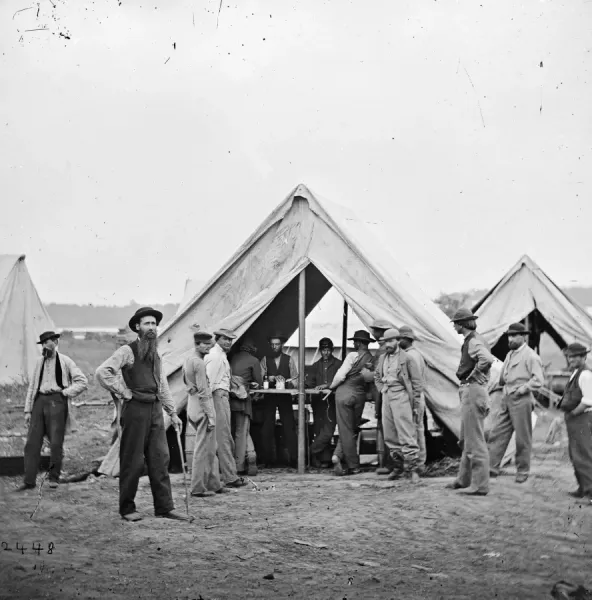
Imagine stepping into a piece of history with your very own A Frame Tent Civil War replica. If you’ve ever wondered what it felt like to live during that tumultuous time, this tent brings the past right to your backyard.
Whether you’re a history buff, a reenactor, or just curious, understanding the design and use of these tents can transform your experience. Keep reading, and you’ll discover how this simple structure holds stories of survival, strategy, and daily life from the Civil War era.
Your next adventure into history starts here.
Origins Of Frame Tents
Frame tents have a long history in military use. They provided soldiers with quick and sturdy shelter.
This article explores the beginnings of frame tents and how they developed during the Civil War.
Early Military Shelters
Early armies used simple shelters like lean-tos and basic canvas tents. These shelters were easy to set up but not very strong.
- Wooden poles and canvas were the main materials.
- Soldiers often needed help to put up the tents.
- These tents protected from rain and sun but lacked stability.
- They were mostly used for short stays during campaigns.
Evolution During The Civil War
The Civil War saw big changes in tent design. Frame tents became more common because they were stronger and easier to use.
| Feature | Early Tents | Civil War Frame Tents |
| Setup Time | Long and complicated | Faster with fewer people |
| Structure | Canvas on poles | Wooden frame with canvas cover |
| Durability | Low in wind and rain | More stable and weatherproof |
| Use | Short-term shelter | Longer stays and larger groups |
The frame tent design helped armies stay longer in one place. It also gave soldiers better protection from the elements.
Design And Construction
The A Frame Tent was a common shelter used during the Civil War. Its simple design made it easy to build and carry. Soldiers could set it up quickly in many places.
This tent’s shape helped keep rain and snow off the inside. It also gave enough space for one or two people to sleep comfortably.
Materials Used
The main material for the A Frame Tent was heavy canvas. Canvas is a thick, strong cloth that keeps out wind and rain. Wood was used for the frame, usually poles or sticks.
Soldiers often used ropes and metal pins to hold the tent in place. These materials were easy to carry and helped the tent stay stable.
- Heavy canvas cloth for the tent body
- Wooden poles for the frame
- Ropes for tying the tent
- Metal pins or stakes to secure to the ground
Structural Features
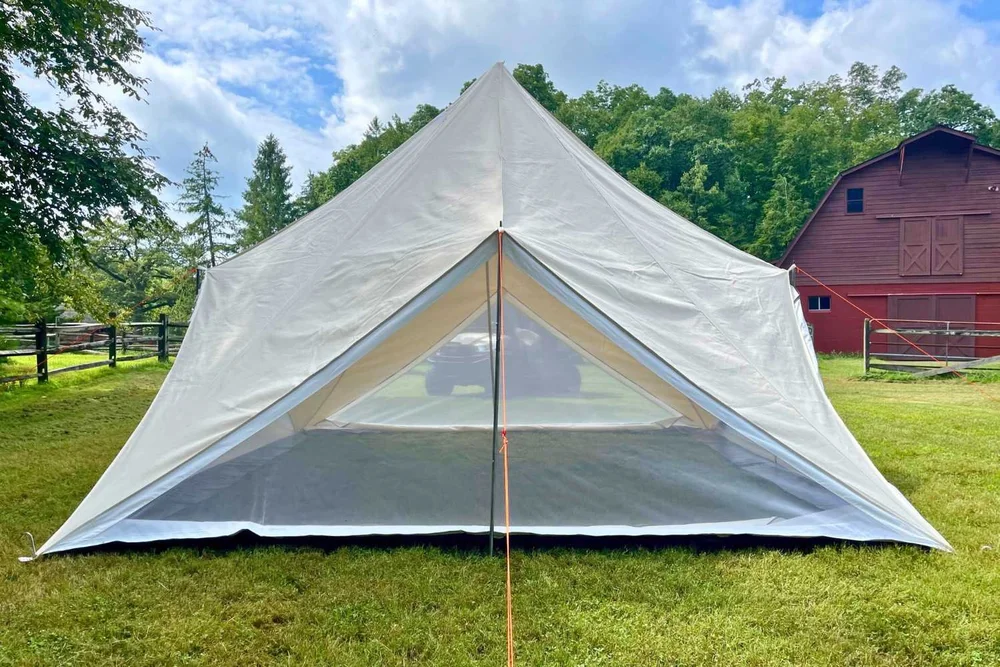
The tent had a simple A-shaped frame made from two poles. These poles leaned against each other at the top. The canvas was stretched over the frame to form a roof.
The open ends allowed air to flow through, reducing heat inside. The shape helped rainwater slide off quickly, keeping the inside dry.
- Two poles form an A shape
- Canvas stretched over poles
- Open ends for ventilation
- Sloped sides to shed rain
Assembly Techniques
To set up the tent, soldiers first stood the two poles upright and leaned them together. They tied the poles at the top to keep them steady. Then they stretched the canvas over the frame.
Ropes attached to the tent’s edges were pulled tight and tied to stakes in the ground. This kept the tent firm and stopped it from blowing away in wind.
- Stand two poles and lean together
- Tie poles at the top for support
- Drape canvas over the frame
- Secure ropes to ground stakes
Role In Civil War Camps
The A-frame tent was a common sight in Civil War camps. Soldiers used these tents for shelter during the war. They were simple structures made with canvas and poles.
These tents were vital for the daily lives of soldiers. They provided protection from weather and a place to rest. Understanding their role helps us learn more about camp life during the Civil War.
Living Conditions
Soldiers lived in tight quarters inside the A-frame tents. Each tent held two to four men. Space was limited, making it hard to move around.
Weather was a big challenge. Tents offered little warmth in cold weather. Rain often leaked through the canvas, making it uncomfortable.
- Cramped sleeping areas
- Little protection from cold
- Leaky in rain
Strategic Advantages
A-frame tents were easy to set up and take down. This made them ideal for moving camps quickly. Soldiers could pack them up and march to a new location fast.
These tents were lightweight and portable. This allowed armies to carry them over long distances. It helped maintain mobility during the war.
- Quick setup and takedown
- Lightweight and portable
- Helped maintain mobility
Challenges Faced
The A-frame tent had its downsides. It lacked proper insulation. Soldiers often felt too hot in summer and too cold in winter.
Weather conditions often damaged the tents. Strong winds could blow them over. Repairing them was necessary, which took time and resources.
- Poor insulation
- Susceptible to weather damage
- Time-consuming repairs

Credit: www.tentsmiths.com
Variations Across Armies
The A Frame Tent was a common shelter during the Civil War. Different armies used varied designs to suit their needs. These tents offered protection and could be moved easily.
Each side adapted the frame tent to fit their climate, resources, and tactics. Understanding these differences helps us see how soldiers lived during the war.
Union Frame Tents
The Union army used A Frame Tents made from heavy canvas. They were sturdy and often had a wooden frame. These tents could house two soldiers comfortably.
- Canvas material was thick for cold weather.
- Frames were usually made of pine wood.
- Tents had flaps for ventilation.
- Designed for quick setup and takedown.
Confederate Frame Tents
Confederate tents were often lighter due to limited resources. They used thinner fabric and sometimes improvised with local materials. The frames were less uniform.
| Feature | Union Tents | Confederate Tents |
| Material | Heavy canvas | Thinner fabric, sometimes cotton |
| Frame | Wooden, pine | Mixed woods or metal when available |
| Size | Houses two soldiers | Varied, sometimes smaller |
| Durability | High | Moderate |
Regional Adaptations
Different regions altered the tents to handle weather and environment. Soldiers adjusted tents for heat, cold, rain, and snow. This made the tents more effective in many places.
- Southern armies added extra ventilation for heat.
- Northern troops used insulation for cold winters.
- Western units made tents smaller to fit rugged terrain.
- Some areas used local wood for frames instead of standard pine.
Preservation And Restoration
Preserving and restoring A Frame tents from the Civil War helps us learn about history. These tents show how soldiers lived and worked during the war.
Careful efforts keep these tents safe for future visitors and researchers. Preservation means stopping damage. Restoration means fixing old tents to their original look.
Archaeological Discoveries
Archaeologists find many parts of A Frame tents at Civil War sites. They uncover tent poles, fabric fragments, and metal fasteners. These items tell us how tents were built and used.
- Tent pole shapes and sizes
- Types of fabric and stitching
- Metal hooks and buttons
- Signs of wear and repair
These discoveries guide accurate restoration. They also help create museum displays that teach about soldier life.
Modern Reconstruction Efforts
Experts use old photos and drawings to rebuild A Frame tents. They work to copy materials and shapes from the Civil War period. These tents appear in museums and reenactments.
| Material | Used Then | Used Now |
| Fabric | Heavy canvas | Natural canvas |
| Poles | Wooden | Wooden or treated wood |
| Fasteners | Metal hooks | Steel hooks |
These efforts help us see how tents looked and felt in the past. They also protect the knowledge for future generations.

Credit: www.freepik.com
Legacy And Influence
The A Frame tent was a common shelter during the Civil War. Its simple design made it easy to build and carry. This tent style left a lasting mark on camping gear and culture.
Many features of the A Frame tent are still seen in today’s camping tents. Its shape and structure influenced how people think about portable shelters.
Impact On Modern Camping
The A Frame tent design helped shape modern camping equipment. Its ease of use and stability are reasons why it remains popular in many tents.
- Lightweight and easy to carry
- Simple frame structure for quick setup
- Good ventilation and rain protection
- Strong and stable in windy conditions
Cultural Significance
The A Frame tent is a symbol of the Civil War era. It represents the daily life of soldiers and their resourcefulness.
| Aspect | Meaning |
| Design | Practical and efficient shelter |
| Use | Common among soldiers and camp followers |
| Symbol | Represents endurance and survival |
Credit: www.beckelcanvas.com
Frequently Asked Questions
What Is An A Frame Tent In The Civil War?
An A Frame Tent is a triangular canvas shelter used by soldiers in the Civil War. It provided basic protection from weather and was easy to set up in camps.
How Were A Frame Tents Used During The Civil War?
Soldiers used A Frame Tents as temporary sleeping quarters and storage. They were portable and helped armies camp efficiently during long campaigns.
Why Were A Frame Tents Popular Among Civil War Soldiers?
A Frame Tents were lightweight, durable, and simple to assemble. These features made them practical for soldiers who moved frequently during battles.
What Materials Made Civil War A Frame Tents Durable?
Civil War A Frame Tents were primarily made of heavy canvas and wooden poles. These materials offered good protection and lasted through harsh conditions.
Conclusion
A Frame Tents played a key role during the Civil War. They provided shelter for soldiers in many battles. These tents were strong, easy to set up, and moved quickly. Soldiers could rest and stay protected from weather. Today, they remind us of life in that era.
Understanding these tents helps us see the past better. History comes alive through simple things like these tents. They tell stories of courage and survival. The A Frame Tent is more than just shelter. It holds memories of a difficult time in America.