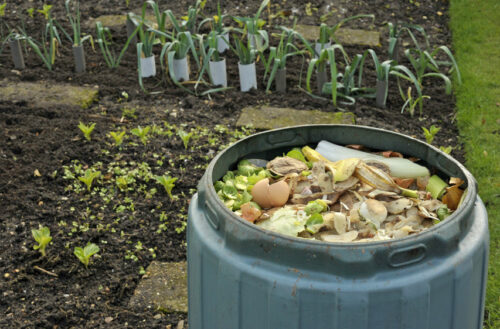
Are you ready to turn your kitchen scraps into nutrient-rich soil but unsure where to place your compost bin? Choosing the right spot for your compost bin can make all the difference in how fast your waste breaks down and how easy it is for you to maintain.
You’ll discover simple tips to find the perfect location that keeps odors at bay, speeds up composting, and fits seamlessly into your daily routine. Keep reading to unlock the secrets of placing your compost bin for the best results—your garden will thank you!
Choosing The Right Location
Picking the best spot for your compost bin helps it work well. The right location keeps the compost healthy and easy to use.
Think about sunlight, access, and drainage to find the perfect place for your bin.
Consider Sunlight Exposure
Compost needs some warmth to break down materials fast. Place your bin where it gets partial sunlight.
- Choose a spot with morning sun and afternoon shade.
- Avoid full sun all day; it can dry out the compost.
- Keep it out of deep shade to maintain warmth.
Assess Accessibility
You will add scraps and turn the compost often. The bin should be easy to reach from your kitchen or garden.
| Factor | Why It Matters |
| Close to Kitchen | Saves time when adding food scraps |
| Near Garden | Makes spreading compost simple |
| Clear Path | Allows easy movement and turning |
Evaluate Drainage Conditions
Good drainage stops water from pooling around the bin. Too much water can slow composting and cause smells.
Pick a spot with soil that drains well or raise the bin on a platform to avoid water buildup.
Backyard Placement Options
Choosing the right spot for your compost bin helps it work well and stay neat. Think about easy access and where it fits best in your backyard.
Good placement makes composting simple and keeps your yard looking nice. Here are some common backyard options for placing your compost bin.
Near The Garden Beds
Placing the compost bin near your garden beds saves time when adding compost. You can easily move finished compost to your plants.
This spot helps keep your garden healthy by providing nutrients quickly. Make sure the bin is not too close to avoid pests.
- Choose a spot with good sunlight and shade balance
- Keep the bin on level ground for stability
- Allow space to turn and manage compost easily
Close To The Kitchen Door
Putting the compost bin near the kitchen door makes it easy to add food scraps. This reduces trips and saves time during cooking.
Keep the bin in a shaded area to control smells. Use a bin with a secure lid to keep pests away.
- Place the bin within a few steps from the door
- Ensure good air flow around the bin
- Use a container that seals well to reduce odors
Hidden Corners And Fences
Hidden corners or fence lines are good for keeping the compost bin out of sight. This keeps your backyard tidy and organized.
Make sure the spot is still easy to reach and has enough air circulation. Avoid very dark or wet areas to help compost break down well.
- Pick a dry corner with some sunlight
- Keep space around the bin for turning compost
- Use natural barriers like shrubs for extra cover
Urban And Small Space Solutions
Finding space for a compost bin in the city can be tricky. Small apartments and limited outdoor areas need creative solutions.
These ideas can help you fit a compost bin into tight spaces. You can make a difference in reducing waste.
Balcony Composting Spots
A balcony is a great place for a compost bin. It’s outside but easy to access from your kitchen.
Choose a corner that gets some sun and is away from sitting areas. This helps manage any smells and keeps your space comfortable.
Patio And Deck Placement
Patios and decks offer more room for a compost bin. Place it near your kitchen door for quick trips.
A small bin can fit under a table or in a corner. This keeps it out of the way but still useful for composting.
Community Garden Bins
Community gardens often have shared compost bins. They are great for people without private outdoor space.
Check if your local garden offers this. You can contribute your scraps and enjoy the benefits.
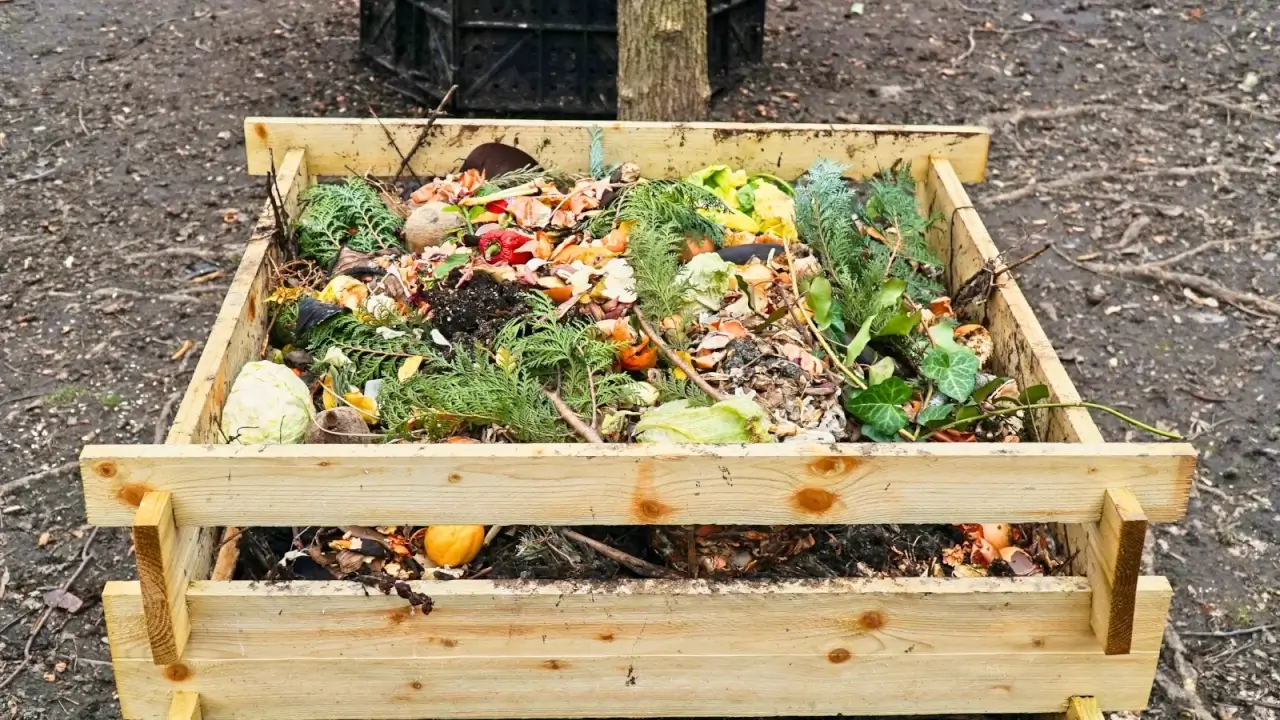
Credit: modernfarmer.com
Avoiding Common Placement Mistakes
Choosing the right place for your compost bin is key. Wrong placement can cause problems.
This guide helps you avoid common mistakes and keep your compost area clean and safe.
Steering Clear Of High Traffic Areas
Do not put your compost bin where people walk a lot. It can block paths and cause accidents.
Choose a quiet corner in your yard or garden that is easy to reach but out of the way.
Keeping Away From Pets And Pests
Pets and pests may be attracted to the compost. This can cause mess and health risks.
- Place the bin away from pet play areas.
- Use bins with secure lids to keep pests out.
- Check the bin regularly for holes or gaps.
- Avoid placing it near bird feeders or pet bowls.
Preventing Odor Issues
Bad smells come from poor bin placement and care. Airflow helps reduce odors.
| Placement Tip | Reason |
|---|---|
| Choose a shaded spot | Keeps compost moist and cool |
| Place on soil or grass | Helps drainage and airflow |
| Avoid low spots | Prevents water buildup and smell |
| Keep bin away from walls | Allows air circulation |
Seasonal Considerations
Choosing the right spot for your compost bin changes with the seasons. Weather affects how well your compost breaks down.
Placing your compost bin in a good location helps keep it active all year. Let’s look at some seasonal tips.
Winter Location Tips
In winter, compost slows down because it gets cold. Put your bin where it can get some sun during the day.
A spot near a wall or fence can protect the bin from cold winds. This helps keep the heat inside the compost.
- Place bin in a sunny, sheltered spot
- Keep bin off frozen ground if possible
- Cover compost to keep warmth inside
Managing Compost In Rainy Seasons
Too much rain can make compost soggy and slow down the process. Put your bin where water drains well.
Use a lid or cover to keep excess water out. Good airflow helps stop bad smells and keeps compost healthy.
- Choose a spot with good drainage
- Cover bin to prevent water buildup
- Turn compost to improve air flow

Credit: www.bamboozlehome.com
Enhancing Compost Efficiency
Placing your compost bin in the right spot helps speed up composting. Good location improves airflow and moisture control.
These factors create a healthy environment for microbes to break down waste fast and well.
Optimizing Airflow
Airflow helps oxygen reach the compost. Oxygen is key for microbes to work properly and avoid bad smells.
- Place the bin in a spot with good air circulation.
- Avoid tight corners or enclosed spaces.
- Elevate the bin slightly to let air flow underneath.
- Use bins with ventilation holes for better air exchange.
Maintaining Moisture Levels
Compost needs the right moisture to stay active. Too dry or too wet slows down the process.
| Moisture Condition | Effect on Compost |
| Too Dry | Microbes slow down and stop working |
| Ideal Moisture | Microbes stay active and break down waste well |
| Too Wet | Oxygen is blocked, causing bad smells |
Keep the bin in a place protected from heavy rain but where it can get some water. Check moisture often and add water or dry material as needed.
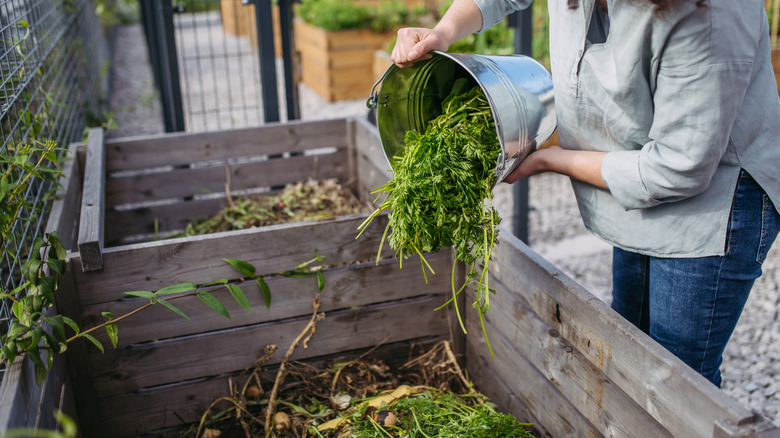
Credit: www.outdoorguide.com
Frequently Asked Questions
Where Is The Best Place To Put A Compost Bin?
Place your compost bin in a dry, shaded area with good airflow. It should be close to your garden for easy access but not too near living spaces to avoid odors. A level ground spot helps maintain moisture and drainage.
Can I Keep A Compost Bin Indoors?
Yes, you can keep a compost bin indoors if it is small and well-sealed. Use a worm composting system or bokashi bin to control odors. Ensure proper ventilation and avoid placing it near heat sources.
How Far Should Compost Bin Be From The House?
Keep your compost bin at least 3 to 10 feet away from your house. This distance helps prevent pests and odors from entering your home while still keeping it accessible for regular use.
Should A Compost Bin Be In Sun Or Shade?
A compost bin should be placed in partial shade. Too much sun can dry out the compost, while full shade may slow decomposition. Aim for a balance to maintain moisture and promote healthy microbial activity.
Conclusion
Choosing the right spot for your compost bin helps it work best. Place it where air can flow and sunlight reaches. Avoid spots that get too wet or too dry. Keep it close to your garden for easy use. Check the bin often and turn it to help decay.
With the right location, composting becomes simple and effective. Your garden will thank you with healthy plants and less waste. Start small, watch it grow, and enjoy nature’s cycle.