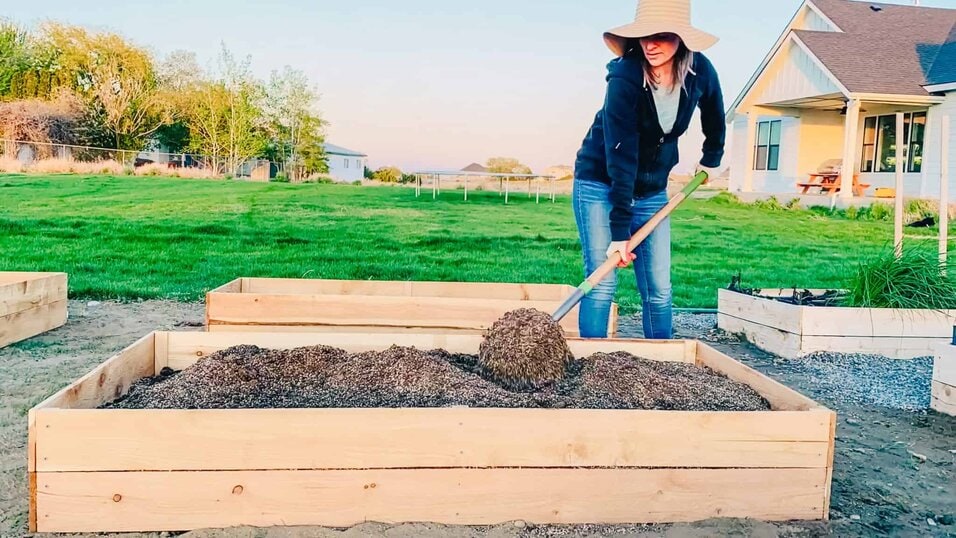
Choosing the right soil for your raised garden beds can make all the difference in how well your plants grow. You might think any soil will do, but the truth is, the soil you use affects water drainage, nutrient availability, and root health.
If you want your garden to thrive and produce vibrant flowers or delicious vegetables, understanding what soil to use is key. You’ll discover simple tips to pick the perfect soil mix that fits your garden’s needs. Keep reading, and you’ll be one step closer to creating a lush, healthy garden that you can be proud of.
Choosing The Right Soil Mix
Choosing the right soil mix is important for raised garden beds. Good soil helps plants grow strong and healthy.
The soil must have the right nutrients, texture, and water balance. This guide explains what to look for.
Key Soil Components
Good soil has three main parts: minerals, organic matter, and air. These parts work together to support plants.
Minerals come from sand, silt, and clay. Organic matter is made from decomposed plants and animals. Air fills the spaces between soil particles.
- Minerals provide structure and nutrients
- Organic matter improves fertility and water retention
- Air allows roots to breathe
Ideal Soil Texture
The best soil texture is called loam. It feels soft and crumbly. Loam holds water but drains well.
Loam has a balance of sand, silt, and clay. Too much sand drains water fast. Too much clay holds too much water.
- Sand improves drainage
- Silt retains moisture and nutrients
- Clay holds nutrients and moisture but can compact
Balancing Drainage And Retention
Good soil holds water but does not stay soggy. Plants need air and water in the soil.
Add materials like compost and perlite to balance water retention and drainage. This keeps roots healthy.
- Compost adds nutrients and improves moisture retention
- Perlite and vermiculite improve drainage and aeration
- Avoid heavy clay alone; it can cause waterlogging
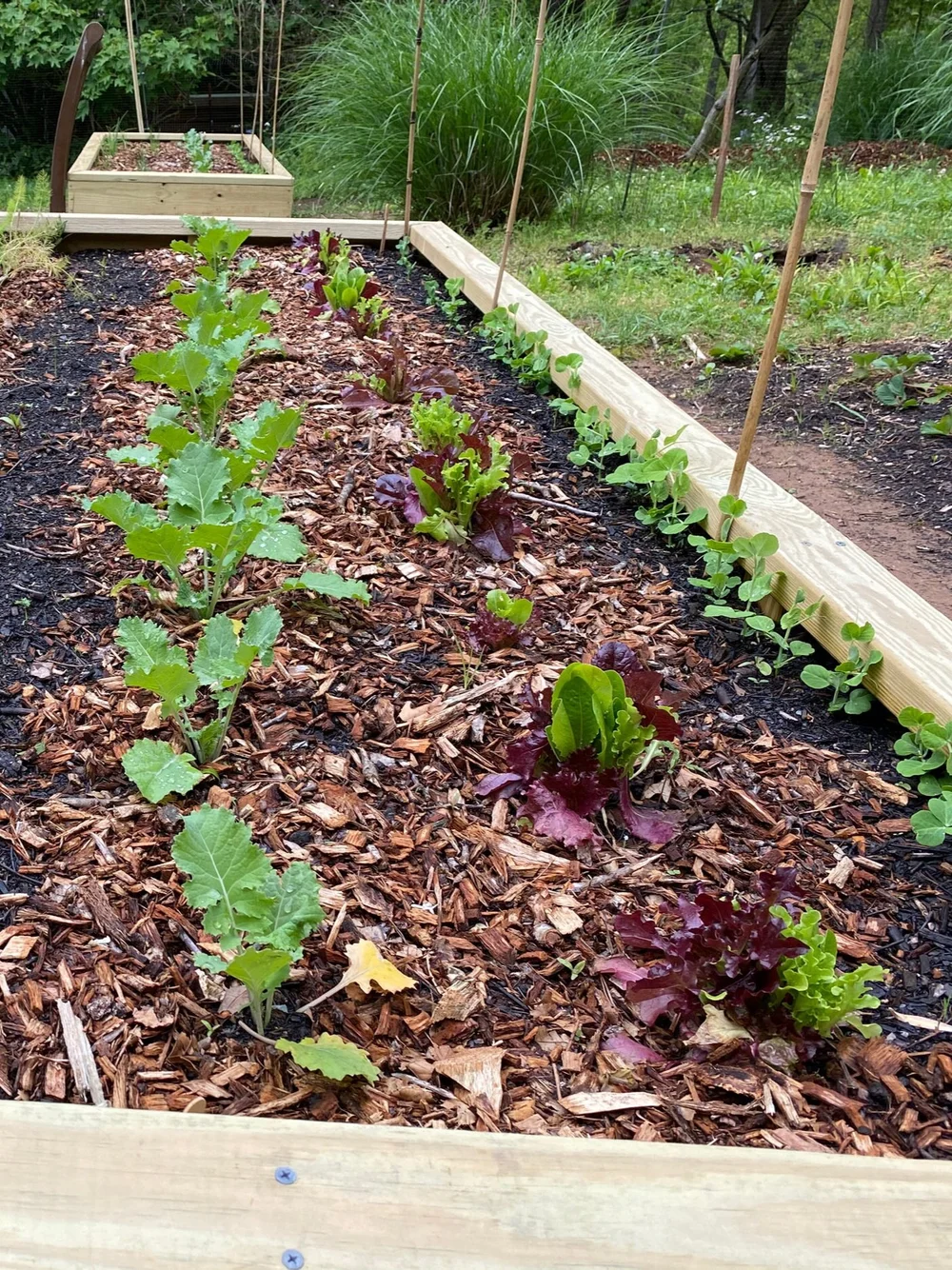
Credit: www.thunderbirddisco.com
Types Of Soil For Raised Beds
Choosing the right soil is important for raised garden beds. The soil affects plant growth and health. Different types of soil have different benefits.
This guide covers common soil types used in raised beds. Learn which soil fits your garden needs best.
Topsoil
Topsoil is the upper layer of soil found outdoors. It contains minerals and organic matter. It is often used to fill raised beds. Good topsoil supports strong roots and retains moisture well.
Compost
Compost is made from decomposed plant and food waste. It is rich in nutrients that help plants grow. Adding compost improves soil texture and water retention. It also supports beneficial microbes.
Peat Moss
Peat moss is a soft, spongy material from decomposed moss. It holds water well and adds acidity to soil. Peat moss helps improve soil structure but can dry out quickly. It is often mixed with other soils.
Coconut Coir
Coconut coir comes from coconut husks. It is a sustainable alternative to peat moss. Coir holds moisture and allows air to reach roots. It also resists compaction and lasts a long time in soil.
Garden Soil Mixes
| Soil Mix | Ingredients | Best Use |
| All-Purpose Mix | Topsoil, Compost, Peat Moss | General raised bed gardening |
| Vegetable Mix | Topsoil, Compost, Coconut Coir | Vegetable beds needing good drainage |
| Flower Mix | Topsoil, Peat Moss, Compost | Flower beds requiring moisture retention |
Amending Soil For Better Growth
Good soil helps plants grow strong in raised garden beds. Amending soil means adding materials to improve its quality. This makes your garden healthier and more productive.
Different amendments fix different soil problems. You can add organic matter, nutrients, or adjust the soil’s pH level. Each step supports better plant growth.
Adding Organic Matter
Organic matter improves soil texture and water retention. It also feeds helpful microbes in the soil. Compost, shredded leaves, and aged manure work well.
- Mix compost into the top 6-12 inches of soil
- Add shredded leaves for air and drainage
- Use aged manure to provide nutrients
- Apply mulch to keep moisture and reduce weeds
Using Fertilizers And Nutrients
Plants need nutrients like nitrogen, phosphorus, and potassium. Fertilizers add these nutrients to your raised bed soil. Use balanced fertilizers or organic options.
| Nutrient | Function | Sources |
|---|---|---|
| Nitrogen (N) | Helps leaves grow green and healthy | Blood meal, fish emulsion, synthetic fertilizers |
| Phosphorus (P) | Supports root and flower development | Bone meal, rock phosphate |
| Potassium (K) | Improves overall plant health and disease resistance | Potash, wood ash |
Correcting Ph Levels
Soil pH affects how plants use nutrients. Most vegetables like pH between 6.0 and 7.0. You can test pH with a kit or meter. Adjust pH with lime or sulfur.
- Add lime to raise pH if soil is too acidic
- Add sulfur to lower pH if soil is too alkaline
- Retest soil after a few weeks to check changes
- Work amendments into the soil before planting

Credit: www.thunderbirddisco.com
Avoiding Common Soil Mistakes
Growing plants in raised garden beds is fun and rewarding. The right soil is key to healthy plants. Avoid common soil mistakes for a thriving garden.
Choosing the wrong soil can lead to poor plant growth. Let’s explore common mistakes to avoid.
Overusing Heavy Clay
Clay soil holds too much water. This can suffocate plant roots. It is important to mix clay with other materials.
Adding sand or compost improves drainage. This helps roots get the air they need.
- Mix clay with sand for better drainage
- Add compost to enrich the soil
- Check soil texture regularly
Ignoring Soil Contaminants
Soil can contain harmful chemicals. These can affect plant health and safety. Always check for contaminants in your soil.
Use clean, tested soil for your raised beds. This keeps your plants safe and healthy.
- Test soil for chemicals
- Use certified organic soil
- Avoid soil from unknown sources
Skipping Soil Testing
Soil testing shows nutrient levels and pH balance. This helps you know what your soil needs. Testing is simple and very helpful.
Regular soil tests guide your garden care. They ensure your plants get the right nutrients.
- Test soil every season
- Check pH and nutrients
- Adjust soil based on test results
Maintaining Soil Health Over Time
Soil health is key for raised garden beds. Good soil helps plants grow strong and stay healthy.
Keeping soil healthy takes regular care and smart choices. This guide covers ways to keep soil rich and fertile.
Regular Soil Refreshing
Over time, soil in raised beds can lose nutrients. Adding fresh compost or organic matter helps replace these nutrients. This keeps soil loose and full of life.
Mix new compost into the soil each season. This refreshes the soil and supports healthy roots.
Mulching Techniques
Mulch covers soil to keep moisture and stop weeds. It also adds nutrients as it breaks down.
- Use straw, leaves, or grass clippings as mulch
- Apply mulch 2 to 3 inches thick around plants
- Replenish mulch after heavy rain or wind
- Avoid piling mulch against plant stems
Crop Rotation Benefits
Changing what you plant in each bed reduces pests and diseases. It also balances soil nutrients well.
| Crop Type | Next Crop to Plant |
| Leafy Greens | Root Vegetables |
| Legumes (Beans, Peas) | Fruiting Plants (Tomatoes, Peppers) |
| Root Vegetables | Leafy Greens |
| Fruiting Plants | Legumes |
Sourcing Quality Soil Materials
Choosing the right soil is key for raised garden beds. Good soil helps plants grow strong and healthy.
Finding quality soil materials can be done in different ways. This guide covers local and store-bought options, sustainable sources, and budget-friendly choices.
Local Vs. Store-bought Options
Local soil may come from your yard or nearby natural areas. Store-bought soil usually comes bagged and ready to use.
- Local soil is often fresher and less processed.
- Store-bought soil has added nutrients and is tested for quality.
- Local soil might contain weeds or pests if not treated.
- Store-bought soil is convenient but can be more expensive.
Sustainable Soil Sources
Sustainable soil sources reduce harm to the environment. They often reuse organic waste and avoid chemical fertilizers.
| Source | Benefits | Considerations |
|---|---|---|
| Compost from kitchen scraps | Recycles waste, enriches soil | Needs time to break down |
| Leaf mold | Improves soil moisture | May take several months to prepare |
| Worm castings | Boosts plant growth | Requires worm farming |
Budget-friendly Choices
Good soil does not need to cost a lot. Look for these budget-friendly ideas to fill your raised beds:
- Mix local soil with compost to save money.
- Use free mulch from tree trimming services.
- Ask neighbors for spare soil or compost.
- Check community gardens for leftover soil materials.
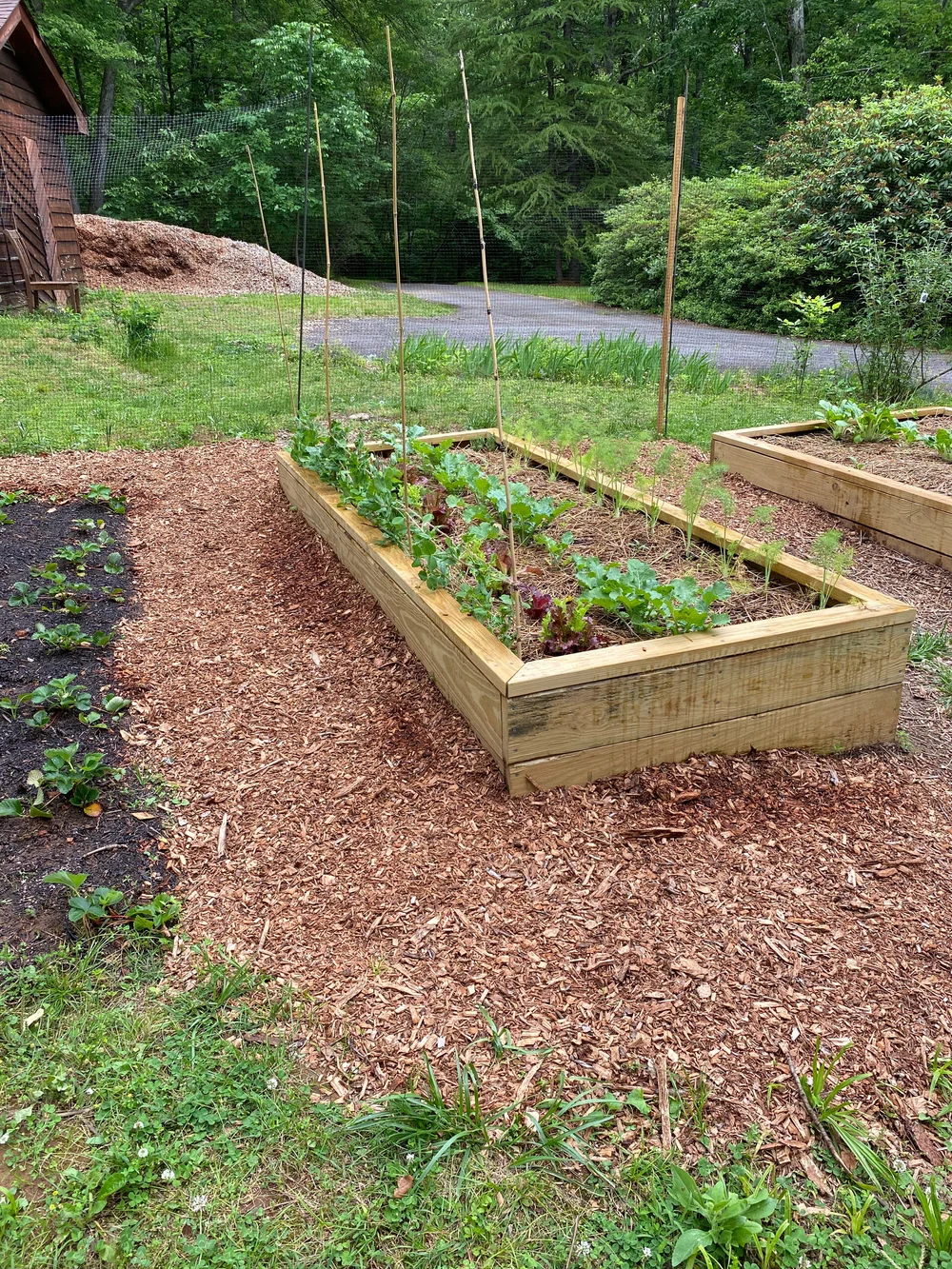
Credit: www.thunderbirddisco.com
Frequently Asked Questions
What Is The Best Soil Mix For Raised Garden Beds?
The best soil mix combines topsoil, compost, and organic matter. This blend provides nutrients, good drainage, and moisture retention for healthy plants.
Can I Use Regular Garden Soil In Raised Beds?
Regular garden soil can be too dense and poorly draining. It’s better to use a light, well-draining mix for raised beds to avoid root rot and promote growth.
How Much Compost Should I Add To Raised Bed Soil?
Add about 30-50% compost to your soil mix. Compost enriches the soil with nutrients and improves texture, enhancing plant health and yield.
Should I Use Potting Soil Or Garden Soil In Raised Beds?
Potting soil is designed for containers and may lack nutrients for raised beds. A garden soil and compost mix is ideal for raised beds.
Conclusion
Choosing the right soil helps your garden grow strong and healthy. Use a mix of compost, topsoil, and peat moss for good drainage and nutrients. This blend keeps plants happy and roots well-fed. Avoid heavy or poor soils that stop water flow.
Regularly check and refresh soil to keep it fertile. A well-prepared bed means better vegetables and flowers. Start with good soil, and your raised garden will thrive. Simple steps lead to great results in your garden.