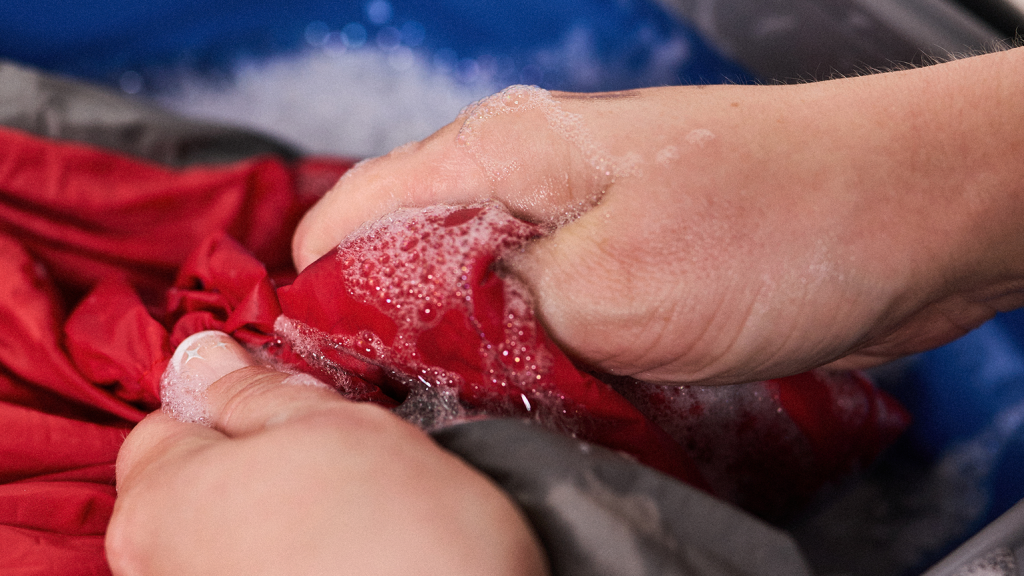
Your sleeping bag is your best friend on every outdoor adventure. But over time, dirt, sweat, and odors can build up, making it uncomfortable and less effective.
Cleaning your sleeping bag the right way is key to keeping it fresh, cozy, and long-lasting. In this guide, you’ll discover simple, step-by-step tips to clean your sleeping bag without damaging it. Keep reading to learn how to care for your gear so it’s always ready for your next trip.
Choose The Right Cleaning Method
Cleaning your sleeping bag the right way keeps it warm and comfy. Different bags need different care. Choose a method that fits your bag’s material and condition.
Knowing when to spot clean, machine wash, or dry clean helps protect your sleeping bag’s quality and lifespan.
Spot Cleaning Basics
Spot cleaning fixes small stains or dirt without washing the whole bag. It saves time and reduces wear on the fabric.
- Use a mild soap or specialized cleaner.
- Dab gently with a soft cloth or sponge.
- Focus only on dirty spots.
- Rinse with clean water to remove soap.
- Let the bag air dry fully before storing.
When To Machine Wash
Machine washing works well for very dirty bags or those used often. Check the care label first to be sure it is safe.
| Condition | Machine Wash Recommended? | Notes |
| Light dirt and stains | No | Spot clean instead |
| Heavy dirt or odor | Yes | Use gentle cycle and cold water |
| Delicate or vintage fabric | No | Hand wash or dry clean |
| Down-filled sleeping bag | Yes | Use special detergent for down |
Dry Cleaning Considerations
Some sleeping bags need dry cleaning to avoid damage. This method uses chemicals instead of water to clean the fabric.
Dry cleaning suits:
- Bags with special coatings or water resistance
- Silk or wool sleeping bags
- Bags with glued seams that water can weaken
Always tell the cleaner about the bag’s materials and any special care instructions.

Credit: www.gearaid.com
Prepare Your Sleeping Bag
Cleaning your sleeping bag starts with good preparation. Taking a few simple steps helps protect the fabric and filling.
Preparing your sleeping bag well makes the cleaning process safer and more effective. Follow these tips before washing.
Check The Care Label
Look for the care label inside your sleeping bag. It shows important cleaning instructions from the maker.
Labels tell you if you can machine wash or need hand washing. They also say what temperature to use.
Empty All Pockets
Before cleaning, open every pocket and remove all items. Small things can damage the fabric or washing machine.
Check carefully so you do not miss any coins, keys, or trash in the pockets.
Close Zippers And Velcro
Zip up all zippers and fasten all Velcro strips. This stops the bag from snagging or tearing during washing.
Closed zippers also keep the bag’s shape and prevent damage to other clothes in the wash.
Hand Washing Techniques
Cleaning a sleeping bag by hand keeps it safe and lasting longer. This method avoids harsh machine washing that can damage its fabric and insulation.
Hand washing uses gentle care and proper steps to remove dirt and odors. It helps keep your sleeping bag fresh and ready for your next trip.
Select Gentle Detergents
Use detergents made for delicate fabrics. Avoid strong soaps that can harm the sleeping bag’s material and insulation.
Look for detergents labeled as mild or designed for down or synthetic sleeping bags. These keep the filling fluffy and clean.
Use Lukewarm Water
Fill a large tub or sink with lukewarm water. Water that is too hot can damage the fabric and insulation.
Lukewarm water helps dissolve dirt gently without shrinking or harming the sleeping bag’s materials.
Soak And Rinse Properly
Submerge the sleeping bag fully and soak it for 15 to 30 minutes. Gently squeeze the bag to help remove dirt without twisting it.
Rinse the sleeping bag with clean lukewarm water several times. Make sure all detergent is removed to avoid residue buildup.
- Press out excess water by gently squeezing
- Avoid wringing or twisting the bag
- Repeat rinsing until water runs clear

Credit: www.halfwayanywhere.com
Machine Washing Tips
Keeping your sleeping bag clean is important for comfort and longevity. Machine washing can be a convenient option if done correctly.
Follow these simple steps to ensure your sleeping bag stays fresh and ready for your next adventure.
Choose The Right Washer
Using the correct washer prevents damage to your sleeping bag. Top-loaders with an agitator can harm the material.
Select Proper Cycle
Selecting the right wash cycle ensures your sleeping bag gets cleaned without being damaged.
- Set the washer to a gentle or delicate cycle.
- Use cold or warm water to protect the fabric.
- Avoid hot water as it can cause shrinkage.
Avoid Fabric Softeners
Fabric softeners can coat the fibers of your sleeping bag, reducing its loft and warmth.
| Product | Effect on Sleeping Bag |
| Detergent | Removes dirt and odors |
| Fabric Softener | Reduces loft and insulation |
| Bleach | Causes discoloration and damage |
Drying Your Sleeping Bag
Drying your sleeping bag properly keeps it in good shape. Wet sleeping bags can get smelly and lose insulation.
There are safe ways to dry your sleeping bag without damaging the fabric or filling.
Air Drying Methods
Air drying is gentle and helps keep your sleeping bag safe. Hang it in a dry, shady spot with good airflow.
Avoid direct sunlight. Sun can weaken the fabric and fade colors.
- Use a wide hanger or clothesline to keep shape
- Turn the bag over often to dry both sides
- Pat dry with a towel to remove extra water before hanging
Using A Dryer Safely
A dryer can speed up drying but use low heat only. High heat can melt or burn the insulation.
Add clean tennis balls or dryer balls to help fluff the sleeping bag while drying.
- Set dryer on low or air fluff setting
- Check bag often to avoid overheating
- Remove the bag before it is completely dry to finish air drying
Fluffing And Restoring Loft
Fluffing restores the sleeping bag’s loft and warmth. After drying, shake and gently knead the bag.
Use your hands to break up any clumps of insulation inside the bag.
- Shake the bag outside to remove dust
- Lay flat or hang to keep shape
- Store loosely to keep loft for next use
Credit: cascadedesigns.com
Storage And Maintenance
Keeping your sleeping bag clean and well-stored helps it last longer. Good care keeps it warm and comfortable for your trips.
Follow simple tips for storage and maintenance to protect the material and filling of your sleeping bag.
Store In A Loose Bag
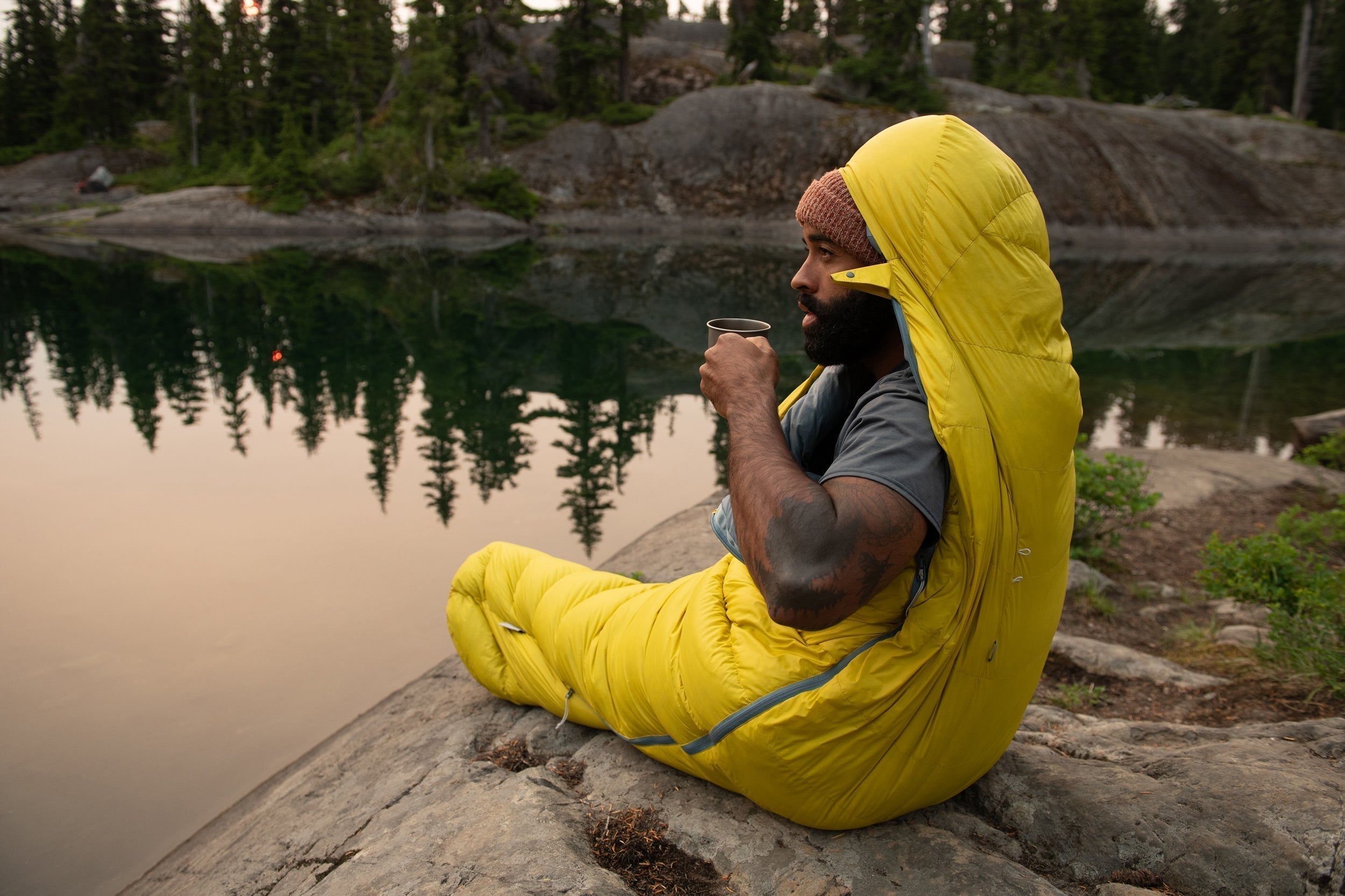
Always store your sleeping bag in a large, loose bag. Avoid tight stuff sacks after use. This lets the insulation keep its loft and shape.
Use a cotton or mesh storage sack. These materials allow air to flow and prevent moisture build-up inside the bag.
Avoid Compression
Do not keep your sleeping bag compressed for long periods. Compression can damage the filling and reduce warmth.
- Store the bag loosely in a large sack or hang it in a cool, dry place.
- Do not pack it tightly in backpacks when storing at home.
- Let the bag air out after each trip before storing.
Regular Freshening Tips
| Tip | Purpose |
| Air out after use | Remove moisture and odors |
| Spot clean stains | Keep fabric clean without full wash |
| Use sleeping bag liner | Protect inside from dirt and sweat |
| Wash only when needed | Maintain insulation and fabric quality |
Common Mistakes To Avoid
Cleaning your sleeping bag keeps it fresh and safe to use. Many people make simple mistakes that can damage it. Avoiding these errors helps your sleeping bag last longer.
Read about common mistakes when cleaning a sleeping bag. Fixing these will save time and keep your gear in good shape.
Overwashing
Washing a sleeping bag too often wears out the fabric and insulation. This reduces warmth and comfort. Only wash your sleeping bag when it really needs it, like after heavy use or dirt buildup.
- Wash after every 5-10 uses if kept clean
- Spot clean small stains instead of full washing
- Use gentle wash cycles and cold water
Using Harsh Chemicals
Strong detergents can break down the sleeping bag’s materials. Avoid bleach, fabric softeners, and strong soaps. Use special cleaners made for down or synthetic sleeping bags.
| Chemical | Effect on Sleeping Bag |
| Bleach | Damages fabric and insulation |
| Fabric softener | Reduces water repellency |
| Strong detergents | Breaks down fibers and filling |
| Special sleeping bag cleaner | Protects materials and cleans well |
Ignoring Damage Repairs
Small tears or broken zippers can get worse if left alone. Fix damage right after you see it. Repair kits for sleeping bags are easy to use and inexpensive.
- Patch small holes with fabric repair tape
- Replace broken zipper sliders
- Use needle and thread for loose seams
- Check repairs before your next trip
Frequently Asked Questions
How Often Should I Clean My Sleeping Bag?
You should clean your sleeping bag after every 3 to 5 uses or if it gets visibly dirty. Regular cleaning prevents odor and fabric damage, keeping it fresh and extending its life. Always follow the manufacturer’s care instructions for best results.
Can I Machine Wash A Sleeping Bag Safely?
Yes, most synthetic sleeping bags can be machine washed on a gentle cycle. Use cold water and a mild detergent designed for outdoor gear. Avoid fabric softeners and bleach. Always check the care label to ensure machine washing is safe for your sleeping bag.
What’s The Best Way To Dry A Sleeping Bag?
Air drying is the safest method to dry a sleeping bag. Lay it flat or hang it in a shaded, well-ventilated area. Avoid direct sunlight to prevent fabric damage. If using a dryer, select a low heat setting and include dryer balls to maintain loft.
How Do I Remove Stains From A Sleeping Bag?
Spot clean stains promptly with a gentle soap and cold water. Use a soft cloth or sponge to dab the area. Avoid harsh scrubbing to protect the fabric. For tough stains, consider a specialized outdoor gear cleaner following the product instructions carefully.
Conclusion
Cleaning a sleeping bag keeps it fresh and lasts longer. Use gentle soap and cold water to protect the fabric. Dry it fully before storing to avoid mold and smell. Regular care helps maintain warmth and comfort on trips. Follow these simple steps to enjoy your bag every time.
Clean gear means better sleep outdoors. Taking a little time now saves trouble later. Your sleeping bag will thank you.