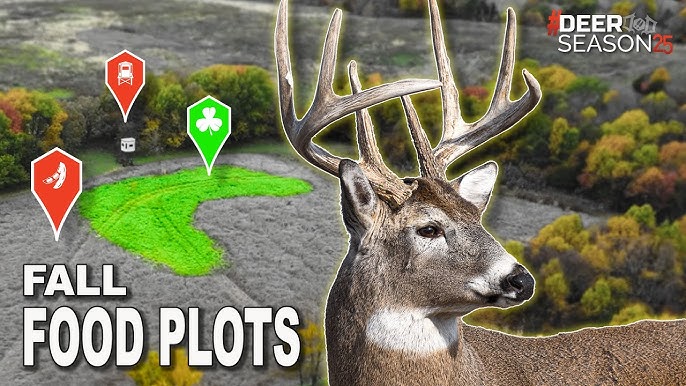
If you want to attract more deer to your land and improve your hunting success, planting a deer food plot is one of the best steps you can take. But how do you start?
What seeds should you choose, and when is the right time to plant? You might feel overwhelmed, but don’t worry—this guide will walk you through every step. By the end, you’ll know exactly how to create a thriving food plot that keeps deer coming back season after season.
Let’s get started and turn your land into a deer magnet.
Choosing The Right Location
Picking the right spot is key to a good deer food plot. The location affects plant growth and deer visits.
Look for a place where soil, sun, and deer activity meet the right conditions. This helps your plot succeed.
Soil Quality And Drainage
Good soil gives plants the nutrients they need. Choose soil that is rich and loose for roots to grow.
Drainage matters. Avoid spots where water pools after rain. Too much water can kill plants.
- Look for loamy soil with good texture
- Check if water drains quickly after rain
- Avoid heavy clay or very sandy soil
- Consider testing soil pH for planting needs
Sunlight Exposure
Most deer food plants need full sun to grow well. Choose a spot that gets at least 6 hours of sunlight daily.
Avoid shady areas under thick tree cover. Plants will not grow strong without enough light.
- Pick open fields or edges of forests
- Check sunlight throughout the day
- Clear small brush if needed to add light
Proximity To Deer Activity
Deer visit spots where they feel safe and have food nearby. Place your plot close to their paths or bedding areas.
Avoid placing the plot near busy roads or noisy areas. Deer avoid places with a lot of disturbance.
- Look for deer tracks or droppings
- Place plots near natural travel routes
- Keep plots away from human activity

Credit: www.youtube.com
Selecting Suitable Seeds
Planting a deer food plot starts with choosing the right seeds. Good seeds help plants grow strong and attract deer.
Picking suitable seeds depends on your soil, climate, and the season. This guide helps you select the best options.
Best Forage Plants For Deer
Deer prefer plants that provide good nutrition and cover. Choose plants that grow well in your area.
- Clovers: White and red clovers are popular and nutritious.
- Chicory: A hardy plant with high protein for deer.
- Alfalfa: Great for summer plots, rich in nutrients.
- Ryegrass: Fast-growing and good for cool seasons.
- Brassicas: Such as turnips and radishes, good in fall and winter.
Seasonal Seed Choices
Choose seeds based on the planting season. Some plants grow better in spring or fall.
- Spring: Clover, alfalfa, and ryegrass do well.
- Summer: Chicory and alfalfa grow strong.
- Fall: Brassicas like turnips and radishes are ideal.
- Winter: Use cool-season grasses and brassicas for late feeding.
Seed Quality And Purchase Tips
Buy high-quality seeds to ensure good growth. Check the seed label for purity and germination rates.
- Choose seeds with over 85% germination rate.
- Look for seeds free of weed seeds and debris.
- Buy seeds suited for your soil type and climate.
- Purchase from reputable dealers for best results.
Preparing The Soil
Preparing the soil is a crucial step in planting a deer food plot. Proper soil preparation ensures that your plants grow healthy and strong. Follow these steps to get your soil ready for planting.
Clearing Existing Vegetation
Start by clearing away any existing vegetation in the area you plan to use for your food plot. Removing weeds, grass, and other plants helps your seeds get the nutrients they need.
Use tools like a mower, or a brush cutter to remove the vegetation. Make sure the area is clean so your seeds have a better chance to grow.
Soil Testing And Amendments
Testing the soil is important to know its pH level and nutrient content. You can buy a soil test kit at a garden store. Follow the instructions to get accurate results.
Once you know the soil’s condition, you can add amendments to improve it. Lime can raise pH, while fertilizers add nutrients. Choose the right amendments for your soil.
- Lime for acidic soil
- Fertilizer for nutrient boost
- Compost for organic matter
Tilling And Leveling
After clearing and testing, it’s time to till the soil. Tilling helps break up the soil, making it loose and easy for roots to grow. Use a tiller or a hoe for this task.
Once tilled, level the soil to create a smooth surface. This helps water spread evenly across your food plot, which is important for plant growth.

Credit: www.themeateater.com
Planting Techniques
Planting a deer food plot requires careful planning and technique. Proper planting ensures healthy growth and attracts deer effectively.
Understanding seeding rates, planting methods, and timing helps create a thriving food plot. These factors affect seed germination and plant vigor.
Seeding Rates And Depths
Use the right amount of seed to avoid overcrowding or sparse growth. Plant seeds at the proper depth to ensure good soil contact and moisture.
| Seed Type | Seeding Rate (lbs/acre) | Planting Depth (inches) |
| Clovers | 5-8 | 0.25-0.5 |
| Chicory | 3-5 | 0.25-0.5 |
| Forage Brassicas | 4-6 | 0.5-1 |
| Millet | 10-15 | 0.5-1 |
Planting Methods
Choose a planting method that fits your equipment and soil type. Proper soil preparation improves seed-to-soil contact and water absorption.
- Drill planting places seeds evenly and at correct depth.
- Broadcast seeding spreads seeds on the surface, then lightly rake or roll.
- Hand planting works for small plots or spot planting.
- Use a cultipacker to press seeds into soil for better contact.
Timing For Optimal Growth
Plant at times when soil and weather conditions support germination and growth. Avoid planting too early or late in the season.
- Plant cool-season seeds in early spring or late summer.
- Warm-season seeds do best when soil is warmer in late spring.
- Check soil temperature; it should be above 50°F for most seeds.
- Consider rainfall patterns to ensure seedlings get enough moisture.
Watering And Maintenance
Proper watering and maintenance help your deer food plot grow strong. Good care improves plant health and attracts more deer.
Learn simple tips on irrigation, weed control, and fertilizing to keep your plot thriving all season.
Irrigation Tips
Water your food plot regularly to keep soil moist but not soaked. Early morning is the best time to water.
- Use drip irrigation or soaker hoses to save water
- Water deeply to encourage strong roots
- Check soil moisture by feeling it with your hand
- Avoid watering in the heat of the day to reduce evaporation
Weed Control Strategies
Weeds compete with your food plot plants for nutrients and water. Control them early for the best growth.
| Weed Control Method | Details |
|---|---|
| Hand Pulling | Best for small plots and young weeds |
| Mulching | Blocks sunlight to stop weed growth |
| Herbicides | Use carefully to avoid harming food plot plants |
| Mowing | Prevents weeds from seeding |
Fertilizing For Growth
Fertilizing supplies the nutrients your plot needs. Use the right fertilizer at the right time for best results.
- Test soil before applying fertilizer
- Choose fertilizer based on soil test results
- Apply fertilizer evenly across the plot
- Water after fertilizing to help nutrients soak in

Credit: www.youtube.com
Protecting The Plot
Protecting your deer food plot is key to its success. You want deer to enjoy it, not unwanted animals or damage.
Using the right methods helps keep your plot healthy and productive for deer over time.
Deterring Unwanted Wildlife
Other animals can eat or damage your plants. You need ways to keep them away without harming them.
- Use natural repellents like garlic or hot pepper sprays.
- Plant strong-smelling herbs around the plot edges.
- Set up motion-activated lights or noise makers.
- Remove nearby brush or hiding spots to reduce animal visits.
Fencing Options
Fencing protects your plot from deer and other wildlife. Choose the right type based on your needs and budget.
| Fence Type | Description | Pros | Cons |
| Electric Fence | Delivers mild shocks to deter animals. | Effective, easy to install | Needs power source, regular checks |
| Wire Mesh Fence | Physical barrier made of metal mesh. | Strong, durable | More expensive, hard to move |
| Portable Net Fence | Temporary fence that can be moved. | Flexible, low cost | Less durable, may need frequent repair |
Monitoring Deer Usage
Tracking deer visits helps you understand how well your plot works. It shows if deer use it and when.
- Place trail cameras around the plot to capture deer activity.
- Look for signs like tracks, droppings, and browse marks.
- Check plants regularly to see how much they are eaten.
- Adjust your protection methods based on what you find.
Maximizing Growth Over Time
Creating a deer food plot takes careful planning. You want the plants to grow strong year after year. This guide helps you manage your plot for long-lasting growth.
Focus on smart crop choices, adjusting for seasons, and keeping your soil healthy. These steps help your plot provide food for deer over time.
Rotating Crops
Changing the crops you plant each year stops soil from getting tired. Different plants use different nutrients and help break pest cycles.
- Plant legumes like clover to add nitrogen to the soil
- Follow legumes with grasses or grains that use nitrogen
- Use cover crops to protect soil when not planting food plots
- Rotate between warm-season and cool-season plants
Seasonal Adjustments
Adjust your planting schedule to match the seasons. This helps plants grow in the best conditions and keeps the plot productive all year.
| Season | Suggested Crops | Planting Time |
| Spring | Alfalfa, Clover | March to April |
| Summer | Sorghum, Millet | May to June |
| Fall | Winter Rye, Oats | September to October |
| Winter | Frost-Seeding Clover | January to February |
Long-term Soil Health
Healthy soil grows better plants. Test your soil each year to know what nutrients it needs. Add organic matter to keep soil rich.
Tips for soil care:
- Use compost to improve soil texture
- Add lime if soil is too acidic
- Reduce tilling to keep soil structure
- Plant deep-rooted crops to improve aeration
Frequently Asked Questions
What Is The Best Time To Plant A Deer Food Plot?
The best time to plant a deer food plot is early spring or late summer. These seasons provide optimal soil and weather conditions. Planting during these times ensures better seed germination and growth, attracting more deer to your plot.
Which Plants Attract Deer To A Food Plot?
Popular plants that attract deer include clover, chicory, brassicas, and oats. These plants provide high nutrition and are favored by deer. Choosing the right plants depends on your region’s climate and soil type for optimal growth.
How Large Should A Deer Food Plot Be?
A deer food plot should be at least 1/4 to 1/2 acre. This size provides enough food to attract deer while being manageable to maintain. Larger plots can attract more deer but require more effort and resources.
What Soil Preparation Is Needed For A Food Plot?
Soil preparation involves testing soil pH and nutrients, tilling, and adding lime or fertilizer. Proper preparation ensures healthy plant growth and attracts more deer. Testing helps tailor amendments to your plot’s specific needs.
Conclusion
Planting a deer food plot takes patience and care. Choose the right seeds for your area. Prepare the soil well before planting. Water regularly to help plants grow strong. Watch your plot to see which plants deer like best. Keep weeds under control to protect your crops.
A healthy food plot attracts deer and supports wildlife. Enjoy the process and the results of your work. Small steps lead to a successful deer food plot. Keep learning and improving your planting skills.