Have you ever wondered how plants feed themselves without a mouth or stomach? It might surprise you to learn that plants make their own food, but only a specific part of the plant does this important job.
Understanding which part of a plant makes food can change the way you see the green world around you. Keep reading, and you’ll discover this fascinating secret that powers every leaf, flower, and fruit you see. Your curiosity is about to be rewarded with simple, clear answers that anyone can understand.
Plant Parts Involved In Food Production
Plants make their own food through a process called photosynthesis. Different parts of the plant work together to create and transport food.
Understanding which parts help in food production helps us learn how plants grow and stay healthy.
Leaves As Food Factories
Leaves are the main sites where plants make food. They contain a green pigment called chlorophyll. Chlorophyll captures sunlight to turn carbon dioxide and water into sugar.
- Leaves take in sunlight and air.
- They use chlorophyll to trap energy.
- Sugar is made inside leaf cells.
- Oxygen is released as a by-product.
Role Of Stems And Roots
Stems carry water and nutrients from the roots to the leaves. Roots absorb water and minerals from the soil. These parts support the food-making process.
| Plant Part | Function in Food Production |
|---|---|
| Roots | Absorb water and minerals |
| Stems | Transport water and nutrients to leaves |
Contribution Of Flowers And Fruits
Flowers help plants reproduce. Fruits protect seeds and help spread them. They do not make food but support the plant’s life cycle.
Flowers and fruits play key roles in the plant’s future:
- Flowers attract pollinators.
- Pollination leads to fruit formation.
- Fruits protect seeds until they grow into new plants.
Credit: tasweeb.medium.com
How Leaves Produce Food
Leaves are the food factories of plants. They use sunlight to make food through a process called photosynthesis.
This process helps plants grow and stay healthy by turning light into energy.
Photosynthesis Process
Photosynthesis happens inside the leaves. Plants take in sunlight, water, and carbon dioxide to make sugar and oxygen.
- Leaves absorb sunlight through a green pigment called chlorophyll.
- Roots bring water up to the leaves.
- Leaves take in carbon dioxide from the air.
- These ingredients react to create sugar for the plant.
- Oxygen is released back into the air.
Chlorophyll And Light Absorption
Chlorophyll is a green pigment in leaves. It captures sunlight needed for photosynthesis.
| Light Color | Chlorophyll Absorbs | Effect on Photosynthesis |
| Blue | Strongly | High energy absorption |
| Red | Strongly | Good energy absorption |
| Green | Weakly | Reflected, leaves appear green |
Carbon Dioxide And Water Use
Carbon dioxide enters the leaf through tiny holes called stomata. Water moves from the roots to the leaves.
Here is how the plant uses these ingredients:
- Carbon Dioxide:Combines with water to form glucose.
- Water:Splits to release oxygen and provides hydrogen.
- Glucose:Used as food and energy for growth.
Factors Affecting Food Production
Plants make their food using a process called photosynthesis. This process happens in the leaves of the plant. Several factors can affect how well plants produce food.
These factors include sunlight, water, and nutrients. Each of these elements plays a crucial role in food production for plants.
Sunlight Availability
Sunlight is essential for photosynthesis. Plants need light to convert carbon dioxide and water into food. Without enough sunlight, plants cannot make enough food.
Too much sunlight can also harm plants. It can cause leaves to dry out and damage plant cells.
Water Supply
Water is another crucial element for plant food production. Plants use water to help move nutrients from the soil to the leaves.
Without enough water, plants cannot transport these nutrients. This can lead to poor growth and less food production.
- Water helps cool down the plant
- It aids in nutrient absorption
- Prevents wilting of leaves
Nutrient Importance
Nutrients in the soil are vital for plant health. Nutrients like nitrogen, phosphorus, and potassium help plants grow strong and healthy.
Without enough nutrients, plants may not produce enough food. Nutrient-rich soil can improve plant food production.
| Nutrient | Function |
| Nitrogen | Leaf growth |
| Phosphorus | Root development |
| Potassium | Flower and fruit production |

Credit: askabiologist.asu.edu
Transporting Food Within The Plant
Plants make their own food using sunlight, water, and air. This food needs to move from the leaves to other parts of the plant. The plant uses special tissues to transport food.
Food is mainly made in the leaves through photosynthesis. After making food, the plant moves it to areas where it is needed or stored.
Phloem And Food Movement
Phloem is the part of the plant that carries food. It moves sugar made in the leaves to the roots, stems, and growing parts. This process is called translocation.
Phloem cells form tubes that transport the food. The food moves in many directions depending on the plant’s needs.
- Phloem carries sugar and nutrients
- Food moves from leaves to other parts
- Supports growth and energy needs
Storage Of Food In Roots And Stems
Plants store extra food in roots and stems. This food is saved as starch or other forms. Storage helps plants survive when food is scarce.
Roots like carrots and beets store food underground. Some stems like potatoes also hold stored food for the plant.
- Stored food gives energy during winter
- Helps new plants grow from roots or stems
- Supports plant survival in bad conditions
Common Misconceptions About Plant Food
Many people think that plant roots make food for the plant. Others believe flowers produce the plant’s food. These are common ideas but not fully correct.
Understanding which part of the plant actually makes food helps us learn how plants grow and survive.
Roots As Food Makers
Some think roots make food for plants by absorbing nutrients. Roots do take water and minerals from soil but do not make food. Food is made in the leaves, not the roots.
- Roots absorb water and minerals
- Roots anchor the plant in soil
- Roots store some food but do not create it
Flowers Producing Food
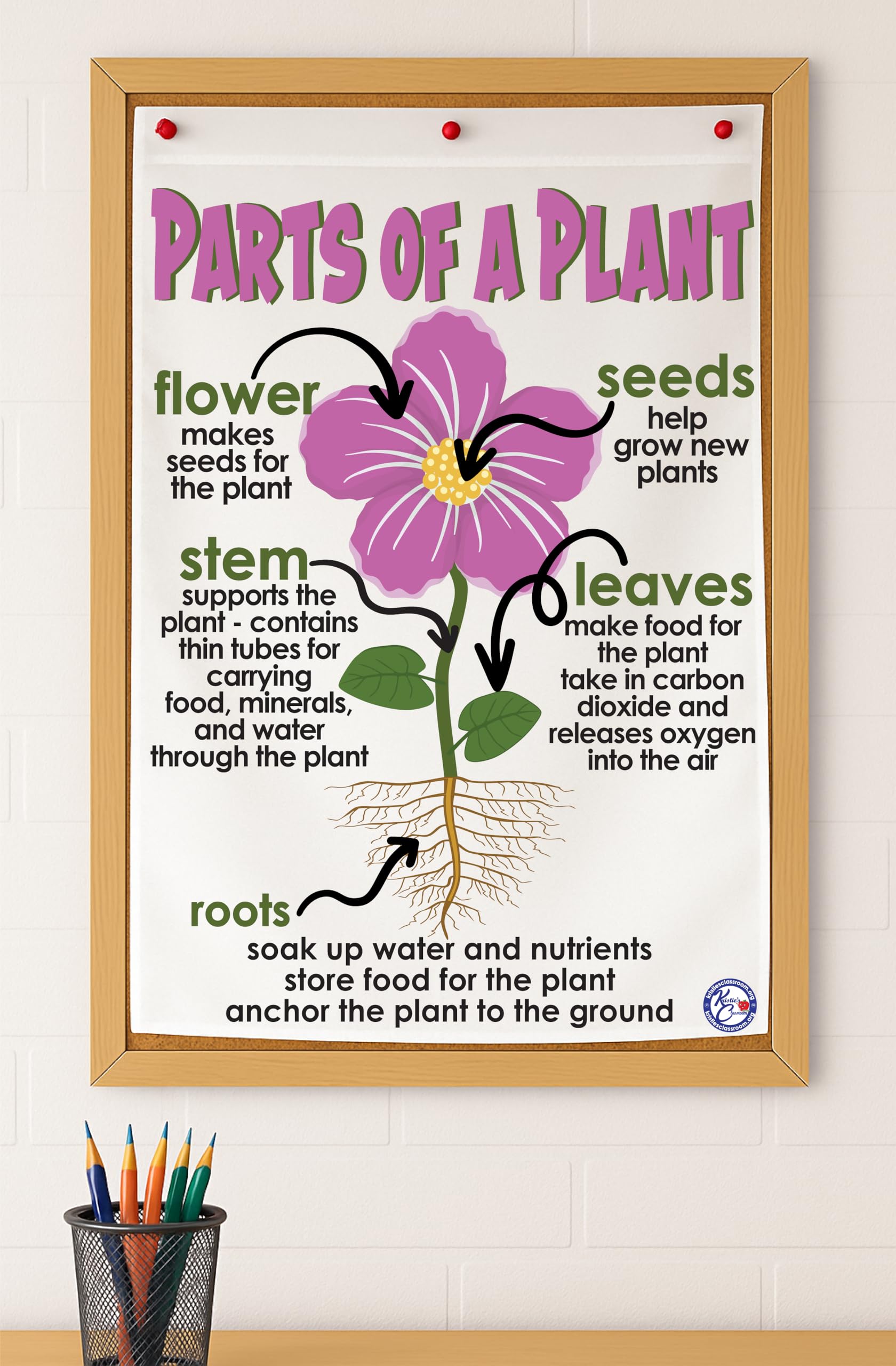
People often think flowers make food because they look bright and colorful. Flowers help with reproduction but do not make food. Food is made mainly in green leaves using sunlight.
| Plant Part | Role in Food Making |
| Roots | Absorb water and minerals, no food production |
| Leaves | Main food makers through photosynthesis |
| Flowers | Help reproduction, no food production |
Credit: www.amazon.com
Frequently Asked Questions
Which Plant Part Is Responsible For Making Food?
The leaves are the main part that makes food in plants. They use sunlight, water, and carbon dioxide in photosynthesis to produce glucose, which feeds the plant.
How Do Leaves Make Food For Plants?
Leaves capture sunlight using chlorophyll. They combine sunlight with water and carbon dioxide to create glucose. This process is called photosynthesis, which produces food for the plant.
Why Are Chloroplasts Important In Food Production?
Chloroplasts contain chlorophyll, which absorbs sunlight. They convert light energy into chemical energy during photosynthesis. This energy helps create glucose, the plant’s food source.
Can Other Plant Parts Make Food Besides Leaves?
Primarily, leaves make food. However, some green stems can perform photosynthesis too. Roots and flowers typically do not produce food for the plant.
Conclusion
The leaves make food for the plant through photosynthesis. They use sunlight, water, and air to create energy. This food helps the plant grow and stay healthy. Roots and stems support the process but do not make food. Understanding this helps us appreciate how plants survive.
Plants are amazing living things, working quietly every day. Next time you see a green leaf, remember its important job. Plants keep our world alive and green. Simple yet powerful.