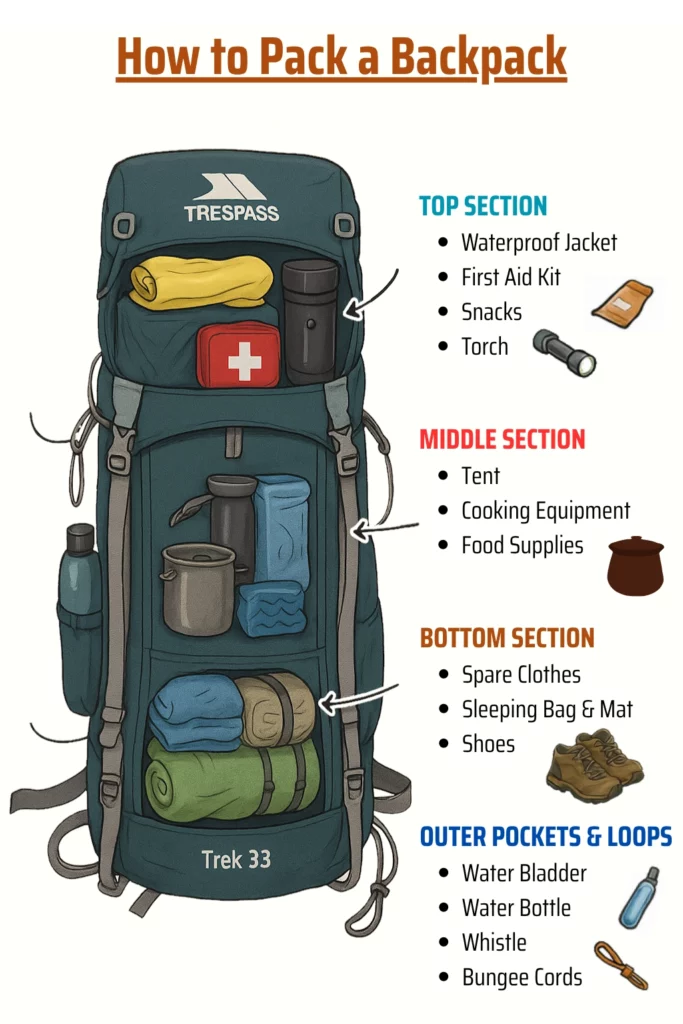
Packing for a hike can make or break your outdoor adventure. Imagine reaching your favorite trail and realizing you forgot something important—frustrating, right?
You want to enjoy every step without worrying about what you left behind. In this guide, you’ll discover simple, smart ways to pack your hiking bag so you stay safe, comfortable, and ready for anything. Keep reading, and you’ll learn how to pack like a pro, making your next hike your best one yet.

Credit: www.sport-conrad.com
Choosing The Right Backpack
Packing for hiking starts with picking the right backpack. The right bag makes your trip easier and more comfortable.
Focus on size, features, and how it carries weight. These factors help you enjoy the hike without pain or trouble.
Backpack Size And Fit
Choose a backpack size based on how long your hike will be. Small packs work for day trips. Larger packs fit overnight trips.
Fit matters. The backpack should rest comfortably on your hips. Look for adjustable straps to match your body shape.
| Trip Length | Backpack Size (Liters) | Notes |
|---|---|---|
| Day Hike | 15-30 L | Carry light essentials only |
| Weekend Trip | 30-50 L | Enough space for clothes and food |
| Multi-day Trip | 50-70+ L | Room for sleeping bags and gear |
Features To Look For
Choose a backpack with useful features. These make packing easier and keep your items safe.
- Multiple compartments for organization
- Water-resistant material
- Sturdy zippers and buckles
- Comfortable padded shoulder straps
- Hip belt for extra support
- External loops for tools or trekking poles
Weight Distribution
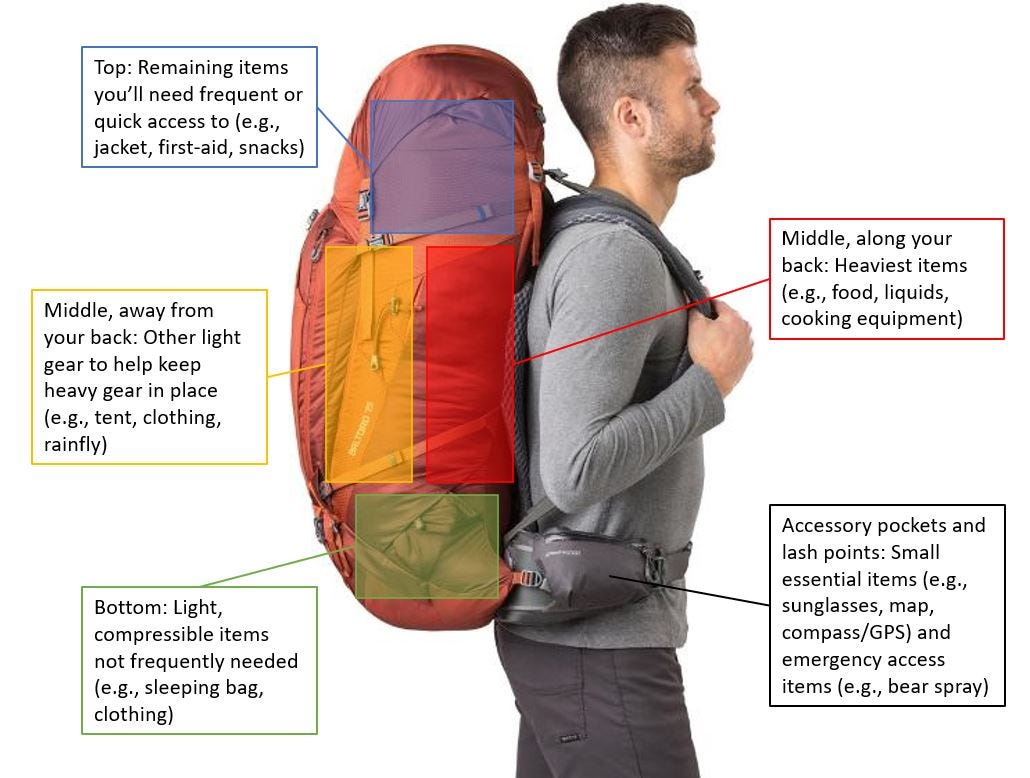
Good weight distribution helps reduce back pain. Pack heavy items close to your back and center of gravity.
Keep these tips in mind:
- Place heavy gear near your spine and between shoulder blades.
- Fill the bottom with lighter items like clothes.
- Use compression straps to tighten the load.
- Adjust shoulder and hip straps to balance the pack.
Credit: pangolinswithpacks.com
Clothing Essentials
Packing the right clothes is key for a safe hiking trip. Weather can change fast on trails. Wearing the right layers keeps you warm and dry.
Choosing good materials and footwear helps you stay comfortable. This guide covers layering, fabric choices, and shoe tips.
Layering For Weather Changes
Use layers to adjust your clothing as the temperature shifts. Start with a base layer that moves sweat away from your skin. Add an insulating layer for warmth. Top with a shell layer to block wind and rain.
- Base layer: lightweight and moisture-wicking
- Insulating layer: fleece or down jacket
- Shell layer: waterproof and breathable jacket
- Extra socks and gloves for cold weather
Materials That Work Best
Pick fabrics that dry quickly and keep heat. Avoid cotton because it traps moisture. Wool and synthetic fabrics are better choices for hiking.
| Material | Features |
| Merino Wool | Warm, odor-resistant, dries fast |
| Polyester | Lightweight, moisture-wicking, durable |
| Nylon | Strong, quick-drying, wind-resistant |
| Cotton | Comfortable but holds moisture, avoid |
Footwear Tips
Your hiking shoes must fit well and support your feet. Choose boots with good grip for rough paths. Break in new shoes before your hike to avoid blisters.
- Waterproof hiking boots or shoes
- Comfortable socks that wick moisture
- Extra insoles for added support
- Gaiters to keep debris out
Food And Hydration
Packing food and water is important for hiking. You need energy and hydration on the trail.
Plan your meals and drinks carefully. This helps you stay strong and safe during your hike.
Packing Lightweight Snacks
Choose snacks that are easy to carry. They should give you energy without adding much weight.
Look for snacks with protein and carbs. These will keep you going during your hike.
- Trail mix with nuts and dried fruits
- Granola bars or energy bars
- Beef jerky or vegan jerky
- Whole grain crackers
Water Storage Options
Carrying enough water is crucial. Choose the right water storage for your hike.
Consider how long your hike is. Carry enough water for the entire trip.
- Water bottles are easy to refill
- Hydration bladders fit in backpacks
- Collapsible water bottles save space
Staying Hydrated On The Trail
Drink water regularly while hiking. This prevents dehydration and keeps you feeling good.
Listen to your body. Drink when you feel thirsty and take small sips often.
- Drink a cup of water every hour
- Carry electrolyte tablets for longer hikes
- Use a water filter for natural sources
Navigation Tools
Good navigation tools keep you safe on hiking trips. You need to find your way and avoid getting lost.
There are different tools you can carry. Each tool helps in a special way.
Maps And Compass
A paper map shows the land and trails. A compass points to the north. Together, they help you find your direction.
- Learn to read a topographic map before your hike
- Use the compass to check your heading
- Keep the map dry in a plastic cover
- Mark your starting point and key spots
Using Gps Devices
GPS devices use satellites to show your exact location. They can guide you with routes and waypoints.
| Feature | Benefit |
| Real-time location | Know exactly where you are |
| Route tracking | Follow planned paths easily |
| Waypoint setting | Mark important spots like campsites |
| Battery powered | Needs spare batteries or charger |
Backup Plans
Technology can fail. Always have a backup plan for navigation.
Keep these backup ideas in mind:
- Carry a spare paper map and compass
- Tell someone your route before hiking
- Learn basic navigation skills by heart
- Stay on marked trails to avoid getting lost
- Have a whistle to signal for help
Safety And Emergency Gear
Packing the right safety and emergency gear is key for hiking trips. It helps you stay safe if things go wrong.
Always prepare for unexpected events by carrying essential items. These can protect you and others in emergencies.
First Aid Kit Essentials
A first aid kit helps you treat minor injuries while hiking. It should be small but include important supplies.
Carry bandages, antiseptic wipes, pain relievers, and tweezers. Also include allergy medicine and any personal medication.
- Adhesive bandages in various sizes
- Antiseptic wipes or solution
- Gauze pads and medical tape
- Tweezers for removing splinters
- Pain relief tablets like ibuprofen
- Antihistamines for allergic reactions
- Any personal prescription medicines
Emergency Shelter
Emergency shelter protects you from bad weather. It can keep you warm and dry if you get stuck outside.
Lightweight options include space blankets or small tents. They take little room but offer good protection from wind and rain.
- Mylar space blanket or bivvy sack
- Lightweight emergency tent or tarp
- Extra layers or rain poncho
- Compact sleeping bag or insulated pad
Communication Devices
Communication devices help you call for help if needed. They are vital in areas without phone signal.
Cell phones work well in many places. Consider a whistle, a satellite messenger, or a personal locator beacon for remote trails.
- Fully charged cell phone with power bank
- Whistle for signaling others
- Satellite messenger for remote areas
- Personal locator beacon for emergencies
Camping And Sleeping Gear
Packing the right camping and sleeping gear helps you rest well outdoors. It keeps you safe and comfortable during your hike.
Choosing the best equipment can make your trip easier and more enjoyable. Focus on items that suit your needs and weight limits.
Choosing A Tent Or Hammock
Select a tent or hammock based on the weather and terrain. Tents offer more protection, while hammocks are lighter and easier to set up.
- For rainy or cold weather, pick a sturdy tent with rainfly.
- Use a hammock if trees are available and you want to travel light.
- Check the weight and packed size before buying.
- Make sure the tent or hammock fits your group size.
Sleeping Bags And Pads
Choose sleeping bags and pads that match the season and temperature. A good sleeping bag keeps you warm without adding too much weight.
| Type | Temperature Rating | Weight |
| Down Sleeping Bag | -10°C to 5°C | Light |
| Synthetic Sleeping Bag | 0°C to 10°C | Medium |
| Sleeping Pad | N/A | Light to Medium |
Packing Light And Compact
Packing light helps you hike longer and feel less tired. Choose gear that is small and easy to carry.
- Use stuff sacks to compress sleeping bags and clothes.
- Pick multi-use items to reduce the number of things you carry.
- Weigh your gear before the trip to avoid extra load.
- Keep essentials accessible in your backpack pockets.
Personal Care Items
Packing personal care items is important for a safe and comfortable hiking trip. These items help you stay clean and healthy outdoors.
Focus on essentials that protect your skin and keep you fresh during your hike. Choose lightweight and compact items to save space.
Sun Protection
Sun protection shields your skin from harmful UV rays. It lowers the risk of sunburn and skin damage while hiking.
Bring sunscreen with at least SPF 30. Apply it to all exposed skin before hiking and reapply every two hours or after sweating.
- Broad-spectrum sunscreen (SPF 30 or higher)
- Wide-brimmed hat to protect your face
- Sunglasses with UV protection
- Lightweight, long-sleeve clothing
Insect Repellent
Insect repellent helps keep bugs and ticks away. It reduces the chance of bites and insect-related illnesses.
Choose a repellent with DEET or natural alternatives like citronella. Apply it on exposed skin and clothing before your hike.
- DEET-based or natural insect repellent
- Wear long pants and sleeves
- Check for ticks after hiking
- Use permethrin spray on clothes if possible
Hygiene Basics
Good hygiene keeps you healthy and comfortable on the trail. Pack simple items to clean your hands and face.
Bring biodegradable soap and hand sanitizer. Carry a small towel or wet wipes to freshen up during breaks.
- Biodegradable soap for washing
- Hand sanitizer for quick cleaning
- Wet wipes or small towel
- Toothbrush and toothpaste for longer trips
Packing Techniques
Packing for hiking requires smart techniques to keep your load comfortable. Good packing helps you carry everything you need without strain.
Organizing gear well and balancing weight can make your hike easier. You also want to keep important items easy to reach.
Organizing Your Gear
Sort your gear by type and use before packing. Group clothes, food, and tools separately to avoid confusion.
Use packing cubes or stuff sacks to keep items tidy. This saves space and helps find things quickly.
- Pack clothes in one sack
- Keep cooking gear together
- Store electronics in a small pouch
- Use dry bags for wet or dirty items
Balancing Weight
Distribute weight evenly to avoid back pain and fatigue. Place heavy items close to your back and in the middle of the pack.
Keep lighter items at the top and sides. This balance helps with stability on uneven trails.
- Heavy gear near your spine
- Medium weight items around heavy gear
- Light items on top and outer pockets
- Avoid putting all weight on one side
Keeping Essentials Accessible
Pack items you need often in easy-to-reach spots. This saves time and keeps you prepared during the hike.
Use outer pockets or the top compartment for essentials like snacks, maps, and first aid kits.
- Keep water bottles in side pockets
- Store snacks in front pockets
- Place first aid kit near the top
- Keep rain gear handy for quick use

Credit: www.macpac.co.nz
Frequently Asked Questions
What Essentials Should I Pack For A Day Hike?
Pack water, snacks, a first aid kit, map, and weather-appropriate clothing. Include sunscreen, a hat, and a flashlight. Keep your pack light but prepared for emergencies.
How Do I Pack A Backpack For Hiking Efficiently?
Place heavy items close to your back and center. Distribute weight evenly to maintain balance. Use compartments to organize gear for easy access during the hike.
What Clothing Is Best For Hiking Packing?
Choose moisture-wicking, breathable layers for comfort. Include a waterproof jacket and sturdy hiking boots. Avoid cotton; opt for synthetic or wool materials to stay dry and warm.
How Much Water Should I Carry For Hiking?
Carry at least two liters for a half-day hike. Increase water for longer trips and hot weather. Use hydration packs or bottles for easy access.
Conclusion
Packing well makes hiking trips safer and more fun. Choose items that suit the weather and trail. Keep your backpack light but include essentials like water, food, and first aid. Organize gear for easy access during the hike. Check your list before you leave to avoid forgetting anything.
Good preparation helps you enjoy nature without worry. Start small, learn from each trip, and improve your packing skills. Happy hiking!