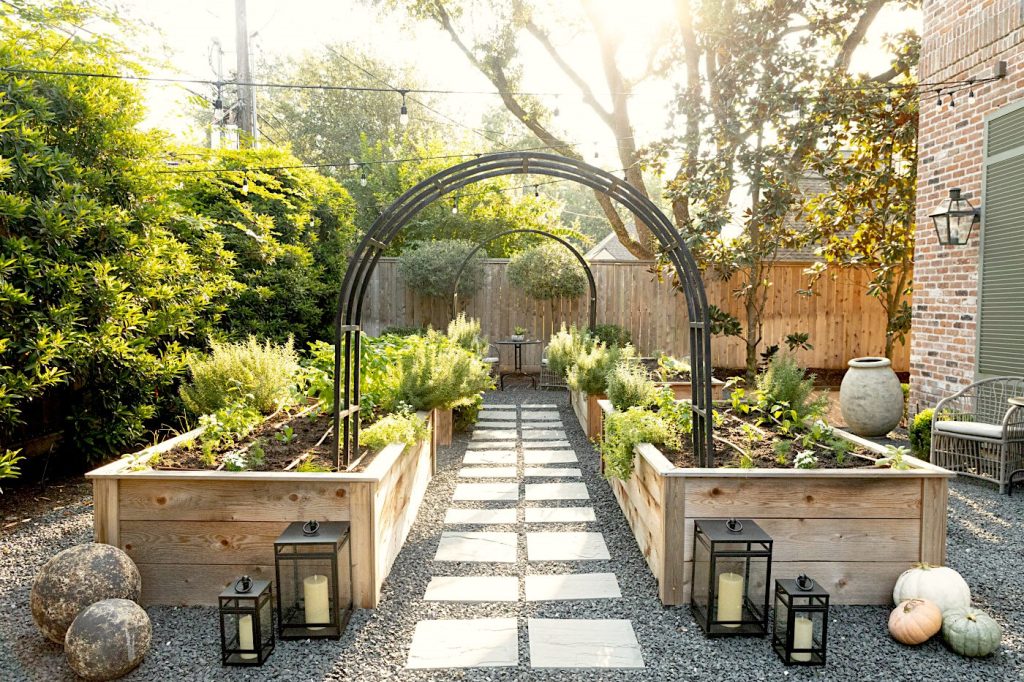
Are you ready to make your raised garden beds last longer and grow healthier plants? Choosing the right lining for your raised beds can make all the difference.
It protects your wood, keeps pests away, and helps control moisture. But with so many options out there, how do you know what’s best for your garden? Keep reading, and you’ll discover simple, practical solutions that fit your needs and help your garden thrive like never before.
Benefits Of Lining Raised Beds
Lining raised garden beds helps keep soil healthy and plants strong. It adds extra protection to your garden space.
Using a liner can improve how your garden grows by managing water, pests, and soil better.
Improved Soil Retention
Liners keep soil from washing away during rain or watering. This helps plants get the nutrients they need. Soil stays in place and supports roots well.
Enhanced Drainage
Good drainage stops water from pooling around roots. Liners can help water flow out while holding soil inside. This keeps plants healthy and prevents root rot.
- Allows excess water to escape
- Prevents soil from becoming waterlogged
- Maintains proper moisture levels
- Supports strong root growth
Protection From Pests
A liner forms a barrier that stops pests like insects and burrowing animals from entering the bed. This lowers the chance of plant damage and loss.
Increased Durability
Lining raised beds protects wood or other materials from moisture and soil contact. This helps the bed last longer and stay strong.
| Material | Benefit from Lining |
| Wood | Prevents rot and decay |
| Metal | Reduces rust and corrosion |
| Plastic | Protects from UV damage |
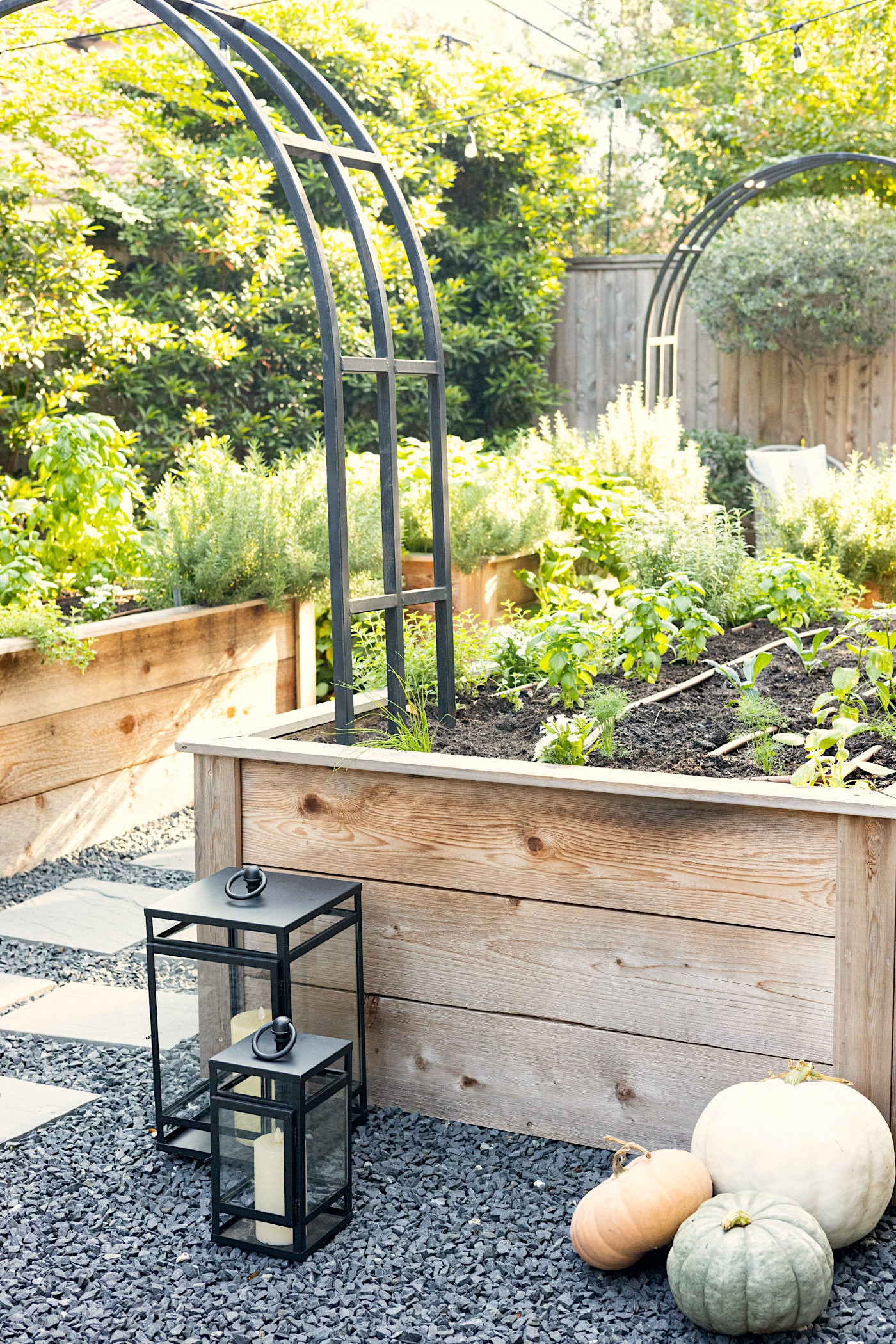
Credit: www.gardenary.com
Common Lining Materials
Lining raised garden beds helps control weeds and keeps soil in place. It also protects the wood from moisture damage.
Several materials work well for lining. Each has pros and cons depending on your garden needs.
Landscape Fabric
Landscape fabric is a popular choice for lining raised beds. It lets water drain while blocking weeds.
This fabric is easy to cut and install. It also lasts for many growing seasons if kept covered with soil.
Plastic Sheeting
Plastic sheeting blocks water and weeds completely. It helps keep wood dry but stops soil drainage.
Use plastic if you add drainage holes or a layer of gravel under the soil. This prevents water from pooling.
- Blocks water and weeds
- Needs drainage holes
- Protects wood from moisture
Pond Liner
Pond liners are heavy-duty plastic sheets made for water retention. They are strong and durable for raised beds.
They keep moisture in the soil and protect the bed frame well. Cut pond liners to fit the bed size exactly.
- Very durable and waterproof
- Good for moisture retention
- Needs careful fitting and cutting
Cardboard And Newspaper
Cardboard and newspaper are natural and biodegradable lining options. They block weeds and add nutrients as they break down.
Use several layers for better weed control. They are cheap but need replacing after a year or two.
- Natural and biodegradable
- Blocks weeds well
- Needs yearly replacement
Natural Vs Synthetic Options
Choosing the right liner for your raised garden beds is important. You can select from natural or synthetic materials.
Each type has its own benefits. Understanding these will help you decide which is best for your garden.
Biodegradable Choices
Biodegradable liners break down over time. They are made from natural materials like burlap or newspaper.
These liners enrich the soil as they decompose. They are safe for plants and the environment.
- Burlap is a strong, natural fabric.
- Newspaper is cheap and accessible.
- Cardboard can also be used.
Long-lasting Materials
Synthetic liners are durable. They last longer than natural ones and provide strong protection.
These are made from materials like plastic or landscape fabric. They prevent weeds and help retain soil moisture.
- Plastic liners are waterproof.
- Landscape fabric is breathable.
- Rubber is another strong option.
Environmental Impact
Natural liners have a low environmental impact. They decompose naturally and do not harm the soil.
Synthetic liners, however, can take years to break down. They may contribute to plastic waste.
| Biodegradable | Low impact |
| Synthetic | Long decomposition |
Material Selection Tips
Choosing the right material to line raised garden beds affects plant health and bed durability. Different materials suit different needs.
Think about soil type, climate, and the kinds of plants you want to grow. These factors guide the best lining choice.
Soil Type Considerations
Soil texture and drainage impact what lining material works best. Clay soils hold water, so breathable liners help.
- Sandy soil needs liners that keep moisture in.
- Clay soil benefits from liners that allow excess water to drain.
- Loamy soil is balanced and works well with most liners.
Climate Factors
Climate affects material durability and soil conditions inside the bed. Hot or wet climates need different liners.
| Climate | Recommended Material | Reason |
| Hot and dry | Plastic liners | Keep moisture from evaporating |
| Wet and rainy | Breathable fabric liners | Prevent waterlogging |
| Cold | Wood or insulated liners | Protect roots from freezing |
Plant Types And Roots
Different plants have different root systems. Choose a liner that matches root depth and growth habits.
- Shallow-rooted plants do well with thin liners.
- Deep-rooted plants need thick, durable liners to prevent root damage.
- Vining plants may require liners that allow roots to grow outside the bed.
Installation Best Practices
Lining raised garden beds helps protect the wood and soil. It also keeps weeds and pests away. Proper installation makes the liner last longer.
Follow simple steps to prepare the bed, secure the liner, and avoid common mistakes. This guide makes the process easy and effective.
Preparing The Bed
Clear the area inside the raised bed of rocks, roots, and debris. Smooth the soil surface to avoid damaging the liner.
Check the bed’s walls for sharp edges or splinters. Sand or cover these spots to protect the liner from tears.
- Remove stones and sticks
- Level the soil
- Fix rough edges on bed walls
Securing The Liner
Choose a liner made of durable, non-toxic material safe for plants. Cut the liner to fit inside the bed with some overlap on the edges.
Attach the liner to the bed walls using staples, nails, or clips. Keep the liner tight to avoid folds where water can collect.
- Use safe, sturdy liners like heavy plastic or pond liner
- Cut liner slightly larger than the bed
- Fasten liner firmly along the top edge
- Ensure no gaps or loose areas
Avoiding Common Mistakes
Do not use liners with harmful chemicals that can hurt plants. Avoid liners that block water drainage completely.
Do not leave gaps between the liner and bed walls. Avoid folding or wrinkling the liner as this causes damage over time.
- Check liner material is plant-safe
- Make sure drainage holes are present
- Keep liner smooth and tight
- Cover exposed liner edges to prevent sun damage
Maintenance And Replacement
Raised garden beds often use liners to protect the wood and soil. Proper care helps these liners last longer. Checking liners regularly prevents problems.
This guide covers how to check liners for wear, when to replace them, and ways to extend their lifespan.
Checking For Wear
Look at your garden bed liners every few months. Check for tears, holes, or cracks. These can let soil escape or allow water to damage the wood.
Also, watch for mold or mildew buildup on the liner. This may weaken the material over time.
- Inspect liner edges for damage
- Feel for soft or brittle spots
- Look for soil leaking through
- Check for water pooling inside the bed
When To Replace Liners
Replace liners if you see large holes or rips. If the liner no longer keeps soil in place, it is time for a new one. Water damage or rotting wood may also mean replacement is needed.
If mold or mildew spreads and cleaning does not help, replace the liner to keep plants healthy.
- Large tears or holes
- Soil leaking from the bed
- Wood under liner rotting
- Persistent mold or mildew
Extending Liner Lifespan
Keep liners clean by removing debris and drying them after heavy rain. Avoid sharp tools near the liner to prevent cuts. Use high-quality liners that resist UV rays and water damage.
Adding a layer of landscaping fabric between soil and liner can reduce wear. Proper drainage also helps liners last longer by stopping water buildup.
- Clean liners regularly
- Dry liners after rain
- Use protective landscaping fabric
- Avoid sharp tools near liner
- Ensure good drainage in beds
- Choose durable liner materials
Cost Comparison Of Materials
Choosing the right material to line raised garden beds affects both cost and durability. Different options have varying prices and benefits.
This guide breaks down the costs to help you decide which lining fits your budget and needs best.
Initial Investment
The first cost to consider is how much you spend to buy and install the lining material. Some materials are cheap upfront but may not last.
| Material | Average Cost per Square Foot |
|---|---|
| Plastic Sheeting | $0.10 – $0.30 |
| Landscape Fabric | $0.20 – $0.50 |
| Rubber Liner | $0.50 – $1.00 |
| Cedar Wood Liner | $1.00 – $3.00 |
| Metal Liner | $2.00 – $5.00 |
Long-term Value
Some materials cost more at first but last longer. This lowers replacement costs over time.
- Plastic sheeting breaks down in a few years.
- Landscape fabric lasts about 3 to 5 years.
- Rubber liners can last 10 years or more.
- Cedar wood resists rot for 5 to 10 years.
- Metal liners are the most durable and can last decades.
Budget-friendly Options
If you want to save money, some materials offer a balance between cost and durability.
- Plastic sheeting is the cheapest but may need replacement sooner.
- Landscape fabric costs a bit more but improves drainage.
- Recycled materials can cut costs and reduce waste.
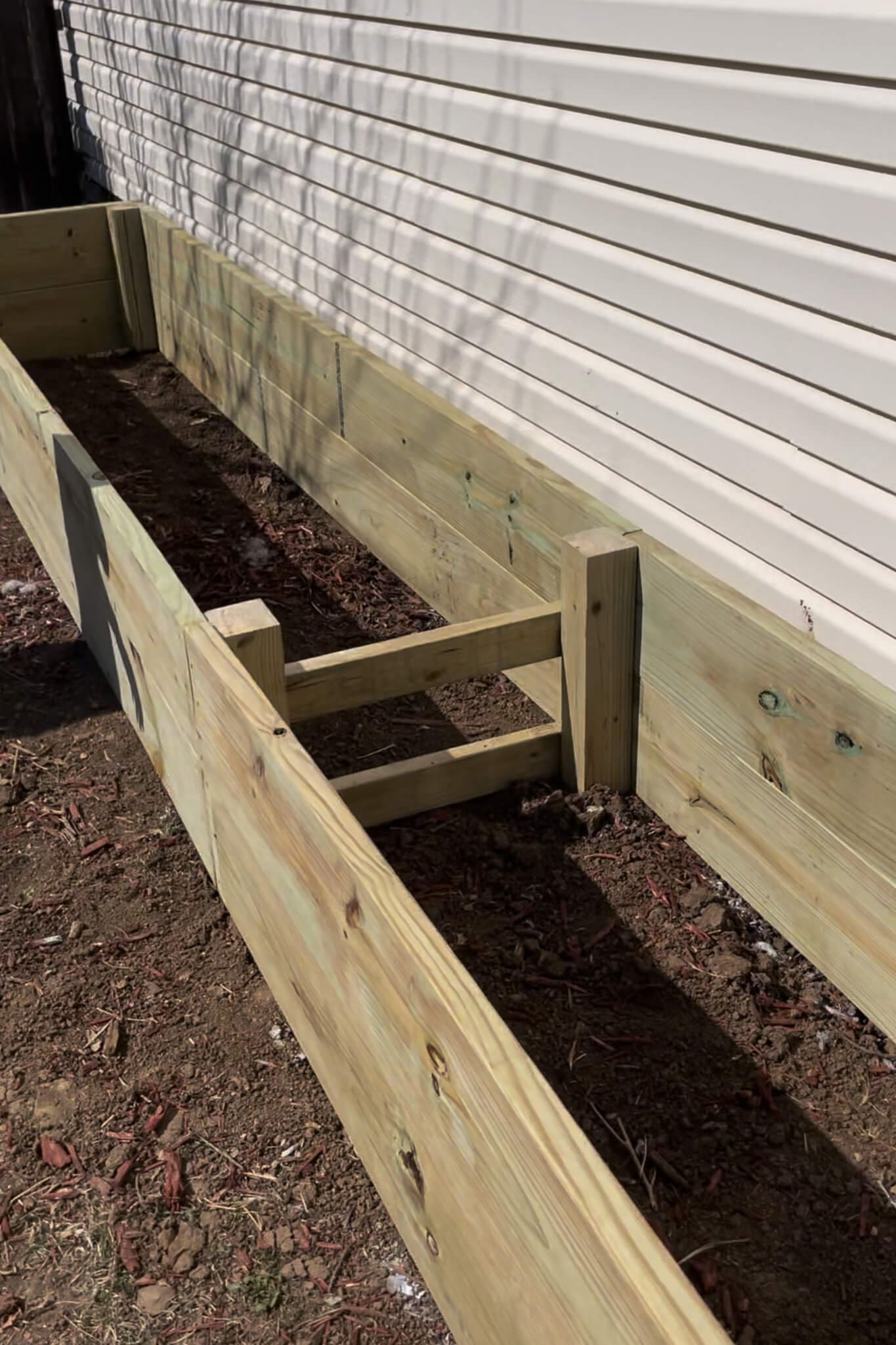
Credit: crystelmontenegrohome.com

Credit: www.reddit.com
Frequently Asked Questions
What Materials Are Best To Line Raised Garden Beds?
The best materials include landscape fabric, plastic liners, and cardboard. These prevent weeds, retain moisture, and protect wood. Choose breathable options like landscape fabric to avoid water buildup and root rot, ensuring healthy plant growth in raised garden beds.
Can Plastic Liners Harm Plant Roots In Raised Beds?
Plastic liners can restrict airflow and trap water, causing root rot. Use breathable liners like landscape fabric instead. If using plastic, add drainage holes to prevent waterlogging and ensure roots receive enough oxygen for healthy development.
Why Use Landscape Fabric In Raised Garden Beds?
Landscape fabric blocks weeds while allowing water and air to pass through. It prevents soil erosion and improves drainage. Using fabric extends the life of your garden bed and promotes healthier plant roots by maintaining proper moisture levels.
Is It Necessary To Line Wooden Raised Garden Beds?
Lining wooden beds protects wood from moisture and soil contact, extending lifespan. It also prevents harmful chemicals from leaching into soil. Using liners like plastic or landscape fabric helps maintain bed structure and creates a healthier growing environment.
Conclusion
Choosing the right lining for raised garden beds protects your soil and plants. Materials like landscape fabric, plastic, or wood help keep moisture in and pests out. Think about your garden’s needs and local climate before deciding. A good liner makes gardening easier and healthier.
Small steps now lead to better growth later. Start with simple options and adjust as you learn. Your raised beds will thank you with strong, happy plants. Gardening becomes more enjoyable with the right foundation.