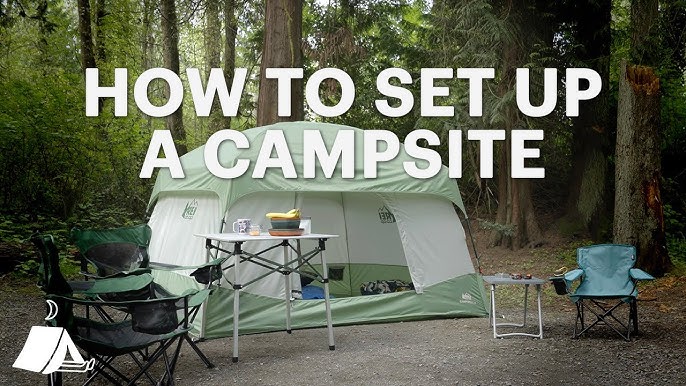
Have you ever wondered if you can pitch your tent at an RV site? Whether you’re new to camping or just looking for a different experience, this question might be on your mind.
Imagine setting up your tent in a spot usually meant for big, shiny RVs—what are the rules, and is it even allowed? You might be surprised by the answers. Keep reading to find out how you can enjoy your tent camping while making the most of an RV site, and what you need to know before you set up camp.
Tent Camping At Rv Sites
Tent camping in RV sites is possible but different from regular tent sites. Many campgrounds allow it with some rules.
This guide explains how tent camping works at RV spots. It covers key differences and common rules you should know.
Differences Between Tent And Rv Sites
RV sites are built for larger vehicles with hookups and extra space. Tent sites usually focus on smaller areas for tents only.
| Feature | RV Site | Tent Site |
| Space Size | Large, for vehicles and tents | Small, for tents only |
| Utilities | Electric, water, sewer hookups | Usually none |
| Surface | Gravel, pavement, or dirt | Grass or dirt |
| Privacy | Less, close to neighbors | More, spaced apart |
Common Rules For Tent Camping In Rv Spots
Campgrounds set rules to keep everyone safe and happy. Tent campers in RV spots must follow these rules closely.
- Only use designated tent areas if available within the RV site.
- Keep your tent inside the marked pad space.
- Respect quiet hours and keep noise low.
- Do not block roads or utility hookups.
- Use campground fire rings or grills safely.
- Dispose of trash in provided containers.
- Follow campground check-in and check-out times.
Choosing The Right Rv Site For Tents
Tent camping at an RV site can be a great way to enjoy the outdoors. Choosing the right site makes your trip safe and fun.
Look for places that fit your tent and give you easy access to needed facilities. Think about the land, space, and quietness.
Site Size And Terrain
Pick a site with enough room for your tent and gear. Flat ground is best to keep your tent stable and dry. Avoid rocky or sloped areas that can make sleeping hard.
- Space for tent and extra gear
- Flat, firm ground
- Good drainage to avoid puddles
- Clear of large rocks and roots
Access To Amenities
Check how close the site is to toilets, water, and trash bins. These make your stay easier. Being near an RV hookup is not needed but useful for charging devices.
| Amenity | Why It Matters |
| Restrooms | Comfort and hygiene |
| Water supply | Drinking and cooking |
| Trash bins | Keep site clean |
| Electric hookup | Charge gadgets |
Privacy And Noise Considerations
Find a quiet spot away from busy roads and loud groups. Privacy helps you relax and enjoy nature. Trees and bushes can give good cover.
- Choose sites with natural barriers
- Avoid spots near playgrounds or common areas
- Camp away from main roads and parking
- Respect quiet hours set by the campground
Booking Tips For Tent Campers
Tent camping in an RV site can be a great experience. It offers more space and often better amenities. Here are some tips to help you book an RV site for tent camping.
These tips will guide you through the reservation process, the best times to book, and how to communicate with campground staff.
How To Reserve An Rv Site For Tent Use
Check if the campground allows tents in RV sites. Some campgrounds have restrictions. It’s important to confirm before making a reservation.
Use online booking systems to find available RV sites. Many campgrounds offer this service. It helps you see which sites are open and when.
- Visit the campground’s website.
- Check their policies on tent camping in RV sites.
- Book through the online system or call the office.
Best Times To Book
Booking early is key for popular campgrounds. Summer months and holiday weekends fill up fast. Plan your trip and reserve your spot well in advance.
Consider mid-week stays for better availability. Fewer people camp during these times. You might find more open RV sites.
- Book months ahead for summer trips.
- Check availability during weekdays.
- Avoid peak holiday weekends if possible.
Communicating With Campground Staff
Contact the campground staff directly for specific questions. They can provide information not available online. This includes site sizes and amenities.
Be clear about your needs when speaking with staff. Explain that you are tent camping in an RV site. This ensures they understand your requirements.
- Call or email the campground for detailed info.
- Ask about any additional costs for tents.
- Verify the facilities available at the RV site.

Credit: www.quebecmaritime.ca
Setting Up Your Tent At An Rv Site
Camping with a tent at an RV site can be a fun way to enjoy the outdoors. You get the space and amenities of an RV spot with the simple feel of tent camping.
Before you set up your tent, it is important to plan the space and use the hookups safely. Also, organize your campfire and cooking area carefully.
Optimizing Space And Layout
Find a flat area that is clear of rocks and roots to place your tent. Keep your tent away from the RV’s main path to avoid blocking access.
- Set the tent on level ground for comfort and safety.
- Keep some space between your tent and the RV to reduce noise and light disturbance.
- Place your gear near the tent entrance for quick access.
- Use a tarp under your tent to protect it from moisture.
- Arrange chairs and tables so they don’t block walkways.
Using Rv Hookups Safely
RV sites have electrical, water, and sewage hookups. When tent camping, you can use some hookups but must do so safely.
| Hookup Type | Use Tips |
| Electricity | Use outdoor-rated extension cords. Keep cords dry and away from walkways. |
| Water | Use a clean hose for drinking water. Avoid leaks near your tent. |
| Sewage | Do not connect tents to sewage hookups. |
Campfire And Cooking Setup
Set up your campfire and cooking area at a safe distance from your tent and the RV. Use fire rings or grills provided by the site.
- Clear all flammable materials around the fire area.
- Keep a bucket of water or a fire extinguisher nearby.
- Never leave the fire unattended.
- Make sure the fire is fully out before sleeping or leaving.
Pro Tips For A Great Tent Experience
Tent camping on an RV site can be a fun way to enjoy the outdoors. You get access to many RV site amenities while camping in a tent.
To make your trip safe and comfy, use some smart tips. These help you handle weather, wildlife, and staying cozy at night.
Managing Weather Challenges
Weather can change fast during camping. Be ready for rain, wind, or cold by picking the right spot and gear.
Choose a flat area with good drainage. Avoid low spots that collect water. Use a waterproof tent with a rainfly to stay dry.
- Check the weather forecast before you arrive
- Bring extra tarps to cover your tent or gear
- Secure your tent stakes firmly to handle wind
- Wear layers to adjust to temperature changes
Keeping Wildlife Away
Wildlife can visit RV sites, attracted by food or trash. Keep animals away by storing food safely and cleaning up well.
Use sealed containers or coolers to store food. Never leave food or trash inside your tent. Dispose of trash in designated bins quickly.
- Keep your cooking area clean and free of crumbs
- Use bear-proof bins if available on the site
- Do not feed wild animals or leave food scraps outside
- Store toiletries and scented items inside sealed bags
Staying Comfortable Overnight
Sleeping well makes camping better. Use the right sleeping gear and arrange your tent space smartly.
Bring a good sleeping pad or air mattress for cushion. Use a sleeping bag suited to the temperature. Keep your clothes and gear organized.
- Lay a groundsheet under your tent to protect from moisture
- Vent your tent to reduce condensation inside
- Keep a flashlight or headlamp handy for night use
- Wear dry clothes and use a warm hat while sleeping
Legal And Safety Considerations
Tent camping at an RV site can be a great experience. But it is important to know the rules and stay safe. This guide covers key legal and safety points to keep in mind.
Understanding campground policies, fire safety, and emergency plans helps you enjoy your trip without trouble.
Campground Policies And Permits
Most campgrounds have rules about tent camping on RV sites. These rules protect campers and the environment. Always check with the campground office before you set up your tent.
- Ask if tent camping is allowed on RV sites.
- Obtain any required permits or passes.
- Follow site size limits and location rules.
- Respect quiet hours and campground hours.
- Do not block roads or other campers’ access.
Fire Safety Rules
Fire safety is very important when tent camping at an RV site. Campfires and grills must follow strict rules to avoid accidents.
| Rule | Details |
| Fire Pits | Use designated fire pits only |
| Open Flames | Keep flames small and controlled |
| Extinguishing | Fully put out fires before leaving |
| Firewood | Use local firewood to prevent pests |
| Fire Bans | Follow all fire ban notices |
Emergency Preparedness
Be ready for emergencies by knowing the campground’s safety plans. This helps protect you and others in case of fire, injury, or bad weather.
- Locate the nearest emergency phone or ranger station.
- Keep a first aid kit and emergency supplies handy.
- Know the evacuation routes and meeting points.
- Inform someone about your camping plans and expected return.
Benefits And Drawbacks Of Tent Camping In Rv Sites
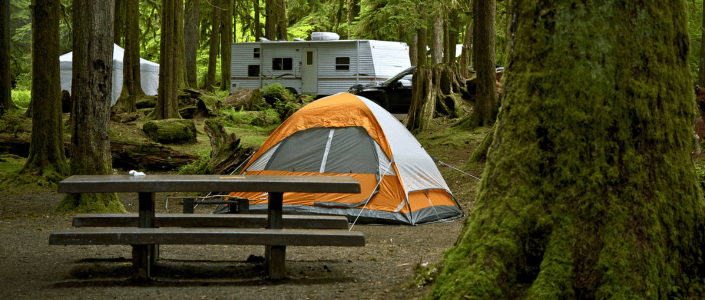
Tent camping in RV sites is an option for outdoor lovers who want to stay close to RV amenities. It allows campers to enjoy nature without owning an RV.
This guide explains the convenience, limits, and costs of tent camping on RV sites.
Convenience Factors
RV sites often have good facilities like electricity and water hookups. Tent campers can use these features to improve their stay.
Being near RVs means access to clean bathrooms, showers, and sometimes Wi-Fi. It can make camping easier and more comfortable.
- Access to power and water connections
- Use of clean restrooms and showers
- Often close to roads and parking areas
- Sometimes Wi-Fi and TV cable hookups available
Potential Limitations
Tent camping in RV sites may have rules that limit where you can pitch your tent. Some sites only allow tents in specific areas.
RV sites can be noisy due to generators and vehicle traffic. Tent campers may find less privacy and more disturbances than in tent-only campgrounds.
- Restricted tent locations in some RV parks
- Noise from RV engines and generators
- Limited privacy compared to tent campgrounds
- May require advance reservations or fees
Cost Comparison
Tent camping on RV sites often costs more than regular tent campgrounds. This is because of the extra amenities available.
Some RV parks charge the same fee for tents as for RVs. It is best to check prices before booking a tent spot on an RV site.
| Type of Site | Typical Cost per Night |
|---|---|
| Standard Tent Campground | $15 – $30 |
| Tent Spot in RV Site | $25 – $50 |
Credit: lancasterpa.com

Credit: www.baysidecampground.ca
Frequently Asked Questions
Can You Legally Tent Camp In An Rv Site?
Yes, many campgrounds allow tent camping in RV sites. However, rules vary by park, so check with the campground first.
Are Rv Sites Suitable For Tent Camping?
RV sites usually have hookups and flat ground, making them ideal for tents. They offer more amenities than regular tent sites.
Do Tent Campers Need Reservations For Rv Sites?
Reservations are often required, especially in busy seasons. Always book ahead to secure an RV site for tent camping.
What Amenities Do Rv Sites Offer Tent Campers?
RV sites often provide water, electricity, and sewage hookups. Tent campers benefit from these conveniences and more spacious areas.
Conclusion
Camping with a tent on an RV site can be a great choice. Many RV parks allow tents, but rules vary. Always check with the park before you go. Tent camping offers a different outdoor feel and can be more affordable.
It also gives you a chance to enjoy nature up close. Remember to follow site rules and respect other campers. This way, everyone has a safe and fun experience. Tent camping on an RV site brings a simple, peaceful way to enjoy the outdoors.