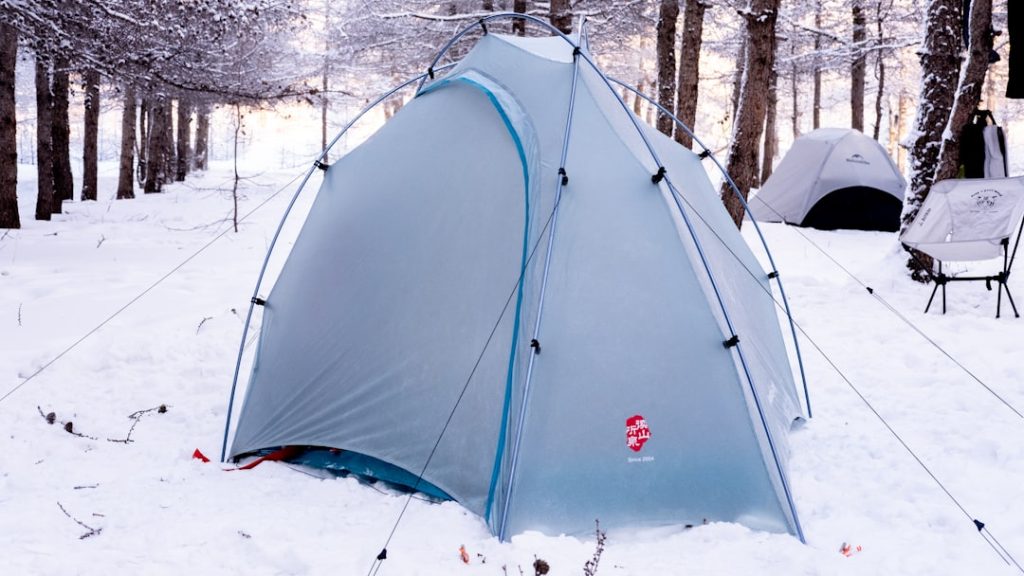
When the temperature drops and you’re camping outdoors, staying warm inside your tent becomes a top priority. But heating a tent comes with risks that you can’t ignore.
You want to be cozy, not in danger. So, how can you heat your tent safely without risking fire, carbon monoxide poisoning, or other hazards? This guide will show you practical, easy-to-follow tips to keep your tent warm and secure.
By the end, you’ll know exactly what to do to stay comfortable and protected on your next camping trip. Keep reading to learn how to make your tent a safe haven from the cold.
Choosing The Right Heater
Keeping warm inside a tent is important for comfort and safety. Choosing the right heater helps you stay cozy without risks. You must pick a heater that fits your tent size and conditions.
Many types of heaters exist. Each has benefits and safety needs. Learn about your options before using any heater in your tent.
Types Of Tent Heaters
Tent heaters come in several types. Some use electricity, others burn fuel. You can find catalytic, propane, or electric heaters. Each works differently to warm your space.
- Catalytic Heaters:Use a chemical reaction to produce heat. They run on propane and do not have open flames.
- Propane Heaters:Burn propane gas for heat. They give strong warmth but need ventilation.
- Electric Heaters:Plug into power sources. They are safe but need electricity access.
Portable Vs Fixed Heaters
Portable heaters move easily and fit small tents. Fixed heaters stay in one place and often heat larger areas. Your choice depends on tent size and how long you stay.
| Type | Use | Advantages | Disadvantages |
| Portable | Small tents, short trips | Lightweight, easy to carry | Less powerful, limited fuel |
| Fixed | Large tents, long stays | More heat output, durable | Heavy, needs installation |
Fuel Options And Availability
Heaters need fuel to work. Common fuels are propane, butane, and electricity. Pick fuel that is easy to find and store safely. Check local rules for fuel use in tents.
- Propane:Widely available and stores well. Good for cold, long trips.
- Butane:Works best in mild weather. Not ideal in very cold places.
- Electricity:Clean and safe. Requires a power source or battery.
Setting Up Heater Safely
Heating a tent requires careful planning. Using a heater inside a tent can be dangerous if not done right.
This guide explains how to set up your heater safely. Follow these tips to stay warm without risk.
Proper Ventilation
Good airflow is essential when heating a tent. It helps prevent carbon monoxide buildup and keeps air fresh.
Always keep a window or vent slightly open. This allows fresh air to enter and fumes to escape.
Safe Placement Inside Tent
Place the heater on a flat, stable surface to avoid tipping. Keep it away from sleeping bags and gear.
- Do not place the heater near tent walls.
- Keep at least 3 feet of space around the heater.
- Use a heat-resistant mat under the heater if possible.
- Ensure the heater is out of the way of foot traffic.
Avoiding Fire Hazards
Fire safety is key when using a heater inside a tent. Keep flammable items away and never leave the heater unattended.
| Fire Safety Tip | Reason |
| Keep heater away from fabric | Prevents catching fire |
| Use heaters with automatic shut-off | Stops heater if tipped |
| Turn off heater before sleeping | Reduces fire risk |
| Store fuel outside tent | Avoids fuel spills inside |
Alternative Heating Methods
Heating a tent safely is important for a comfortable camping trip. There are several ways to keep warm without using dangerous methods.
Explore these alternative heating methods to ensure a cozy and safe camping experience. Each method offers unique benefits to maintain warmth.
Using Hot Water Bottles
Hot water bottles are a simple way to provide heat. Fill them with hot water and place them in your sleeping bag before bed.
- Boil water using a camp stove.
- Carefully pour the hot water into the bottle.
- Seal the bottle tightly to prevent leaks.
- Wrap the bottle in a towel to avoid burns.
Thermal Blankets And Sleeping Bags
Thermal blankets and sleeping bags trap body heat. They are lightweight and easy to pack for any camping trip.
| Item | Benefits |
| Thermal Blanket | Lightweight, reflects body heat |
| Sleeping Bag | Insulated, retains warmth |
Campfire Heat Techniques
Campfires provide natural warmth. Position your tent safely to benefit from the heat while avoiding hazards.

Credit: www.reddit.com
Monitoring Temperature And Air Quality
Heating a tent safely requires close attention to temperature and air quality. Proper monitoring helps prevent accidents and keeps everyone comfortable.
Using devices and following safety tips can reduce risks of carbon monoxide poisoning and overheating inside your tent.
Using Carbon Monoxide Detectors
Carbon monoxide is a colorless gas that can build up when heating devices burn fuel. It is very dangerous and can cause illness or death.
Always place a carbon monoxide detector inside your tent when using heaters. Make sure it is working and has fresh batteries.
- Test the detector before use
- Keep the detector near sleeping areas
- Replace batteries regularly
- Follow manufacturer instructions carefully
Maintaining Airflow
Good airflow helps remove harmful gases and controls temperature. It keeps the tent environment safe and fresh.
| Airflow Tip | Reason |
|---|---|
| Open vents or windows slightly | Allows fresh air to enter |
| Use a low-heat heater designed for tents | Reduces risk of fire and gas buildup |
| Do not block air vents | Ensures continuous air circulation |
| Check for drafts but avoid strong winds inside | Prevents cold air from lowering temperature too much |
Signs Of Overheating Or Poor Air
Watch for warning signs that mean the tent is too hot or the air is bad. Respond quickly to keep everyone safe.
- Feeling dizzy, headache, or nausea
- Condensation buildup on tent walls
- Excessive sweating or heat discomfort
- Difficulty breathing or coughing
- Unusual smells or stuffy air
If you notice these signs, turn off heaters and open vents immediately. Leave the tent if symptoms worsen.
Emergency Preparedness
Heating a tent safely is key during emergencies. Knowing how to handle heat-related issues protects everyone inside.
Backup heating and clear evacuation plans help keep you safe. Preparation reduces risks in cold or dangerous weather.
First Aid For Heat-related Issues
Heat exhaustion and heat stroke can happen fast inside a tent. Watch for heavy sweating, weakness, or confusion.
- Move the person to a cooler place immediately.
- Remove extra clothing to help cool the body.
- Give small sips of water if they are awake and alert.
- Use a fan or wet cloth to cool the skin.
- Call for medical help if symptoms worsen or do not improve.
Backup Heating Options
Always have a safe backup heating source. Avoid open flames inside the tent to prevent fires and carbon monoxide poisoning.
| Heating Source | Safety Tips |
| Battery-powered heater | Use only as directed; keep away from flammable items. |
| Portable propane heater | Ventilate the tent well; never use while sleeping. |
| Hot water bottles | Fill with warm water; wrap in cloth to avoid burns. |
Evacuation Plans
Have an evacuation plan ready in case heating fails or the tent becomes unsafe. Know your exit routes and meeting points.
- Identify all exits from the tent area.
- Assign a meeting place outside the danger zone.
- Keep important supplies packed and easy to grab.
- Practice the plan with everyone regularly.
- Stay calm and move quickly if evacuation is needed.
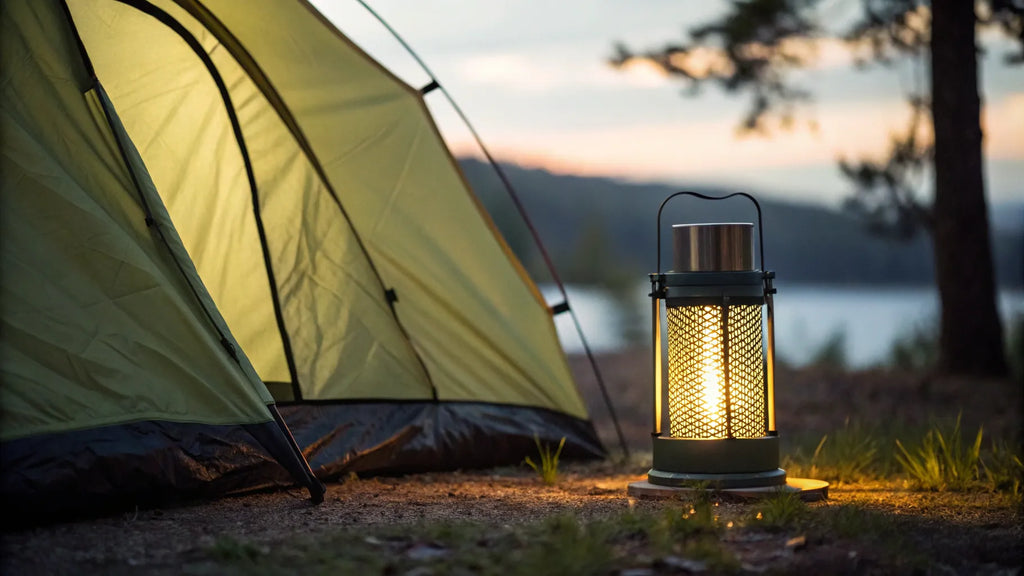
Credit: www.battlbox.com
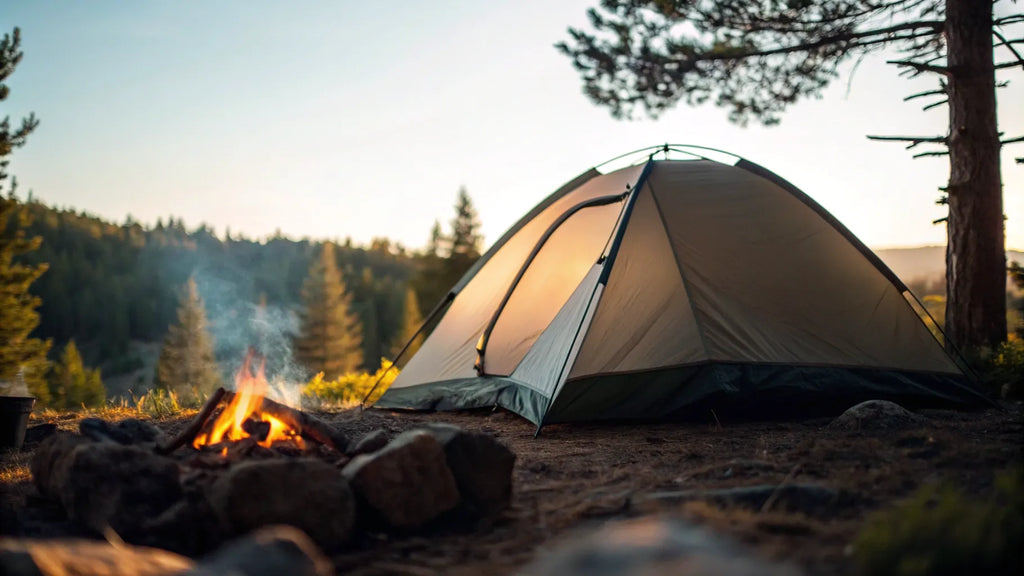
Credit: www.battlbox.com
Frequently Asked Questions
How Can I Heat A Tent Without Risking Fire?
Use safe heat sources like propane heaters with automatic shut-off. Keep heaters away from flammable materials. Always ventilate the tent to prevent carbon monoxide buildup.
What Is The Safest Portable Heater For Tents?
Catalytic heaters are safe for tents due to low flame and low oxygen use. They produce less carbon monoxide and are designed for indoor use.
How Do I Prevent Carbon Monoxide Poisoning In A Heated Tent?
Ensure proper ventilation by opening vents or windows slightly. Use only heaters designed for indoor use. Never leave heaters unattended while sleeping.
Can Electric Heaters Be Used Safely Inside Tents?
Electric heaters can be safe if designed for indoor use and powered by a reliable source. Keep them away from fabrics and never leave unattended.
Conclusion
Heating a tent safely keeps you warm and prevents accidents. Always use heaters designed for camping and follow all safety rules. Keep vents open to avoid dangerous fumes inside the tent. Never leave heaters running when you sleep or leave the tent.
Check your equipment for damage before each use. With care and attention, you can enjoy a warm, cozy camping trip. Stay safe, stay warm, and enjoy your outdoor adventure.